- February 7, 2026
Jawaharlal Nehru Requested Her To Sing On Independence Day, Even Mahatma Gandhi Heard Her Bhajans
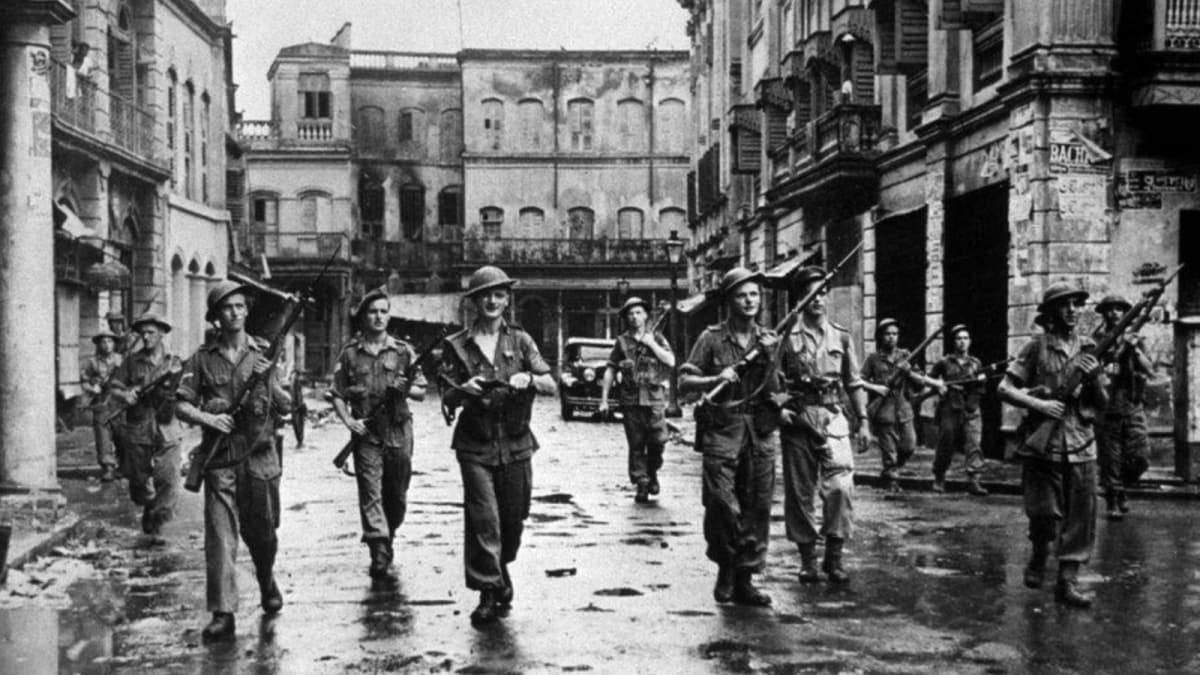
Over the decades, Indian cinema and music have been shaped by voices that went far beyond entertainment. Long before film soundtracks dominated popular culture, songs were deeply woven into devotion, patriotism, and collective emotion. Music was a way to comfort, inspire and unite people, especially when the nation was still finding its voice against the British Raj.
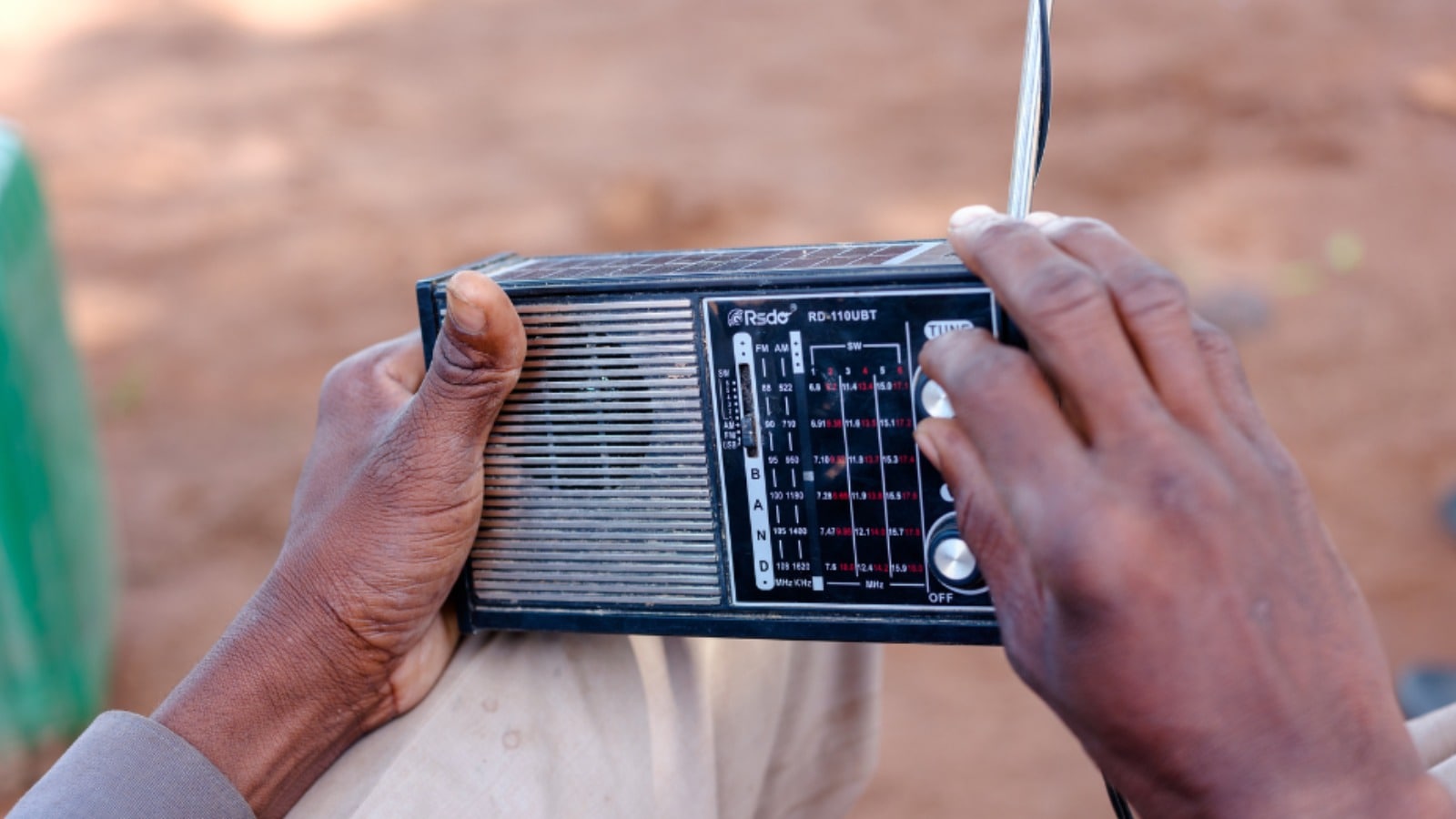
Before television screens and cinema halls became common, radio was the heartbeat of Indian households. Families gathered around it for news, prayer, and music. At the time, one singer’s voice carried an unmistakable calm and strength. Her songs resonated so deeply that they reached the highest offices of the country, touching leaders, freedom fighters and ordinary citizens alike. She became a presence not just in homes, but in the emotional fabric of a nation in transition.
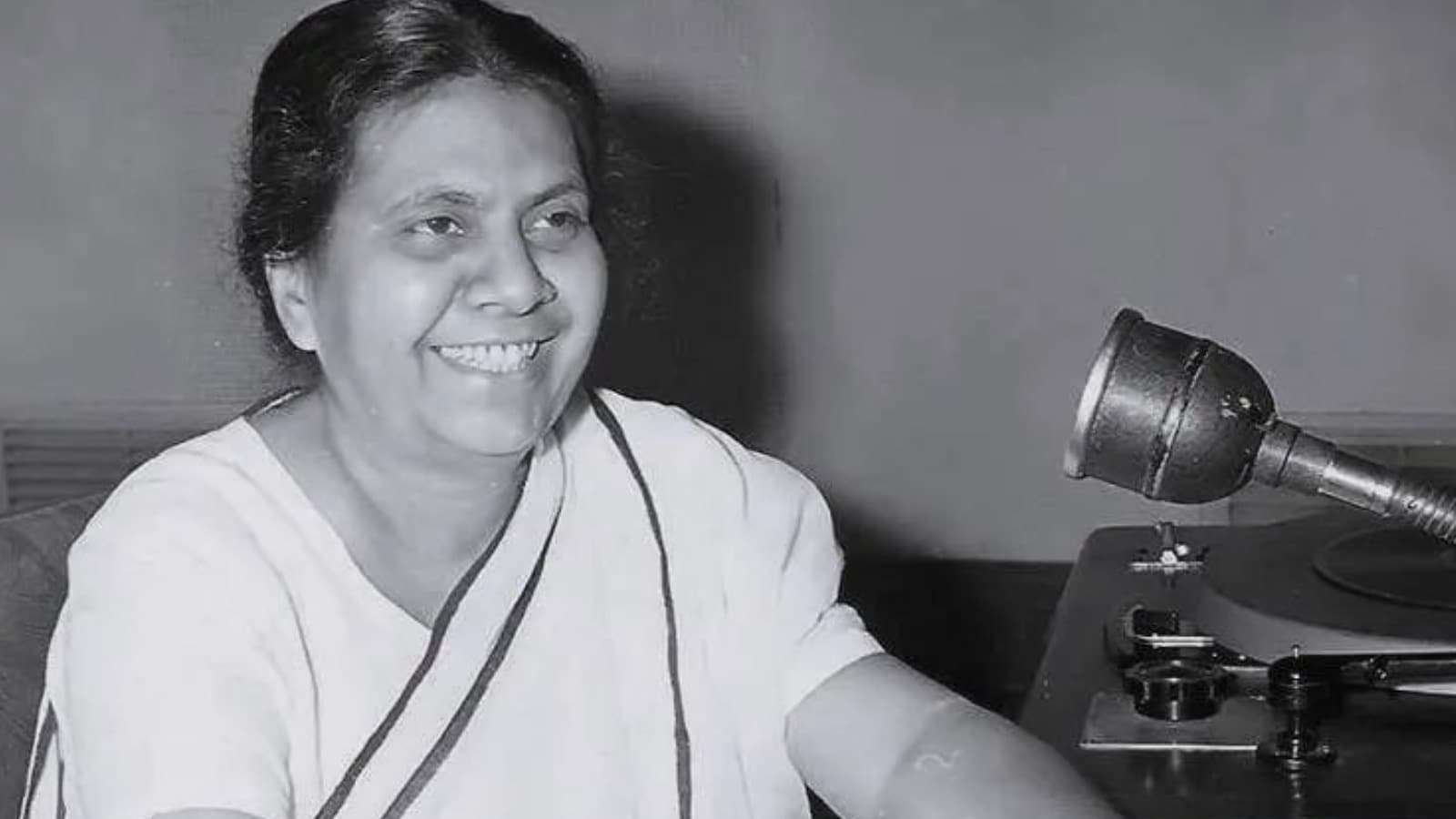
That singer was Juthika Roy, later known fondly as “Adhunik Meera.” Born on April 20, 1920, in Amta in Bengal’s Howrah district, Roy’s musical journey began at a remarkably young age. She recorded her first album in 1932 when she was just 12 years old, a feat that set her apart in an era when recording itself was a rare opportunity. Her talent soon caught the attention of poet Kazi Nazrul Islam and composer Kamal Das Gupta, both of whom played a crucial role in shaping her art.
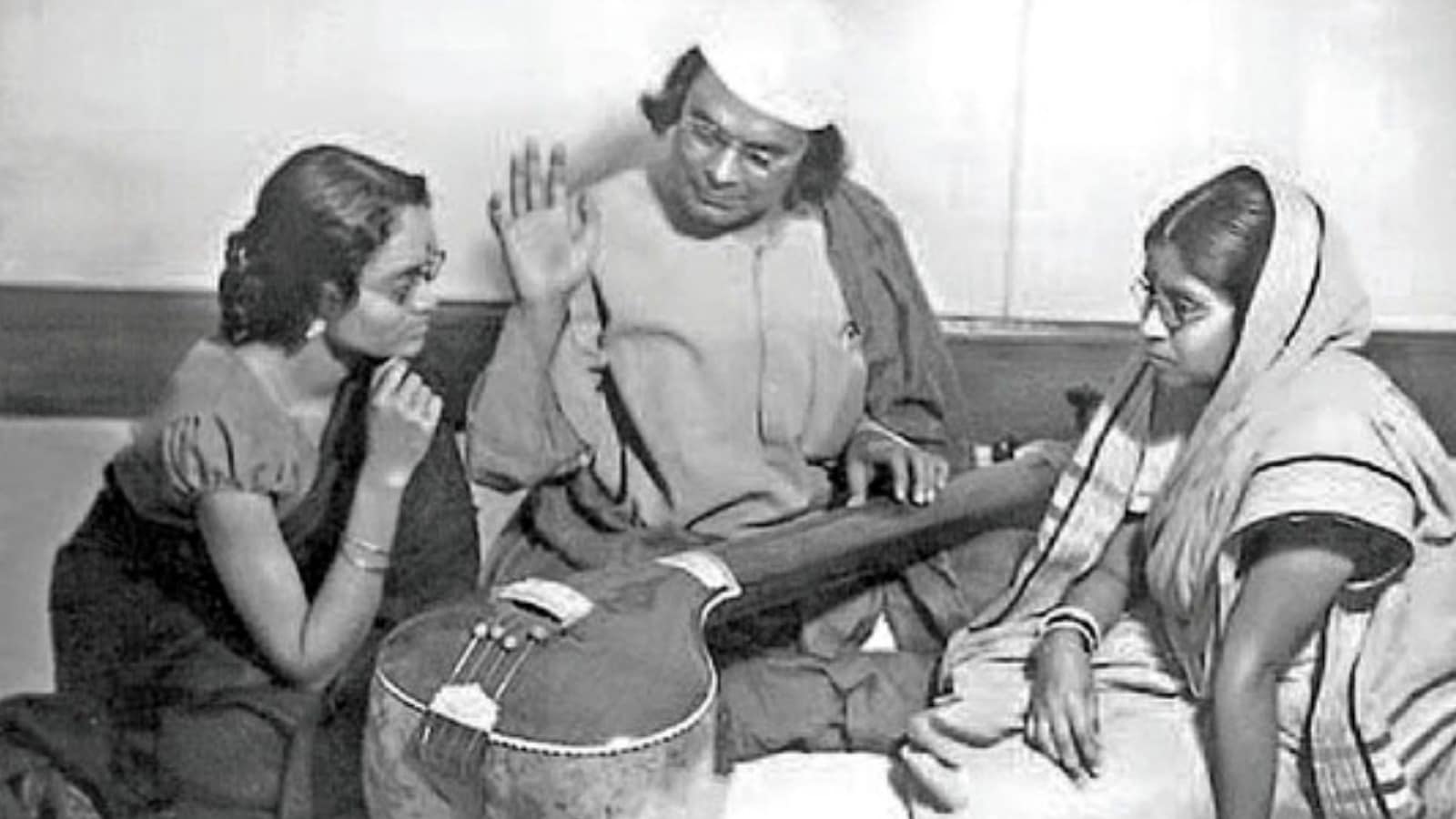
By the 1940s and 1950s, Roy became one of the country’s most celebrated voices. Her singing carried a devotional purity. Over a career spanning nearly four decades, she sang more than 200 Hindi songs and over 100 Bengali film and modern tracks. Her repertoire also included Rabindrasangeet, Nazrulgeeti and several popular non-film compositions that continue to be remembered fondly.
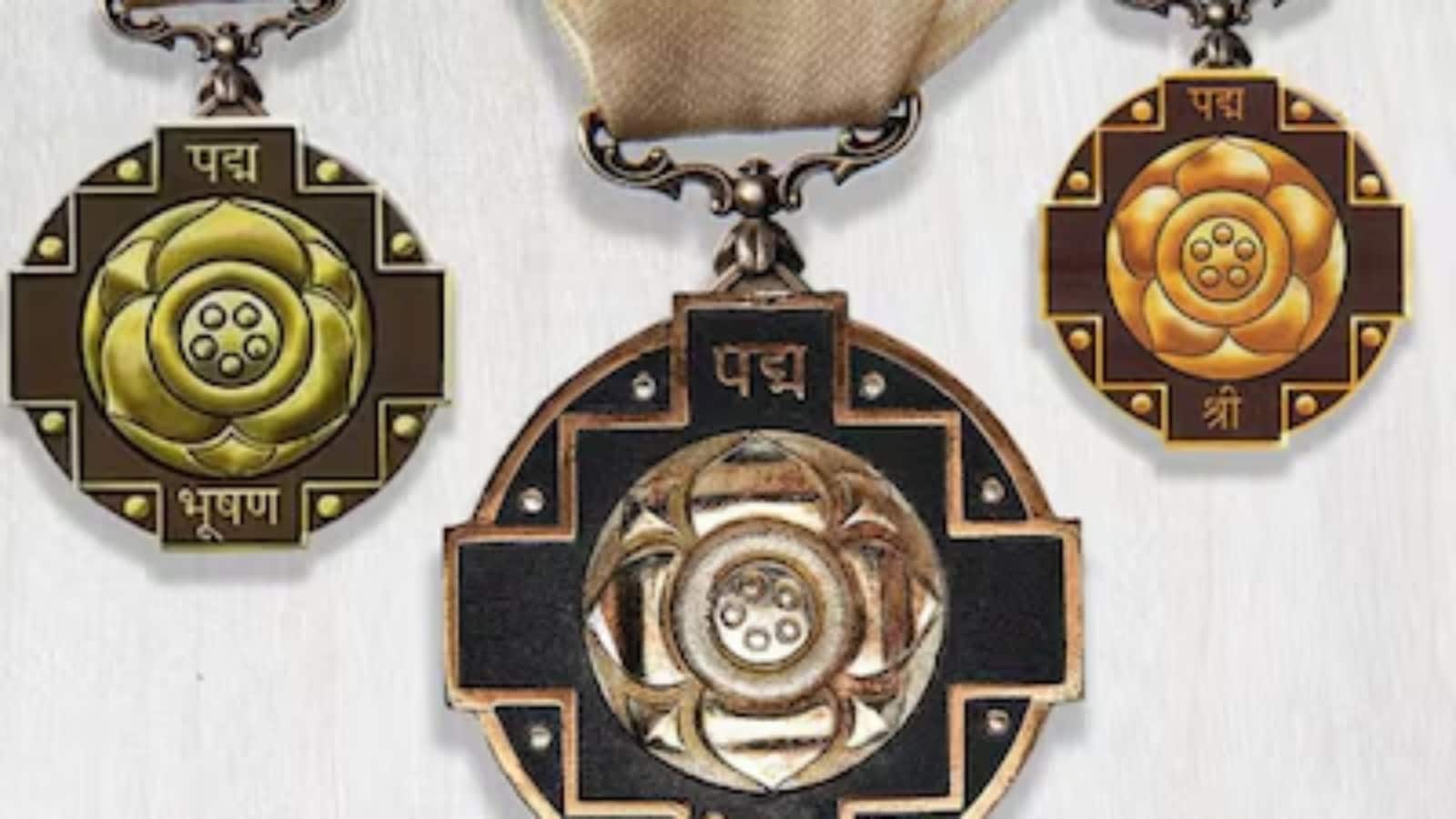
Songs like Sanjher Taroka Ami, Emoni Borosha Chilo Sedin, Jani Jani Priyo, Dol Diye Kea Jai Amare, Eai Jomunari Tire and Tumi Jodi Radhe Hote Shyam became timeless favourites. In recognition of her immense contribution to Indian music, she was awarded the Padma Shri in 1972 by the Government of India.
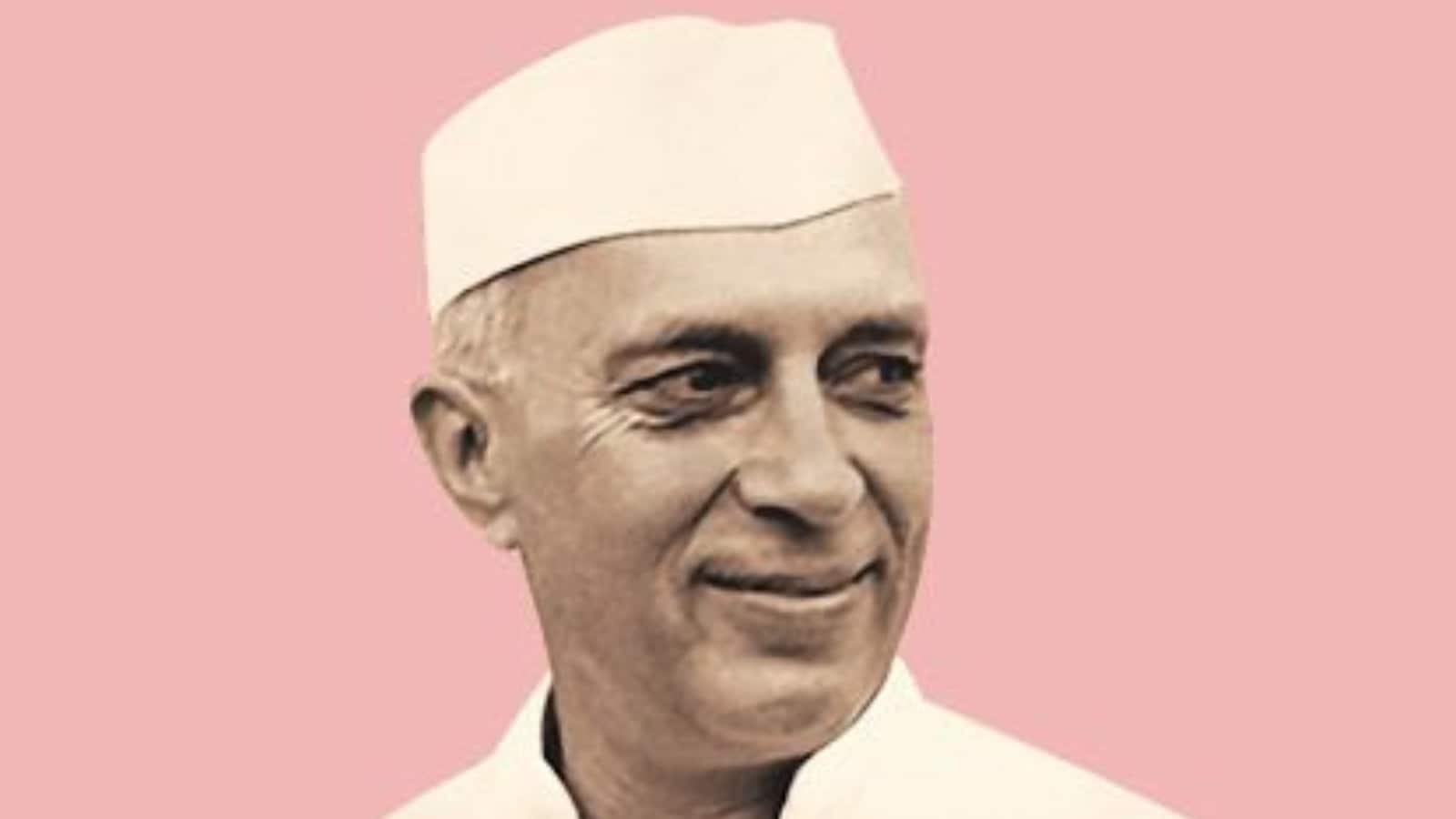
one of the most historic moments of her life came on August 15, 1947. As India prepared to celebrate its first Independence Day, Roy was asked by then Prime Minister Jawaharlal Nehru to continue singing on the radio during the ceremony at the Red Fort. Recalling the moment later, she said, as per Firstpost, “The prime minister had sent in a request that I was to keep singing till he reached Red Fort and hoisted the tricolour. I went back to the AIR station… sang some seven-eight songs.”
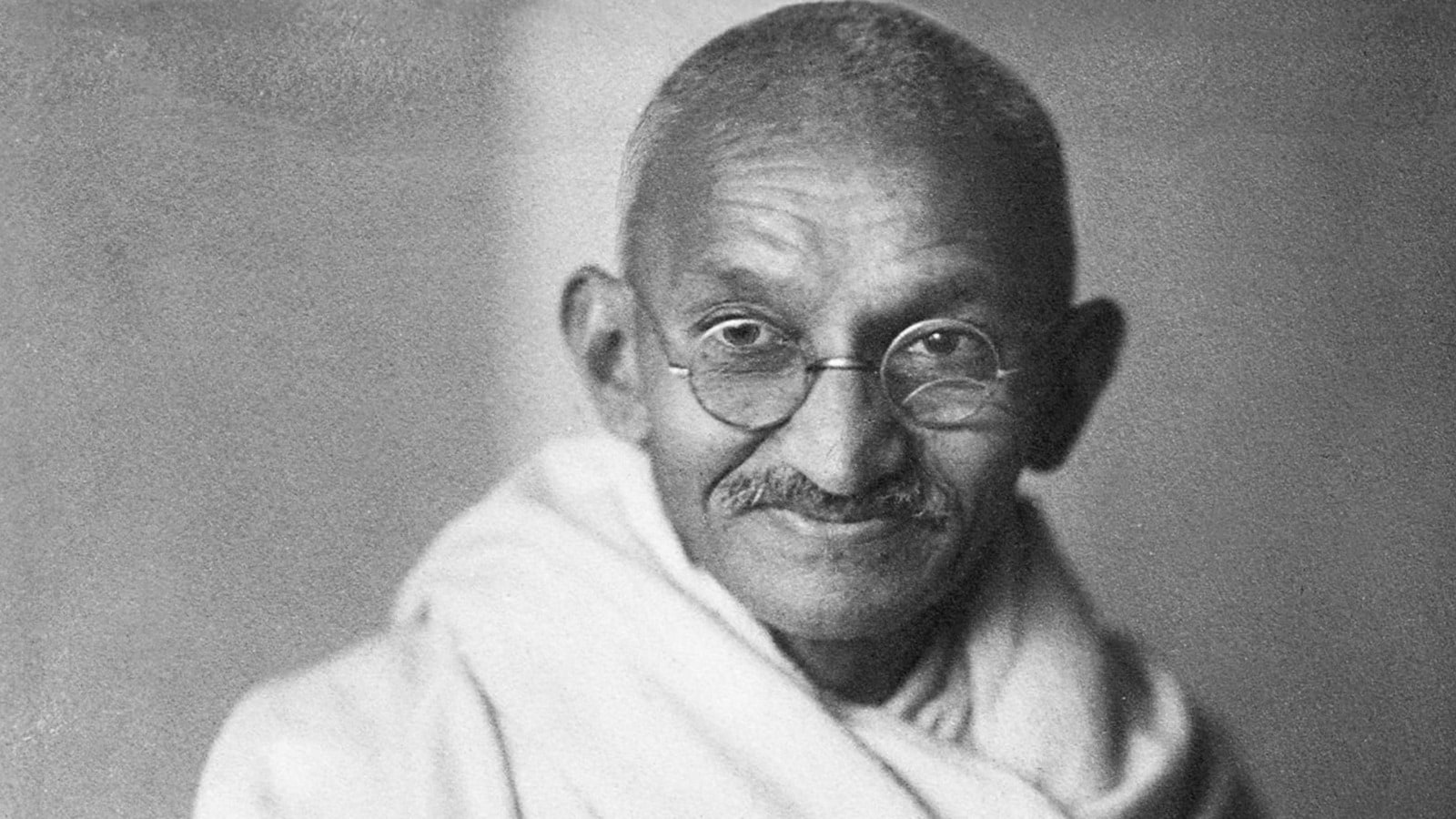
Her voice also held a special place in the life of Mahatma Gandhi. Roy once shared how deeply he admired her work, saying, “Mahatma Gandhi used to listen to my songs every day when he was jailed in Pune. He used to start his prayer meeting every morning playing discs that played my bhajans.” For a singer, there could hardly be a greater honour than becoming part of such sacred moments.
Despite her fame, Roy lived a quiet and dignified life and never married. She passed away at the age of 93 after battling multiple health issues. She breathed her last at the Ramakrishna Mission Seva Pratisthan in Kolkata on 5th February 2014. Her nephew Chandan Roy told IANS, “My aunt was released Jan 24. But she had to be re-admitted Feb 2 after she had a cerebral attack and put on ventilator support at the Intensive Therapy Unit.”
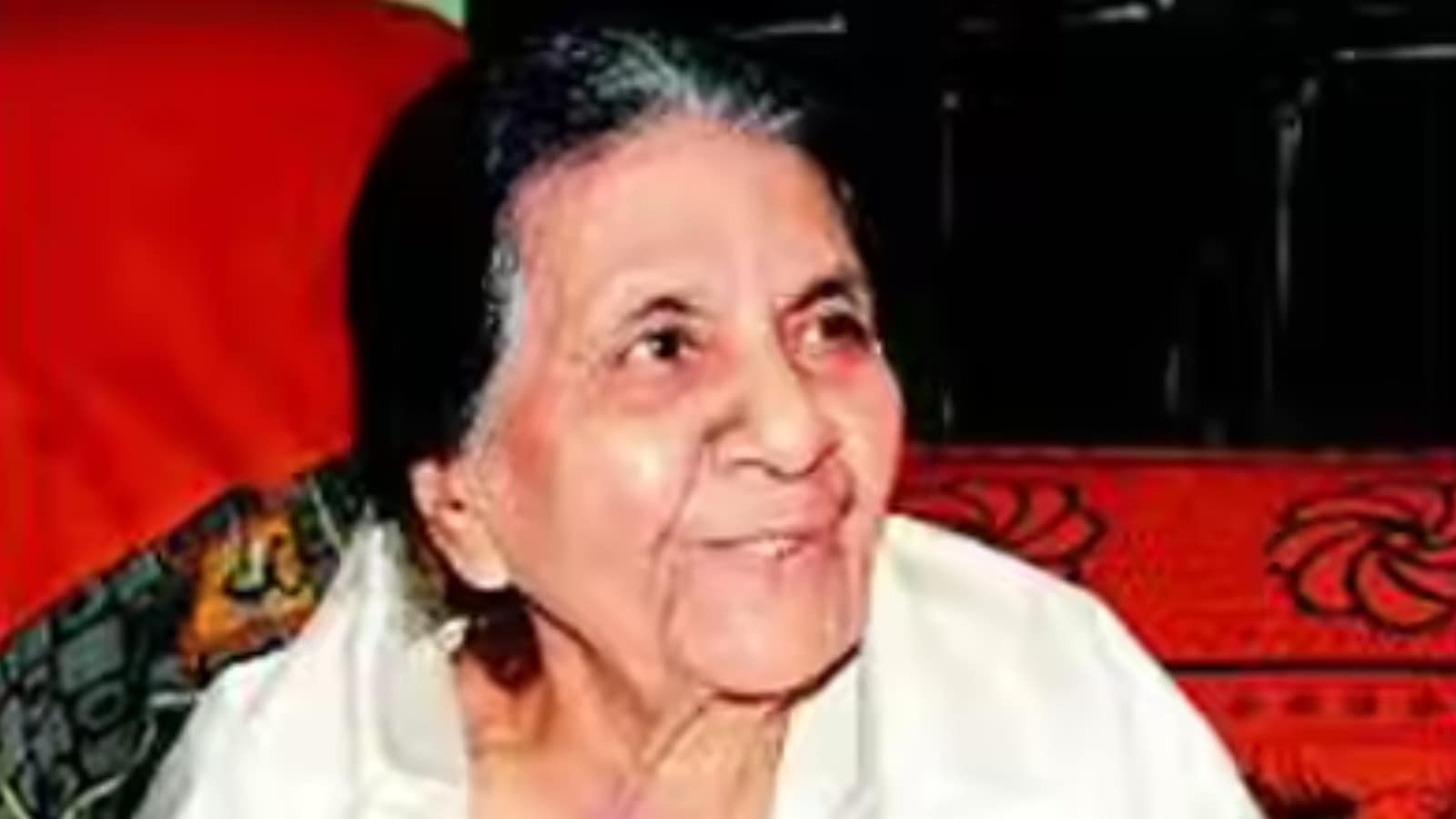
Juthika Roy’s legacy remains etched in India’s musical history. Her voice continues to echo through old radio recordings, devotional gatherings, and memories of a time when music spoke directly to the soul of a nation.