- March 3, 2026
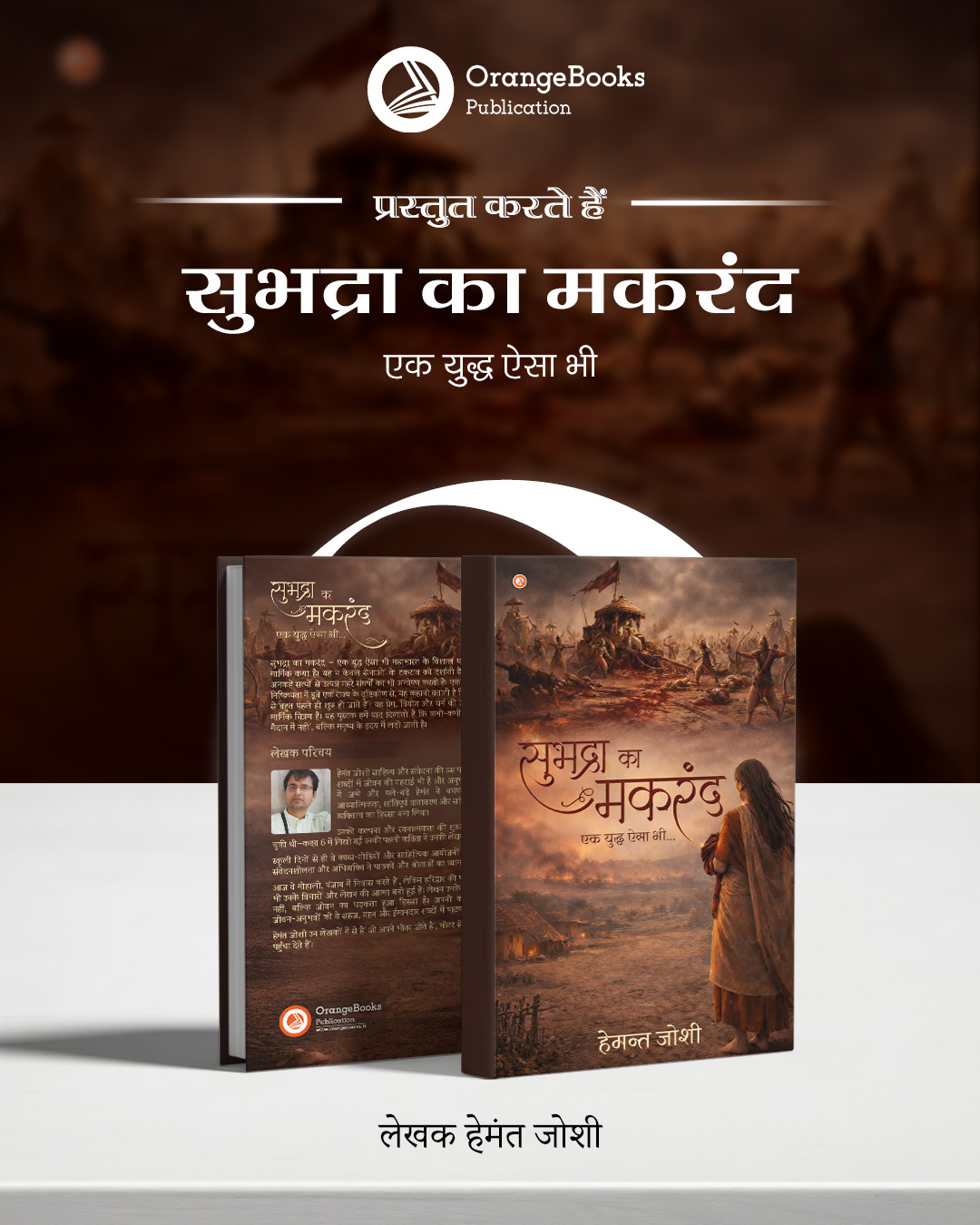
Hemant Joshi Talks About His Book “Subhadra ka Makrand”
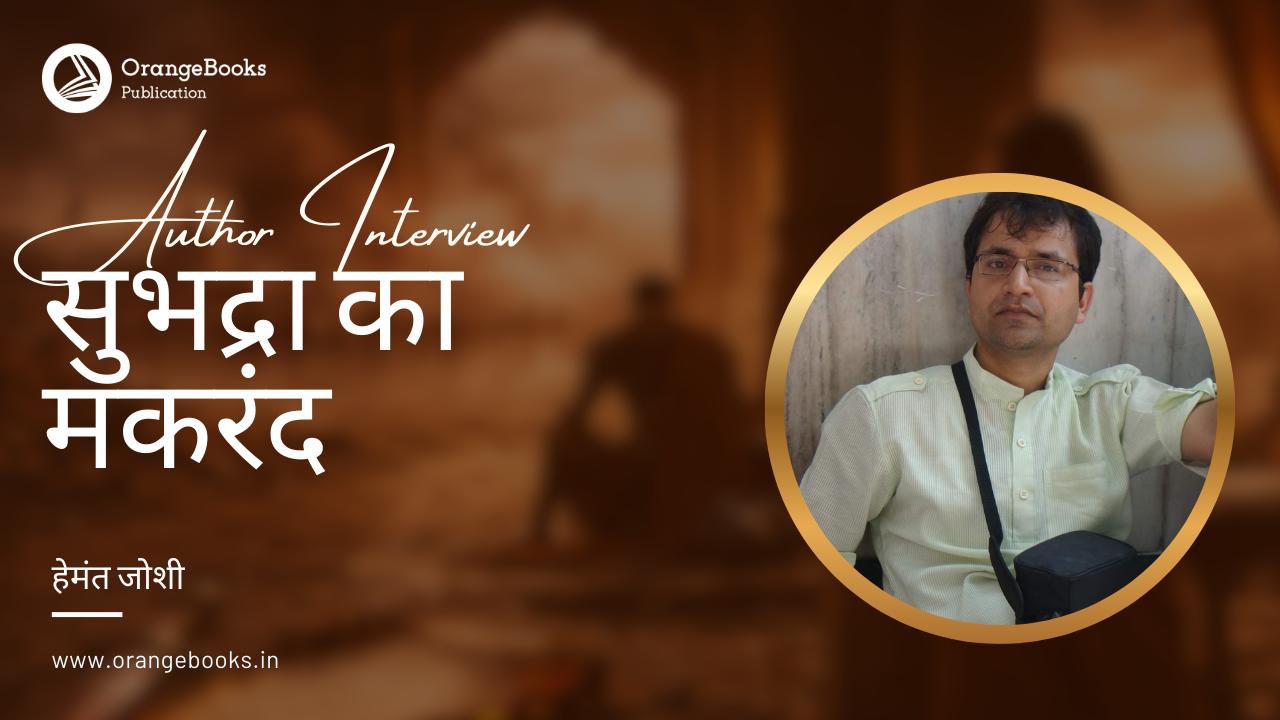
About the Author:
My name is Hemant Joshi, and I am 46 years old. I was born and raised in Haridwar, where the spiritual atmosphere and the sacred flow of the Ganga have always nurtured my thoughts, values, and creative instincts. Those early years, surrounded by devotion, tranquility, and cultural richness, shaped not only my personality but also the way I perceive and express life.
Today, I reside in Mohali, Punjab, carrying with me the cultural depth, simplicity, and calmness of my hometown. No matter where I go, Haridwar remains an inner compass—a source of grounding and inspiration.
Writing has been my passion since childhood. I wrote my first poem when I was in Class 6, a moment that opened the doors to a lifelong love for creative expression. Since then, words have been my companions—helping me explore emotions, give voice to inner experiences, and bring imagination to life.
Exclusive interview with the author
Q: What Inspired You To Write This Book?
A: I have read Mahabharat many times in my life, and every single time I discovered something new within it. It is not just a story that you read once and finish; it unfolds differently as you grow, as you experience life, and as you begin to understand human emotions more deeply.
One day, it suddenly dawned on me that Mahabharat was not only experienced by gods, warriors, or great mythological characters. It was — and still is — the story of a common man. The conflicts, the moral dilemmas, the silent sacrifices, the politics, the betrayal, the helplessness — all of it exists in our everyday lives.
But somewhere over time, we started seeing Mahabharat only as a divine epic. We glorified the heroes, we discussed the gods, we analyzed the grand war — yet we rarely spoke about the ordinary individuals caught in that battles. The pain of the common man, his silent struggles — they are just as real, but not talked about enough.
I wanted to change that perspective. I wanted to bring Mahabharat down from the heavens and place it back into the lives of ordinary people — because that is where it truly lives even today.
And that is why I wrote this imaginary fiction.
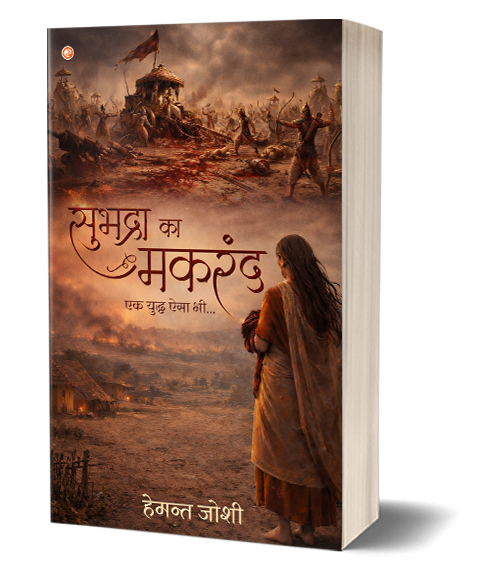
Q: Can You Tell Us About The Book?
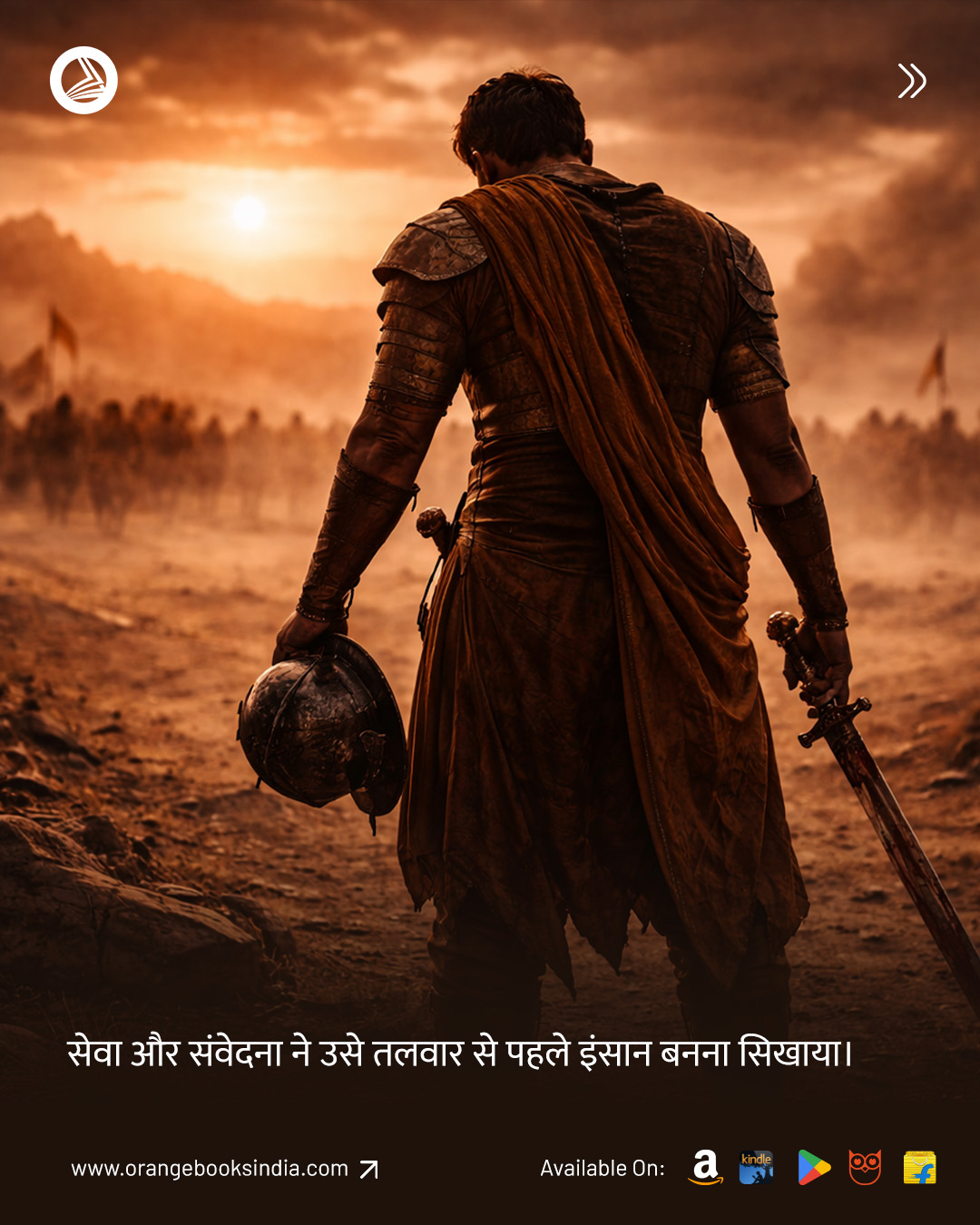
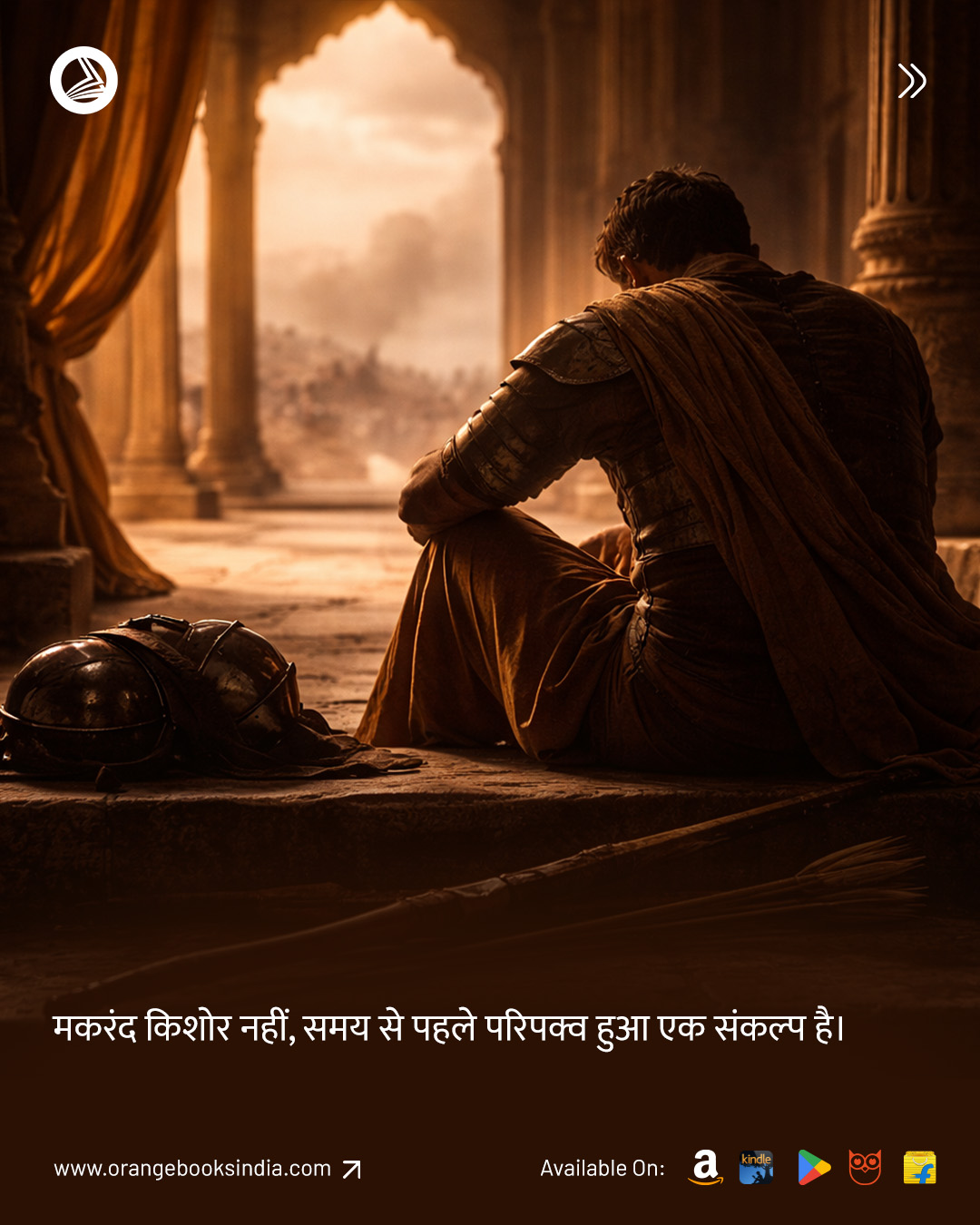
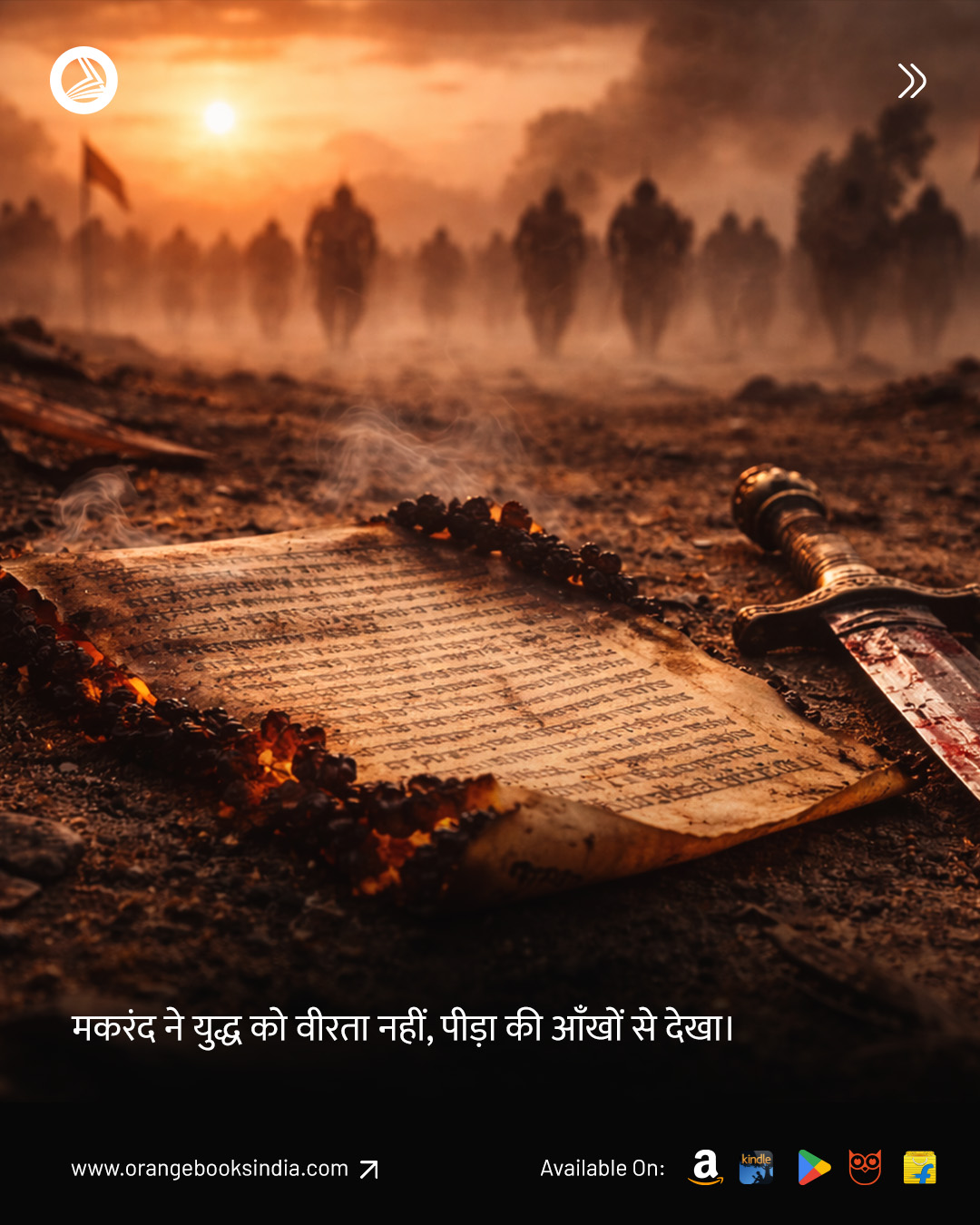
A: This story presents Mahabharat from the perspective of an ordinary soldier — not a king, not a divine warrior, but someone whose name history never remembers.
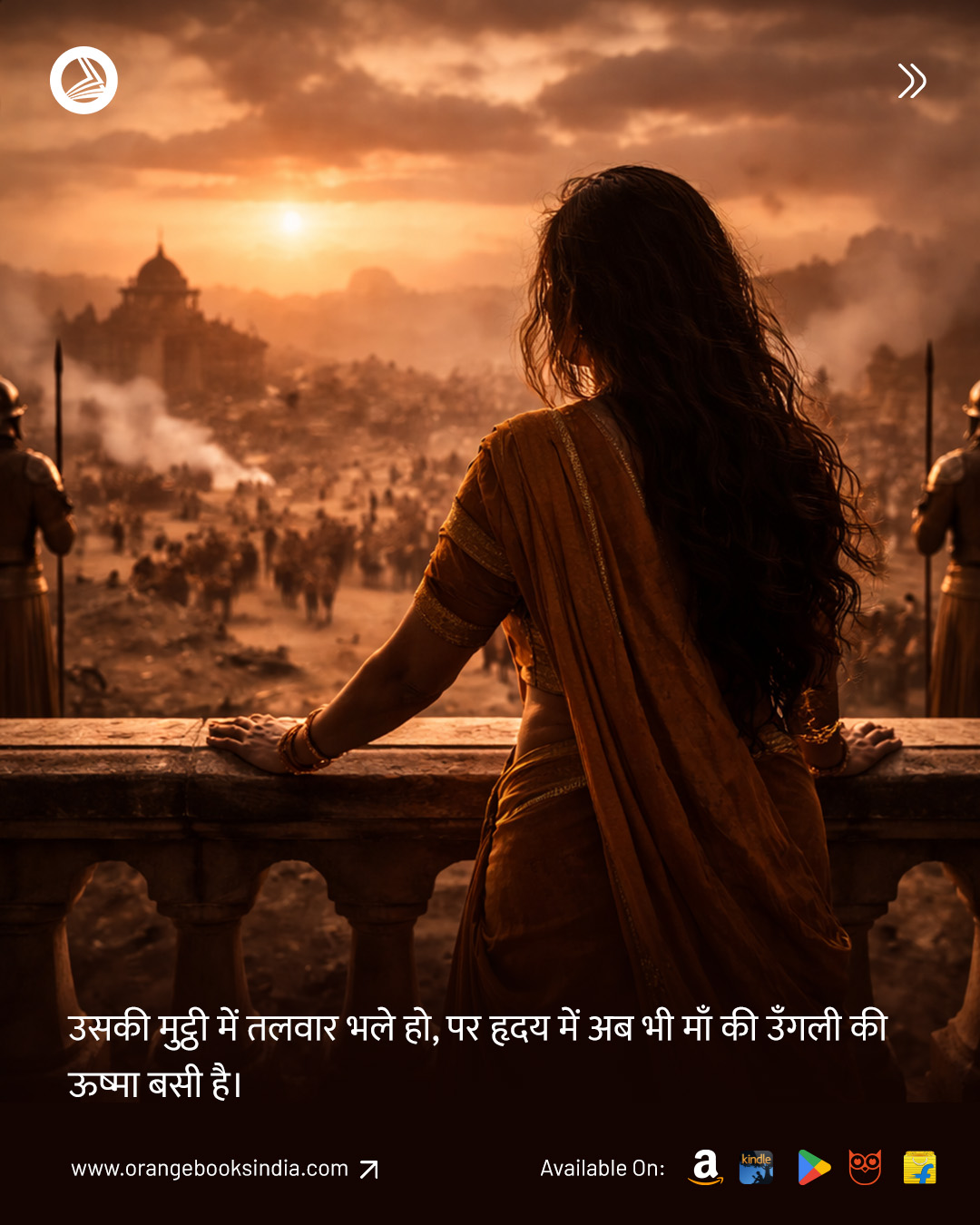
It speaks of a mother who must send her son to the battlefield, hiding her tears behind courage. A wife who watches her husband walk toward war, unsure if she will ever see him again. A sister who ties a thread of protection on her brother’s wrist, even when she knows destiny may not protect him.
It reflects the unbearable pain of women whose brother and husband stand on opposite sides of the same war — bound by love, divided by duty. What does loyalty mean in such a moment? What does victory even mean?
The story also explores the effect of war on a young man who has just stepped into adulthood, forced to choose weapons before dreams. And it captures the shattering helplessness of a father who must watch his son die before him — a grief so deep that even time cannot heal it.
Through this narrative, I have tried to show that beyond the glory of Kurukshetra, beyond the strategies and divine interventions, there were thousands of silent sufferings. Thousands of unnamed soldiers. Thousands of broken families.
This is their Mahabharat.
Q: What Does The Title Mean?
A: Makrand is the son of Subhadra.
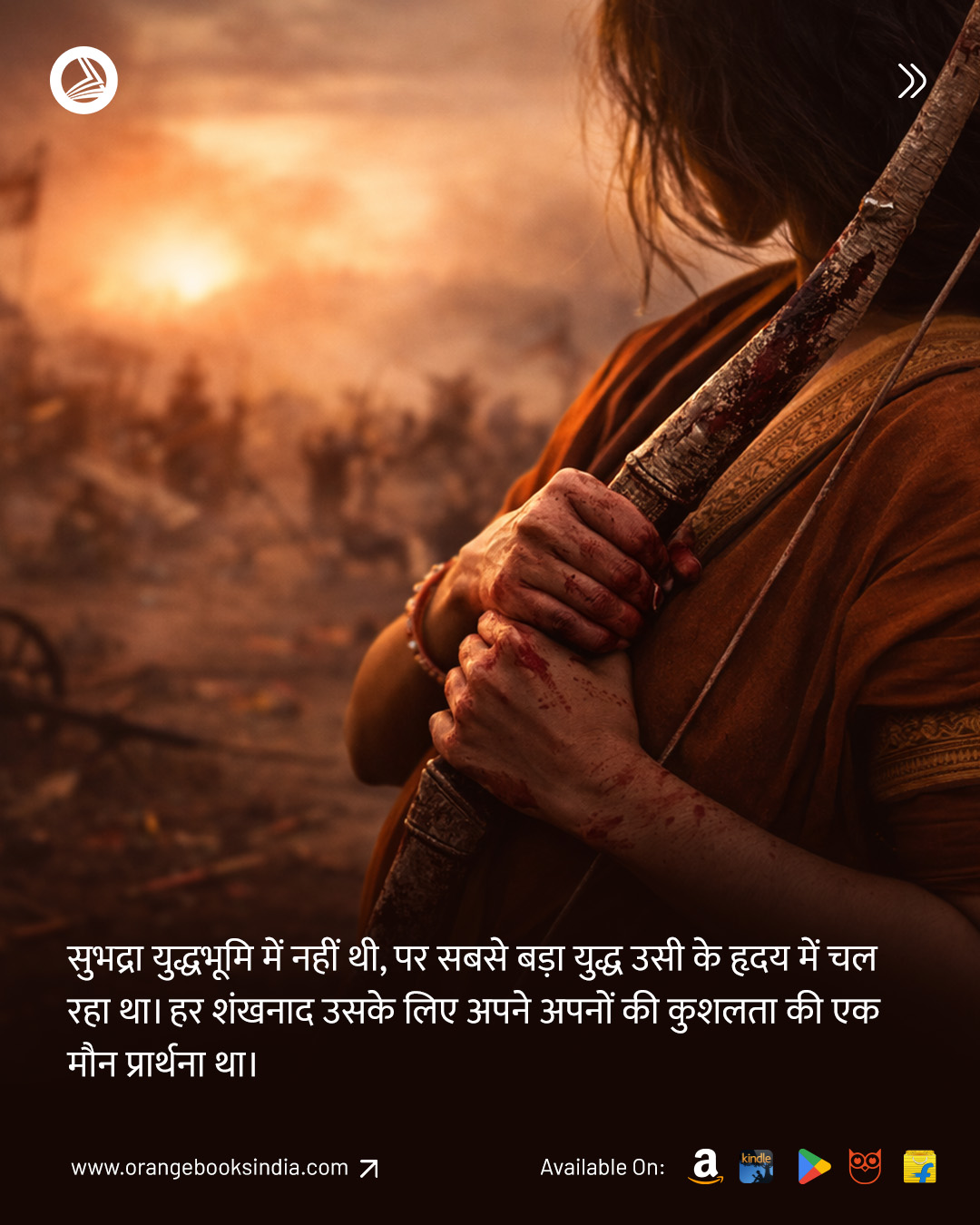
Through him, I wanted to express the silent, unbearable pain of a mother who must send a piece of her own heart to the battlefield. For Subhadra, Makrand is not just a warrior, not just a soldier fighting for dharma — he is her child. The one she carried, protected, and raised with love. And yet, she must let him go, knowing that war does not promise return.
That moment — when a mother smiles through trembling lips so her son does not see her fear — that is Mahabharat.
And for Makrand, the battlefield is not only about weapons and enemies. It is the painful realization that the goodbye he just said might be the last. That he may never again sit beside his mother, never hear her voice call his name, never return to the safety of her embrace.
That realization — when a son understands he is walking away from his entire world — that too is Mahabharat.
For me, Mahabharat is not only the war of kingdoms. It is the war inside hearts. It is the separation, the helplessness, the silent sacrifices of mothers and sons.
That pain is Mahabharat.
And that is why I chose this title.
Q: How Did Publishing Your First Book Change Your Process Of Writing?
A: While writing this story, I began to deeply introspect my own emotions. I did not want to merely narrate events — I wanted to feel them first. Every fear, every separation, every helpless goodbye had to pass through my own heart before it reached the page.
I questioned myself:
How would I feel if I had to let go of someone I love, knowing I might never see them again?
What does a mother truly feel when she sends her son to war?
What does a son hide behind his silence when he walks away from home for the last time?
I allowed myself to sit with those emotions — the pain, the trembling strength, the silent tears. Only then did I begin to write.
My intention was simple: every single line should carry emotion. Every sentence should make the reader pause, feel, and perhaps even see their own relationships reflected in the story.
Because for me, this book is not just about Mahabharat — it is about human emotion in its purest and most vulnerable form.
Q: What Does Success Mean To You? What Is The Definition Of Success?
A: Success is a betrayal. It deviate one from the path of right. As lord Krishna said just focus on your karma.
Q: How Important Is Research To You When Writing A Book?
A: Very important because you get the right background. Without knowledge a proper background will not be created.
Q: Do You Believe A Book Cover Plays An Important Role In The Selling Process?
A: It’s very important. This is the first thing that catches the reader’s attention. If not attractive the reader might not give a chance.
Q: What Advice Would You Give To Aspiring Authors?
A: I am also new… When my book get famous then I will give advices.
This book is published by OrangeBooks Publication. All rights are reserved with the author & the publisher.