- July 4, 2026
South Korea Bets Big On Ethanol-Based SAF For Aviation: How This Echoes India’s Biofuel Breakthroughs
Last Updated:
South Korean refiners and international bioenergy partners aim to bypass impending raw material shortages and establish a scalable, highly secure supply chain




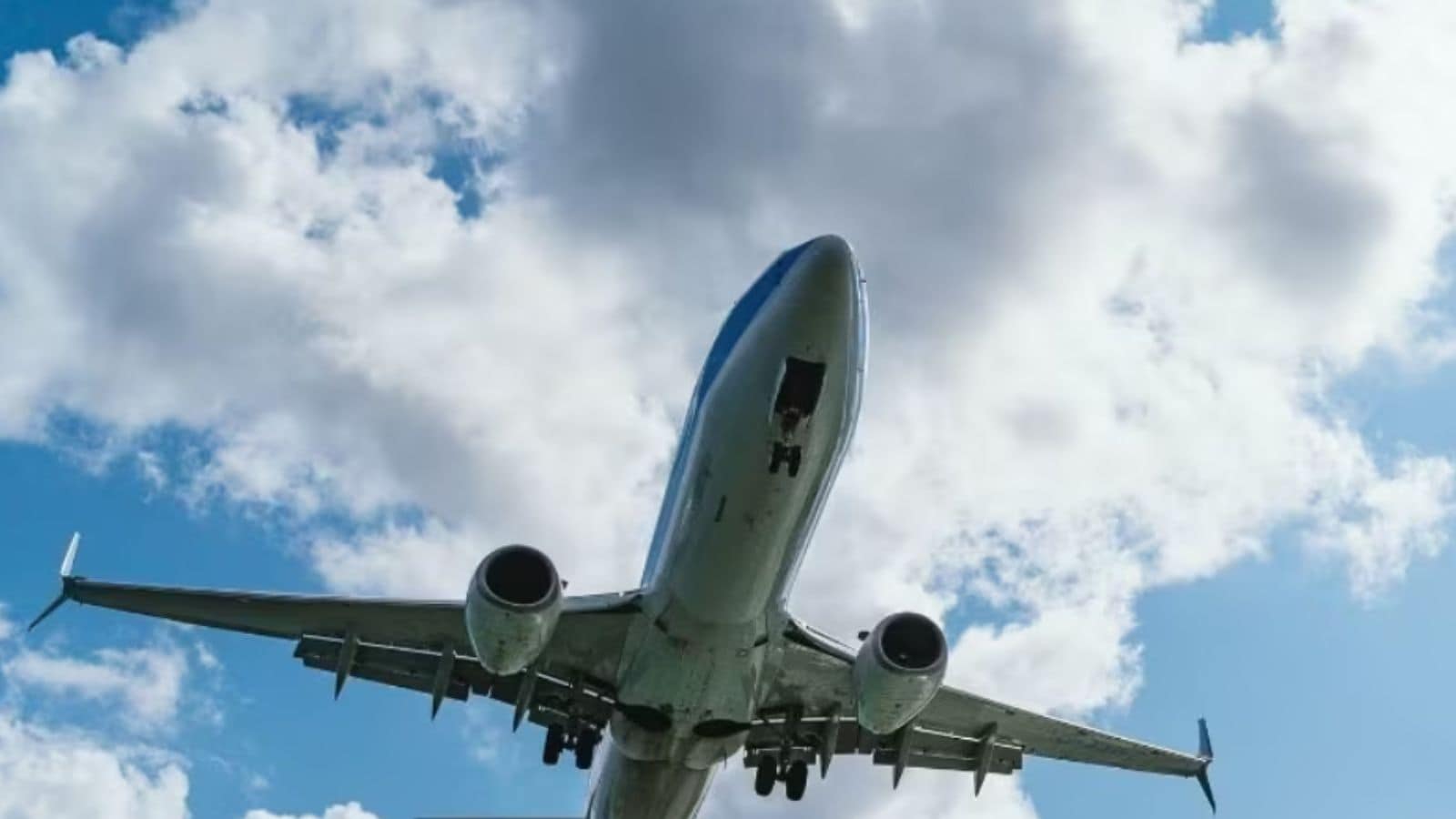
Because global aviation demand is projected to outpace the availability of waste fats, ethanol provides an abundant alternative capable of achieving up to an 80 per cent reduction in lifecycle carbon emissions compared to traditional jet kerosene. Representational image
South Korea is rapidly accelerating its sustainable aviation fuel (SAF) strategies as the country prepares for strict mandatory blending targets. While initial global SAF production heavily favoured hydroprocessed esters and fatty acids (HEFA)—which relies on constrained supplies of waste cooking oil and animal fats—industry attention has pivoted towards alcohol-to-jet (ATJ) technology. By utilising ethanol as a primary feedstock, South Korean refiners and international bioenergy partners aim to bypass impending raw material shortages and establish a scalable, highly secure supply chain.
This momentum aligns with South Korea’s comprehensive statutory roadmap. The government intends to enforce a mandatory one per cent SAF blend for all departing international flights, with expectations to scale this requirement to between three and five per cent by 2030 and up to ten per cent by 2035. To cushion the domestic energy transition, substantial state incentives are being deployed, including up to 40 per cent research and development cost funding and 25 per cent facility investment support for domestic refiners adopting advanced bio-refining technologies.
Overcoming Global Supply Constraints
The structural shift towards ethanol-based ATJ processing stems from its operational versatility. Conventional petroleum infrastructure can be modified to process ethanol derived from agricultural sources or industrial residues. This approach avoids the steep capital costs associated with building entirely separate refining systems.
Furthermore, because global aviation demand is projected to outpace the availability of waste fats, ethanol provides an abundant alternative capable of achieving up to an 80 per cent reduction in lifecycle carbon emissions compared to traditional jet kerosene. South Korea is positioning its major transport hubs, such as Incheon International Airport, to handle these high-volume, low-carbon certified fuel blends through strategic partnerships with major global bio-commodity exporters.
The Indian Biofuels Parallel
South Korea’s policy evolution mirrors identical energy security and decarbonisation efforts sweeping across India. India has successfully transformed its domestic energy matrix through its aggressive ethanol blending programme, with E20 made widely available.
Building upon this agricultural success, India is also formalising its own SAF mandates. Initial plans project a one per cent SAF blending requirement for international flights, leveraging the nation’s massive surplus of sugarcane molasses, agricultural residues, and broken grains. This parallel highlights a broader global trend where major Asian economies are utilising robust domestic biofuel programmes to secure international transport sectors against volatile fossil fuel markets.
About the Author

Pathikrit Sen Gupta is a Senior Associate Editor with News18.com and likes to cut a long story short. He writes sporadically on Politics, Sports, Global Affairs, Space, Entertainment, And Food. He tra…Read More
Read More