- October 9, 2026
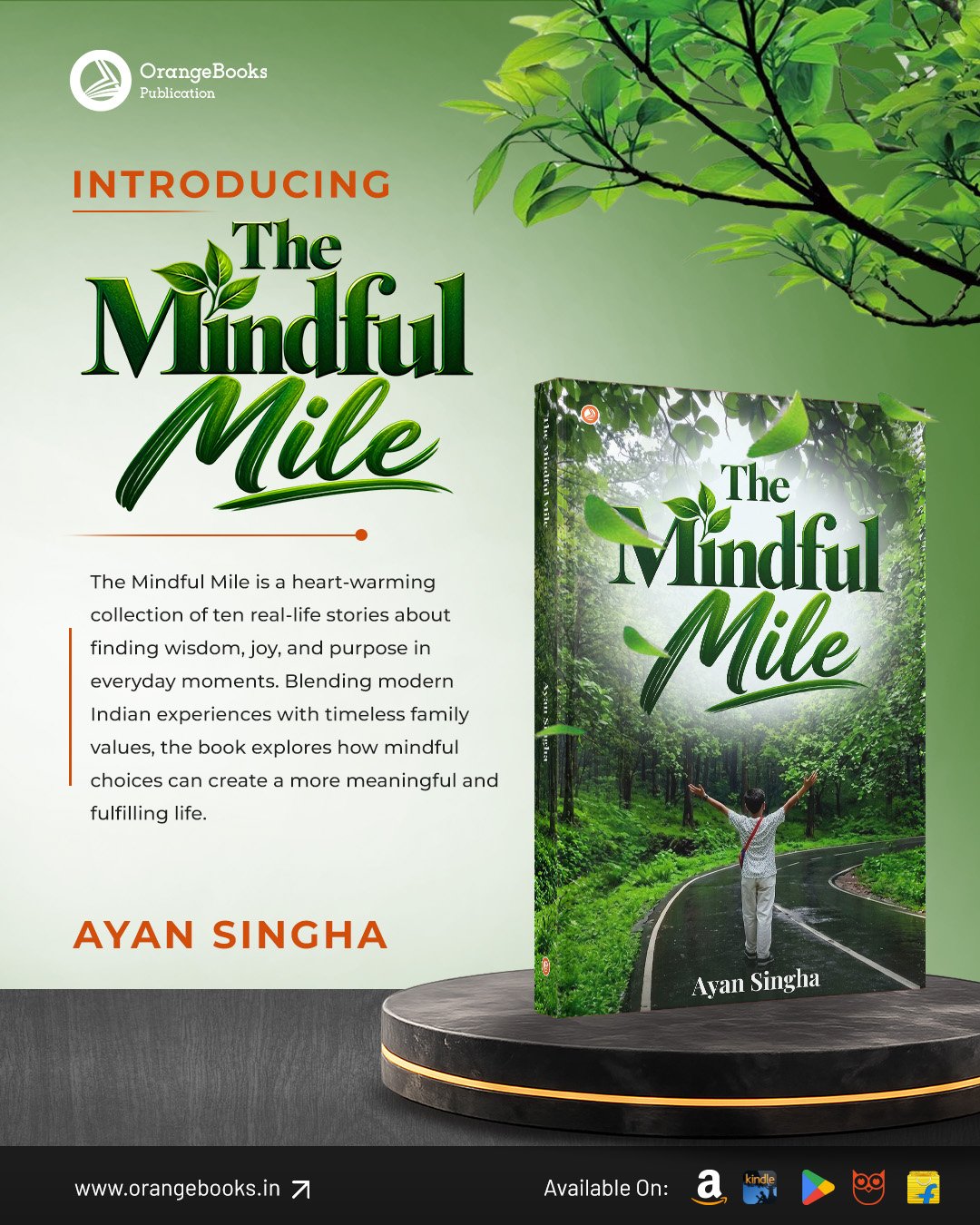
Ayan Singha Talks About His Book “The Mindful Mile”
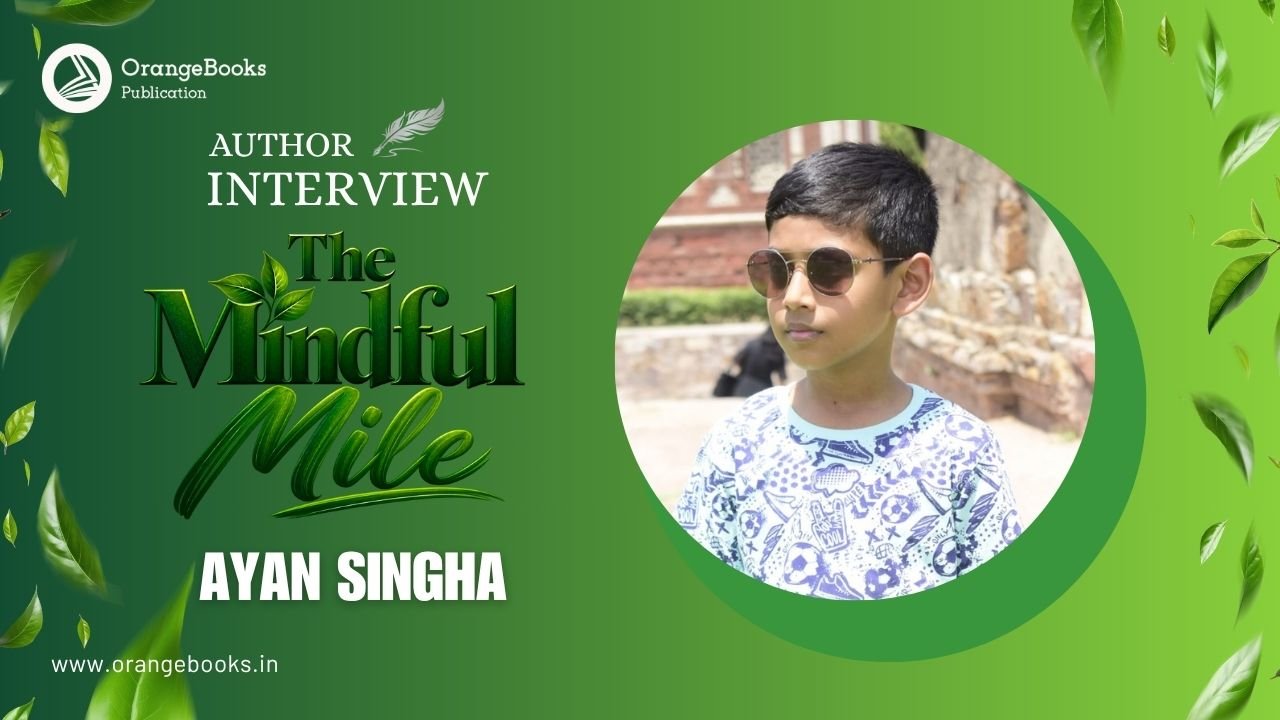
About the Author:
• Ayan Singha is a contemporary author who loves exploring the intersection of memory, culture, and modern life. The Mindful Mile is his second book, following his debut work, Tickets to Yesterday.
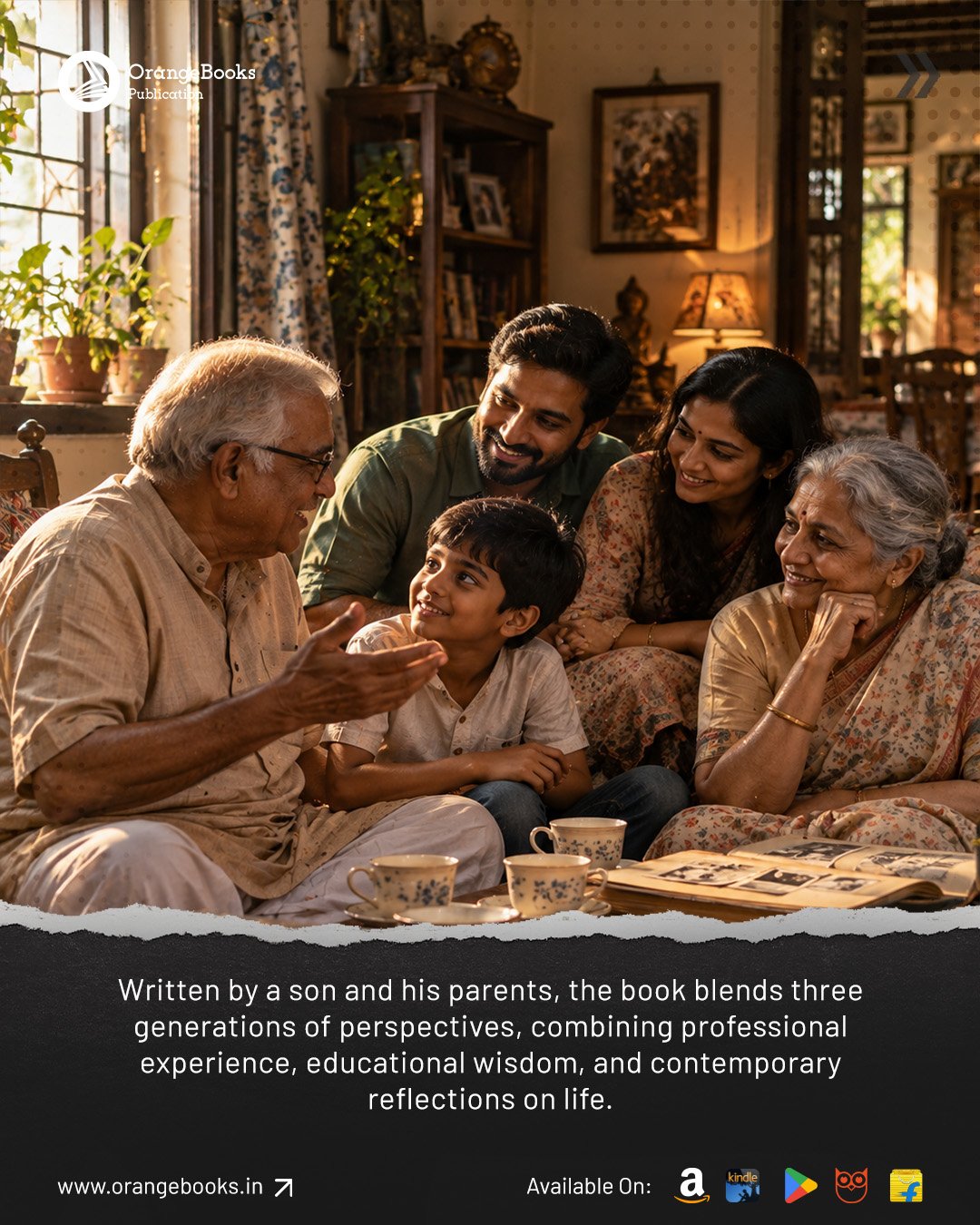
• The Mother brings the gentle, compassionate lens of a lifelong educator, drawing from decades of patient wisdom earned as a primary school teacher guiding young minds.
• The Father offers sharp, real-world perspectives built over a successful twenty-year corporate career in media marketing business.
Exclusive interview with the author
Q: What Inspired You To Write This Book?
A: The Mindful Mile was inspired by a shift in our family’s perspective after publishing our first book, Tickets to Yesterday. While that first book looked backward into our roots and memories, we realized that the past is only half the landscape—the other half is being built right now in our daily choices, morning habits, and dinner table conversations. We began archiving these personal transitions—like moving from West Bengal to Bengaluru, learning to drive an electric vehicle, and navigating modern life—to capture our own family’s evolution. Ultimately, we wanted to write a reminder for others that a meaningful, fulfilling life doesn’t happen by accident; it is crafted deliberately, one routine and one mindful choice at a time.
Q: Can You Tell Us About The Book?
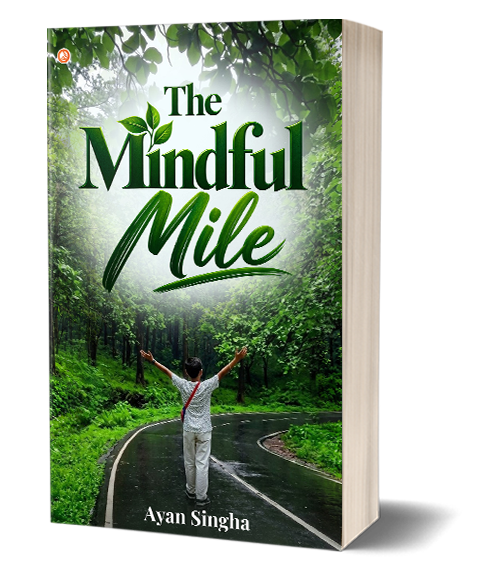
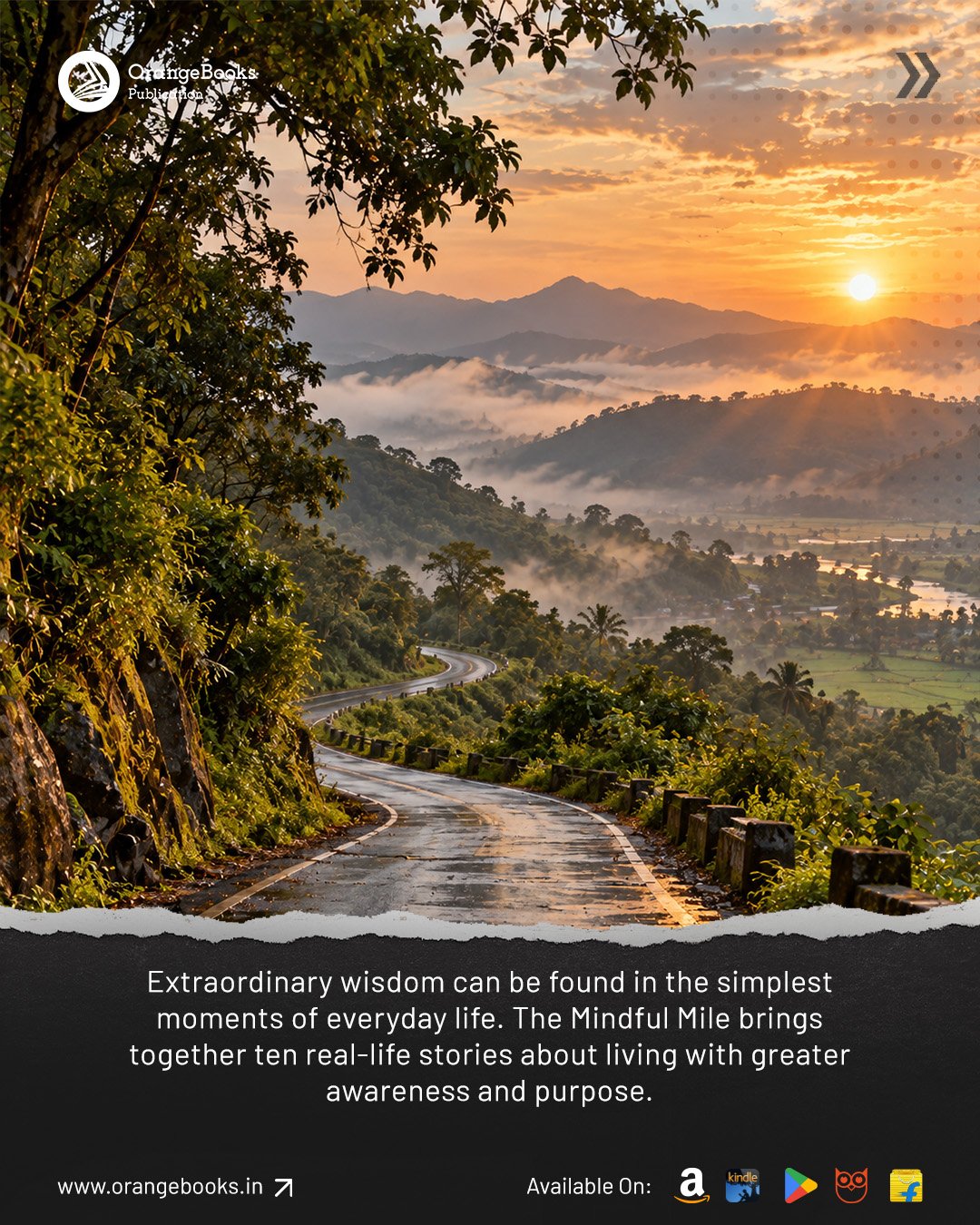
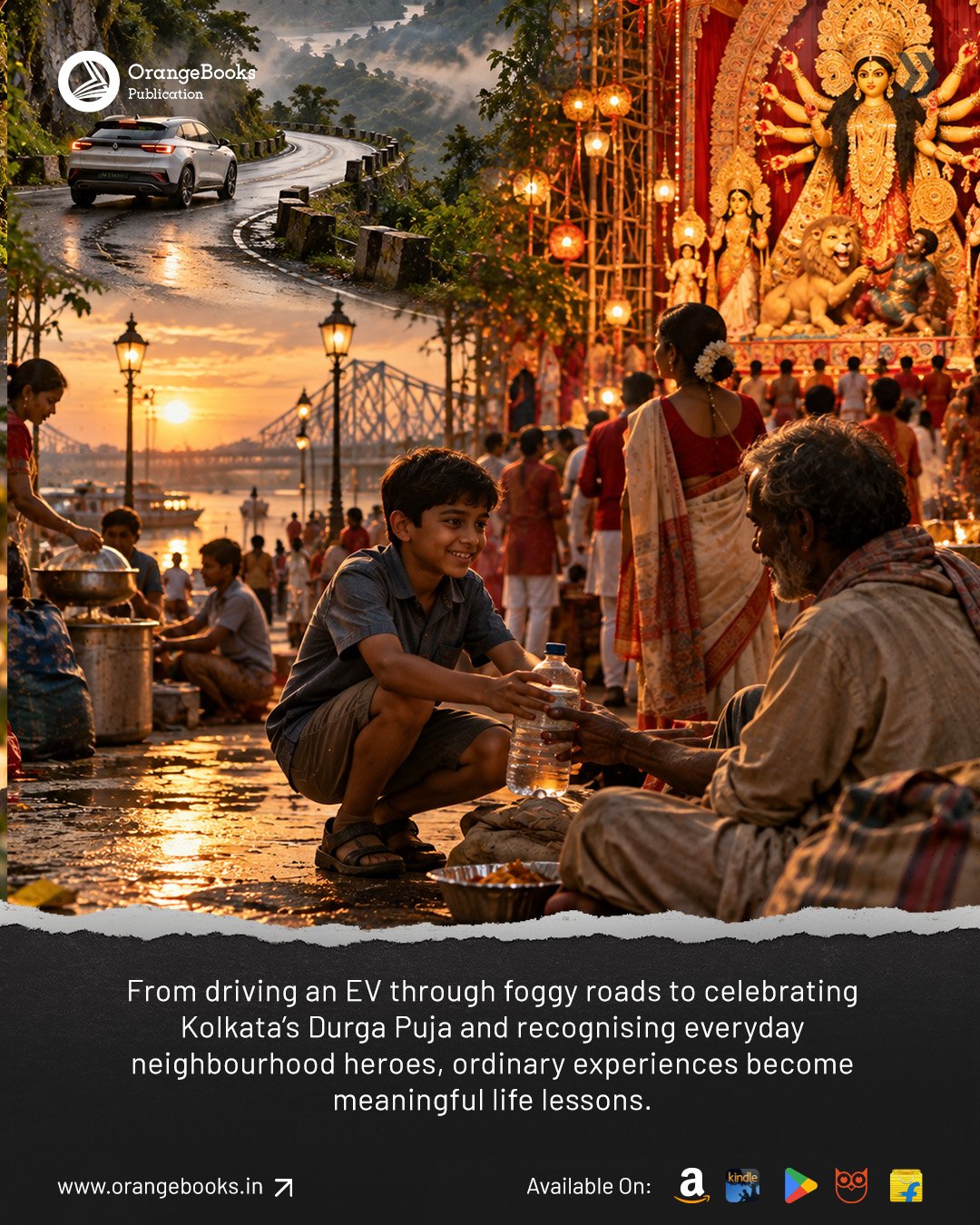
A: At its heart, The Mindful Mile is a deeply personal exploration of modern family life, transitions, and intentional living. Written collaboratively by three members of our family, it serves as a sequel in spirit to our first book, Tickets to Yesterday. While our first book looked backward at our roots and nostalgia, The Mindful Mile focuses entirely on the present—on how a meaningful life is built right now through our daily habits and morning routines. The book follows our family’s journey across different landscapes—from the rich cultural heritage of West Bengal to the high-tech, fast-paced world of Bengaluru, and along the scenic roads of South India. Through relatable, everyday stories—like the learning curve of driving an electric vehicle, the chaotic joy of celebrating Durga Puja in Kolkata, or learning to appreciate the neighbourhood residents who keep our lives running—we want to remind readers that a fulfilling life doesn’t happen by accident. It is crafted deliberately, one mindful choice at a time.
Q: What Does The Title Mean?
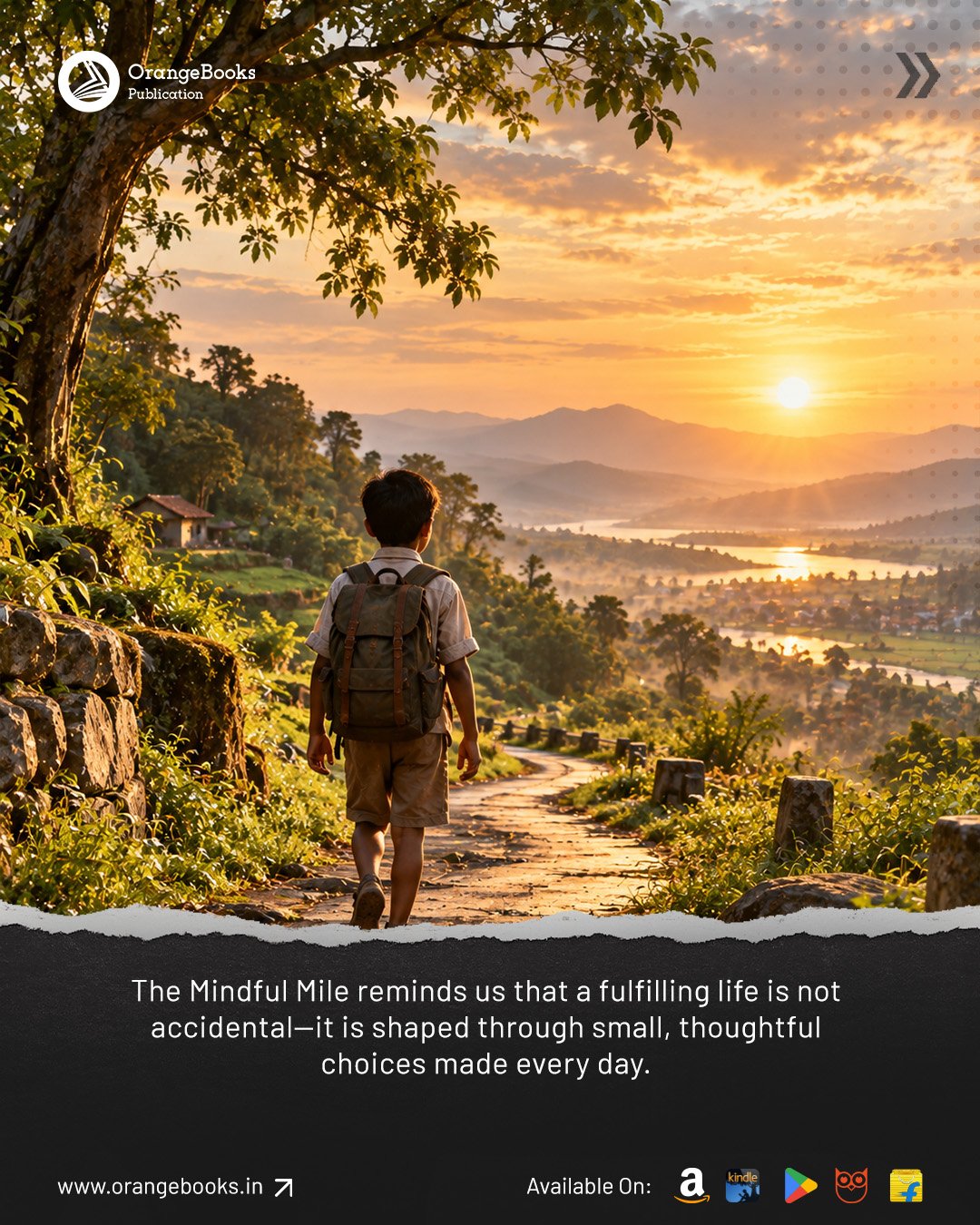
A: The title The Mindful Mile represents the journey of life and the conscious way we choose to walk through it. A ‘mile’ represents progress, distance, and the physical journeys our family has taken—moving from the cultural roots of West Bengal to the tech landscape of Bengaluru, and traveling the winding roads of South India. However, the word ‘mindful’ shifts the focus from the destination to the journey itself. It is a reminder that the long distance of a lifetime isn’t covered in one giant leap, but rather one step, one routine, and one deliberate choice at a time. It highlights our realization that to live a fulfilling life, we must slow down and appreciate the small, ordinary moments—the everyday miles—that make up our personal evolution.
Q: What did you learn while writing the book?
A: Writing The Mindful Mile taught us that the extraordinary is almost always hidden right inside the ordinary. Because this was a collaborative effort by three members of our family, the process forced us to slow down and deeply examine our daily lives—from our morning routines and dinner table conversations to the way we adapt to new changes, like switching to an electric vehicle or navigating a new city like Bengaluru. We realized that it is incredibly easy to let modern life move so fast that the days just blur together. By archiving our transitions and looking closely at the community helpers around us, we learned that mindfulness isn’t a grand, distant concept. It is something you practice in the small choices you make every single day. Ultimately, the biggest lesson we took away is that a fulfilling life requires deliberate crafting; it doesn’t happen by accident, and the process of writing this book became our own practice in living more intentionally.
Q: Do You Try More To Be Original Or To Deliver To Readers What They Want?
A: For me, there is no conflict between being original and giving readers what they want, because my commitment is simply to follow the real people and true stories around me. Because The Mindful Mile is non-fiction, I don’t try to manufacture a forced originality, nor do I alter facts to cater to what a specific market might want to read. I have found that staying entirely true to real characters, genuine travel experiences, and our actual family conversations creates a natural originality that fiction can rarely match. Readers ultimately want authenticity—they want to read something that feels honest, relatable, and human. By staying completely faithful to the real people who inspire me, I am able to deliver exactly what readers truly look for: a genuine slice of life that mirrors the wisdom and transitions of their own everyday journeys.
Q: What is the most difficult part about writing for you?
A: For me, the most difficult part about writing is definitely imagination and trying to create fictional stories. I find it incredibly hard to invent characters, plot lines, or worlds out of thin air, which is exactly why writing fiction is something I simply cannot do easily. However, that difficulty is precisely what guided me toward non-fiction. Instead of relying on imagination, I rely entirely on observation. I realized that I don’t need to invent anything because real life is already so incredibly rich. By focusing on our actual family journeys, real transitions, and the genuinely inspirational characters around us, I can bypass fiction entirely. For me, capturing the absolute truth of our daily lives, our dining table conversations, and our family albums is where my writing thrives—leaving the imaginary worlds to the fiction writers.
Q: What does success mean to you?
A: To me, success isn’t defined by external benchmarks like book sales, awards, or public recognition. True success is entirely about my own inner satisfaction. It means sitting down with my family, looking at the pages of The Mindful Mile, and knowing that we completely honoured our real journeys and the inspirational people around us. If we have captured our five years of shared thoughts honestly, stayed true to the characters who inspire our society, and created something that brings our dining table conversations to life, then we have already succeeded. Knowing in my heart that I have put my absolute best, most authentic effort onto the page—and feeling at peace with the final work—is the highest form of success I could ever ask for.

Q: Where do you get your information or ideas for your books?
A: Every single idea, story, and detail in my books comes directly from real life. The primary sources for my writing are the things I have personally seen, the places I have travelled, and the incredible, real people I have met along the way. There is no fiction or imagination involved—it is all entirely lived experience. Beyond my own observations, the true heart of my inspiration comes from my family. It is born out of my parents’ perspectives, the deep, reflective conversations we share around our dining table, and the pages of our family photo albums. Flipping through those old photographs and debating ideas over dinner is where our memories turn into narratives. For me, real life is far more fascinating than fiction, and my own family’s journey is the greatest archive I could ever ask for.
Q: Do you have any suggestions to help others become a better writer?
A: I feel I am still far too young to give authoritative advice, and I have a lot of growing up and learning left to do as a writer myself! However, if there is one thing I have discovered through our family’s writing journey, it is that you are never too young or too old to start paying attention to the world around you. My biggest suggestion for anyone who wants to write is simply to listen, observe, and document. Listen closely to the conversations around your dinner table, notice the community helpers who make your daily life run smoothly, and look through your own family albums. You don’t need to invent grand, fictional worlds to be a writer; there is extraordinary wisdom and beauty hidden right inside your ordinary, everyday moments. Just start capturing your own real-life transitions, and let yourself grow into your voice one mindful mile at a time.
Q: How important is research to you when writing a book?
A: For me, research doesn’t involve sitting in a library, digging through academic databases, or scrolling through search engines. Because my books are entirely non-fiction, my ‘research’ is simply the act of deeply living and observing. The primary sources for my stories are our family’s real journeys, our unique personal hobbies, and the lived experiences we share. My field research happens right at our dining table during long conversations with my parents, or while flipping through old family albums. Instead of looking up facts, I focus on documenting exactly what happened. I draw directly from the inspirational characters I personally know, have met, or have learned from in society. For my style of writing, research isn’t about gathering data—it is about practicing awareness, listening closely to the people around me, and capturing the extraordinary truth of our everyday lives.
This book is published by OrangeBooks Publication. All rights are reserved with the author & the publisher.