- November 17, 2026
Parag Buch Talks About His Book “BANKING: FROM CLASSROOM TO CAREER”
About the Author:
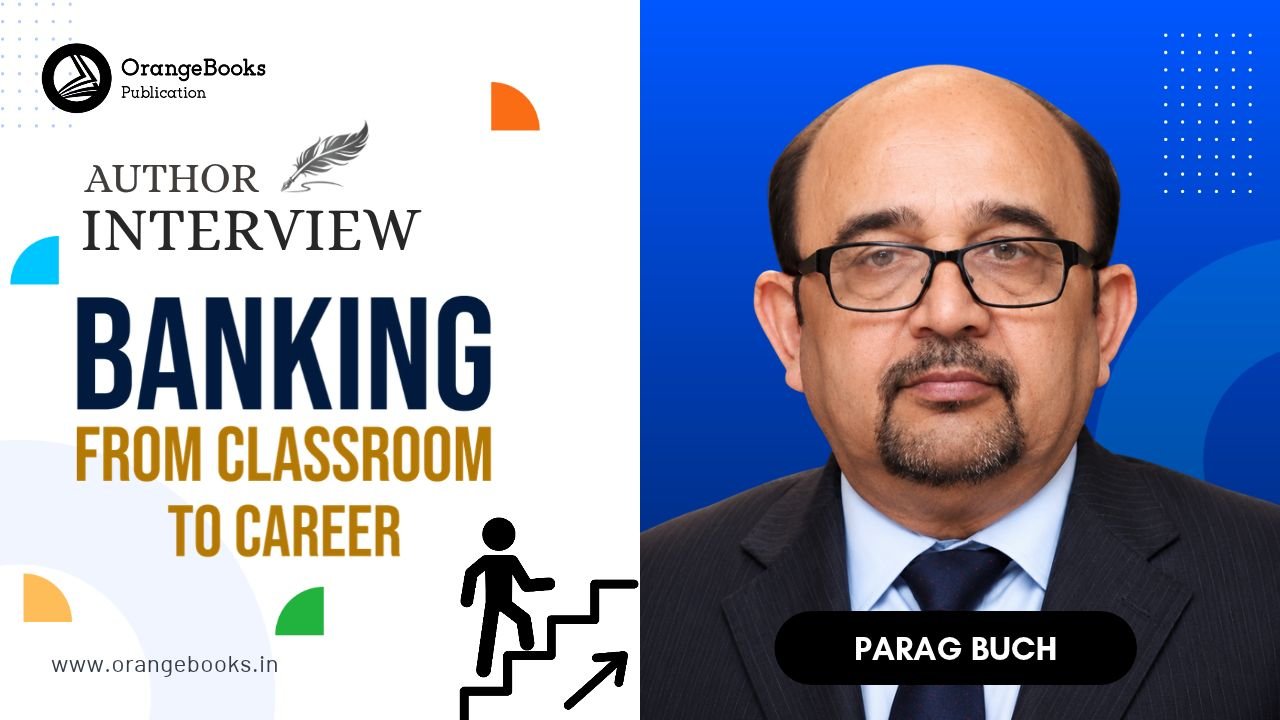
Parag Buch has held senior leadership roles at the State Bank of India for almost two decades, with responsibilities spanning learning and development, digital and transaction banking, and institutional training. He also served as Director of a State Bank Institute of Learning and Development.
Exclusive interview with the author
Q: What Inspired You To Write This Book?
A: During my years at the State Bank of India, including my responsibilities in learning and development and institutional training, I had the opportunity to train and mentor many aspiring banking professionals. I observed that graduates often prepared for recruitment examinations and interviews but did not always have a clear understanding of how banking works in practice. This inspired me to write BANKING: FROM CLASSROOM TO CAREER. My objective is to bridge the gap between academic knowledge and practical banking understanding, helping young people from diverse educational backgrounds approach a banking career with greater confidence and preparedness.
Q: Can You Tell Us About The Book?
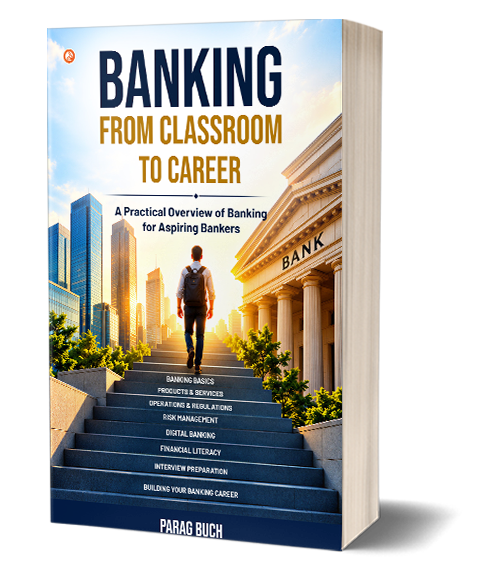
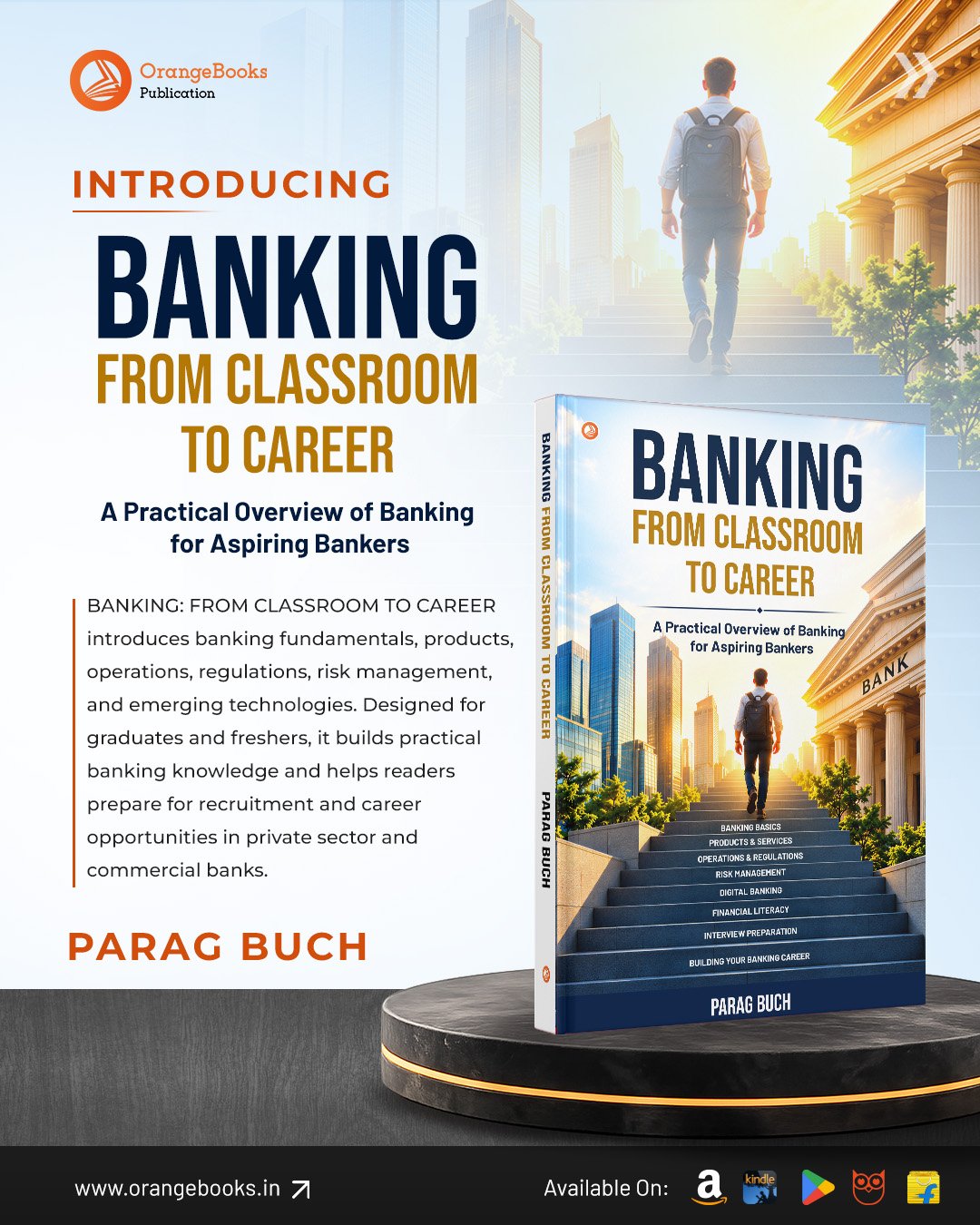
A: BANKING: FROM CLASSROOM TO CAREER: A Practical Overview of Banking for Aspiring Bankers introduces readers to the fundamentals of banking, its products and services, operations, regulations, risk management, technology and emerging trends. It also covers essential financial knowledge, practical banking terminology and preparation for banking interviews. The book is designed primarily for fresh graduates and aspiring bankers, regardless of their academic background. Its five-part structure takes readers from understanding the banking system to preparing for a career in the sector. The final part includes practical guidance and a question bank to support interview preparation.
Q: What Does The Title Mean?
A: The title BANKING: FROM CLASSROOM TO CAREER represents the transition from learning concepts to applying them in professional life. A student may understand definitions and prepare for examinations, but a banking career also requires practical understanding, customer awareness, ethical conduct, adaptability and a willingness to keep learning. The book is intended to help readers make that transition with a stronger foundation. I believe that entering a profession is not simply about securing a job; it is about preparing oneself to perform responsibly, earn trust and contribute meaningfully to the institution and its customers.
Q: What did you learn while writing the book?
A: Writing this book reinforced my belief that knowledge becomes valuable when it can be explained clearly and applied practically. Banking is a broad and constantly evolving field, but its essential concepts can be made accessible when they are presented in a structured and learner-friendly manner. I also recognised the importance of distinguishing enduring principles from information that changes, such as regulatory requirements, interest rates and banking procedures. For aspiring bankers, understanding the concept is essential, but so is knowing where to verify the latest information. Above all, the experience reminded me that education should build understanding, confidence and professional responsibility, not merely prepare someone to pass an examination.
Q: Was any character inspired by a real person?
A: This book is a practical educational resource, not a work of fiction, so it does not contain fictional characters in the conventional sense. Its content draws on my professional experience in banking, training and mentoring, together with reference material used to explain banking concepts. The book is intended to reflect the practical learning needs of aspiring bankers rather than portray the story of any one individual. Its central focus is the learner who is preparing to enter the banking profession and develop the knowledge and professional outlook needed for a successful career.





Q: What does success mean to you?
A: For me, success is not measured only by designation, recognition or personal achievement. It is also measured by the value one creates for others and the strength of the institution one leaves behind. My experience in banking leadership and training has taught me that developing people, strengthening systems and encouraging responsible decision-making can create a lasting impact beyond one’s own tenure. In the context of this book, success would mean that a reader gains a clearer understanding of banking, performs better in the recruitment process and begins a career with the confidence to keep learning and serving responsibly. Ultimately, I believe success is not only about what we achieve, but also about what becomes stronger because we served.
Q: What advice would you give to aspiring authors?
A: My advice is to begin with a clear purpose. Ask yourself whom you want to help, what you want the reader to understand, and why your book is needed. Write from genuine knowledge and experience, but remain willing to research, verify facts and learn from others. Do not rush to publish simply to complete a project. Structure your material carefully, use clear language, maintain consistency and review the manuscript repeatedly. Feedback from readers and editors is valuable, but the author must remain responsible for accuracy and quality. Most importantly, write for the reader rather than for recognition. A book earns its value when it informs, guides or helps someone take a meaningful step forward.
This book is published by OrangeBooks Publication. All rights are reserved with the author & the publisher.