- November 25, 2026
Dr. Chinkholal Thangsing Talks About His Book “THE KUKI POLITICAL MOVEMENT”
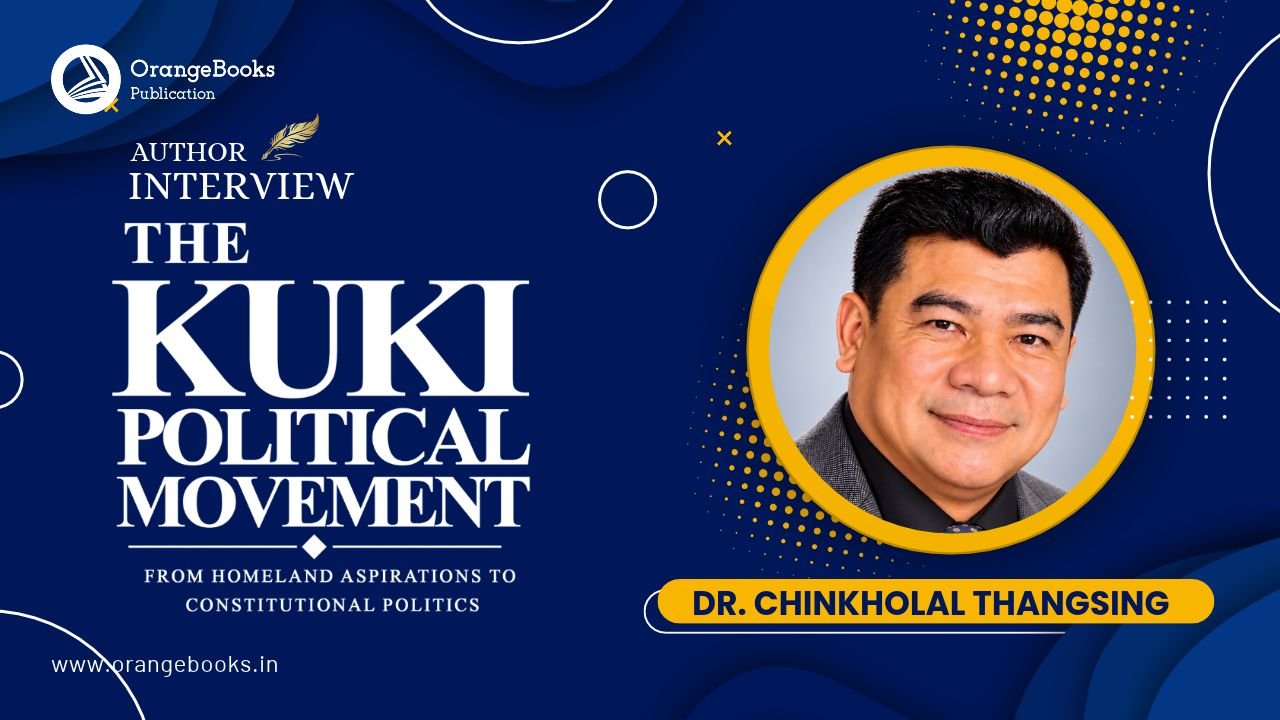
About the Author:
Dr. Chinkholal Thangsing, MBBS, FCAMS, is a physician, public health leader, humanitarian, and community leader whose work spans HIV/AIDS care, community health, and humanitarian initiatives across India and the Asia-Pacific. He was awarded the Royal Order of Sahametrei by the Royal Government of Cambodia for his humanitarian service. He founded The Touch of Hope Foundation, Touch of Hope Healthcare, and Lamka – City of Hope. He served as Asia Pacific Bureau Chief of the Los Angeles-based AIDS Healthcare Foundation (AHF). His community leadership has included Kuki Inpi, the Kuki People’s Alliance, ARK, CRK, and ZORO Northern Zone. His work reflects a lifelong commitment to health, dignity, and community.
Exclusive interview with the author
Q: What Inspired You To Write This Book?
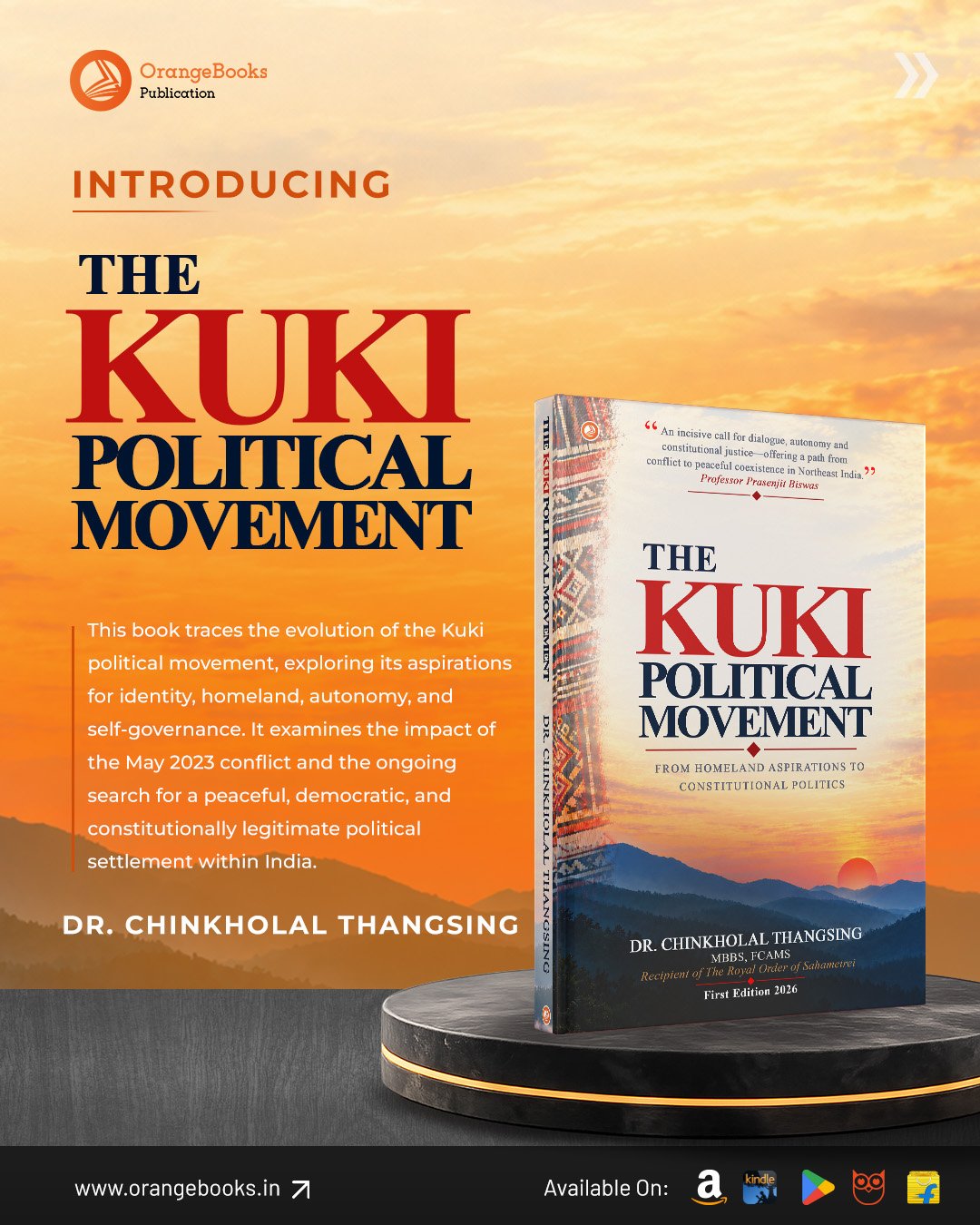
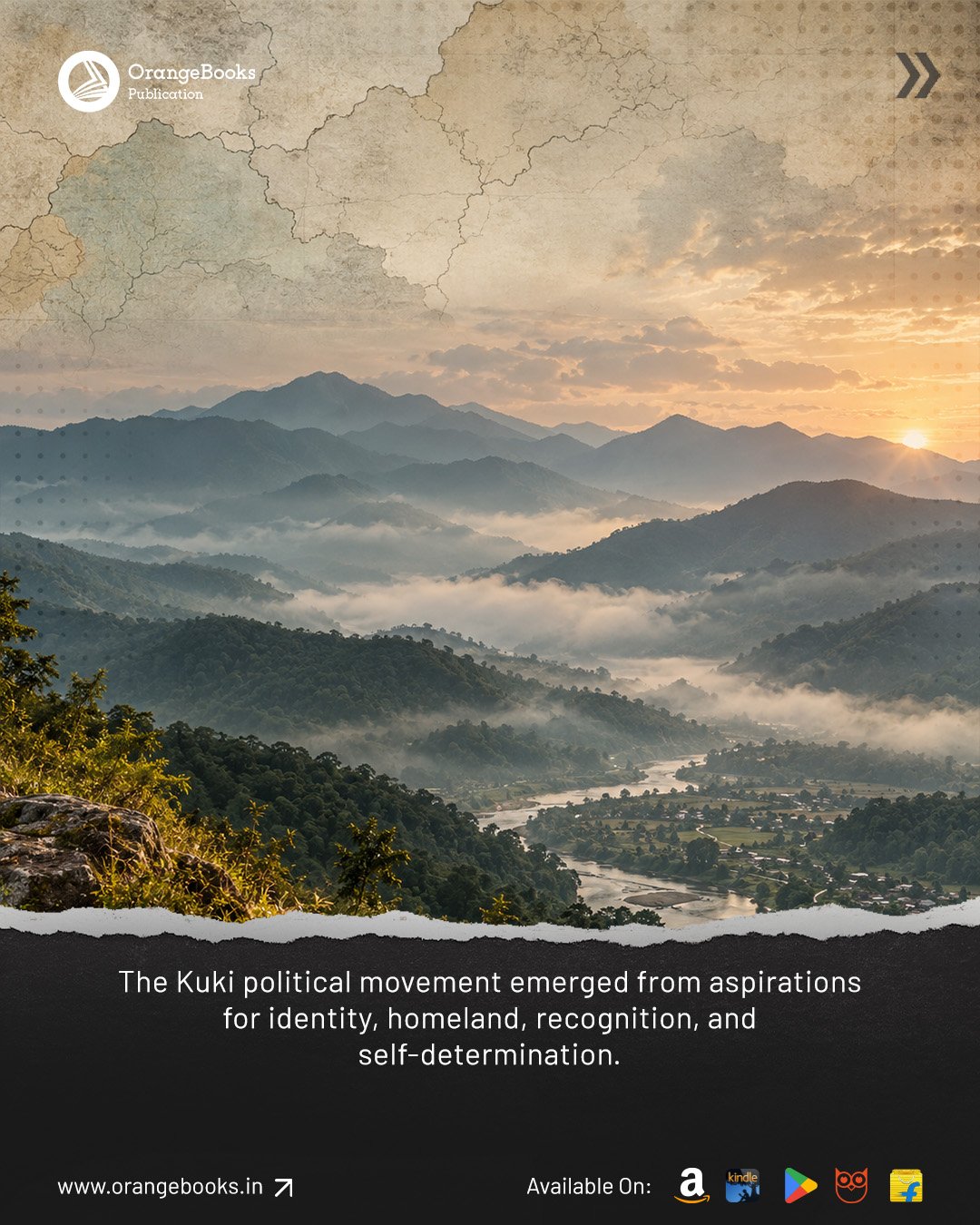
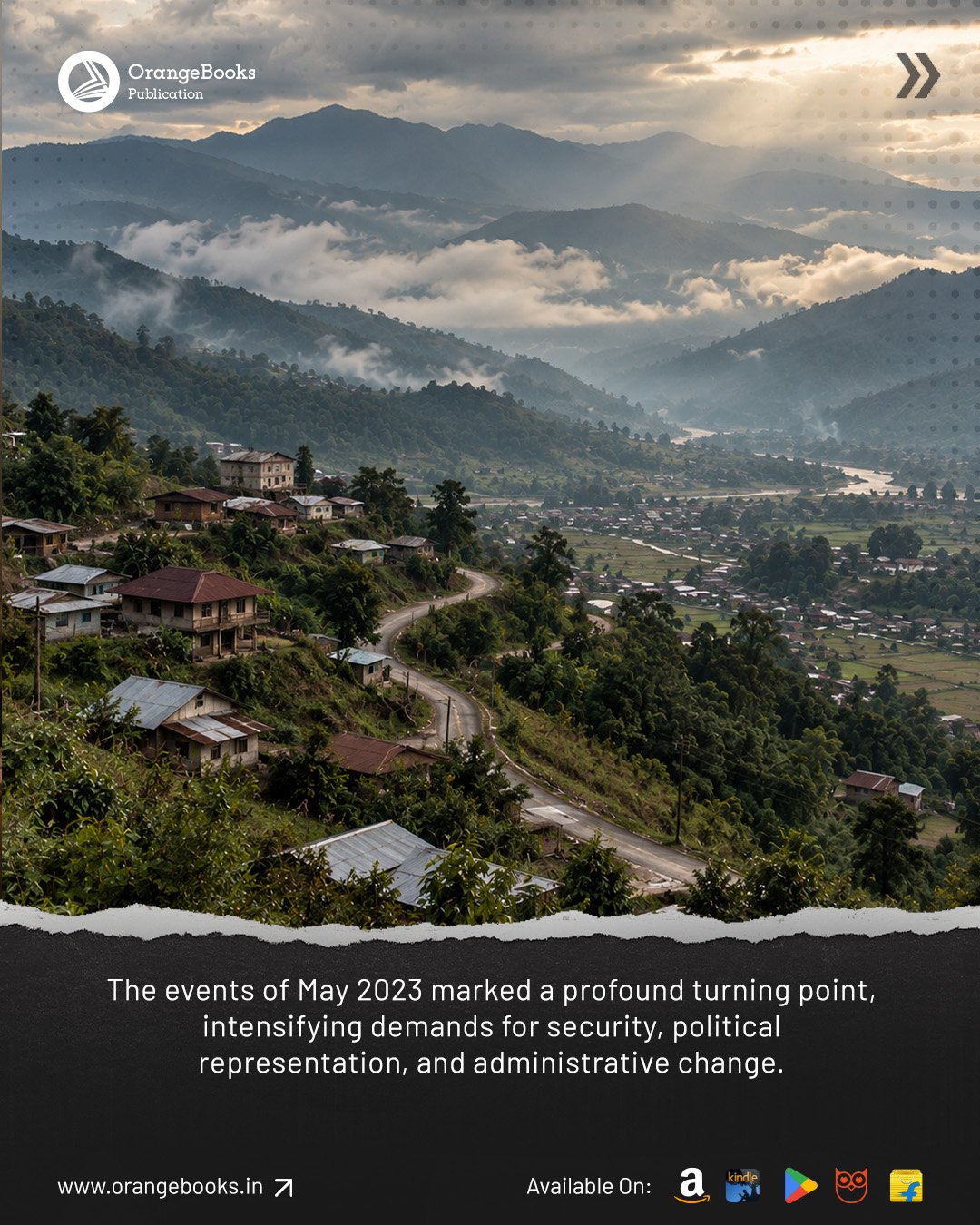
A: I was inspired by the need to document the evolution of the Kuki political movement and understand how its aspirations have changed over time. The events of May 2023 marked a decisive turning point. I wanted to examine the movement’s history, leadership, political choices, and search for a constitutional settlement.
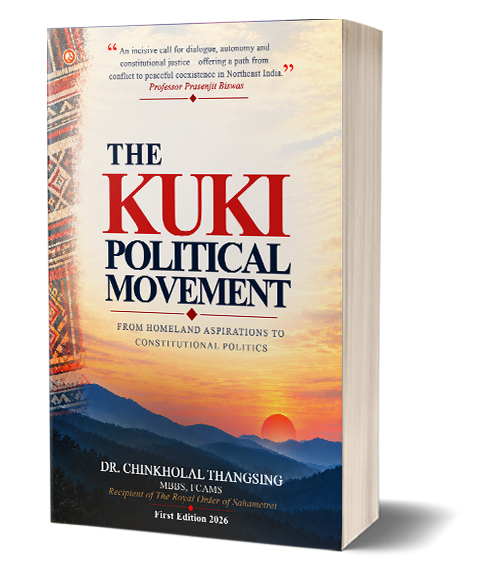
Q: Can You Tell Us About The Book?
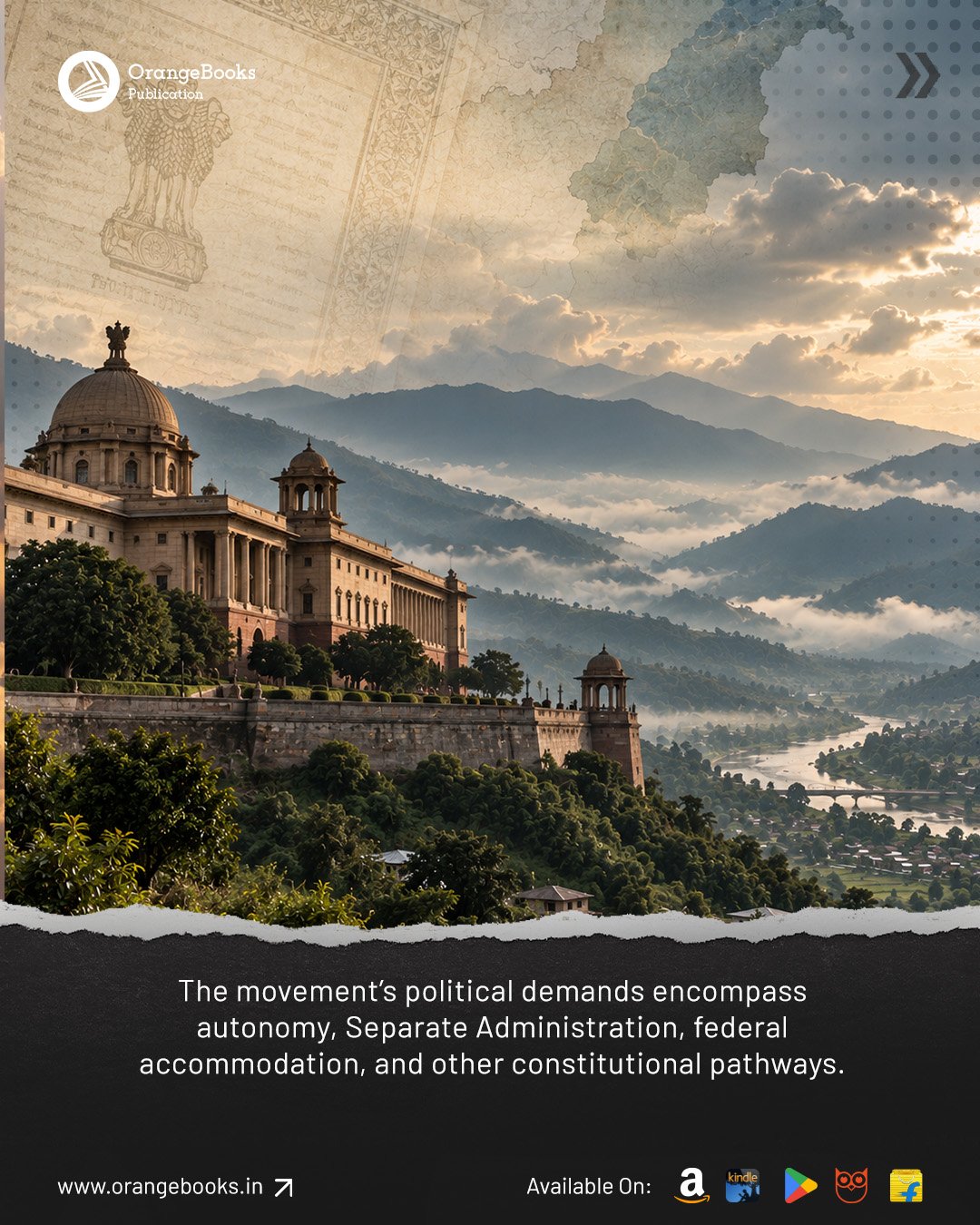
A: The Kuki Political Movement: From Homeland Aspirations to Constitutional Politics traces the movement’s historical foundations, evolving political demands, and negotiations for security and self-governance. My book on Dr. Seilen Haokip examines his role as a political voice articulating the movement’s aspirations, particularly during the profound political changes following the 2023 ethnic violence.
Q: What Does The Title Mean?
A: The Kuki Political Movement represents a continuing struggle to define political identity, security, and self-governance. The subtitle, From Homeland Aspirations to Constitutional Politics, highlights the evolution of its political vocabulary. The Political Voice of the Kuki Movement focuses on Dr. Seilen Haokip’s role in articulating these aspirations and communicating them within the wider political arena.
Q: What did you learn while writing the book?
A: I learned that political movements are rarely linear. Their objectives, strategies, and language evolve in response to historical circumstances, conflict, leadership, and negotiations. The Kuki movement’s transition from homeland aspirations to constitutional proposals illustrates the difficult balance between political ideals, practical realities, community expectations, and the search for a sustainable future.
Q: Where do you get your information or ideas for your books?
A: My ideas arise from observing political developments, engaging with community concerns, and reflecting on the history of the Kuki people. I draw on published material, public statements, historical accounts, political developments, and available documentary evidence. I also consider how events are understood by different stakeholders, while distinguishing documented facts from interpretation and political claims.
Q: Do you try more to be original or to deliver what readers want?
A: I prioritise an independent and evidence-based examination of the subject. The Kuki political movement deserves to be understood beyond slogans and immediate political reactions. I want readers to examine how its aspirations have evolved, what constitutional options exist, and what challenges remain. My responsibility is to encourage informed thinking rather than simply confirm existing opinions.
Q: What is the most difficult part about writing for you?
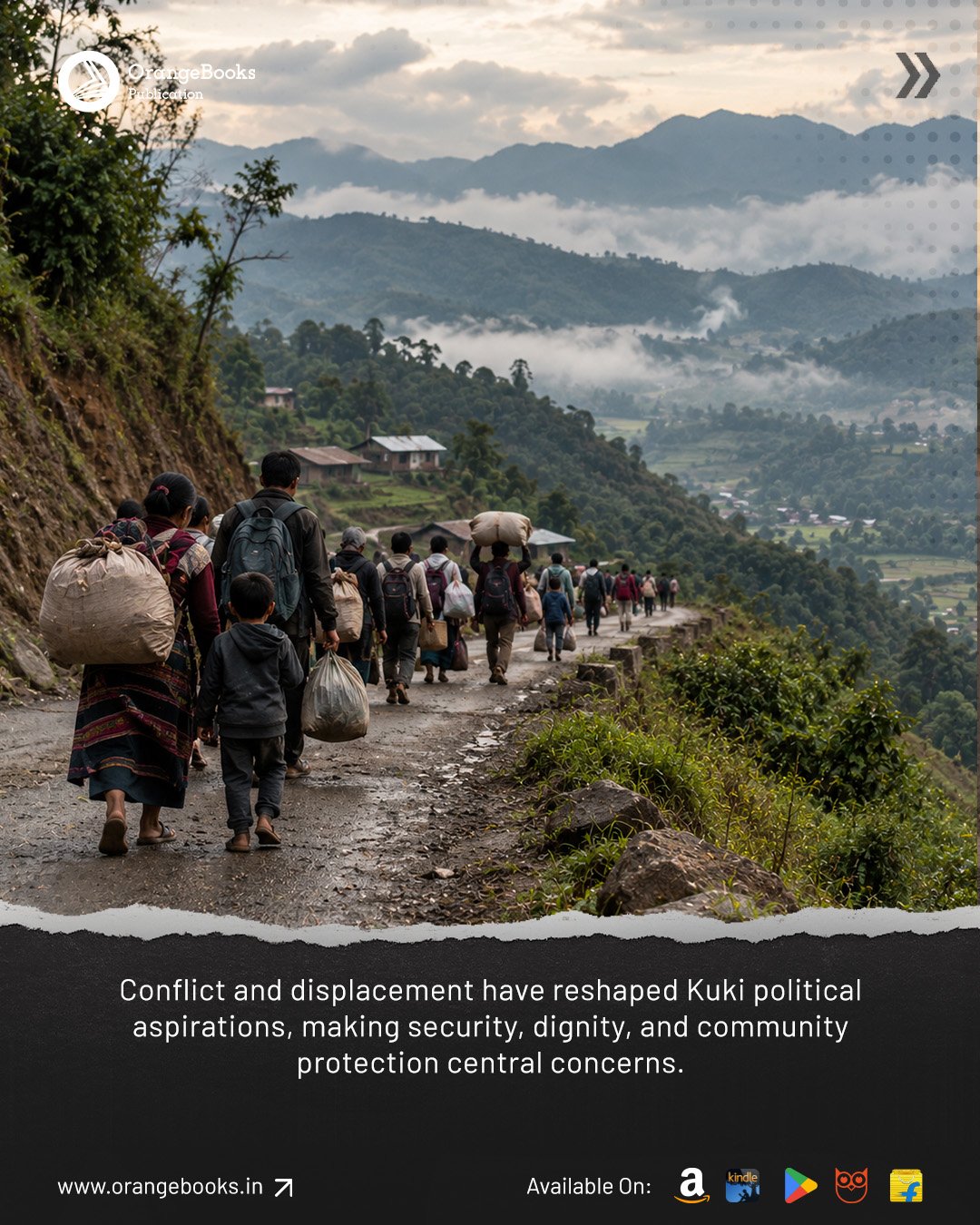
A: The most difficult part is analysing a sensitive political movement without oversimplifying its history or aspirations. The Kuki question involves identity, security, displacement, territorial concerns, and constitutional arrangements. These subjects generate strong emotions and differing interpretations. My challenge is to examine them critically while remaining attentive to historical context, community concerns, and the importance of a peaceful political future.
Q: What does success mean to you?
A: Success would mean helping readers understand more clearly and encouraging a more informed discussion about future. If the books help young people understand the historical background, help leaders reflect on political choices, or contribute to constructive constitutional dialogue, I would consider them worthwhile. Their lasting value would lie in the understanding they generate.
Q: Where Do You Get Your Greatest Ideas For Writing?
A: My ideas often emerge from important political developments and questions that remain unresolved. The events of May 2023 prompted serious reflection on the future of the Kuki people and the political arrangements necessary for security and self-governance. I also draw ideas from observing leadership, negotiations, public debate, and the gap that can exist between political aspirations and practical outcomes.
Q: What advice would you give to aspiring authors?
A: Study your subject carefully, write with conviction, and remain open to evidence that challenges your assumptions. If you are documenting a political movement, preserve important records, establish a reliable chronology, and listen to different perspectives. Do not write merely to capture the moment. Aim to produce a work that future generations can consult to understand what happened, why it mattered, and what lessons it offers.
This book is published by OrangeBooks Publication. All rights are reserved with the author & the publisher.