- November 27, 2026
Pratyush Singh Talks About His Book “Echoes of the Peaks”
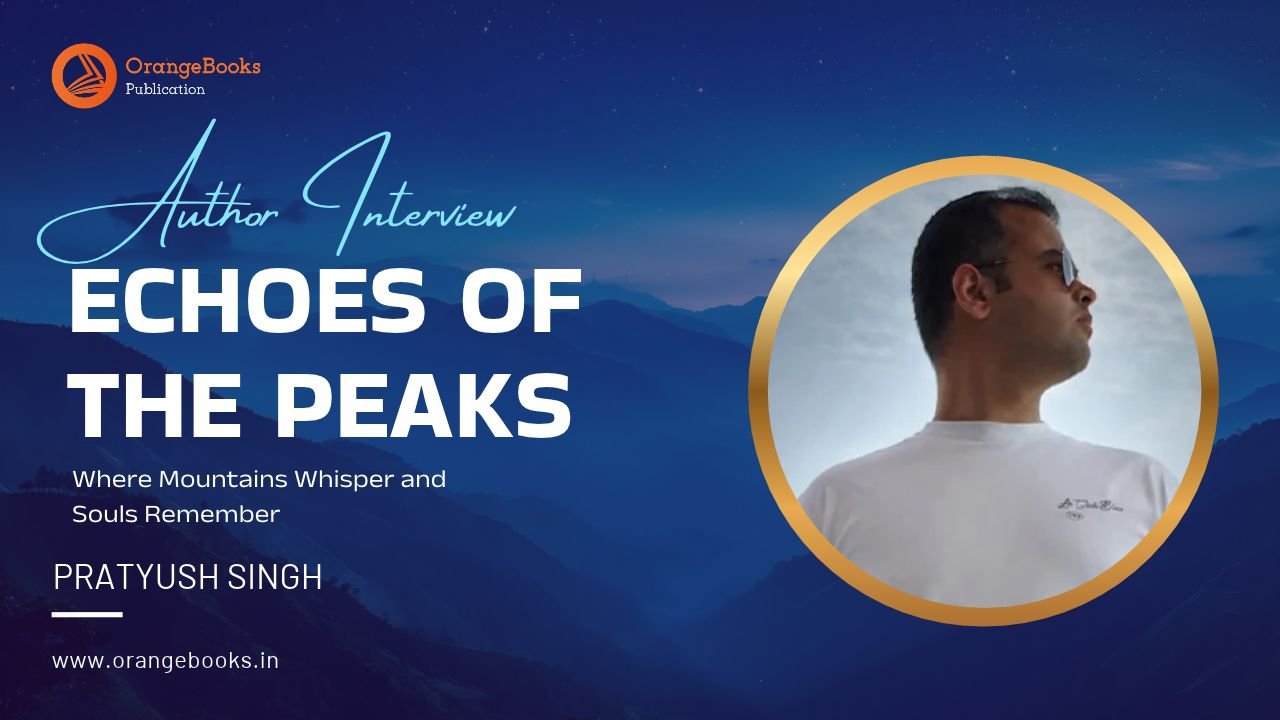
About the Author:
Pratyush Singh is an Assistant Lecturer at the Institute of Hotel Management, Catering & Nutrition, Pusa, New Delhi. Beyond his professional life, he is a passionate traveller and a spiritual seeker who finds solace, inspiration, and a deeper sense of purpose in the mountains, particularly the sacred Himalayas and their ancient temples. His interests extend to the iconography of ancient Indian temples, through which he explores the artistic, cultural, and spiritual narratives embedded in India’s heritage. An aspiring researcher and writer, he enjoys publishing research papers and hopes to contribute meaningfully to the promotion of Indian tourism, heritage, and spiritual travel.
Exclusive interview with the author
Q: What Inspired You To Write This Book?
A: I think the inspiration behind Echoes of the Peaks was not a single moment, but a gradual transformation that I experienced over several journeys to the Himalayas. I began to realise that we spend much of our lives trying to reach destinations—professional milestones, recognition, material achievements, and personal ambitions. Yet, very rarely do we pause to examine the person we are becoming while pursuing them. The real satisfaction, and the ultimate feeling of being content with my life, now, doesn’t come with any of the materialistic luxuries, or achievements. This transformation, as I mentioned, never happened overnight. It was a result of tremendous and multiple experiences. Eventually, I felt that these experiences deserved to be documented—not as a travelogue describing places I had visited, but as an account of what those places had awakened within me. I wrote this book because I wanted to preserve that transformation. And perhaps, if someone reading it finds a little courage, peace, or a different perspective on their own journey, then the purpose of writing it will have been fulfilled.

Q: Can You Tell Us About The Book?
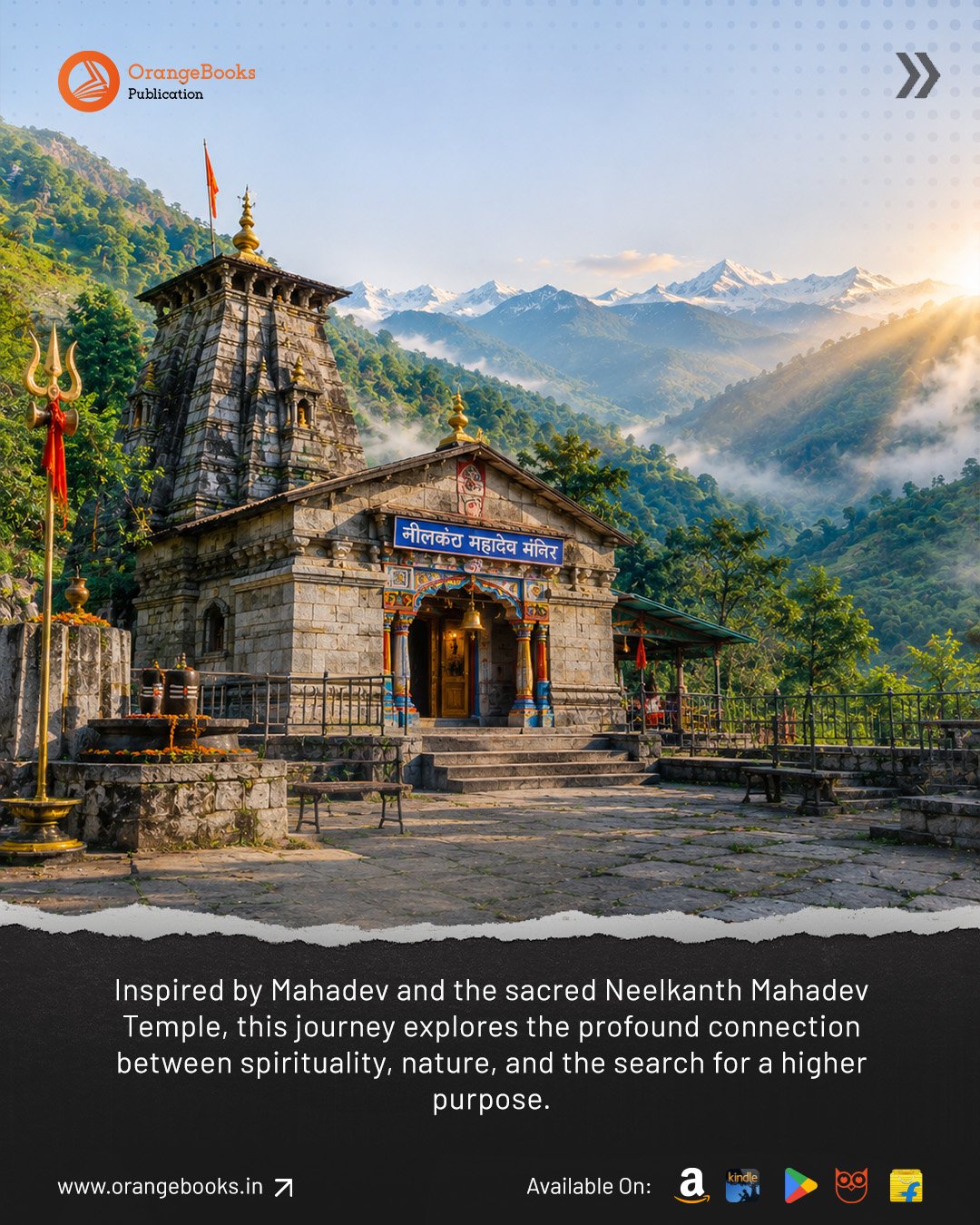
A: The book is not simply about the geography of the Himalayas. It explores much deeper questions: What does it mean to have faith? How do we balance ambition with contentment? Can we surrender without becoming passive? How do we remain grateful when life does not unfold according to our expectations? At its heart, the book is about a person who went looking for mountains and gradually discovered a philosophy of living through them. It does not claim to offer universal answers. Instead, it shares the questions, experiences, and reflections that have shaped my own journey. I would like readers to approach it not merely as a book about my travels, but as an invitation to reflect upon their own journeys.
Q: What Does The Title Mean?
A: The title Echoes of the Peaks has a meaning that is both personal and philosophical to me. An echo is something that remains even after the original sound has disappeared. You may leave a mountain, return to your everyday life, and become occupied with your professional responsibilities and ambitions, but certain experiences continue to resonate within you. They stay with you, sometimes in the form of memories, sometimes as questions, and sometimes as lessons that influence the way you see the world. For me, the peaks represent much more than geographical formations. They represent permanence, patience, humility, and a perspective that is difficult to acquire in the hurried rhythm of everyday life. They have witnessed civilisations, generations, prayers, struggles, and countless human journeys. In comparison, our individual lives are remarkably brief. The word Echoes represents what those mountains have left within me—the spiritual awakening, the reflections, the unanswered questions, and, above all, my evolving relationship with the supreme one. There is also a beautiful thought behind the title: an echo does not necessarily repeat the original sound in exactly the same way. It changes as it travels through space. Similarly, an experience changes meaning as we grow older and understand it differently. I may have physically left the mountains after every journey, but something of those mountains has continued to travel with me. The Himalayas, are living gurus to me.

Q: How long does it take you to write a book?
A: It took me approximately one and a half years to bring Echoes of the Peaks to completion. However, I would say that the actual journey of writing began much earlier than the moment I first started putting words on paper. The experiences that form the foundation of this book were accumulated over several years of travelling, observing, reflecting, and developing a deeper relationship with the Himalayas. The writing process itself took around 18 months, during which I revisited my memories, organised my thoughts, and tried to give a meaningful narrative to experiences that were often deeply personal and difficult to articulate. The most challenging part was not writing about what I had seen, but expressing what I had felt. Describing a majestic landscape, or a temple is relatively easy; communicating the silence, faith, uncertainty, and introspection that one experiences in those places is far more demanding. There were moments when I had to pause, reconsider certain passages, and allow my own understanding of an experience to mature before writing about it. I also realised that writing a book about personal transformation requires a certain degree of honesty. One cannot simply present the lessons one has learnt; one must also acknowledge the questions one still struggles with. So, while the manuscript took 18 months to complete, I believe the experiences behind it are still unfolding.
Q: What does success mean to you?
A: I think my understanding of success has evolved with time. Earlier, like most people, I associated it with achievements, professional growth, recognition, and reaching certain milestones. I still value these things, but I no longer believe they are sufficient measures of a successful life. My journey has taught me that there is a difference between moving upwards and moving forward. We often become so occupied with reaching the next peak that we forget to understand why we started climbing in the first place. To me, success today means building a life in which ambition and contentment can coexist. It is about pursuing meaningful work, continuing to learn, contributing something worthwhile, remaining connected to one’s roots, and having the peace of mind to appreciate what one already has. I also believe success should not come at the cost of one’s inner well-being. I would rather grow at a pace that allows me to remain happy with the person I am becoming than reach a destination and feel disconnected from myself.




Q: What advice would you give to aspiring authors?
A: My advice to young aspiring authors would be simple: write because you have something meaningful to express, not merely because you want to be published. Do not wait for the perfect vocabulary, the perfect idea, or the perfect moment to begin. Start by observing life. Read extensively, travel if you can, listen to people, question your own beliefs, and remain curious about the world around you. An author does not find stories only in extraordinary events; sometimes, the most meaningful stories emerge from the most ordinary experiences. I would also encourage young writers to write honestly. Do not try too hard to sound intellectual or impress your readers with complicated language. The real strength of writing lies in the clarity of thought and sincerity of expression. A reader may forget a beautifully constructed sentence, but rarely forgets a thought that makes them reflect on their own life. And finally, be patient. Writing is not just about putting words on paper; it is about allowing experiences to mature into understanding. Do not measure your journey against someone else’s success or publishing timeline.
This book is published by OrangeBooks Publication. All rights are reserved with the author & the publisher.