- January 28, 2026
‘A Knight of the Seven Kingdoms’ series review: A Hedge Knight shows Westeros how to trim the fat
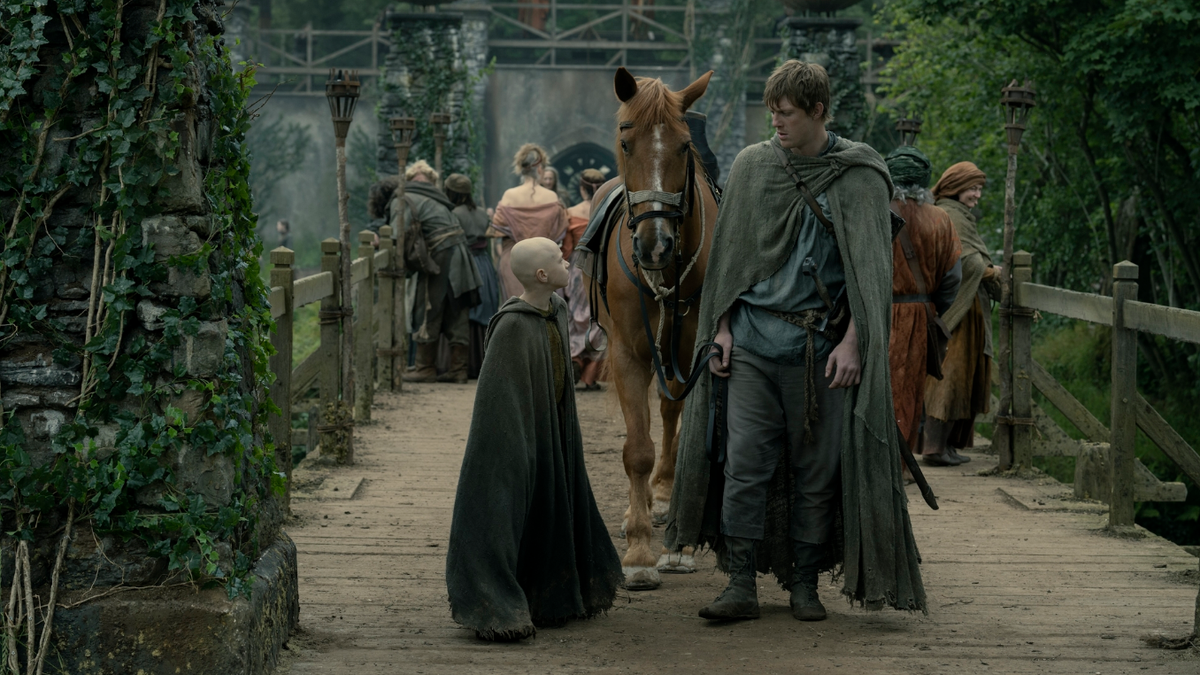
The awaited Westerosi prequel spinoff, A Knight of the Seven Kingdoms, begins with Irish actor and former rugby player, Peter Claffey’s towering simpleton, Ser Duncan the Tall, digging a grave beside a lone tree, which is the most honest piece of staging this franchise has offered in years because it establishes immediately that this story is about labour before legacy and myth. ‘Dunk’ has just lost the hedge knight he squired for, and what that leaves him with is but a handful of possessions, a body trained to obey (at the cost of a few too many clouts in the ear), and a claim to knighthood that no institution is prepared to recognise without witnesses or blood. The series stays close to that problem for its entire six-episode run, and its eschewal to inflate the premise into something grander is the source of both its charm and its bite.
Set roughly ninety years before Game of Thrones, the show adapts George R. R. Martin’s Tales of Dunk and Egg novellas with a whimsy that feels almost radical for a prestige fantasy spinoff. The season unfolds over a few days in and around Ashford Meadow, where a tournament has drawn princes, knights, performers, servants, and opportunists into the same muddy field, and the writing explores that convergence of wannabe heroes looking to prove their chops as a makeshift economy with rules that benefit those who already know how to play them. By keeping the geography tight and the episode count short, the series forces every scene to pull weight. When something goes wrong, there is no adjacent plotline to dilute the impact, and when someone makes a bad decision, the fallout arrives quickly and publicly.
A Knight of the Seven Kingdoms (English)
Creator: Ira Parker
Cast: Peter Claffey, Dexter Sol Ansell, Daniel Ings, Bertie Carvel, Shaun Thomas, Tanzyn Crawford, Rowan Robinson, Finn Bennett
Episodes: 6
Runtime: 30-40 minutes
Storyline: A young and naive but courageous knight, Ser Duncan the Tall, and his diminutive squire, Egg, face a series of dangerous exploits
Claffey plays Duncan as a man whose body keeps promising competence that his circumstances cannot deliver. He is enormous, slow-moving, plainly dressed, and visibly earnest, which causes strangers to overestimate his authority and institutions to dismiss him quickly. Dunk is badly prepared for this environment, but Claffey never leans on charm to smooth that contradiction. He believes in knighthood because it gives structure to his life, and the show repeatedly places him in situations where that belief sounds naïve once it has to compete with regal boredom and legal precedent. Humour grows out of watching Duncan try to behave honourably in systems designed to reward spectacle and cruelty, and the sting is surprisingly effective because the show never lets him off the hook for his ignorance.
The tiny, bald stable-boy Egg, who insists on becoming Duncan’s squire, sharpens that tension. A revelatory Dexter Sol Ansell plays him as observant and socially agile, a child who has learned to read rooms because his safety has depended on it (those familiar with the source material would already know why). Their partnership forms through logistical sentimentality as they negotiate food, shelter, money, and appearances while exploring the tournament, and those conversations do more world-building than any exposition dump ever could. When Egg interrogates Dunk about songs, customs, or rules, he is usually doing so because misunderstanding them carries a cost, and the show uses that friction to explain Westerosi lore to the uninitiated without slowing the story down.
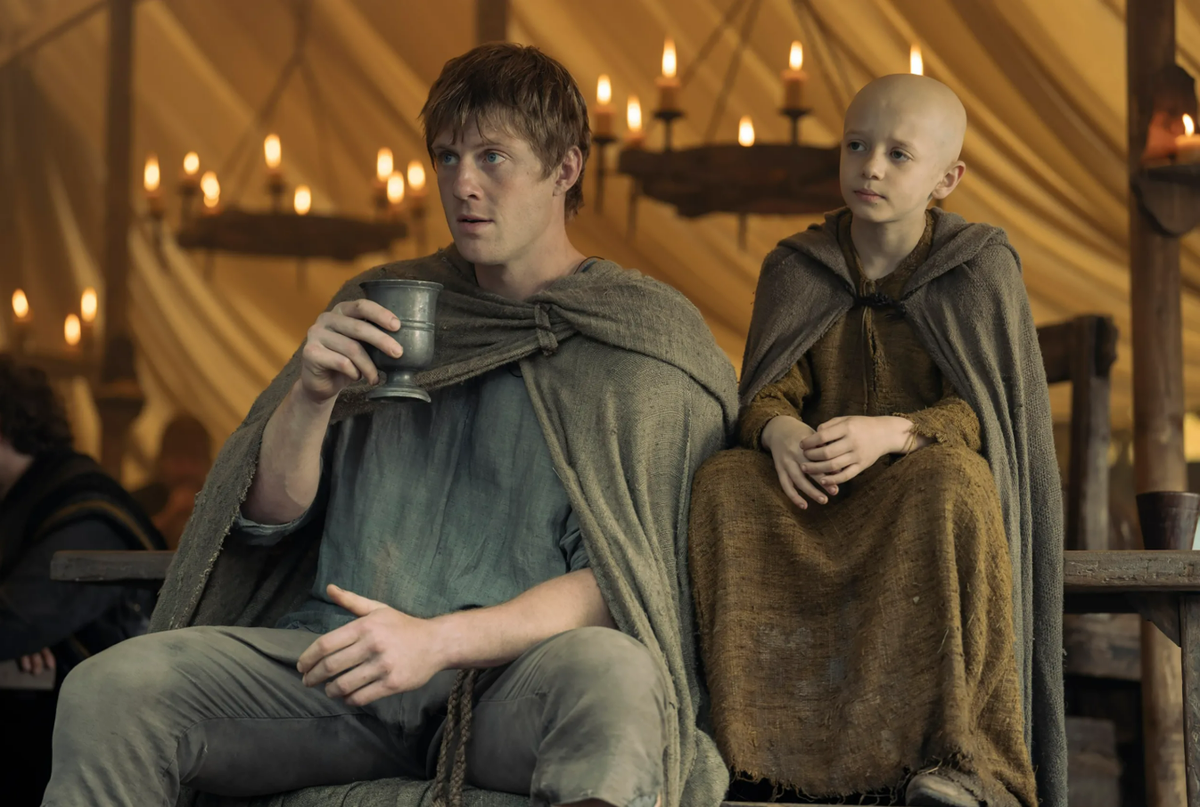
A still from ‘A Knight of the Seven Kingdoms’
| Photo Credit:
HBO
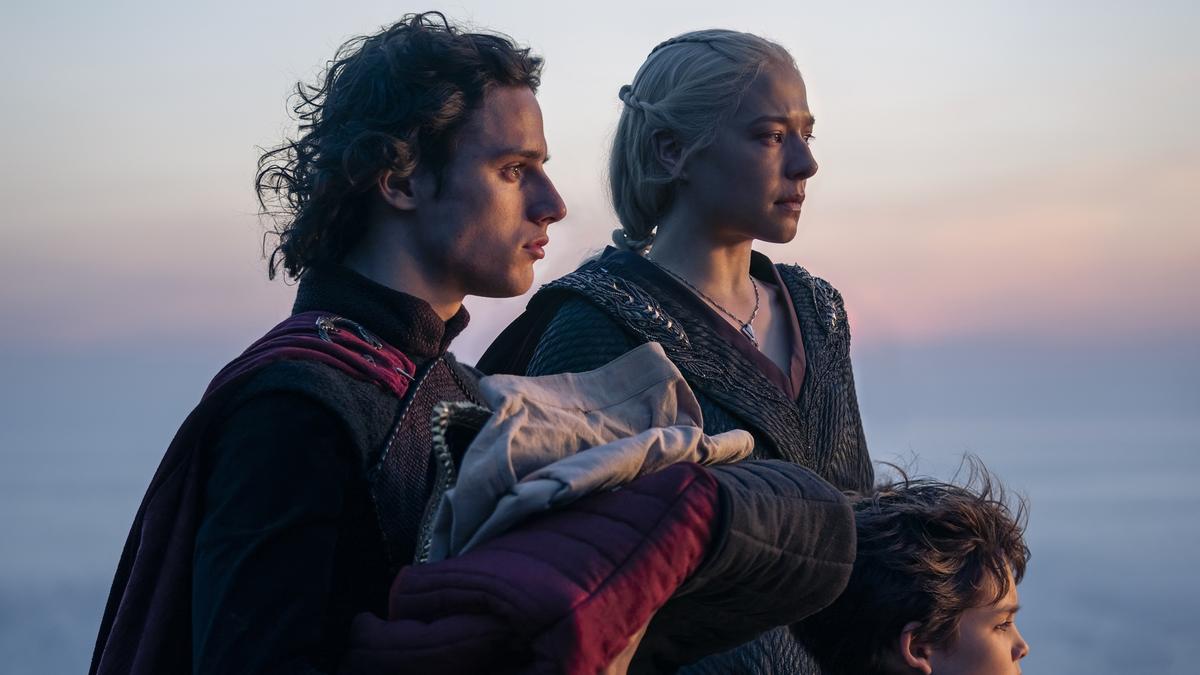
The tournament itself is staged as a hierarchy machine. Knights make merry and rehearse their reputations while servants, merchants, and performers keep the spectacle running, and the series consistently frames these interactions to show who absorbs the labour and who receives the applause. A puppeteer’s dragon draws more wonder than any real one could, partly because it is cheap and full of child-like wonder, far removed from the contrived dragon-back conquests from House of the Dragon’s latest season — the tongue-in-cheek imagery seems to take shots at how hollow the franchise’s usual obsession with scale has become. The show’s best lines often come from people who do not benefit from pageantry and therefore feel free to name its uselessness, and those observations cut deeper than speeches about honour because they come attached to money and exhaustion.

Directors Owen Harris and Sarah Adina Smith shoot the season with an emphasis on proximity and aftermath. The jousts are filmed close enough to register fear and imbalance, and the camera lingers after impact to show what injury actually looks like once the cheering stops. Violence escalates midway through the season through procedure, which makes it colder and more disturbing, because it is written off as sanctioned or justified. The tonal shift from broad, bodily humour in the early episodes to something darker and more punitive later on works because it follows institutional attention. This is a Westeros where harm is administered correctly, and the show understands how unsettling that is when you are standing on the wrong side of the rulebook, outside the patronage of the great houses.
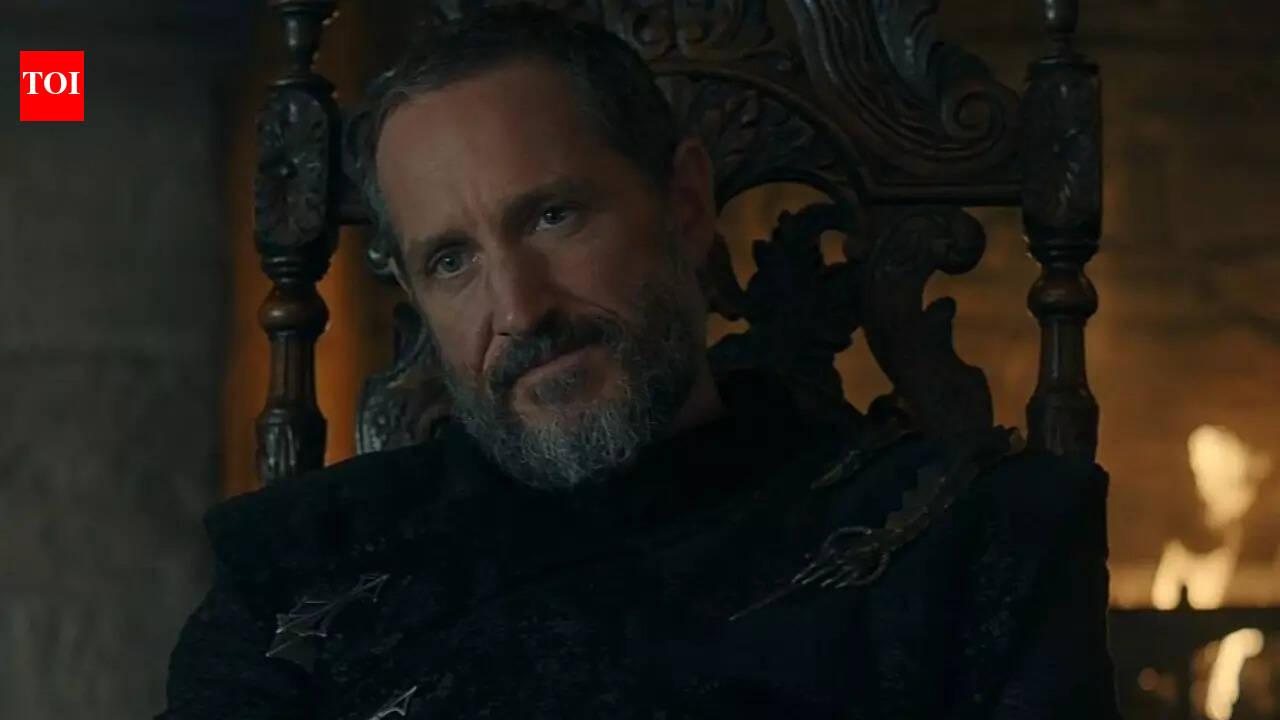
The ensemble remains deliberately limited. There are memorable figures who drift in and out of Duncan’s path, but the series resists the franchise urge to stockpile personalities, preferring instead a handful of sharply drawn presences who arrive, exert pressure, and move on. Daniel Ings’ Ser Lyonel Baratheon is all volume and appetite, his drunken bonhomie functioning as a charming comic relief which is endlessly entertaining. Bertie Carvel’s Baelor Targaryen carries himself with control, projecting a fairness that seldom graces his royal kind. Even the flashbacks to Danny Webb’s Ser Arlan of Pennytree resist nostalgia, presenting him as a half-formed moral influence whose evasions and omissions explain Duncan’s enduring fighting spirit.
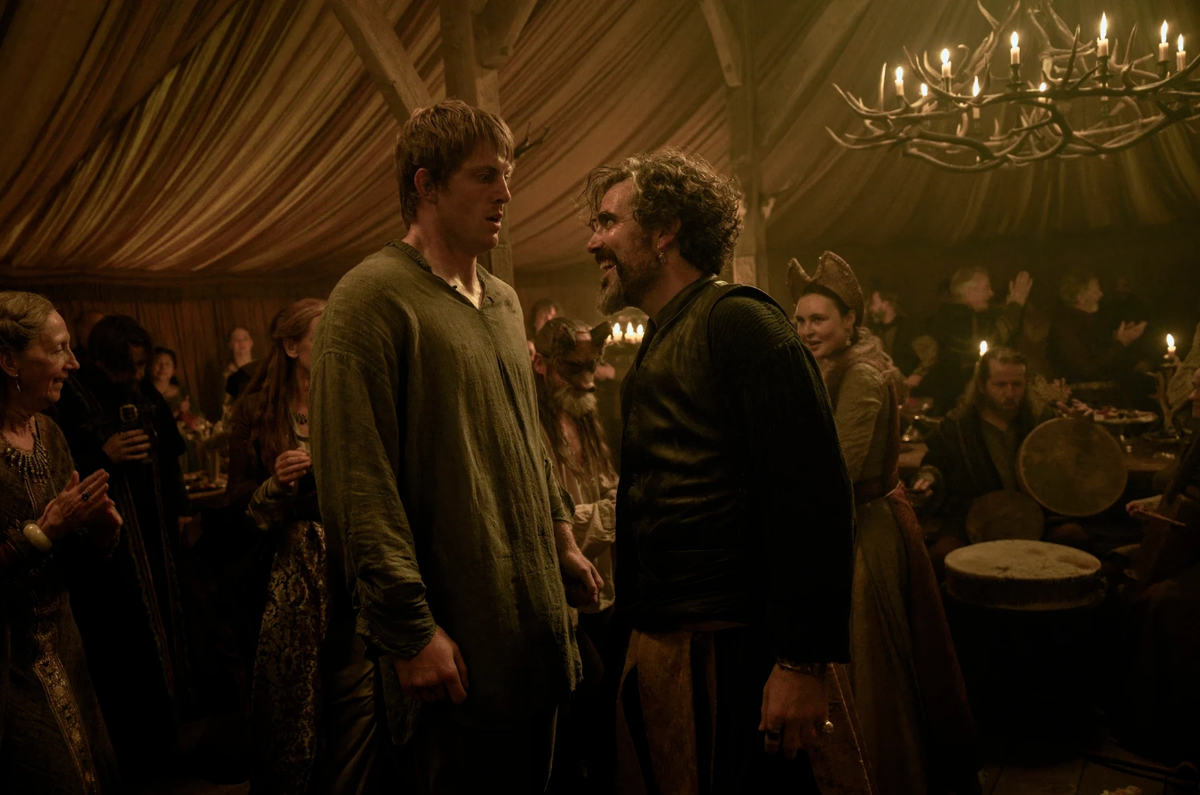
A still from ‘A Knight of the Seven Kingdoms’
| Photo Credit:
HBO
Modest production choices across the series’ Northern Ireland locations reinforce its sense of restraint. Dan Romer’s pretty score favours folk textures over the inherited bombast of GoT veteran Rami Djawadi; the absence of an elaborate title sequence also refuses to front-load mythology. Everything looks lived in, maintained, and slightly uncomfortable, which suits a story about people existing at the mercy of ruthless systems.
What ultimately makes A Knight of the Seven Kingdoms work is that it consistently abdicates the sprawl of its predecessors. Duncan’s commitment to knighthood demands constant upkeep, and Egg’s scepticism functions as a corrective. Their pairing clicks into a well-worn but durable television shape as the oversized protector and the precocious companion — a lineage that runs from The Mandalorian to The Last of Us. This is a tried-and-tested structure recent prestige shows have leaned on heavily because audiences respond to it, and A Knight of the Seven Kingdoms benefits from trusting that engine instead of pretending it has invented a new one.

Compared to Game of Thrones, which built its reputation through accumulation and shock, A Knight of the Seven Kingdoms builds confidence through containment. It understands exactly how much story it has, tells it cleanly, and stops. For a franchise addicted to expansion, that prudence makes Westeros feel, for once, like a place normal people actually have to live in rather than a high fantasy RPG designed to satiate diehards.
A Knight of the Seven Kingdoms is currently streaming on JioHotstar with new episodes premiering weekly.
Published – January 28, 2026 05:30 pm IST