- April 11, 2026
Israel’s New Iran Playbook: Why Neyanyahu No Longer Wants A Quick Victory In Tehran
Last Updated:
Israel’s strategy is about long-term containment through pressure, deterrence, and readiness to strike again, even if that means living with a prolonged, unstable standoff




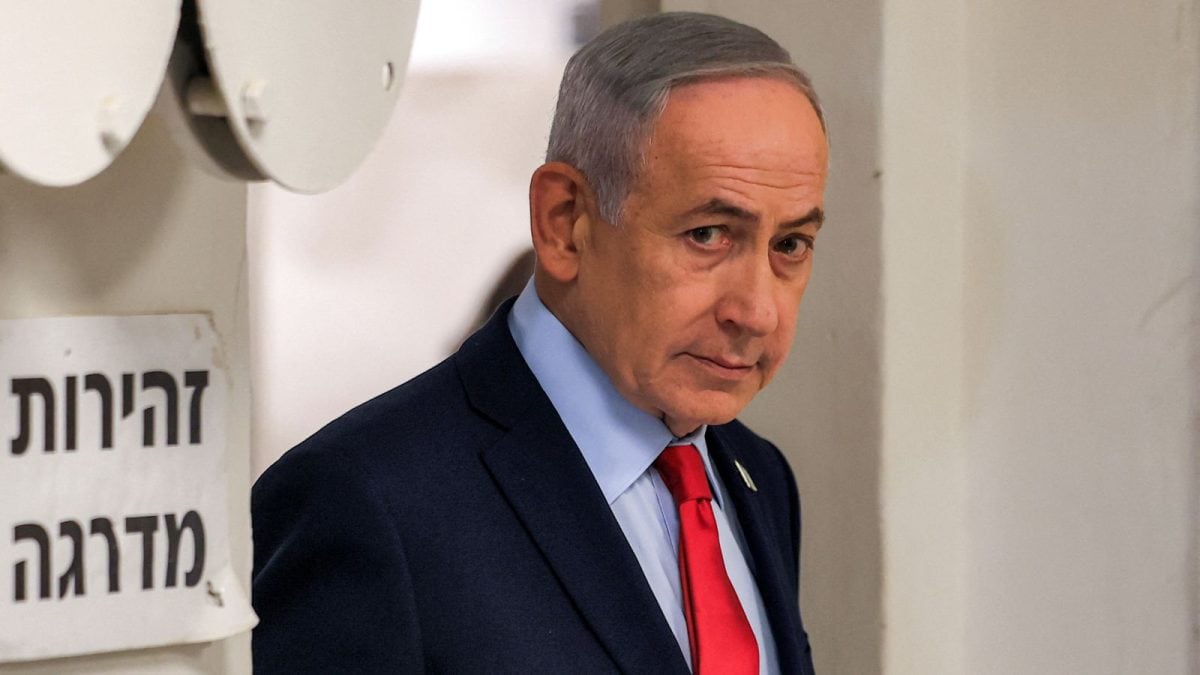
Israel is signalling a doctrine of permanent deterrence rather than decisive victory. (AFP)
When Israel went into the Iran war alongside the United States earlier this year, the objective appeared sweeping: cripple Tehran’s nuclear programme, weaken its regional network, and, most crucially, trigger internal collapse.
That strategy has now shifted.
After weeks of conflict, a fragile ceasefire, and visible friction with Washington, Israel is recalibrating its approach: from seeking a decisive endgame to managing a prolonged confrontation.
From “Decisive Blow” To Open-Ended Conflict
The initial Israeli push, backed by US President Donald Trump, was built on the assumption that sustained strikes could destabilise Iran internally.
ALSO READ | ‘Defeat From Jaws Of Victory’? Why A US-Iran War With No Winners Is Hurting Netanyahu The Most
A New York Times report said the Israeli leadership believed military pressure could spark unrest and potentially lead to regime change, an assessment some US officials privately dismissed as unrealistic, even “farcical.” That expectation, unfortunately for Israel, has not materialised.
Instead, Iran’s leadership has remained intact, and the conflict has dragged on, with continued missile exchanges and regional escalation.
The Shift: Pressure Without Closure
According to Politico, Israel’s emerging strategy is less about ending the war quickly and more about sustained pressure—military, political, and psychological—on Iran.
This includes keeping Iran militarily stretched through periodic strikes, maintaining the threat of escalation even during ceasefire phases, and targeting Iran’s regional footprint, including theatres like Lebanon.
Israeli Prime Minister Benjamin Netanyahu has reinforced this posture publicly, warning that the ceasefire is “not the end” and that Israel remains ready to resume combat at any moment. In effect, Israel is signalling a doctrine of permanent deterrence rather than decisive victory.
Why The Strategy Changed
The biggest reason is that regime change failed to materialise. According to The Guardian, despite high-intensity strikes and leadership decapitation attempts, Iran’s system has proven resilient. Analysts note that instead of collapsing, Tehran has adapted and continued operations.
ALSO READ | Netanyahu’s Political Gains, Trump’s Strategic Setback: Who Is Really Winning The Iran War?
Another key factor is the growing gap between Israeli and American objectives. While Israel appears willing to sustain pressure, the Trump administration is increasingly focused on exiting the conflict and stabilising the region, creating friction over ceasefire terms and timing, Bloomberg reported. Reports of tense calls between Washington and Tel Aviv underscore these differences, particularly over how far military operations should go before negotiations.
Multiple media reports also highlight that the current truce is tactical, not strategic. Continued Israeli strikes in neighbouring theatres and Iran’s leverage, especially via the Strait of Hormuz, mean the conflict remains unresolved, The Guardian noted.
What The New Strategy Looks Like
Israel is no longer betting on a single defining moment. Instead, it is keeping the conflict at a controlled simmer, ready to escalate when necessary.
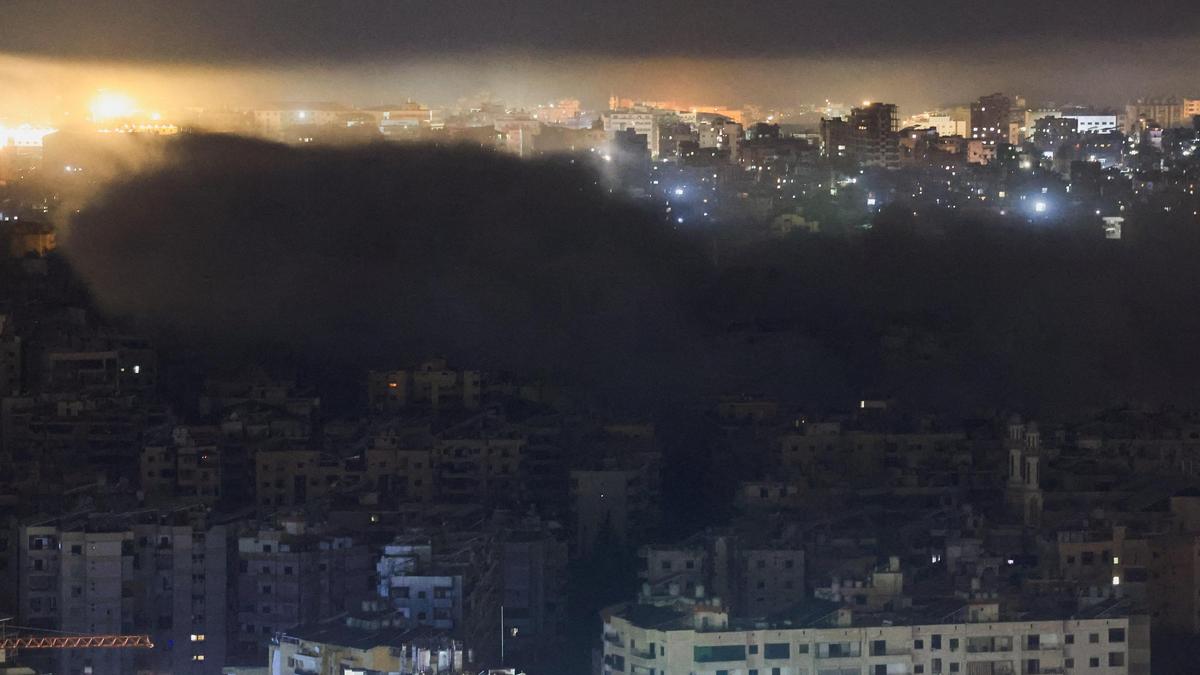
Meanwhile, strikes and signalling in Lebanon and elsewhere suggest Israel is widening the pressure map rather than focusing solely on Iran’s core territory.
Even without a clear military victory, Israel is framing the war as ongoing and unfinished, preserving political space to act again.
The Risks Of This Approach
The evolving strategy comes with significant downsides. According to The Guardian, without a clear endgame, the war risks becoming cyclical. It could also strain US-Israel ties as diverging goals could complicate coordination. Meanwhile, Tehran has shown it can still disrupt global trade and sustain pressure.
Critics argue that the war has already exposed the limits of military-first strategy, with some analysts calling it a conflict with “no winners”.
Israel’s Iran strategy is no longer about a quick, decisive outcome. It is about long-term containment through pressure, deterrence, and readiness to strike again, even if that means living with a prolonged, unstable standoff.
As elections, diplomacy, and regional tensions converge, the bigger question is no longer how the war ends but whether it ends at all.
Jerusalem, Israel
April 11, 2026, 10:03 IST
Read More