- December 29, 2025
One Of The Toughest Terrains On Indian Railway Network Now Fully Electrified — Know Unique Features
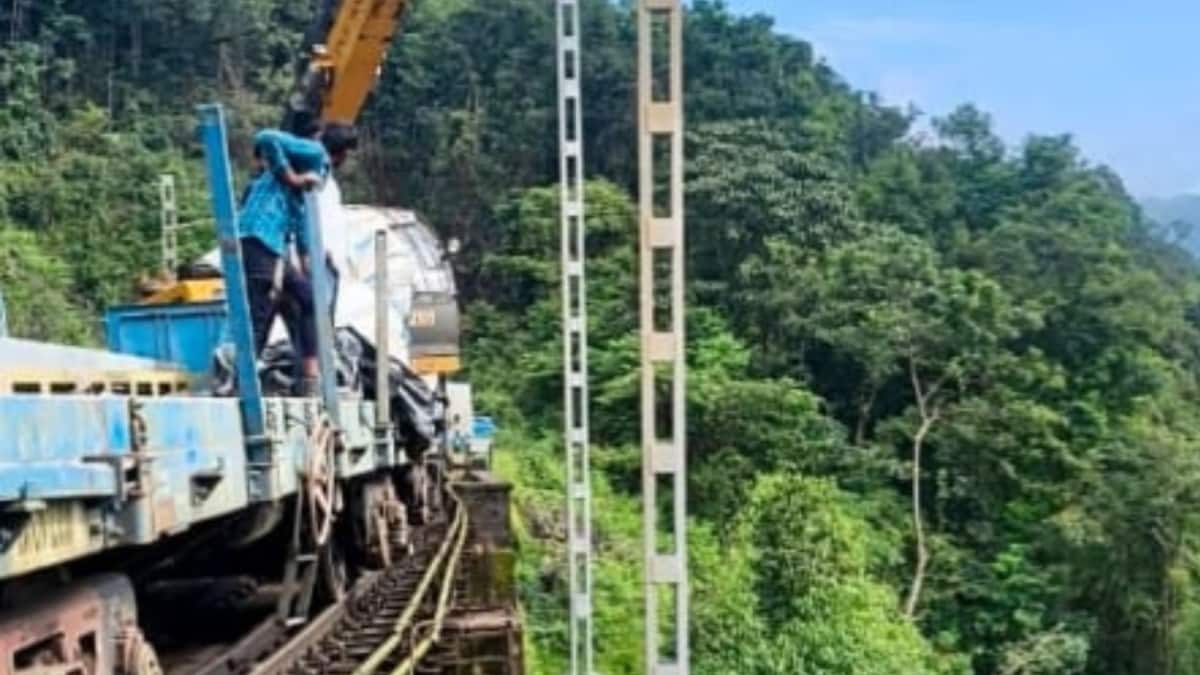
Karnataka boasts of several scenic train routes, one of which is the Sakleshpur–Subramanya Road Ghat Section on the Hassan-Mangaluru route. The complete electrification of the 55-kilometre stretch was completed by the Mysuru Division of the South Western Railway on Sunday, December 28, 2025. (Photo: X/@RailMinIndia)
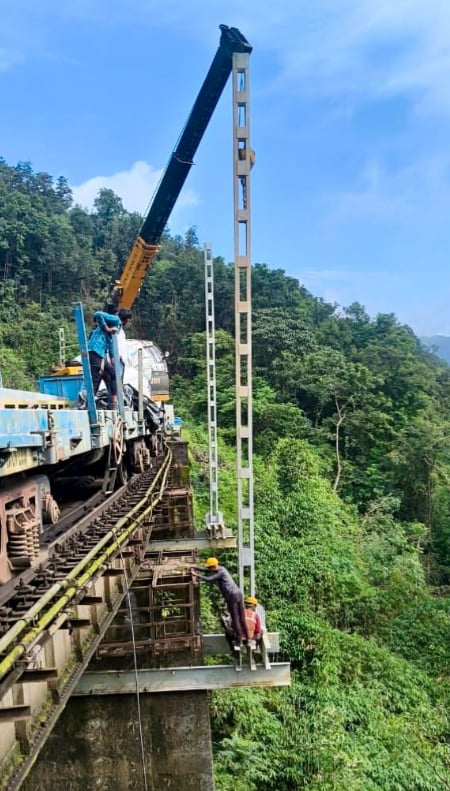
The initiative marks a major boost for railway infrastructure as the stretch is seen as one of the most difficult terrains in the Indian Railway Network. As per The Hindu, a successful trial run of an electric locomotive also took place on December 28, marking the end of a complex engineering effort by the Indian Railways.
(Photo: X/@KARailway)
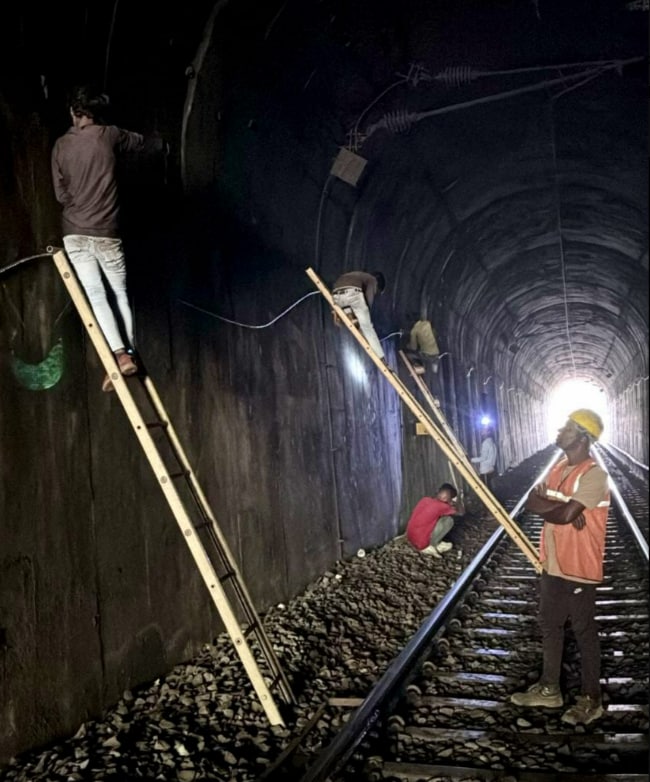
The project was started in December 2023 and incurred a cost of Rs 93.55 crore. The work included the overhead electrification of the entire stretch as well as the construction of five switching stations, the New Indian Express reported. The overhead equipment will have a maximum speed of 120 kmph. The maximum span between two traction poles has been restricted to 67.5 metres to ensure safety and operational reliability.
(Photo: X/@KARailway)
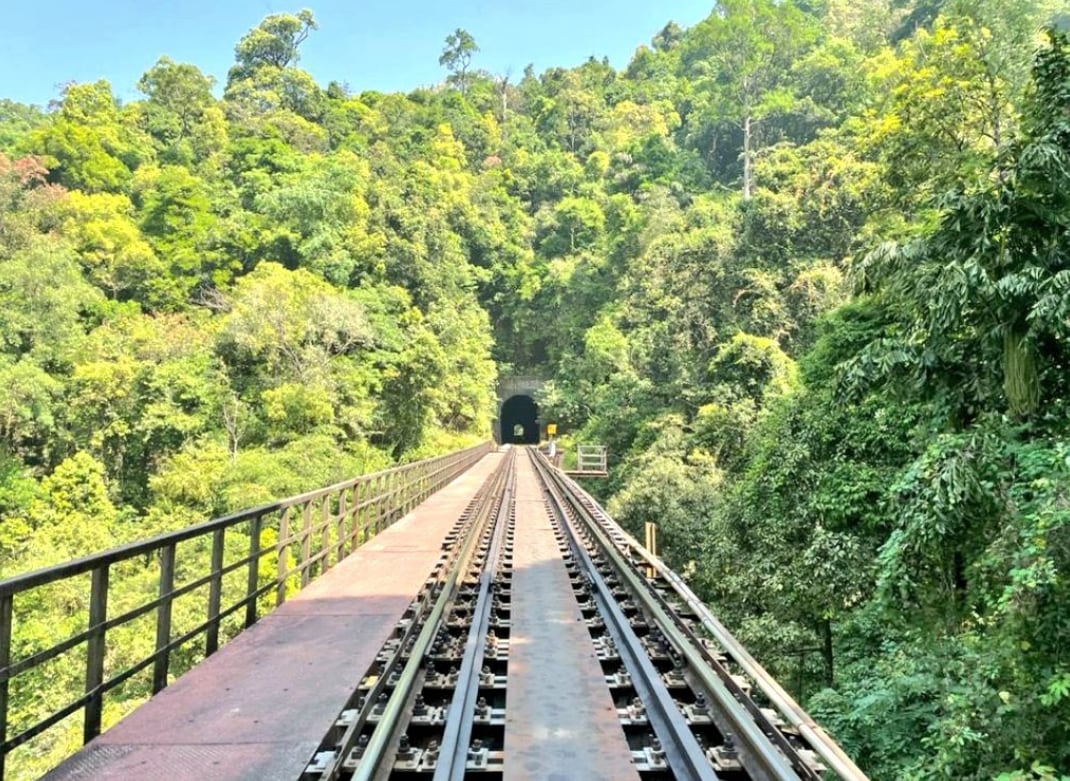
Seen as one of the technically challenging sections of Indian Railways, the Sakleshpur–Subramanya Road Ghat Section includes a steep 1-in-50 gradient. This means that the track rises by one metre for 50 metres of the route that is covered. The stretch features 258 bridges, 57 tunnels, and 108 sharp curves.
(Photo: X/@RailMinIndia)
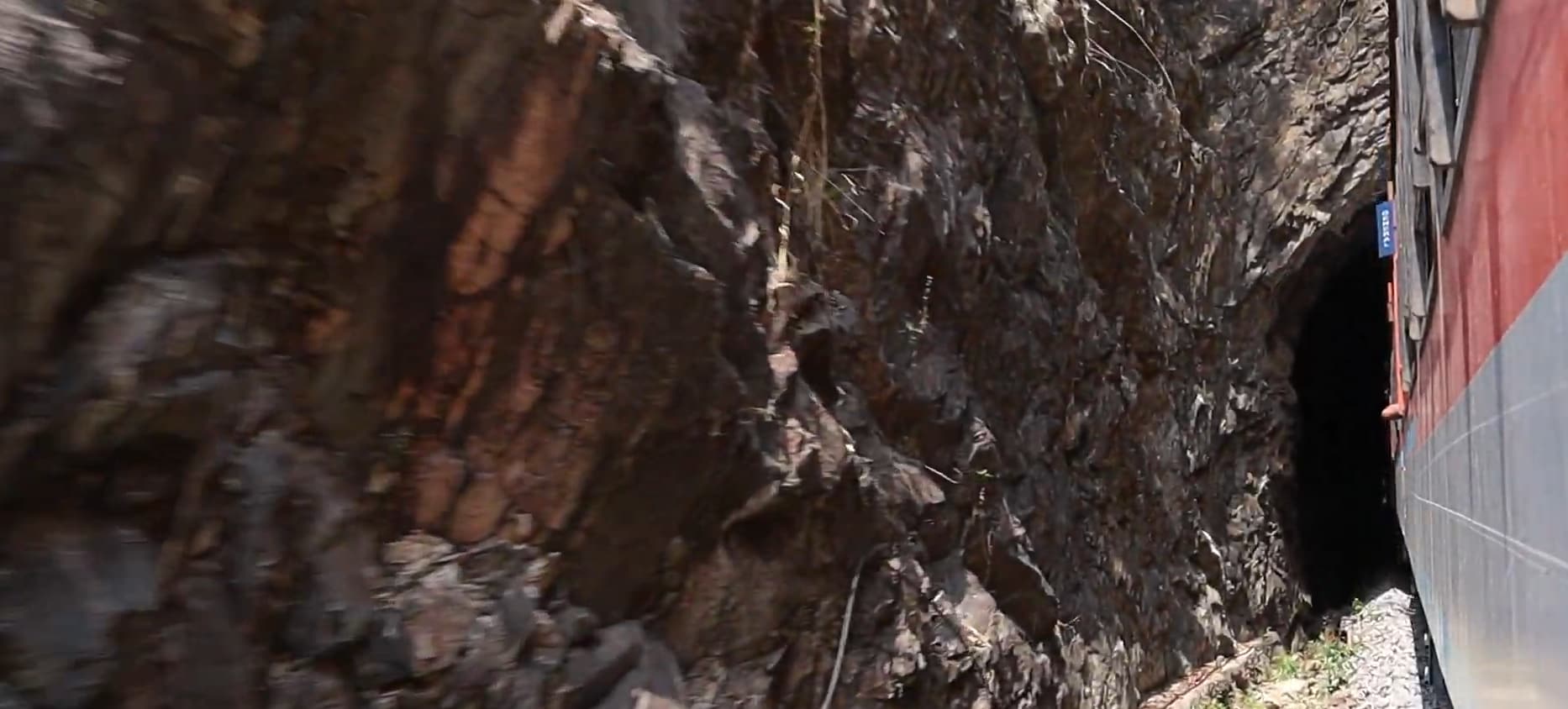
The region features inclines extending up to 830 metres and steep gradients. It is highly prone to landslides, which meant execution of electrification works was exceptionally complex for the authorities. Workers faced challenges such as heavy monsoon, frequent soil erosion, landslides and rockfalls while transporting equipment and materials to remote and inaccessible locations. (Photo: YouTube/TheRailChannel )
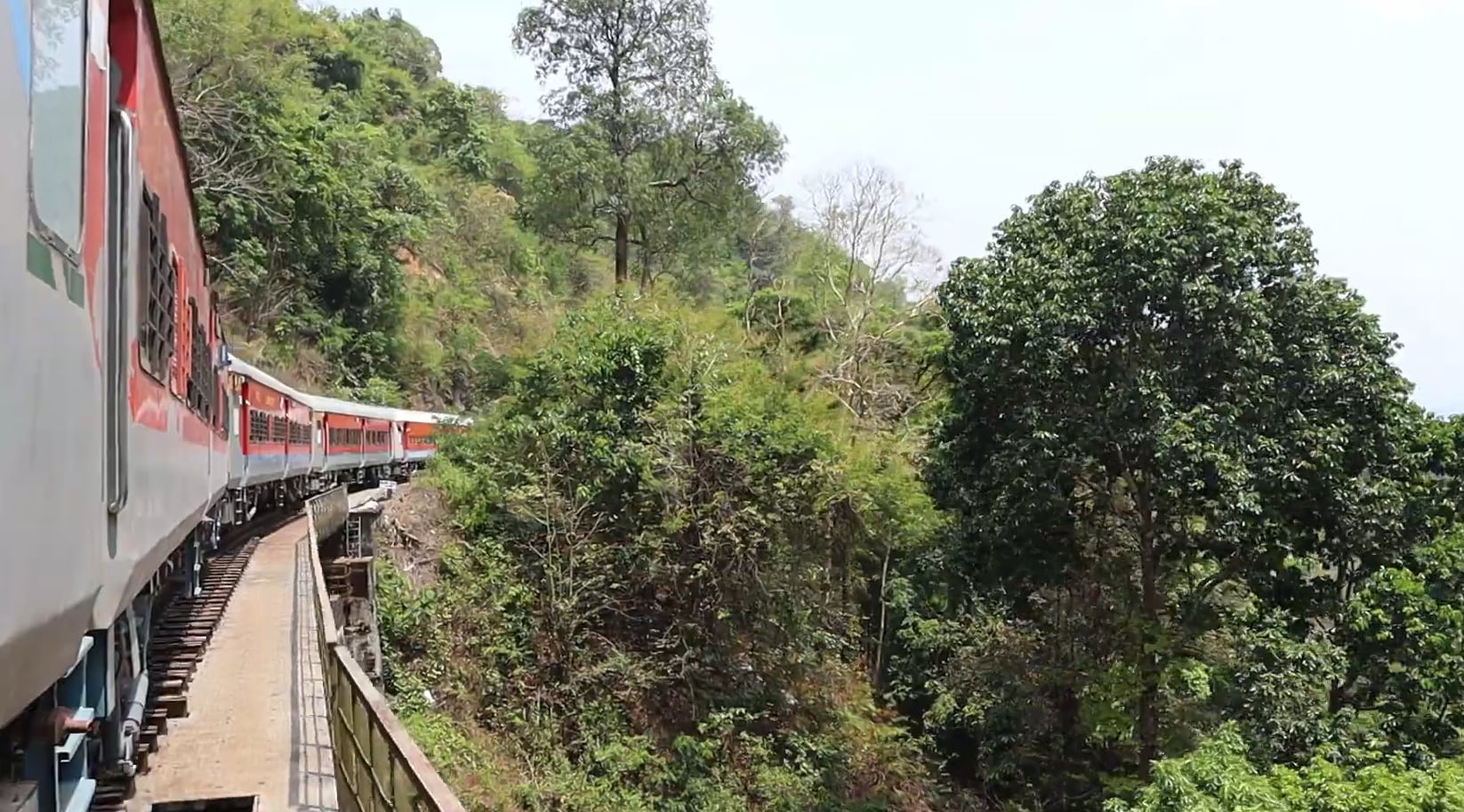
The project required specialised equipment and robust engineering designs to ensure the overhead system had proper tension and stability. A total of 419 main brackets were installed for the overhead equipment within the 57 tunnels along the section. An equal number of spare brackets were also installed in the same stretch. (Photo: YouTube/TheRailChannel )
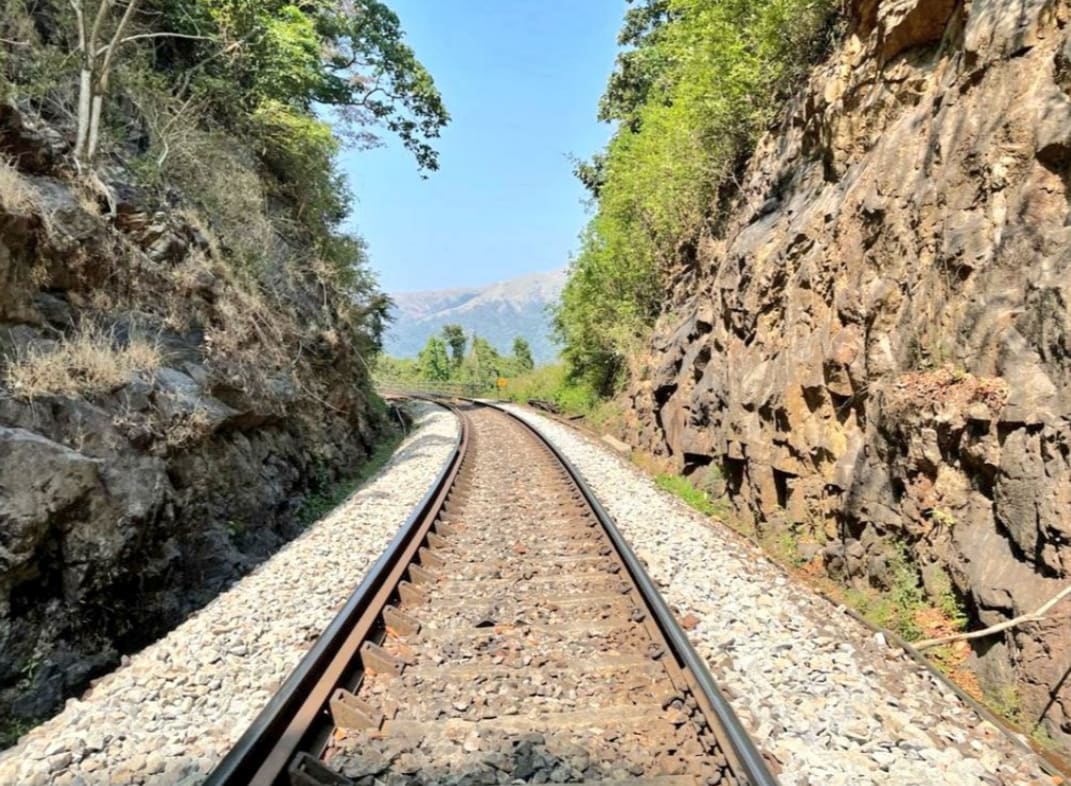
The National Institute of Rock Mechanics and Bangalore University conducted detailed geological surveys of both unlined and lined tunnel portions. Pull-out tests were carried out at every bracket location, keeping in mind the long-term safety and structural stability of the construction work. This was done to verify the proper anchoring and grouting of bolts. (Photo: X/@RailMinIndia)
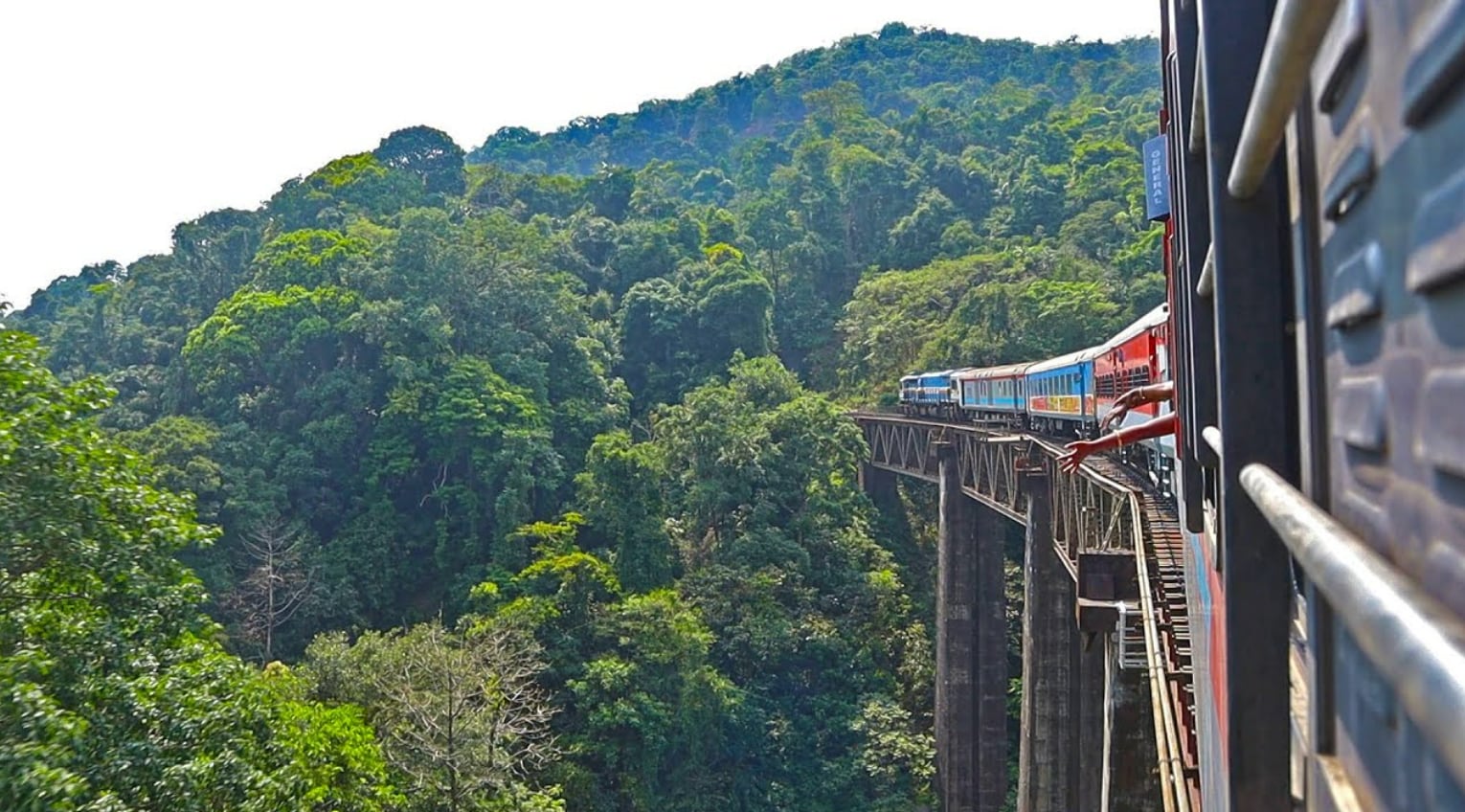
The Commissioner of Railway Safety (CRS) had imposed strict operational restrictions on the project, owing to the steep gradients and limited space for safety features in the Sakleshpur–Subramanya Road Ghat Section. Following these restrictions increased the difficulty of handling electrification work while balancing uninterrupted and safe train operations. (Photo: YouTube/TheRailChannel )
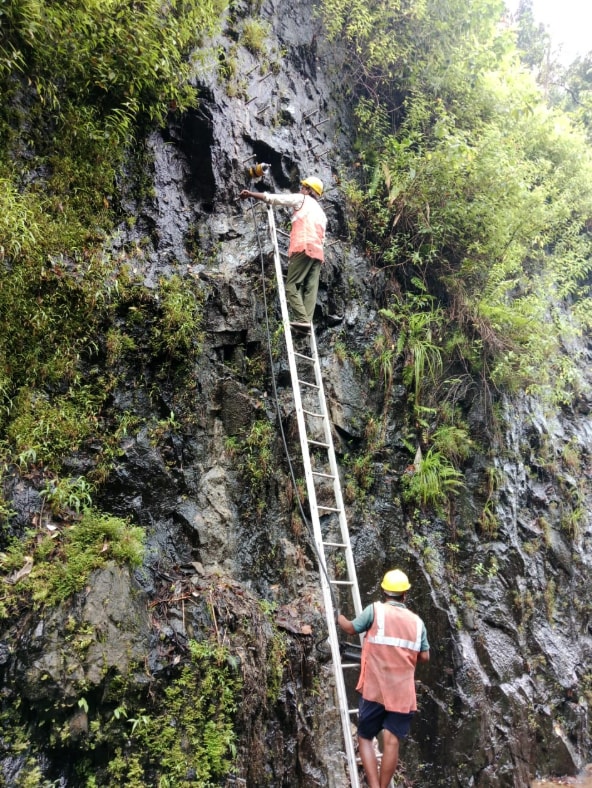
With the successful completion of the electrification and the electric locomotive trial, the entire section is now ready for electric traction. This means cleaner, more energy-efficient and cost-effective train operations can take place at the Sakleshpur–Subramanya Road Ghat Section. (Photo: X/@ChristinMP_)
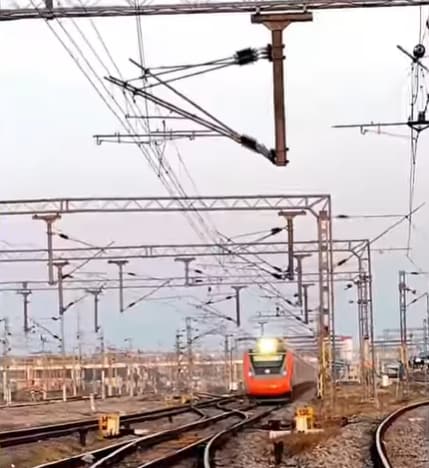
The achievement is an important milestone towards Indian Railways’ objective to carry out 100 per cent electrification. The completion of the project highlights the commitment of the Railways to create sustainable and resilient rail infrastructure across the country. (Photo: X/@RailMinIndia)