


- January 19, 2026
Kodak Had The World’s First Digital Camera But Chose Films Over Future, Went Bankrupt
Last Updated:
Kodak, once a global photography giant, missed the digital revolution despite Steve Sasson’s invention, leading to bankruptcy in 2012 and a dramatic fall from dominance



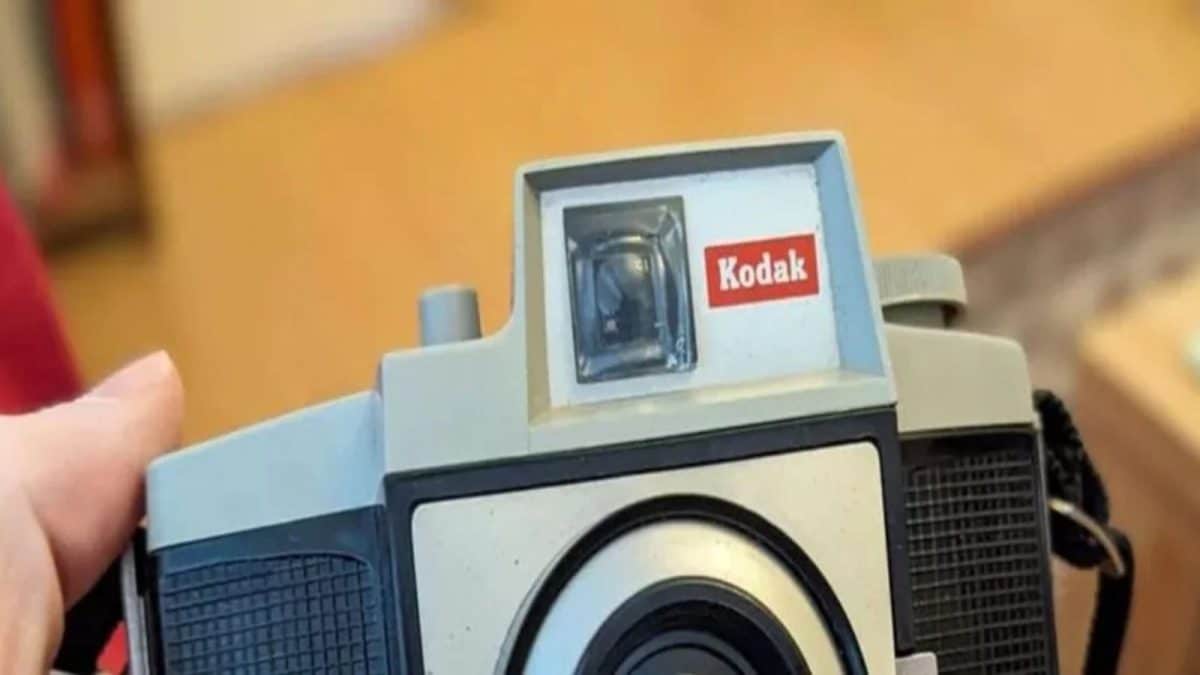
In early 2000s, film sales collapsed, photo labs shut down and the iconic yellow Kodak box began disappearing from shelves. (News18 Hindi)
If you grew up in the 1980s or 1990s, photography likely meant one thing – Kodak. From carefully loading film into cameras to waiting days for prints to arrive, the brand dominated how the world captured memories. Not just in India, but globally, Kodak was synonymous with photography.
Kodak was founded in 1888 by George Eastman, whose vision was to make photography accessible to everyone. His idea worked. With the slogan “You press the button, we do the rest”, Kodak turned a complex process into a household habit. The company’s business model was equally smart; cameras were sold cheaply, while profits flowed from film, chemicals and photo paper; the classic “razor and blade” strategy.
By the 1990s, Kodak controlled nearly 90% of the US film market, and the phrase “Kodak moment” had entered popular culture. The company had billions in cash, global dominance and a workforce running into thousands.
Then came the moment that could have changed everything. In 1975, a Kodak engineer named Steve Sasson invented the world’s first digital camera inside the company’s own lab. The prototype was bulky, wired and shot black-and-white images stored on a cassette tape, which could be viewed by connecting the device to a television. Primitive as it was, the invention was revolutionary. Sasson presented it to Kodak’s top management, expecting excitement. Instead, he was told to keep it quiet.
The reason was that digital photography did not need film. Executives feared that if the technology became mainstream, Kodak’s core business would collapse. They also believed consumers would always prefer physical photographs over images on a screen. The invention was shelved, and Kodak doubled down on film. In hindsight, rejecting digital photography was the company’s biggest mistake.
For nearly two decades, Kodak remained convinced that digital images would never match the quality or emotional value of film. While the company hesitated, rivals such as Sony, Canon and Nikon invested steadily in digital technology. By the late 1990s, digital cameras had entered the market, but Kodak was still reluctant to abandon its legacy business. Even when it launched digital products, it tried to replicate the look and feel of film, unable to accept that the era had changed.
The rise of the internet dealt the final blow. As personal computers and email became common in the early 2000s, people stopped printing photographs altogether. Images were stored, shared and viewed digitally. Film sales collapsed, photo labs shut down and the iconic yellow Kodak box began disappearing from shelves. Kodak attempted a late pivot, spending millions to enter the digital space, but by then the market was firmly controlled by competitors.
In 2012, Kodak filed for bankruptcy, stunning the global business community. Once valued in billions and employing over 1,40,000 people worldwide, the company was reduced to selling patents to survive. Thousands lost their jobs, and Kodak’s factories in New York fell silent. The empire had effectively ended.
Ironically, Kodak’s downfall unfolded even as small digital-first companies were thriving. Platforms like Instagram, with a fraction of Kodak’s resources, built massive valuations by understanding how people wanted to save and share memories in a digital age. Kodak, despite having the technology, the brand and the capital, failed to recognise that shift.
Today, Kodak still exists, but only as a shadow of its former self. It operates in areas such as printing, specialty chemicals and pharmaceuticals, and occasionally produces film for hobbyists. Steve Sasson, often mistakenly believed to have been fired, continued working at Kodak for 35 years and retired in 2009. He even helped develop the first DSLR camera in 1989, which Kodak again chose not to commercialise. Sasson was later honoured by the US President for his contribution to digital photography.
 Click here to add News18 as your preferred news source on Google.
January 19, 2026, 20:50 IST
Read More


