


- February 26, 2026
‘Corruption In Judiciary’ Chapter: NCERT Apologises, Retracts Class 8 Social Science Textbook
Last Updated:
NCERT said the textbook’s circulation has been put on hold and the curriculum will be rewritten in consultation with appropriate authorities




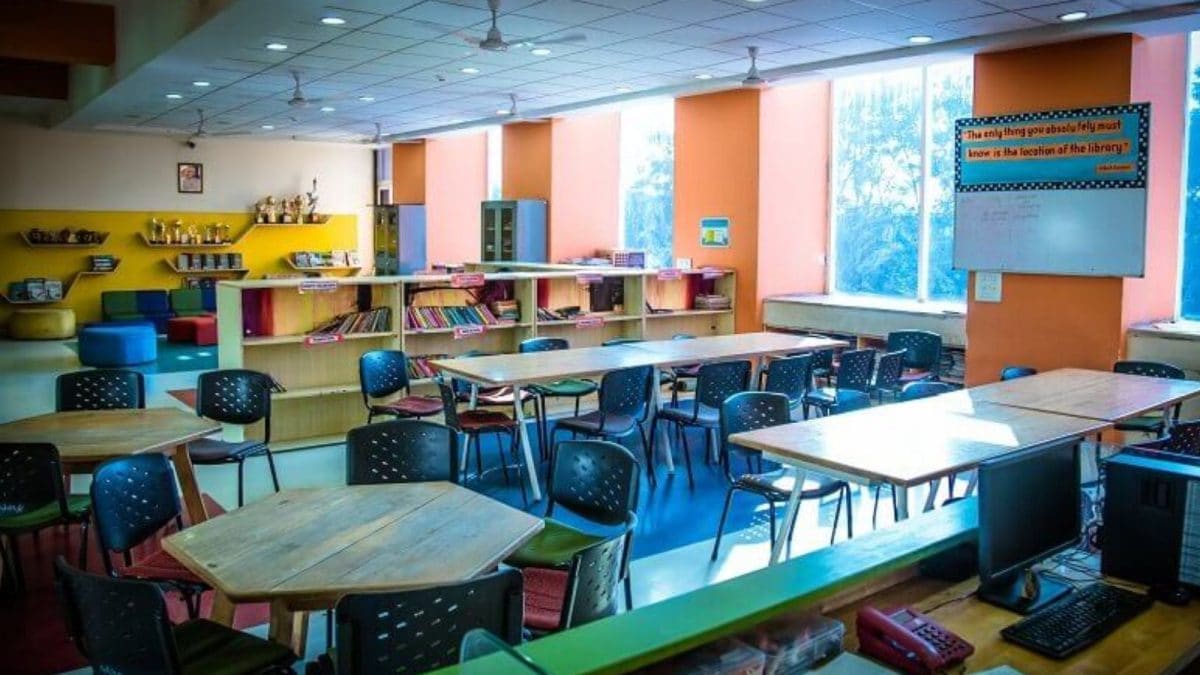
The revised version of the textbook is expected to be made available to Class 8 students in time for the commencement of the 2026-27 academic session. (Image for representation)
The NCERT on Wednesday issued an official apology and said it will retract the new social science textbook for Class 8, which mentioned a chapter on “corruption in judiciary”.
The chapter attracted sharp criticism from the Supreme Court, following which the National Council of Educational Research and Training (NCERT) said it has put the textbook’s distribution on hold.
According to a press release, the NCERT will be rewriting the curriculum of the textbook in question – Exploring Society: India and Beyond, Vol II, which was officially released on February 24. Within hours of its release, the book was taken off the council’s website and all physical circulation was stopped after the SC expressed its “ire” over the content, which it deemed defamatory and an affront to the integrity of the legal system.
A three-judge bench, comprising Chief Justice of India Surya Kant and Justices Joymalya Bagchi and Vipul M Pancholi, took suo motu cognisance of the “objectionable” statements regarding the judiciary. The matter was brought to the court’s attention for urgent consideration by senior advocates Kapil Sibal and Abhishek Singhvi.
During the proceedings, CJI Surya Kant issued a stern warning stating that “nobody on earth will be allowed to defame the judiciary and taint its integrity”.
WHAT DID NCERT SAY?
In a swift response, the NCERT released a statement acknowledging that “certain inappropriate textual material and error of judgement have inadvertently crept into” Chapter 4, titled ‘The Role of Judiciary in our Society’.
It said the inclusion of such material was “purely unintentional” and expressed deep regret for the oversight. The ministry of education, through the department of school education and literacy, intervened in the matter and ordered the distribution of the textbook to be on “strict hold” until further notice.
The NCERT further said it holds the judiciary in the “highest esteem”, viewing the institution as the “upholder of the Indian Constitution and protector of Fundamental Rights”. It said the primary objective of its new textbooks is to “strengthen constitutional literacy, institutional respect, and informed understanding of democratic participation amongst students”, rather than questioning the authority of constitutional bodies.
WHAT NEXT?
The controversial chapter had listed corruption, along with a massive backlog of cases and an inadequate number of judges, as significant challenges currently facing the Indian judicial system.
To rectify the situation, the NCERT has announced that the curriculum will be completely rewritten. This process will involve close consultation with “appropriate authorities” to ensure the material is accurate and respectful of the country’s institutions.
The revised version of the textbook is expected to be made available to Class 8 students in time for the commencement of the 2026-27 academic session.
WHAT DID THE CONTROVERSIAL CHAPTER CONTAIN?
The textbook noted that judges are bound by a code of conduct and that mechanisms exist to address complaints, including the Centralised Public Grievance Redress and Monitoring System, which received over 1,600 complaints between 2017 and 2021.
It also explained that Parliament has the authority to impeach judges after due inquiry in cases of serious misconduct. The book stated that corruption experienced at various levels of the judiciary could affect access to justice, particularly for disadvantaged sections and highlighted efforts to improve transparency.
The previous Class 8 textbook published by NCERT explained the structure, role and independence of the judiciary but did not mention corruption as a challenge.
Delhi, India, India
February 25, 2026, 16:11 IST
Read More


