- March 30, 2026
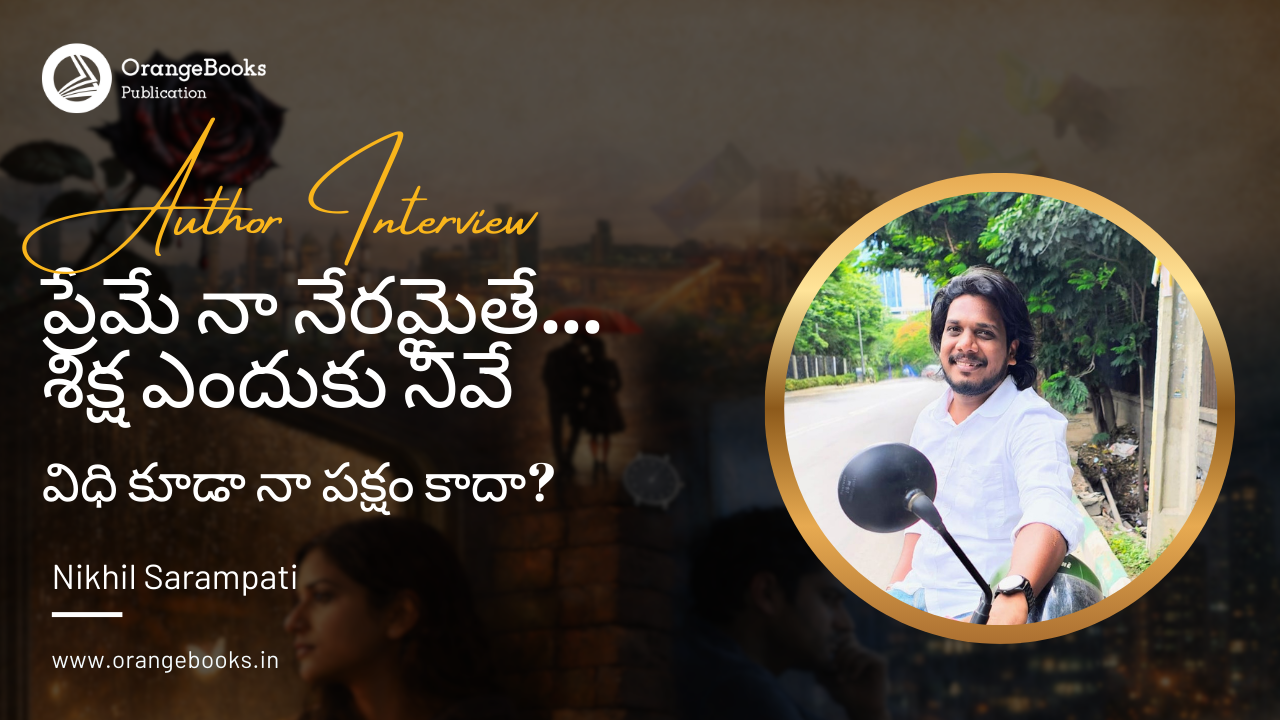
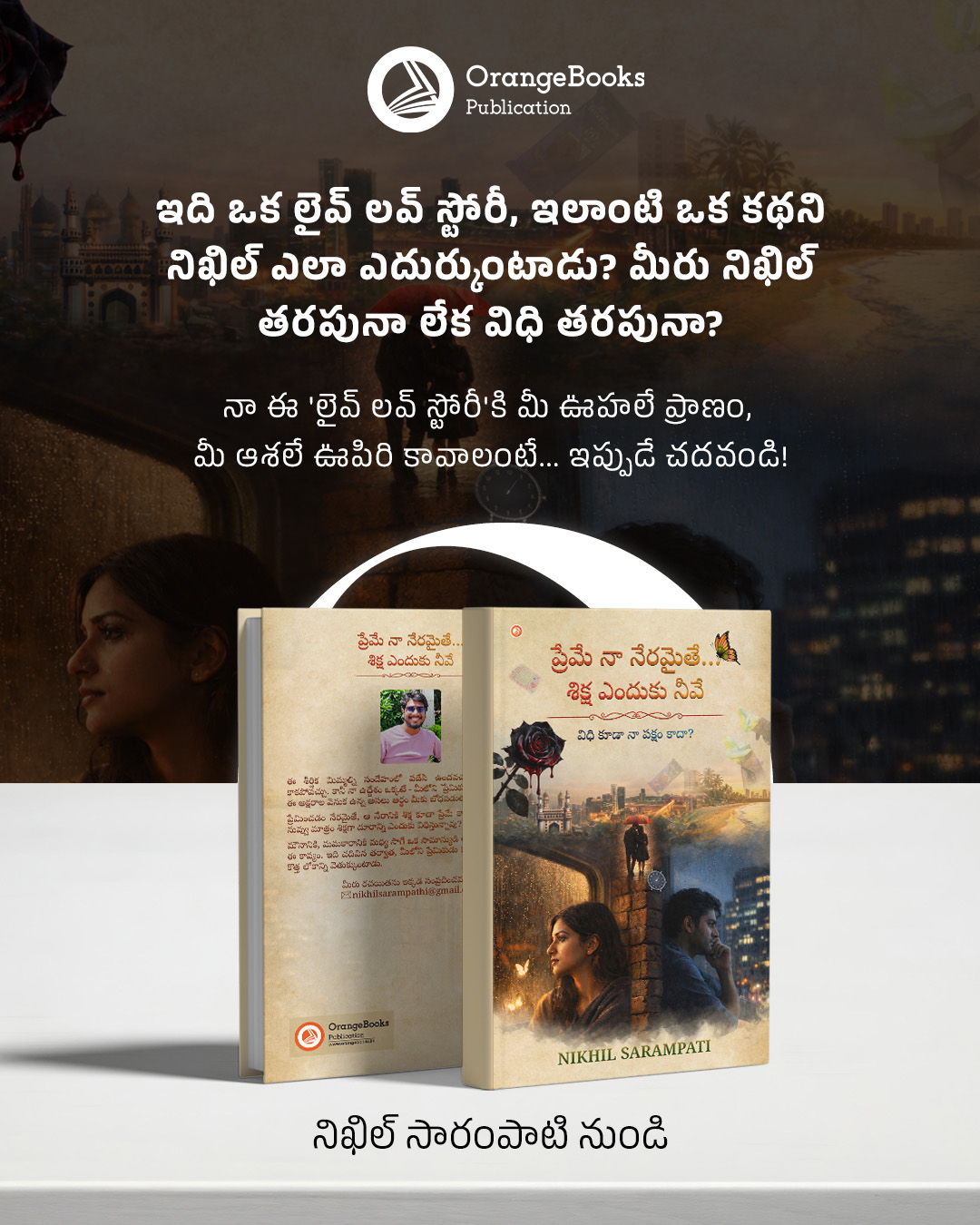
Nikhil Sarampati Talks About His Book “ప్రేమే నా నేరమైతే… శిక్ష ఎందుకు నీవే”
About the Author:
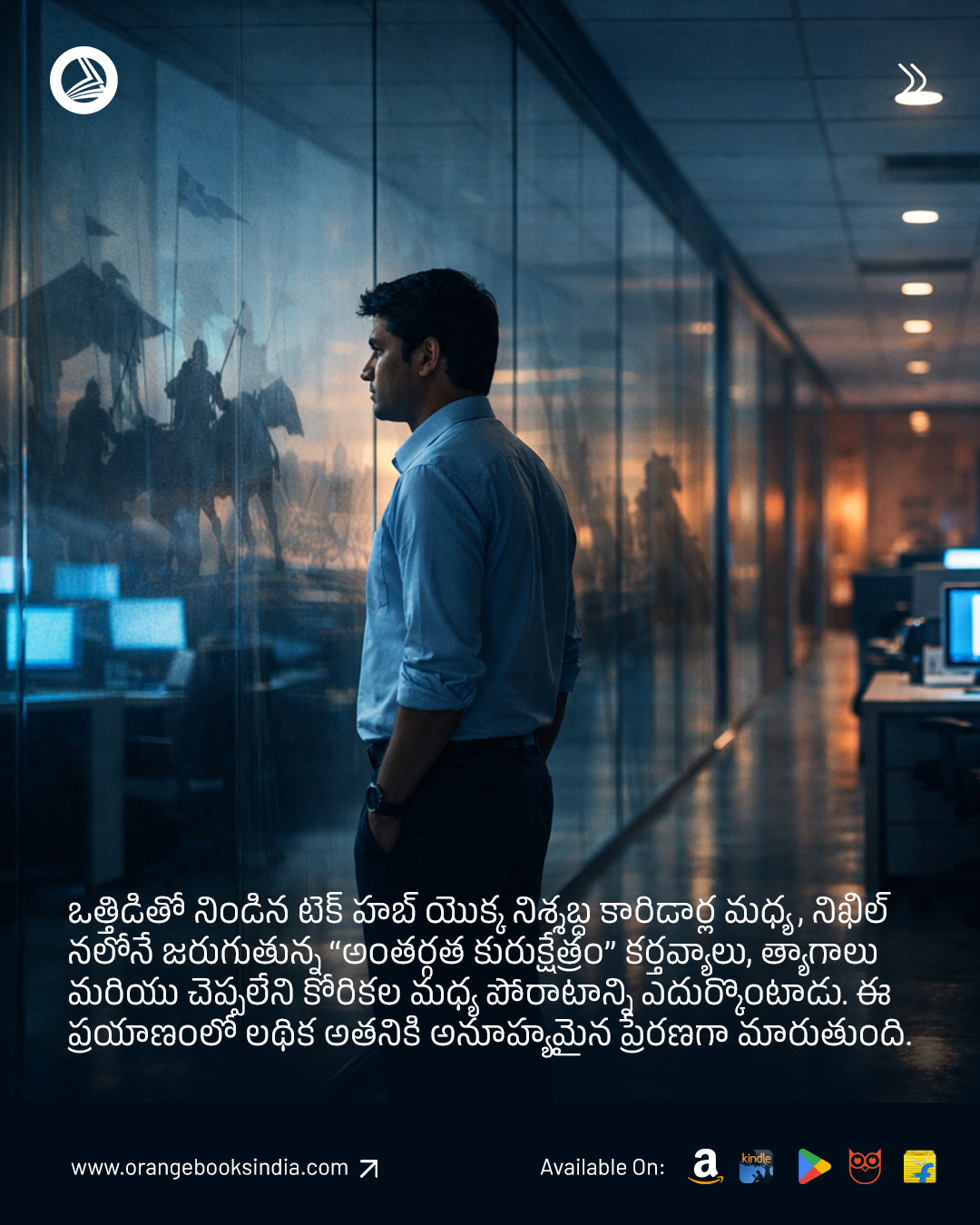
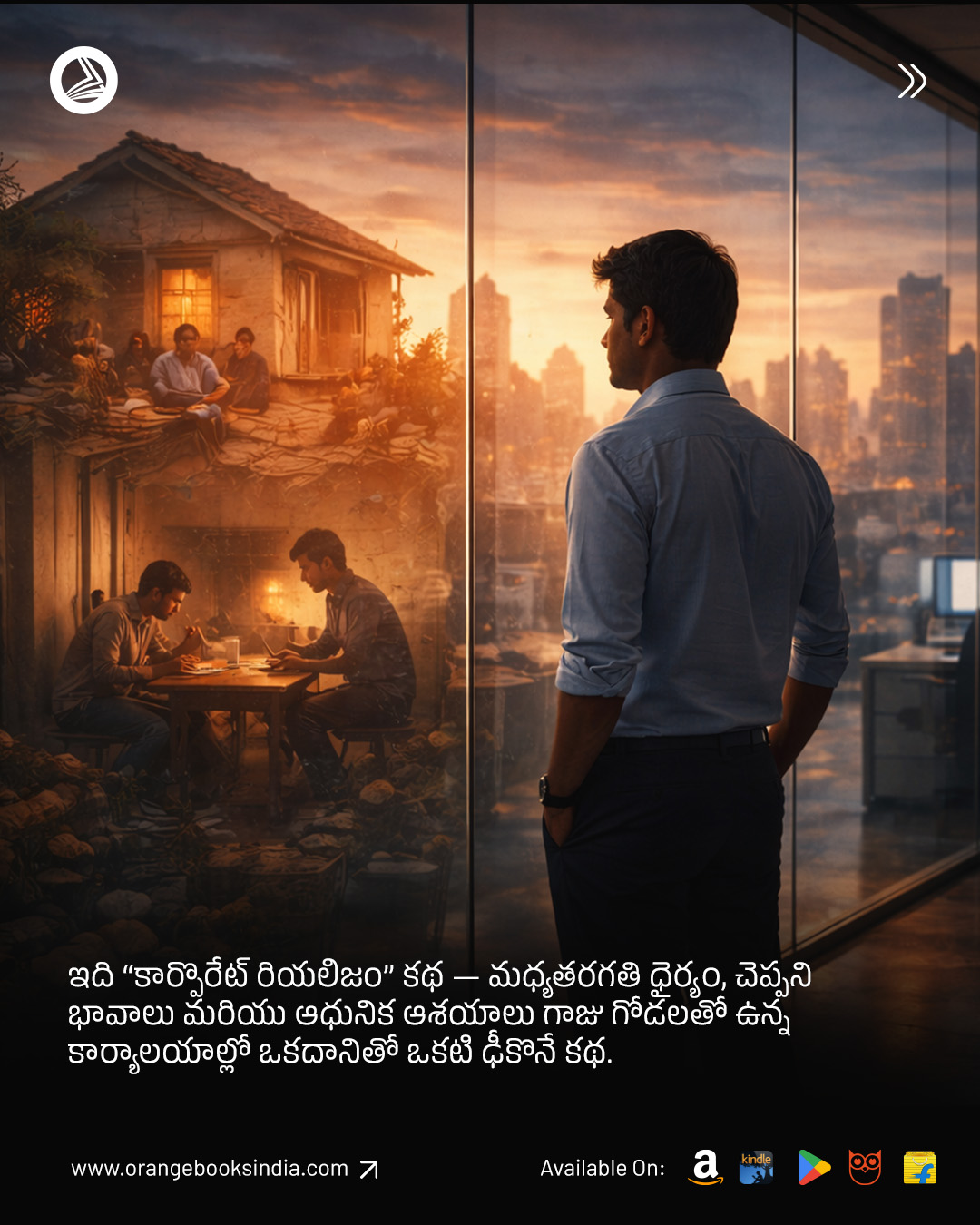
Nikhil Sarampati is a corporate strategist and litterateur from Kakinada, pioneering the genre of “Corporate Realism.” An Engineer by training, he acts as an erudite observer of human resilience, documenting the silent sacrifices required to balance Dharma and Artha. His worldview synthesizes ancient Vedantic stoicism with modern professional ideologies, transforming mundane office dynamics into profound philosophical parables. A seeker of intellectual depth, Nikhil honors the integrity of the middle-class struggle. He believes that beneath every technical specification and corporate deadline lies a timeless, heroic odyssey of the human spirit, waiting to be narrated.
Exclusive interview with the author
Q: What Inspired You To Write This Book?
A: Throughout my life as a reader, I often found myself at the mercy of the author’s ending. We’ve all felt that specific frustration—where you fall in love with the characters, but you feel ‘incapable’ of changing a climax that doesn’t resonate with your soul. I realized that while every reader connects to a story differently, the ending is usually a monologue by the writer.
I wrote this book to turn that monologue into a dialogue. By making this a ‘live’ love story where the reader has the power to influence the climax, I’m acknowledging that love isn’t a one-size-fits-all experience. What feels like ‘closure’ to one person might feel like a ‘tragedy’ to another. I wanted to give people the space to bring their own perspectives and their own meanings of love into the narrative. In this book, the ending isn’t just mine—it’s ours.
Q: Can You Tell Us About The Book?
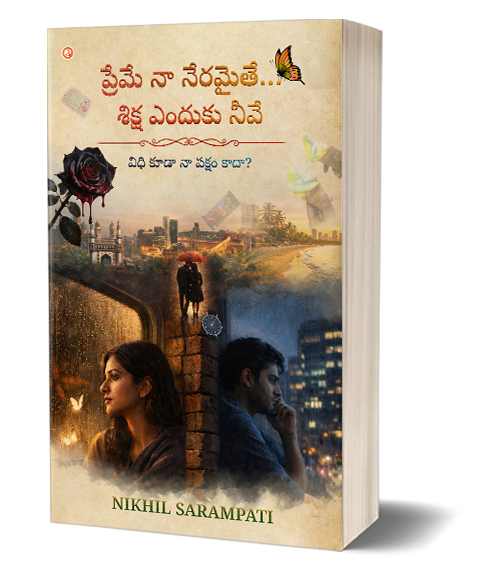
A: The title is ‘ప్రేమే నా నేరమైతే…’ (Preme Na Neramaithe…), which translates to ‘If love is my crime…’ It’s a 10-chapter exploration of the modern professional’s soul. We often think our work lives and our emotional lives are separate, but they bleed into each other. I’ve woven in elements of Vedantic stoicism to help a ‘stopped lover’ find their way through the maze of a corporate career. And because it’s a ‘live’ story, the reader isn’t just a spectator—they are the final judge of how these lives conclude. It’s a journey from the harshness of ‘Kathina Kalpam’ to the fragrance of ‘Bhava Parimalam.
Q: What Does The Title Mean?
A: I’ve noticed some people find the title intriguing yet mysterious, and that’s intentional. It actually took me three days of deep dilemma to finalize it. I kept asking myself: ‘Will they get it? Is it too daring?’ But I chose to trust my readers’ intelligence.
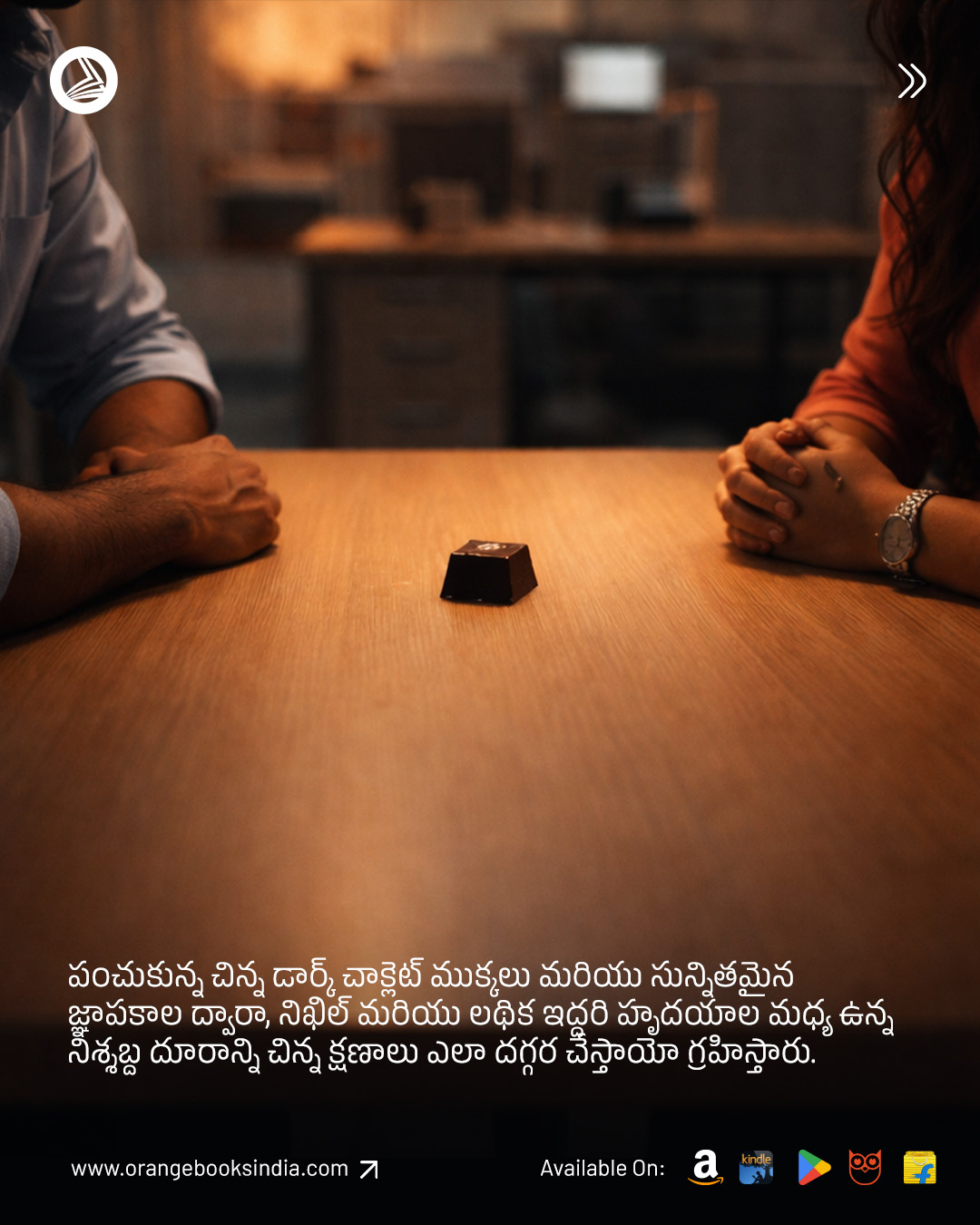
The full thought behind ‘ప్రేమే నా నేరమైతే…’ (Preme Na Neramaithe…) is this: ‘If love is my crime, then let Love itself be my judge.’ In most stories, when someone ‘fails’ in love, the punishment is distance or silence. But I am treating Love as a separate, third-party entity—a living force. My protagonist is essentially saying, ‘If I have committed the crime of loving you, then let Love decide my fate. Why is your absence the punishment? If Love is the crime, then the only fair sentence should be more love, not distance.’ It’s a daring take on accountability and emotion in the modern world.
Q: How Long Does It Take You To Write A Book?
A: It’s an interesting process because there is a difference between writing a book and ‘birthing’ a story. Ideologically, this book took 13 months. I spent nearly a year living with these characters in my head, observing the ‘Corporate Realism’ of my daily life, and letting the philosophy of the ‘Butterfly Effect’ settle into the narrative. I believe a story needs to ripen before you touch the keyboard.
However, once the soul of the story was ready, the actual writing was an intense, three-month journey. Once I started, the characters almost wrote themselves because they had been living with me for so long. For me, the 13 months were about ‘depth,’ and the 3 months were about ‘discipline.’ It’s not just about how long it takes to type the words; it’s about how long it takes for the story to become a reality in the author’s mind.
Q: When Did You Write Your First Book And How Old Were You?
A: I’m 27, and I believe this was the perfect age to debut. At this stage of my life, I’ve spent enough time in the ‘corporate trenches’ to understand the realism of our professional lives, yet I’m still deeply connected to the emotional intensity of youth. I didn’t want to write this book at 21 when it might have been too idealistic, or at 40 when I might have become too cynical. Writing my first book now allowed me to capture that precise moment where ambition and emotion collide. It’s a first-time journey for me, just as it is a first-time ‘live’ experience for the reader.


Q: What Does Success Mean To You? What Is The Definition Of Success?
A: For many, success is measured in sales figures or awards, but for me, the metric is much more personal. I believe that an avid reader will always find a way to my book—they already love the medium. My true definition of success is capturing the person who doesn’t read.
If someone who usually avoids books opens ‘ప్రేమే నా నేరమైతే…’ (Preme Na Neramaithe…) out of curiosity, reads just two lines, and finds themselves unable to put it down until the very last page—that is my victory. To take a ‘book-hater’ and turn them into a book-lover through the power of Corporate Realism and a ‘live’ story—that isn’t just success; that’s a legacy. If my writing can be the gateway that introduces someone to the world of literature, I have achieved my goal as an author.
Q: How Important Is Research To You When Writing A Book?
A: To me, research is the backbone of respect for the reader. My creative philosophy is heavily influenced by the school of thought seen in director Trivikram Srinivas’s work—the idea that we shouldn’t always dilute our language to the ‘simplest’ form. I believe readers have a natural enthusiasm for discovery. Research allows me to weave in unique terms from Vedantic philosophy or specific Corporate Strategist terminology that might be new to them. If a reader pauses to look up a word or a concept, I haven’t lost them; I’ve engaged them. Research transforms a story into a learning journey.
This book is published by OrangeBooks Publication. All rights are reserved with the author & the publisher.