- March 30, 2026
Rohit Gandhi Talks About His Book “Lead Like You Mean It”
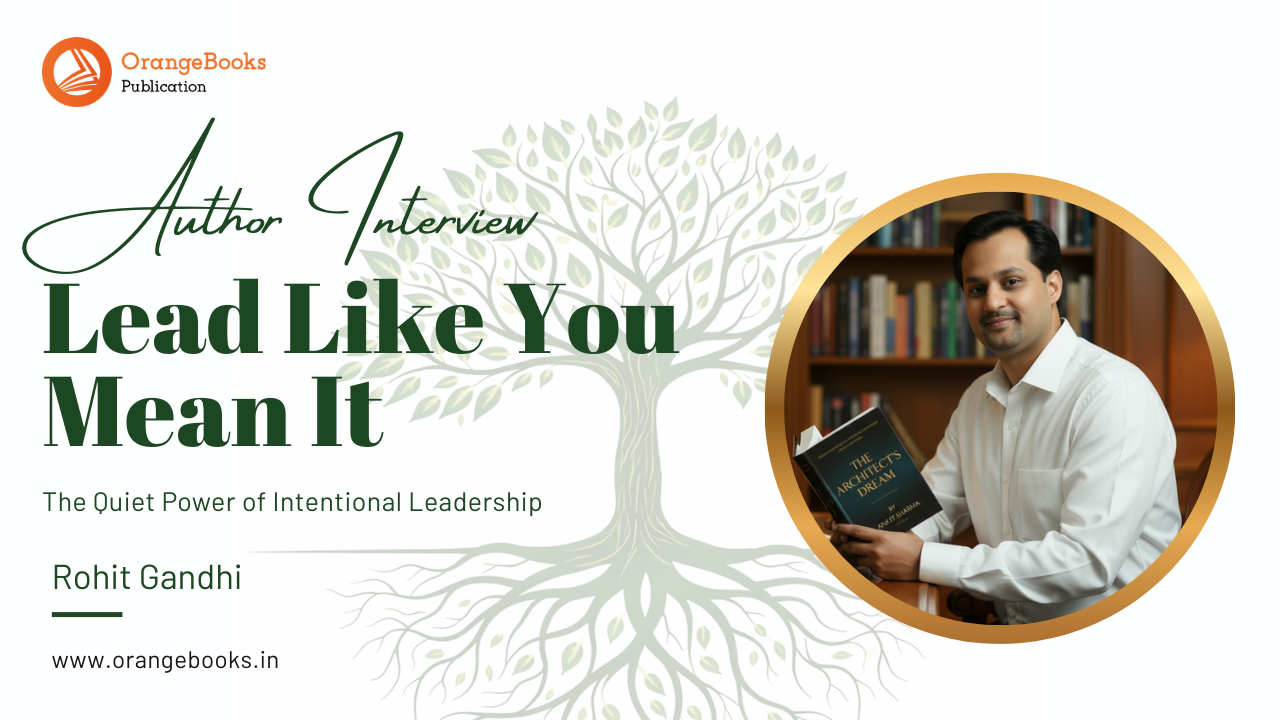
About the Author:
Rohit Gandhi is a leader, mentor, and lifelong learner with over twenty years of experience across industries such as technology, consulting, and education. His journey has been less about chasing titles and more about exploring what it truly means to influence, inspire, and bring out the best in people. From building a business from scratch to leading high-performing sales teams, and later guiding aspiring professionals at a leading educational institution, Rohit has discovered that leadership is not a one-time achievement but an evolving practice. His perspective comes not from a pedestal of perfection, but from trial, reflection, and an enduring curiosity about people. What sets him apart is his blend of strategic thinking with genuine empathy, a combination that makes leadership not just effective but deeply human. Rohit believes that anyone, regardless of position or personality, can lead with quiet strength, authenticity, and influence. This book reflects his passion for helping individuals unlock that potential. It is less a manual from an “expert” and more a companion from someone who has walked the path, stumbled, learned, and kept moving forward with a genuine desire to see others thrive.
Exclusive interview with the author
Q: What Inspired You To Write This Book?
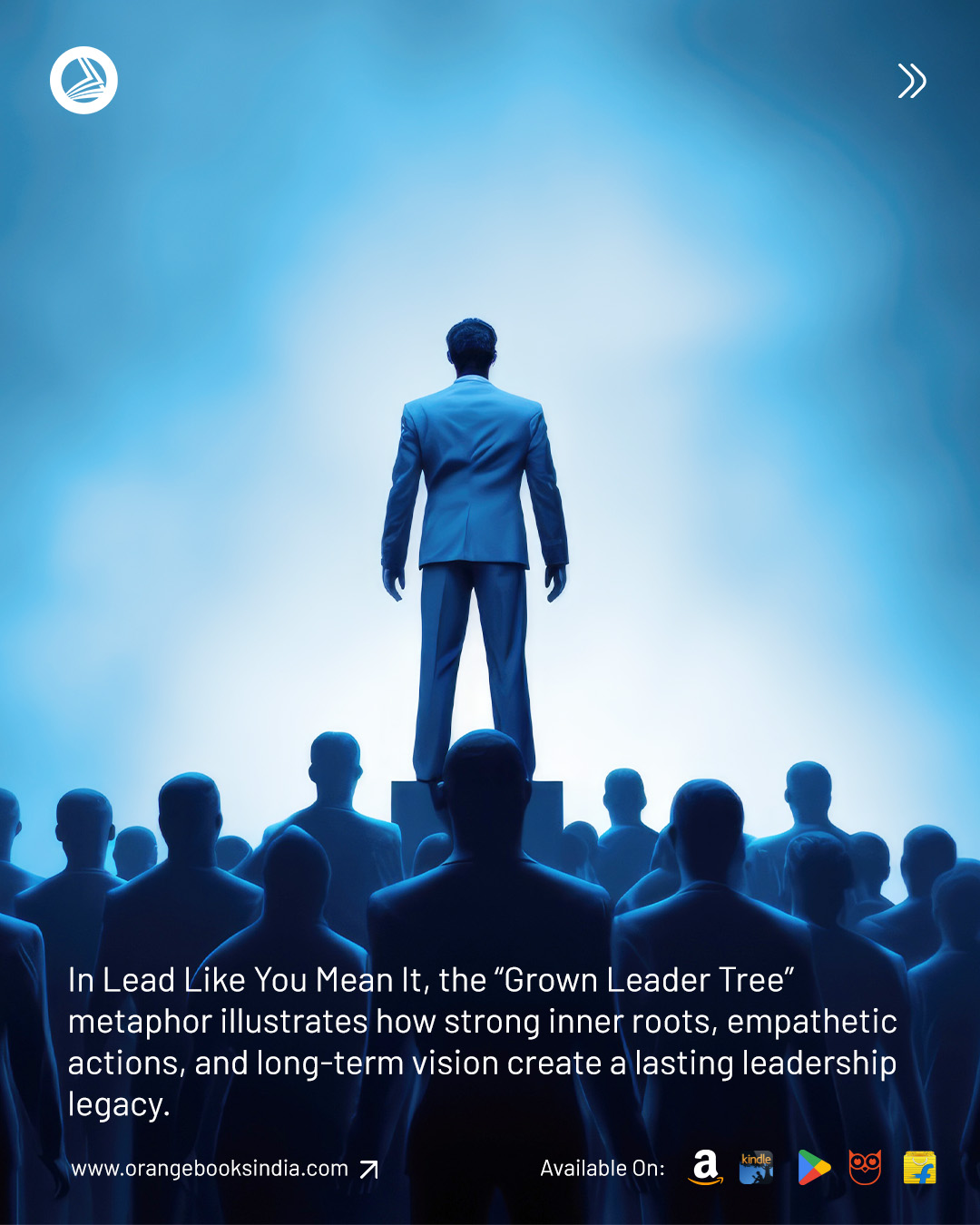
A: The inspiration came from my time mentoring young professionals at a leading educational institution. I noticed a recurring pattern: many students were trying to replicate someone else’s success.I wanted to shift the conversation from ‘chasing titles’ to ‘evolving practice’. I realized that my own journey, including the moments I stumbled and learned could serve as a companion for others. This led me to develop the Grown Leader Tree model in the book, which focuses on:The Roots (The Inner Game): Tending to the unseen foundation of self-awareness and values.The Trunk (The Outer Game): How we actually interact, listen, and influence the world.The Fruit (The Legacy Game): The long-term trust and culture we leave behind.
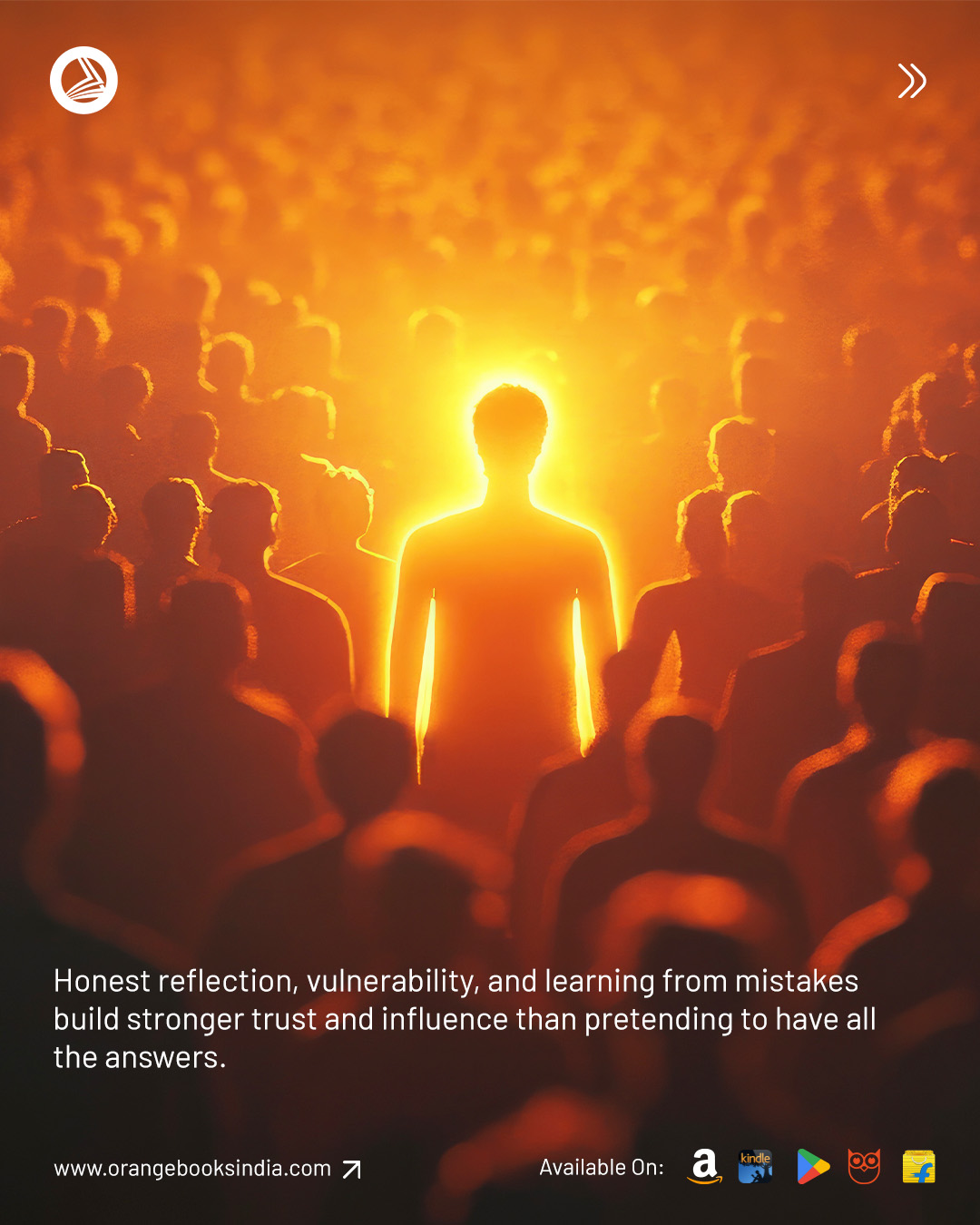
Ultimately, I wrote this to show that leadership isn’t a one-time achievement; it’s about having the courage to be your real, imperfect, and growing self.
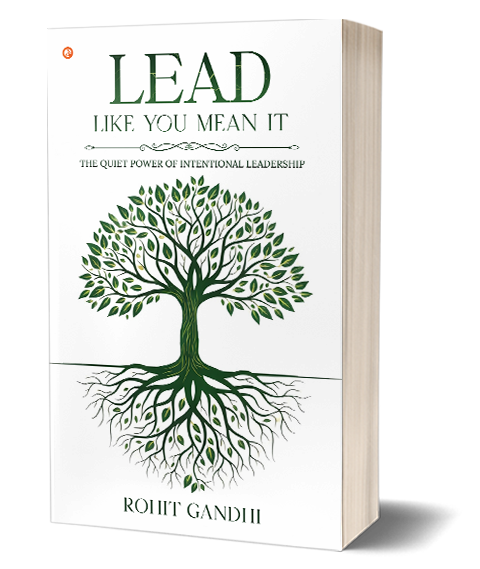
Q: Can You Tell Us About The Book?
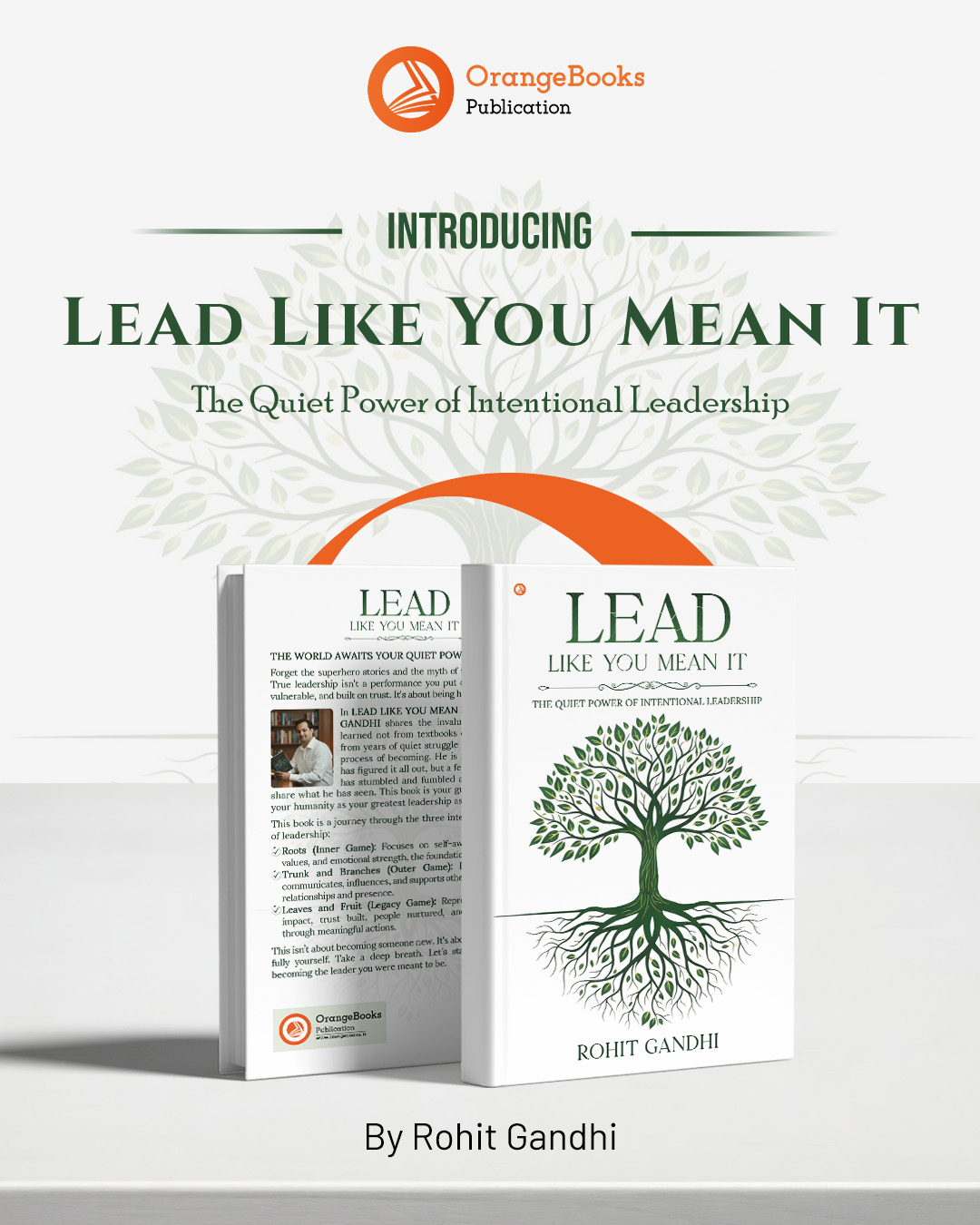
A: Lead Like You Mean It is a guide for the modern, high-pressure workplace, specifically written for first-time managers and young professionals. Most leadership books focus on strategy and ‘faking’ confidence. This book does the opposite, it argues that your humanity, including your mistakes and unique perspective, is actually your greatest leadership asset.Through a mix of my own career failures and stories of icons like MS Dhoni and Alan Mulally, I show how to lead with ‘quiet strength’. The book provides a practical roadmap to:Silence the inner critic that fuels imposter syndrome. Master the art of ‘stillness’ to make better decisions under pressure.Build authentic trust by listening past the words.It’s less of a manual and more of a companion for anyone who wants to lead with purpose rather than just surviving their to-do list.
Q: What Does The Title Mean?
A: The Meaning Behind “Lead Like You Mean It” The title is a challenge to move away from “autopilot” management. It means leading with intention, heart, and presence, rather than just performing a role or chasing a title.It breaks down into three core ideas:Leading with Intent: Making the deliberate choice to lead with self-awareness instead of ego. It’s about being “present, real, and growing” every day.Authentic Strength: Moving away from the “myth of the perfect leader”. It means having the courage to be your real, imperfect self and admitting when you don’t have all the answers.Purpose Over Performance: Understanding that leadership is a “lived experience” and a choice you make in every interaction, even when nobody is looking.
Q: What Did You Learn When Writing The Book?
A: Writing this book taught me that there is a massive gap between having ideas and creating a roadmap. I initially had hundreds of thoughts, but the real challenge was building a structure that felt like a conversation rather than a lecture.I learned three key things during this process:Structure creates clarity: I realized that for a young manager to actually learn, the book needed a logical flow, moving from the ‘Inner Game’ of self-mastery to the ‘Outer Game’ of leading others.Vulnerability is a strength: I had to lean into my own ‘costliest lessons’ and failures to make the advice relatable.The power of the pause: Just as I advocate for ‘stillness’ in the book, the writing process forced me to pause and reflect on which stories like those of MS Dhoni or the Dabbawallas would truly resonate with a modern audience.Ultimately, I learned that a good leadership book isn’t a manual from an ‘expert’; it’s a companion from someone who has walked the path.
Q: How Long Does It Take You To Write A Book?
A: It took me nearly a year to move from a collection of thoughts to a final, polished structure. While the first draft came together quickly, I spent the majority of that time refining the flow to ensure it served as a practical “companion” for the reader rather than just a manual. I had to be very intentional about organizing my own “costliest lessons” alongside the stories of leaders like MS Dhoni and Alan Mulally to create a roadmap that actually helps young managers grow. Ultimately, the process was about ensuring the book provides clear direction through real-world anecdotes and actionable steps.
Q: Do You Have Any Suggestions To Help Others To Become A Better Writer? If So, What Are They?
A: Its interesting when you write. I had to do a lot of reflection and lessons which i forgot myself. So dont be scared just put down your thoughts and you will learn a lot in the journey.



Q: What Does Success Mean To You? What Is The Definition Of Success?
A: To me, success is not defined by titles or personal accolades, but by the meaningful change I can help spark in someone else’s life. I believe a leader’s true legacy is the ‘forest that grows from the seeds’ they plant in others. Whether it is helping a student find their authentic career path or supporting a team member through a difficult transition, success is the moment I see someone else unlock their own potential and lead with their own quiet strength. If I can be a catalyst for that growth, then I have succeeded.
Q: How Important Is Research To You When Writing A Book?
A: Research is also very important because things that you write has to be factually correct and should be relatable.
This book is published by OrangeBooks Publication. All rights are reserved with the author & the publisher.