- May 29, 2026
What Connects DDLJ, Chennai Express And PK? A Little Railway Station In Maharashtra
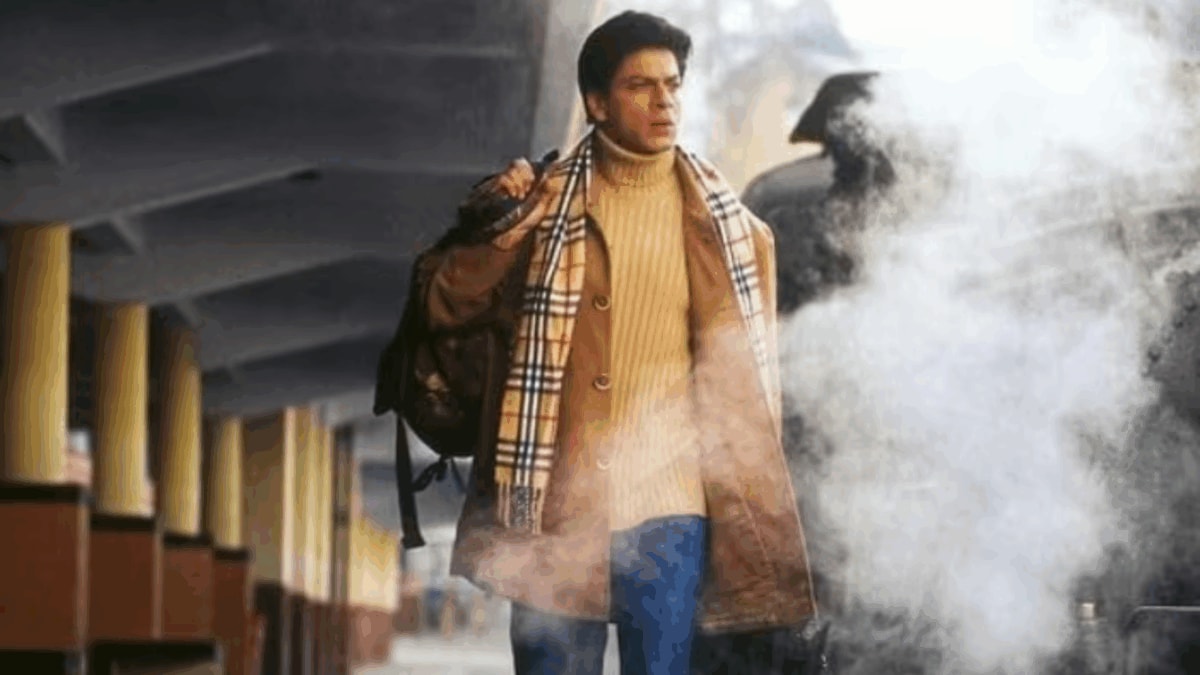
Long before green screens and large-scale visual effects became common in filmmaking, Bollywood directors were finding cinematic magic on the railway tracks of Maharashtra. Hidden among the Sahyadri hills in Raigad district, Apta Railway Station quietly evolved into one of Hindi cinema’s most recognisable shooting locations, even if many viewers never realised it. From the unforgettable climax of Dilwale Dulhania Le Jayenge featuring Shah Rukh Khan and Kajol to films such as Rang De Basanti, Khakee and Bunty Aur Babli, the modest station has repeatedly appeared on screen, becoming part of Bollywood’s visual memory.
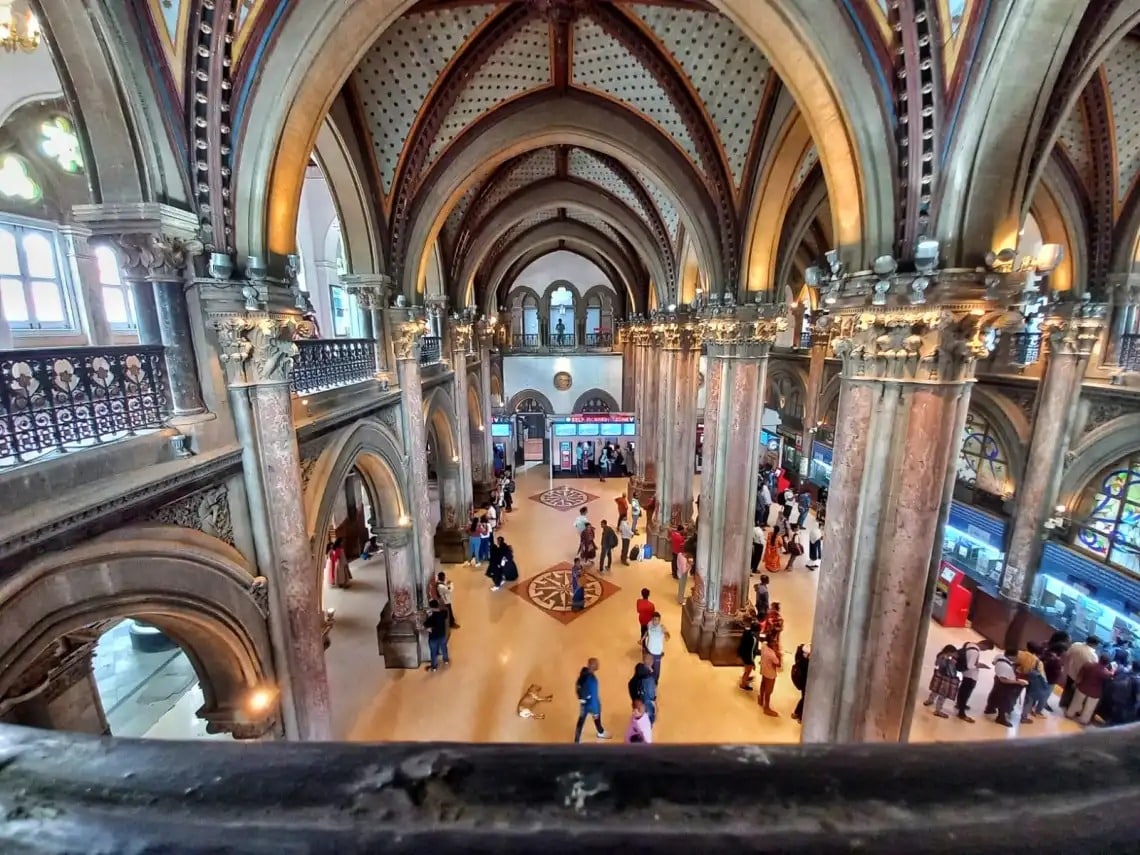
Alongside Chhatrapati Shivaji Maharaj Terminus (CSMT), the UNESCO World Heritage Site in Mumbai, Central Railway’s stations, railway yards and scenic routes have provided filmmakers with a backdrop that blends realism, nostalgia and cinematic scale.
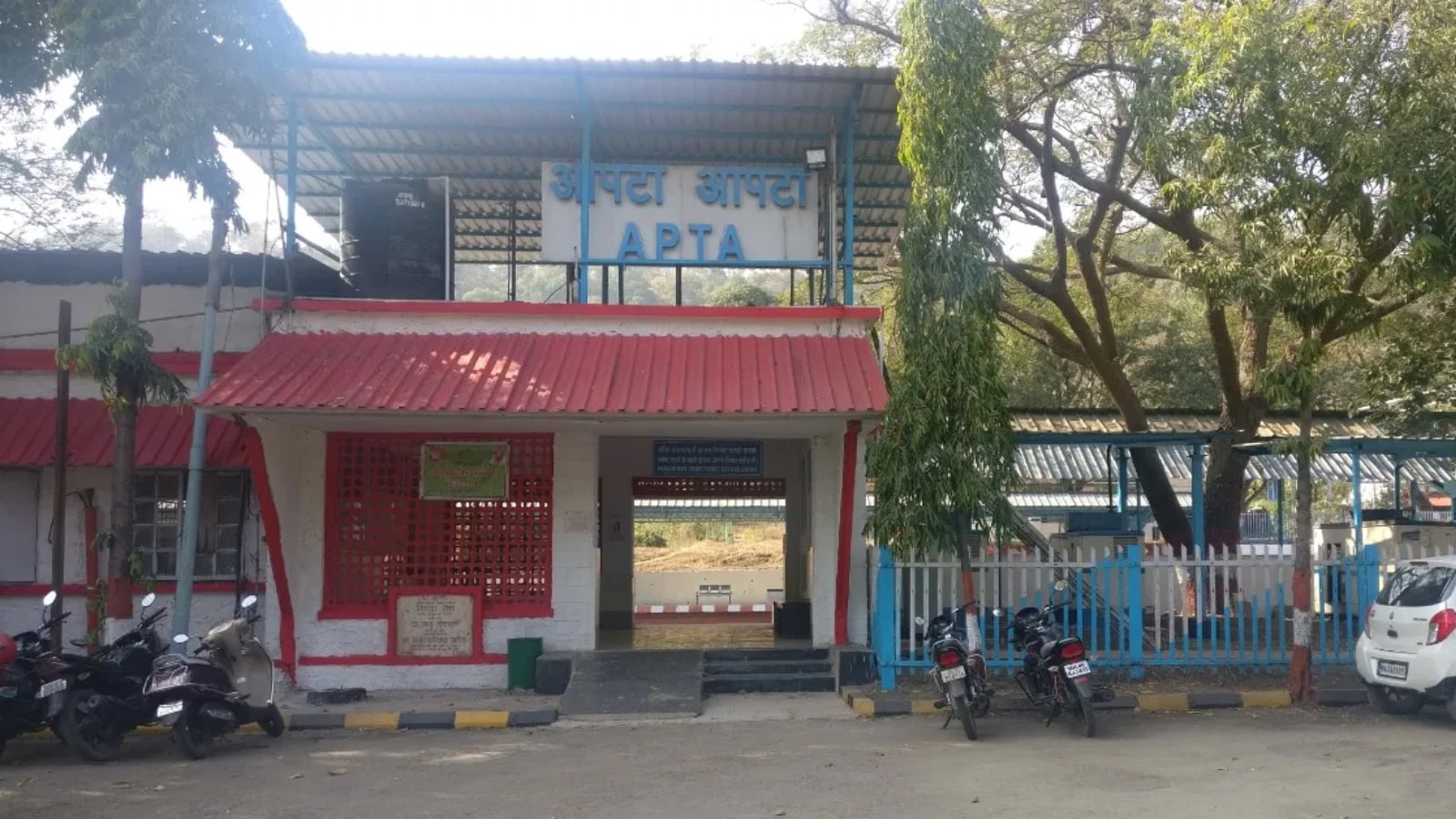
Tucked amid lush greenery and surrounded by the Sahyadri ranges, Apta station is valued for an atmosphere that filmmakers say is difficult to recreate inside studios. Its old-world architecture, rural setting and monsoon landscapes, complete with waterfalls and mist-covered hills, have made it especially attractive for scenes involving emotion, travel and nostalgia.
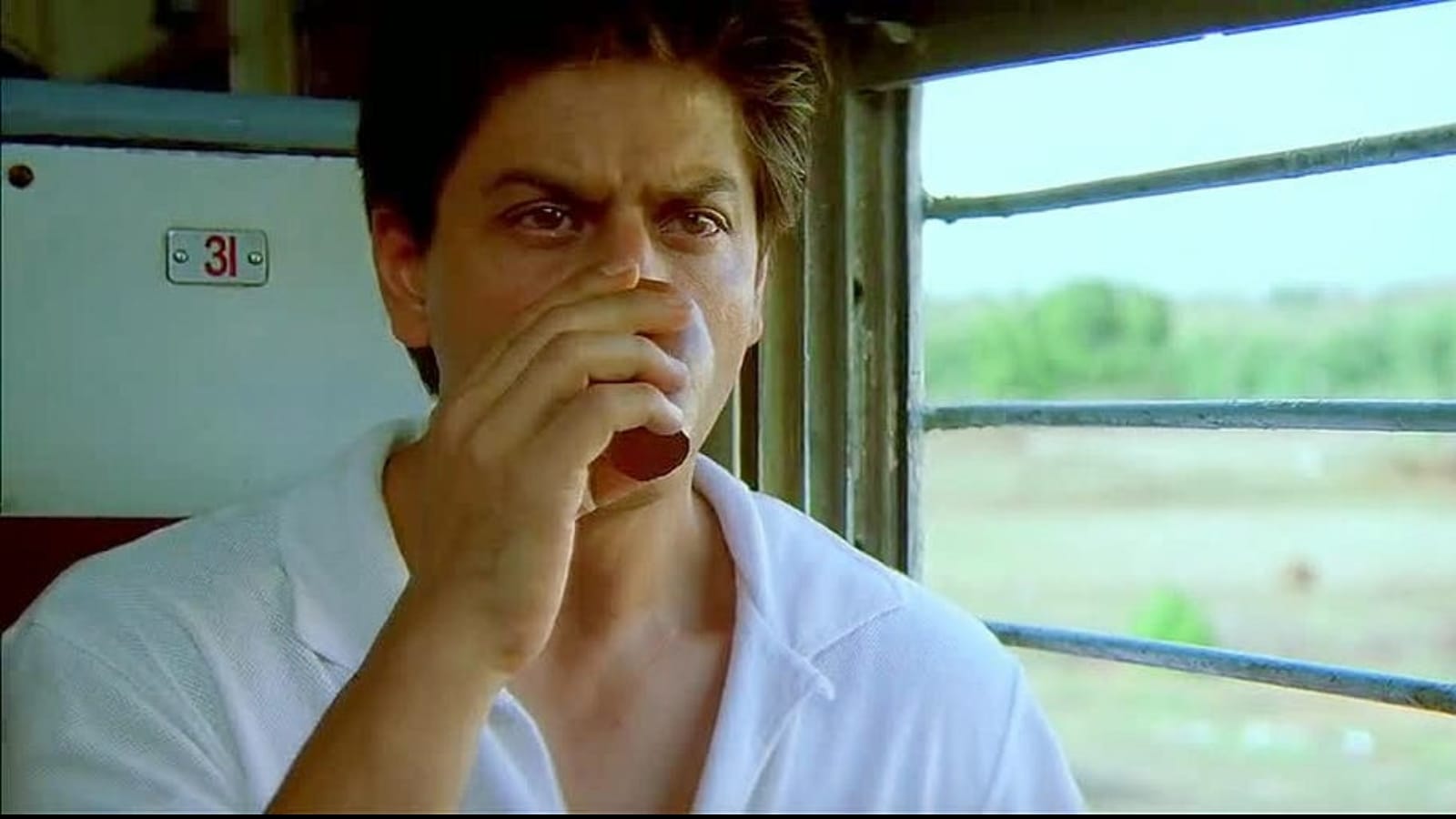
Railway officials noted that even in an era dominated by digital filmmaking, directors continue to prefer real locations like Apta because of the authenticity and emotional depth they bring to the screen. Located around 90 km from Mumbai and close to Panvel, the station also offers logistical convenience for production teams travelling from the film capital.
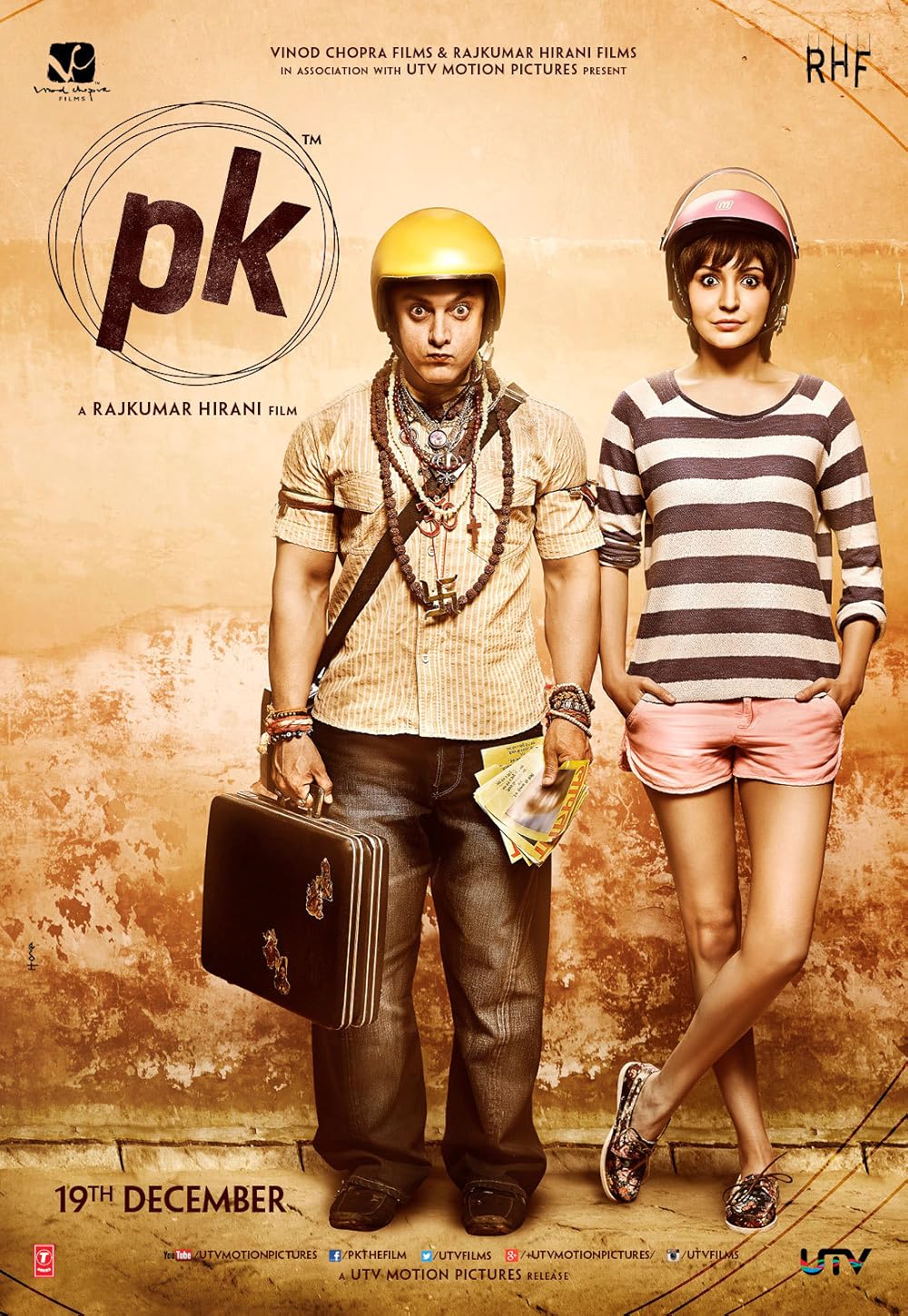
Over the years, Apta has featured in several well-known productions, including Once Upon A Time In Mumbai Dobara, PK and Shaadi No 1. Officials from Central Railway said a majority of outdoor train and station sequences in Hindi films have historically been shot across Central Railway premises.
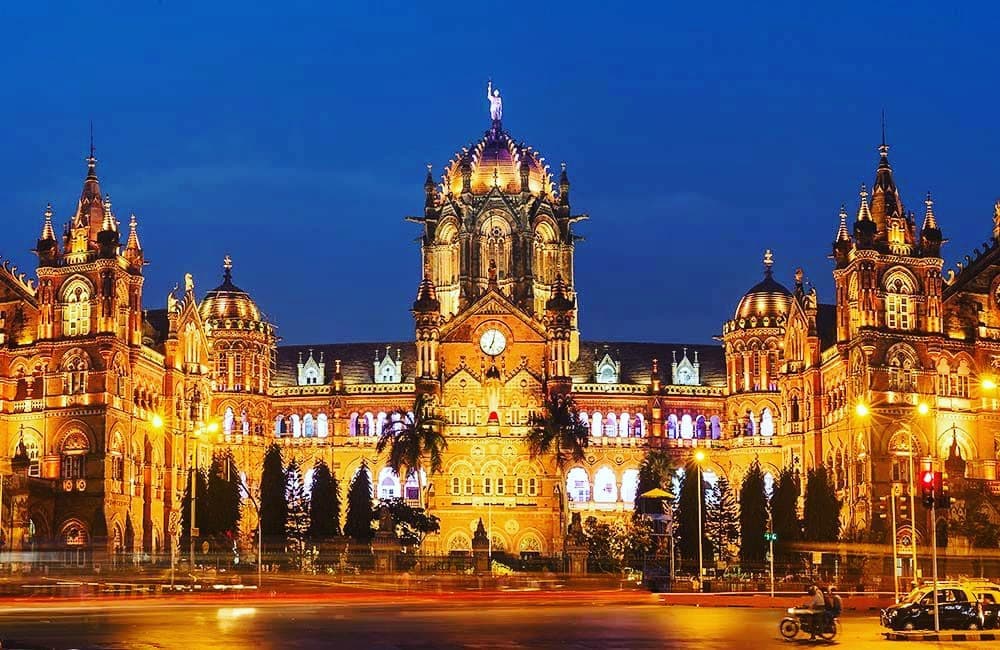
While Apta represents the quieter, nostalgic side of railway cinema, CSMT has become synonymous with scale and grandeur. The iconic Mumbai terminus has appeared in productions such as Slumdog Millionaire, Rab Ne Bana Di Jodi, Chennai Express, Darr and The Lunchbox.
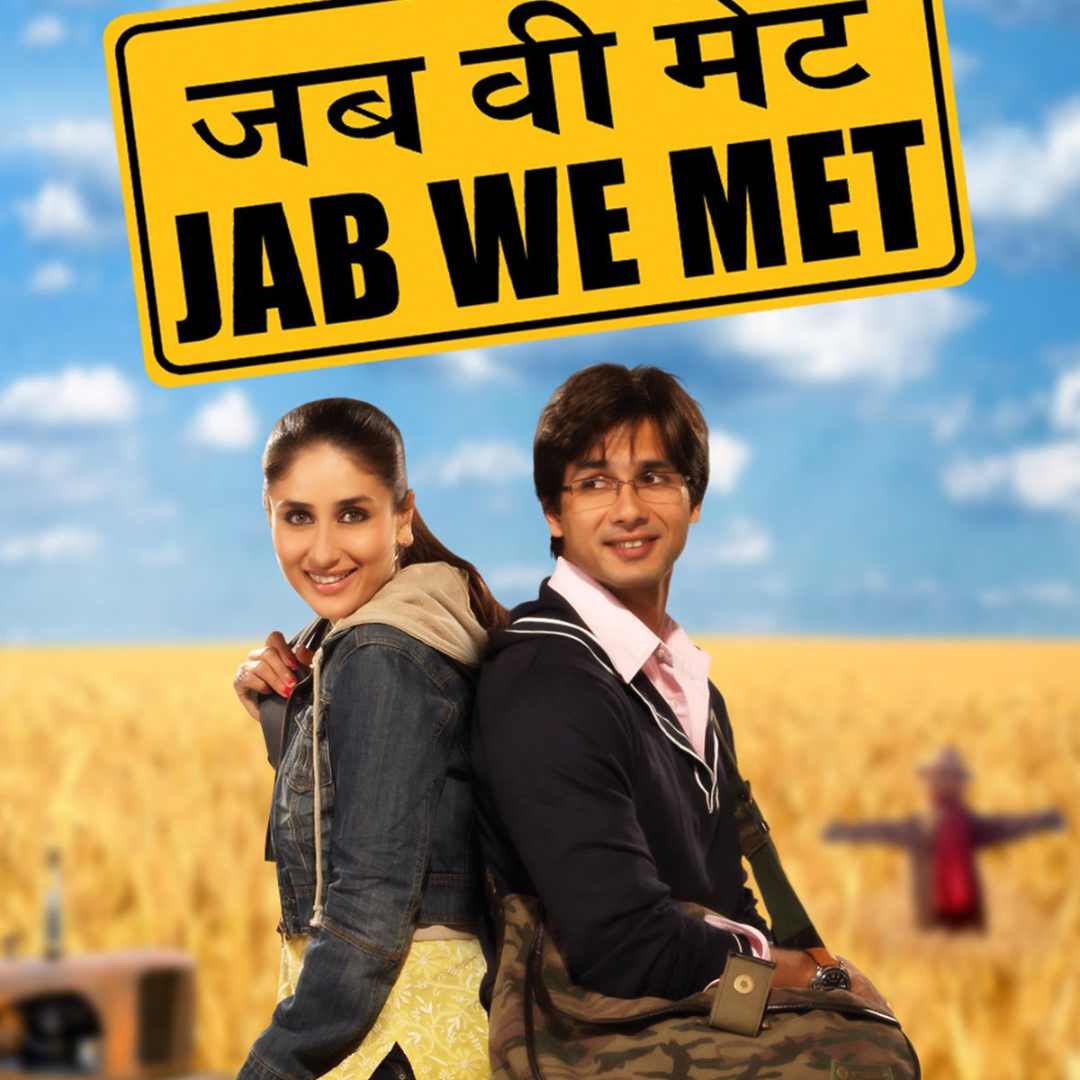
Beyond stations, railway yards and suburban platforms across Maharashtra have also become recurring cinematic spaces. Wadi Bunder Yard hosted shoots for Kaminey, Jab We Met and Sacred Games. Meanwhile, Chouk Railway Station appeared in Dabangg starring Salman Khan.
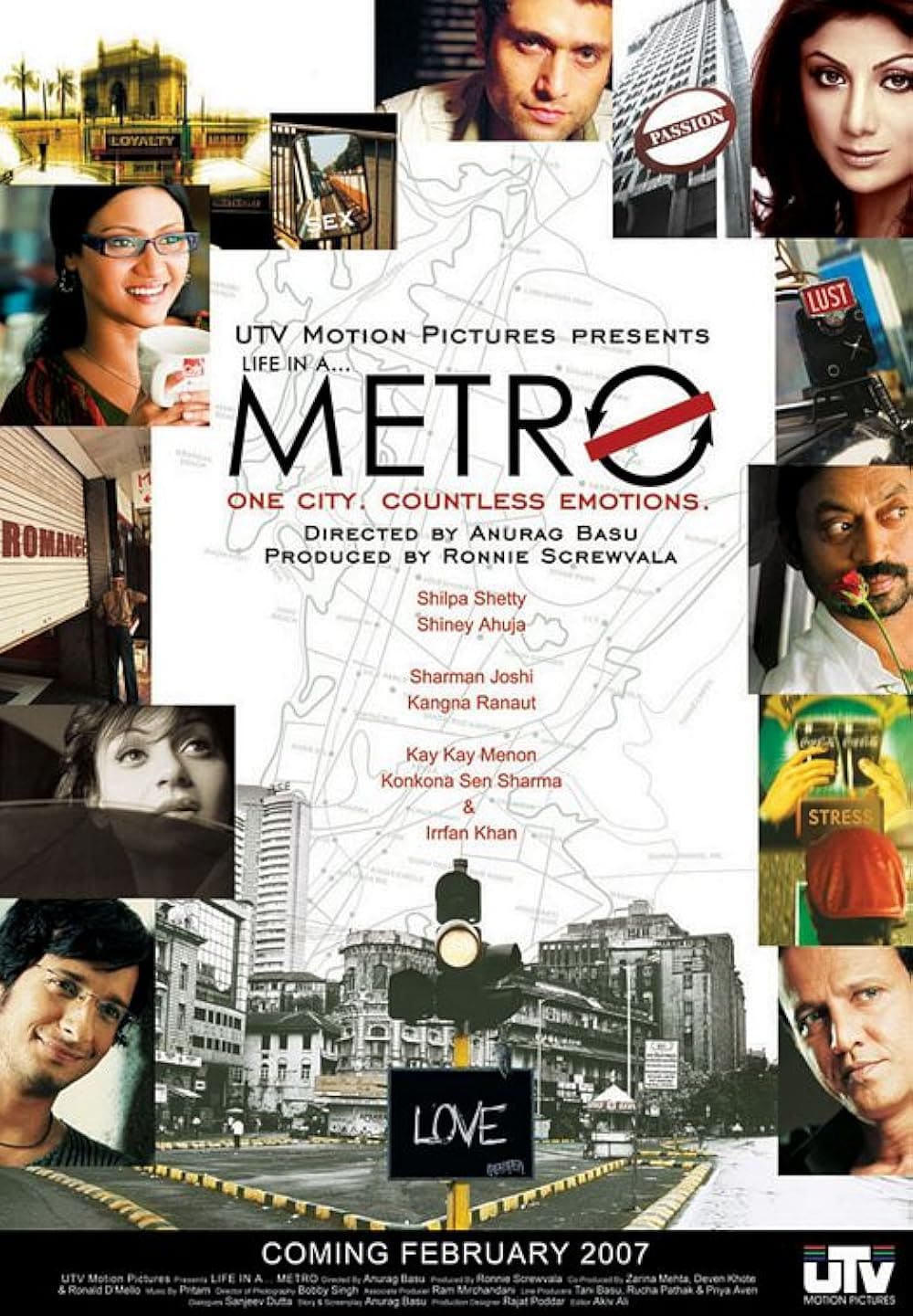
Suburban stations such as Dadar Railway Station, Sion Railway Station, Panvel Railway Station, Sanpada Railway Station have also featured in films like Life In A… Metro, Dombivli Fast and Darbar. Other scenic railway locations attracting filmmakers include Pune, Lonavala, Wathar, Chandrapur, Neral, Matheran and Khandala.
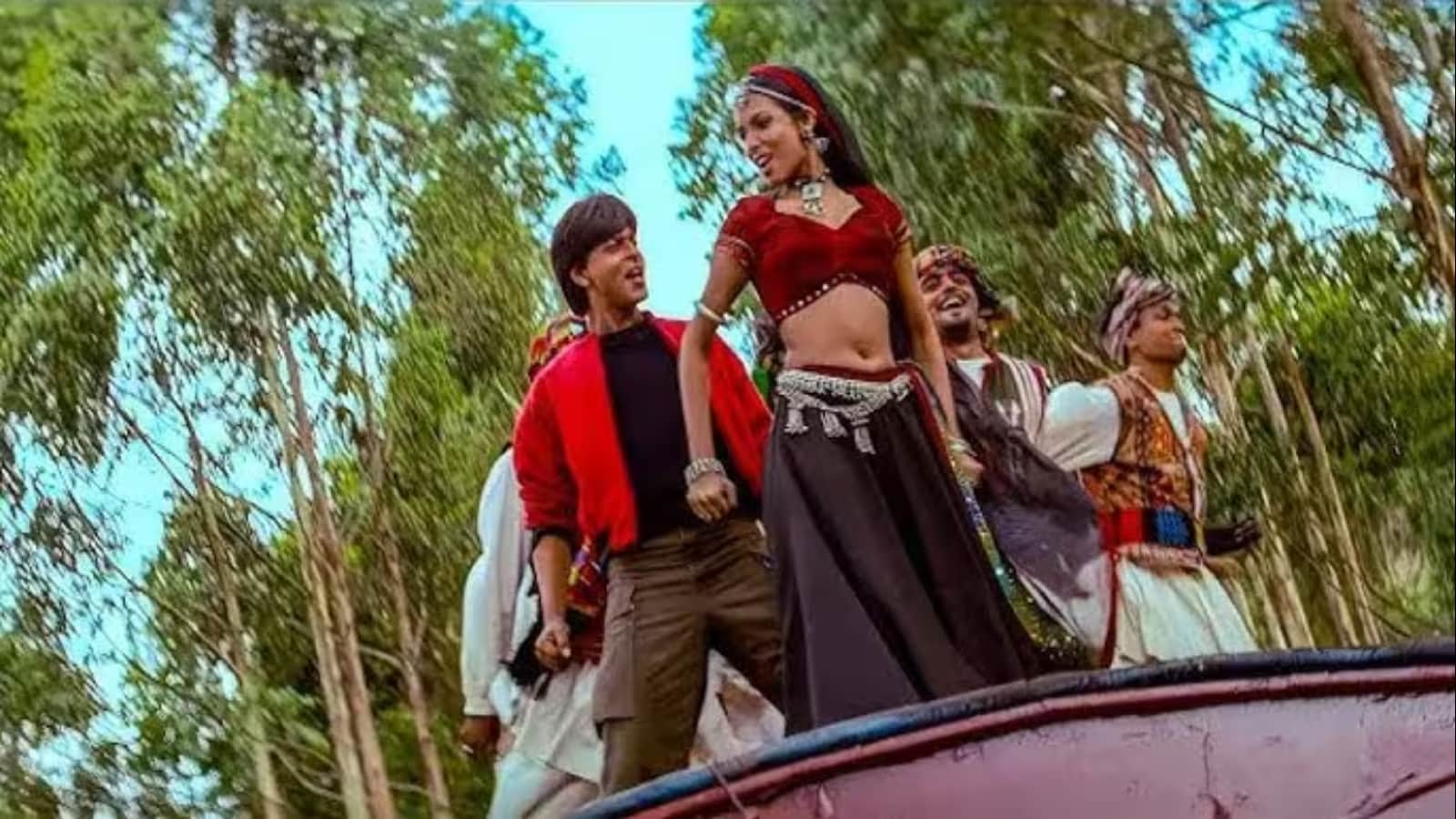
According to Central Railway officials, film and web-series productions have also emerged as a notable revenue source. Over the past three financial years, Central Railway earned nearly Rs 2.29 crore through close to 30 film and web-series shoots. The earnings included Rs 94.45 lakh in FY 2023-24, Rs 40.13 lakh in FY 2024-25 and Rs 94.62 lakh in FY 2025-26, as reported by Deccan Herald.

To simplify permissions for filmmakers, Central Railway has introduced a streamlined “single-window” approval mechanism. A dedicated Public Relations cell now processes applications for film shoots while ensuring adherence to operational and safety requirements. Officials said the railway network is actively promoting locations including CSMT, Apta, Panvel, Chouk, Neral, Matheran, Lonavala, Khandala, Wathar and Satara as potential filming destinations.
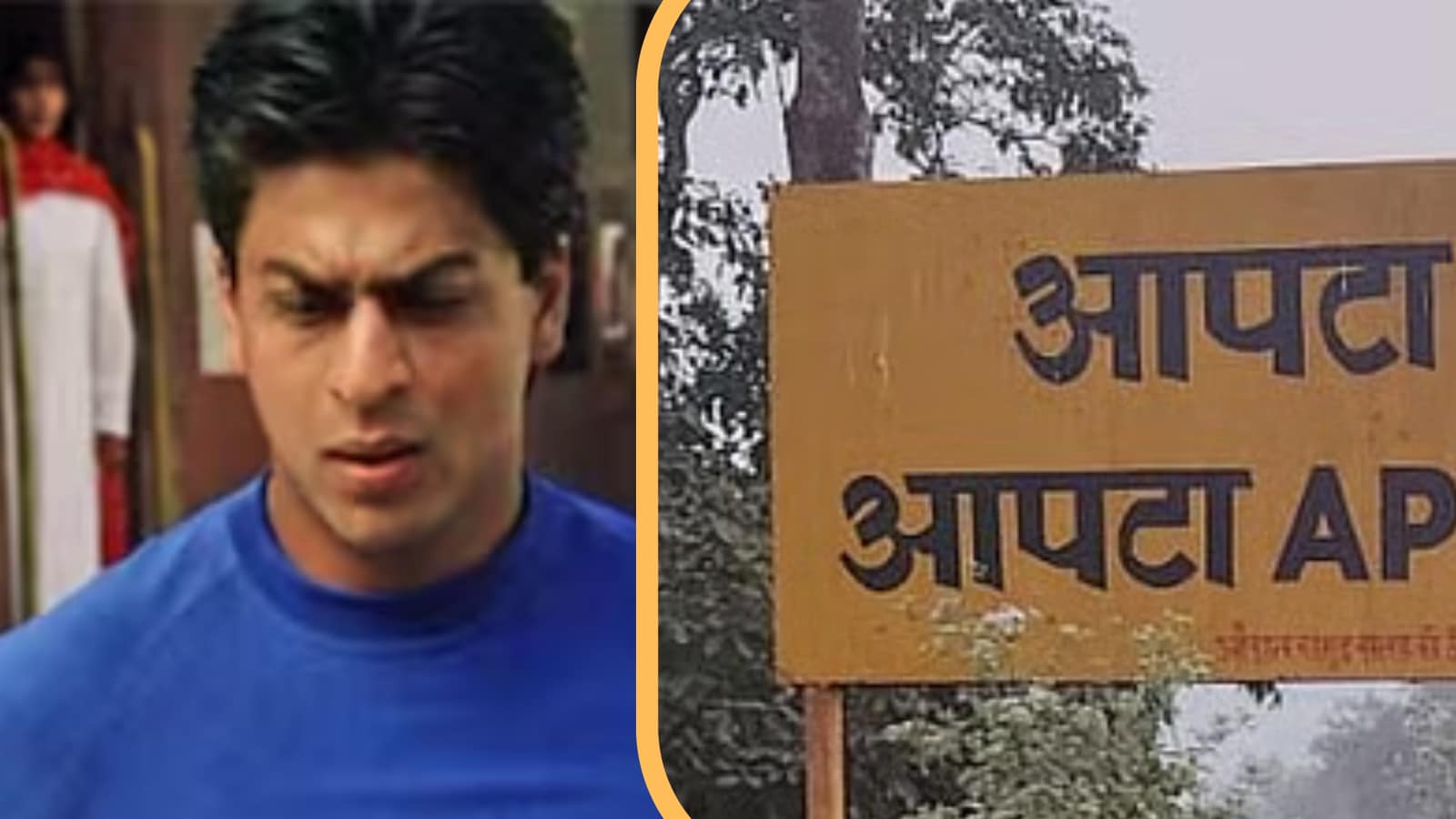
Recently, Anupam Kher revisited Apta station while shooting for his upcoming film Flicker. Recalling the legendary final sequence of Dilwale Dulhania Le Jayenge, Kher remarked that returning to the platform felt as though “time had stood still”. For generations of Bollywood audiences, Apta today represents more than a railway station. It has become a place deeply woven into Hindi cinema’s emotional and visual history.