- August 18, 2026
What Is Surrogate Advertising? The Cardamom-For-Tobacco Trick That’s Put SRK, Ajay Devgn In The Dock
Last Updated:
Why does a Vimal Elaichi ad look like a gutkha promotion? Here’s what surrogate advertising means, what the law says and why three actors got notices


The three actors have been given 15 days to respond to the Maharashtra FDA’s notices.
Mumbai News: You may have seen the Vimal Elaichi advertisement on television or while watching videos on YouTube, with the familiar ‘Bolo Jubaan Kesari‘ line appearing at the end.
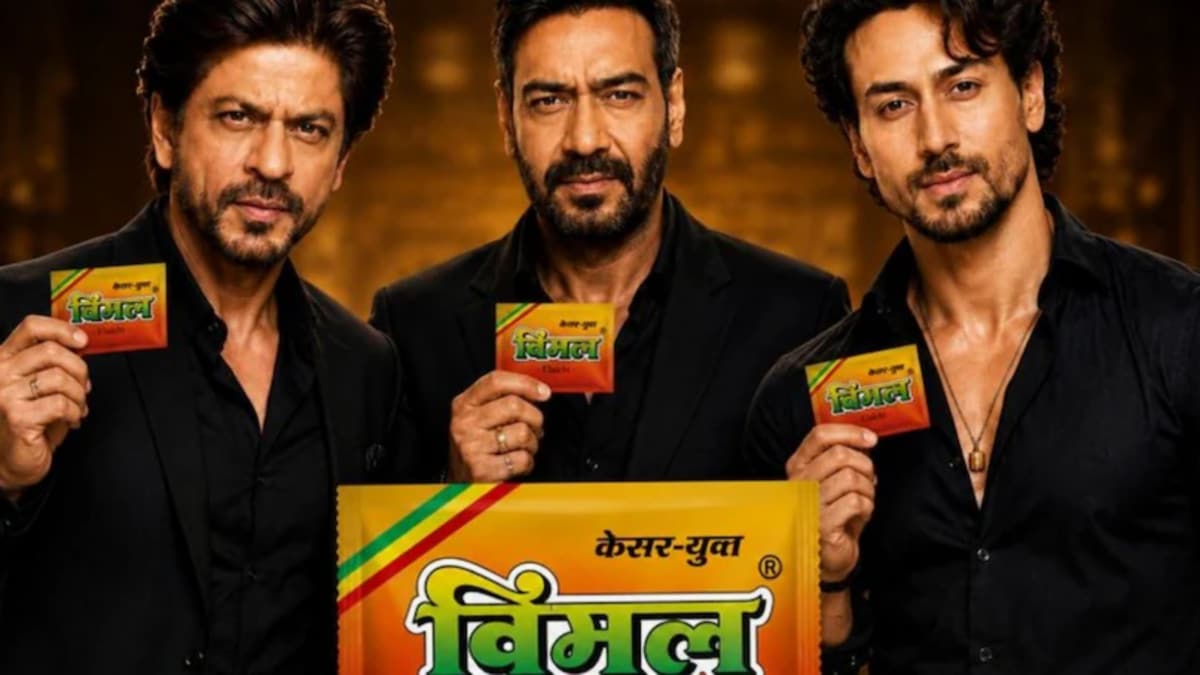
The Vimal Elaichi advertisement features actors Shah Rukh Khan, Ajay Devgn and Tiger Shroff, who are seen throwing saffron at each other. Although the advertisement is presented as a promotion for Vimal Elaichi, the Maharashtra Food and Drug Administration (FDA) has questioned whether it indirectly promotes Vimal’s pan masala brand.
The controversy has now put the three actors under regulatory scrutiny, with the Maharashtra FDA issuing them notices over alleged surrogate advertising.

The issue is particularly significant because pan masala containing tobacco or nicotine, including gutkha, has been banned in Maharashtra.
What Is Surrogate Advertising?
Surrogate advertising refers to a promotional strategy in which a company advertises a product that is legally permitted to be promoted but uses branding, imagery or other elements associated with a restricted or prohibited product.
The term ‘surrogate’ essentially means something that acts in place of another.
For example, when direct advertising of a tobacco, gutkha, pan masala or alcohol product is prohibited, a company may promote another product under the same or a closely associated brand name. These products can include cardamom, mouth fresheners, mineral water or soda.
The concern arises when the advertisement uses the same brand identity, colours, packaging, slogans or other imagery in a way that reminds consumers of the restricted product.
In the Vimal case, the FDA is examining whether the Elaichi advertisement effectively reminds consumers of Vimal pan masala despite ostensibly promoting cardamom.
Similar strategies have historically been seen in advertisements for alcohol and tobacco-related brands, where products such as soda, music CDs, water or mouth fresheners have been promoted under the same branding.
Why Is Vimal’s Ad Being Questioned?
According to the Maharashtra FDA, the presentation of the Vimal Elaichi advertisement, its dialogue, product name and market positioning raise questions over whether it amounts to indirect or surrogate promotion of a banned tobacco product.
The regulator has also pointed to the role of the three actors, who appear as brand ambassadors in the advertisement.
The FDA has therefore sought explanations from Shah Rukh Khan, Ajay Devgn and Tiger Shroff regarding their participation in the campaign.
Why Is Pan Masala Banned In Maharashtra?
Gutkha and pan masala containing tobacco or nicotine have been prohibited in Maharashtra since 2012 under Section 30(2)(a) of the Food Safety and Standards Act, 2006. The prohibition is extended periodically.
The ban was most recently reimposed for another year from July 13, 2026, according to the information cited by the FDA in the matter. This makes advertisements that could potentially promote such products indirectly a particular area of regulatory concern in the state.
What Does The FDA Notice To The Actors Say?
The Maharashtra FDA has given Shah Rukh Khan, Ajay Devgn and Tiger Shroff 15 days to submit written explanations along with supporting documents. They can submit the response personally or through an authorised representative.
The notices seek information and action on several aspects of the advertisement.
The key directions include:
- Stop participating in and endorsing the Vimal Pan Masala/Cardamom advertisement immediately.
- Remove the advertisement and promotional material from their social media accounts.
- Refrain from providing any further support or assistance for broadcasting, publishing, disseminating or promoting the advertisement.
- Provide details of relevant agreements and contracts connected with the endorsement.
The FDA’s action means the actors have been asked to explain their role and respond to the regulator’s concerns rather than being treated as having already been found guilty of an offence.
What Does The Food Safety Law Say?
The FDA has cited provisions of the Food Safety and Standards Act, 2006, as well as the Food Safety and Standards (Advertising and Claims) Regulations, 2018.
- Section 24: It deals with advertisements and prohibits misleading or deceptive advertisements relating to food products.
- Section 53: It provides for penalties relating to misleading advertisements. A person involved in publishing a misleading food advertisement can face a fine of up to Rs 10 lakh.
The applicability of these provisions to the Vimal advertisement will depend on the findings of the regulatory process.
What Does The Consumer Protection Law Say?
Surrogate advertising is also relevant under India’s consumer protection framework. The Central Consumer Protection Authority (CCPA), under the Department of Consumer Affairs, issued the Guidelines for Prevention of Misleading Advertisements and Endorsements for Misleading Advertisements in 2022.
The guidelines were introduced to curb misleading advertising and set standards for endorsements, including situations where advertisements could mislead consumers.
The CCPA was established under Section 10 of the Consumer Protection Act, 2019, with powers to regulate matters relating to consumer rights, unfair trade practices and misleading advertisements.
What Is A Misleading Advertisement?
Under Section 2(28) of the Consumer Protection Act, 2019, a misleading advertisement can include an advertisement that:
- Misrepresents the product or service.
- Gives a false representation or is likely to mislead consumers about its nature, origin, quality or quantity.
- Makes a direct or indirect representation that would amount to an unfair trade practice if made on behalf of a manufacturer, seller or service provider.
- Deliberately conceals important information.
These provisions are relevant when regulators examine whether an advertisement’s presentation could cause consumers to associate the promoted product with another product or brand.
Famous Examples Of Surrogate Advertising
The Vimal controversy is not the first instance in which a permitted product has been accused of indirectly promoting a restricted product.
Rajnigandha Pearls And Baba Elaichi
Brands such as Rajnigandha Pearls, Kamala Pasand and Baba Elaichi have used cardamom or mouth freshener products in advertising while retaining branding associated with their pan masala products.
Actor Akshay Kumar, for instance, has appeared in advertisements for Baba Elaichi.
Imperial Blue Music
Imperial Blue’s advertising has famously used its music CDs as the promoted product, with advertisements building recognition around the Imperial Blue brand.
The campaign has been widely associated with the liquor brand despite the advertised product being music-related.
Bagpiper Soda
Bagpiper has also advertised soda under its brand name. Its campaigns, including those featuring Ajay Devgn and other celebrities, have become well known.
Critics of such advertising argue that consumers may associate the branding with Bagpiper’s alcoholic beverage rather than only the advertised soda.
Kingfisher Soda And Water
The Kingfisher brand has promoted products such as soda and packaged water, while the same brand is strongly associated with beer.
The brand’s wider advertising has therefore often been cited in discussions around surrogate promotion.
Royal Stag Music
Royal Stag’s ‘Make It Large’ campaign has promoted music and entertainment while using the brand identity associated with Royal Stag whisky.

Celebrities including Shah Rukh Khan and Ranveer Singh have featured in campaigns associated with the brand.
McDowell’s No. 1 Soda
McDowell’s No. 1 has similarly used soda advertising, with campaigns built around the brand’s identity and slogans.
Such examples have contributed to the wider debate over whether promoting a legal product can indirectly create visibility for a restricted product carrying the same branding.
What Happens Next In The Vimal Case?
For now, the three actors have been given 15 days to respond to the Maharashtra FDA’s notices. The regulator has also directed that participation in and promotion of the advertisement be stopped and that promotional material be removed from social media.
The next stage will depend on the explanations and documents submitted by the actors and the FDA’s assessment of whether the advertisement violates applicable food safety and advertising rules.
The central question remains whether the Vimal Elaichi advertisement is simply promoting cardamom or whether its branding, presentation and messaging amount to an indirect promotion of a prohibited pan masala product.
Key Questions Answered
 Ask News18
The Maharashtra FDA has intensified its actions against violations of food safety regulations. The Food Safety and Standards Act of 2006, specifically Section 24, prohibits misleading or false claims in food advertisements. Additionally, Section 53 of the Act indicates that individuals involved in such advertisements could face penalties of up to 10 lakh rupees.
Ask News18August 18, 2026, 15:58 IST
Read More