- October 9, 2026
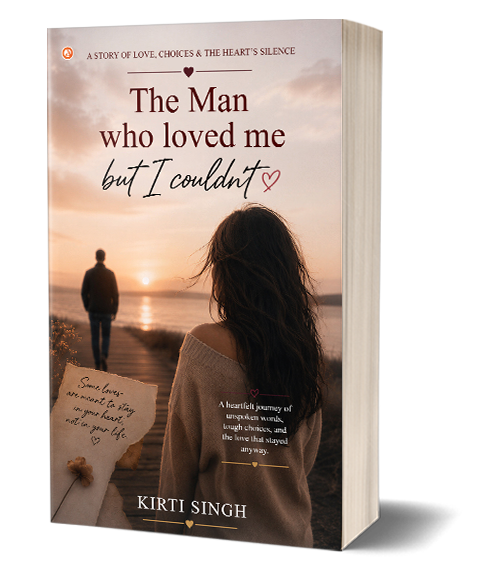
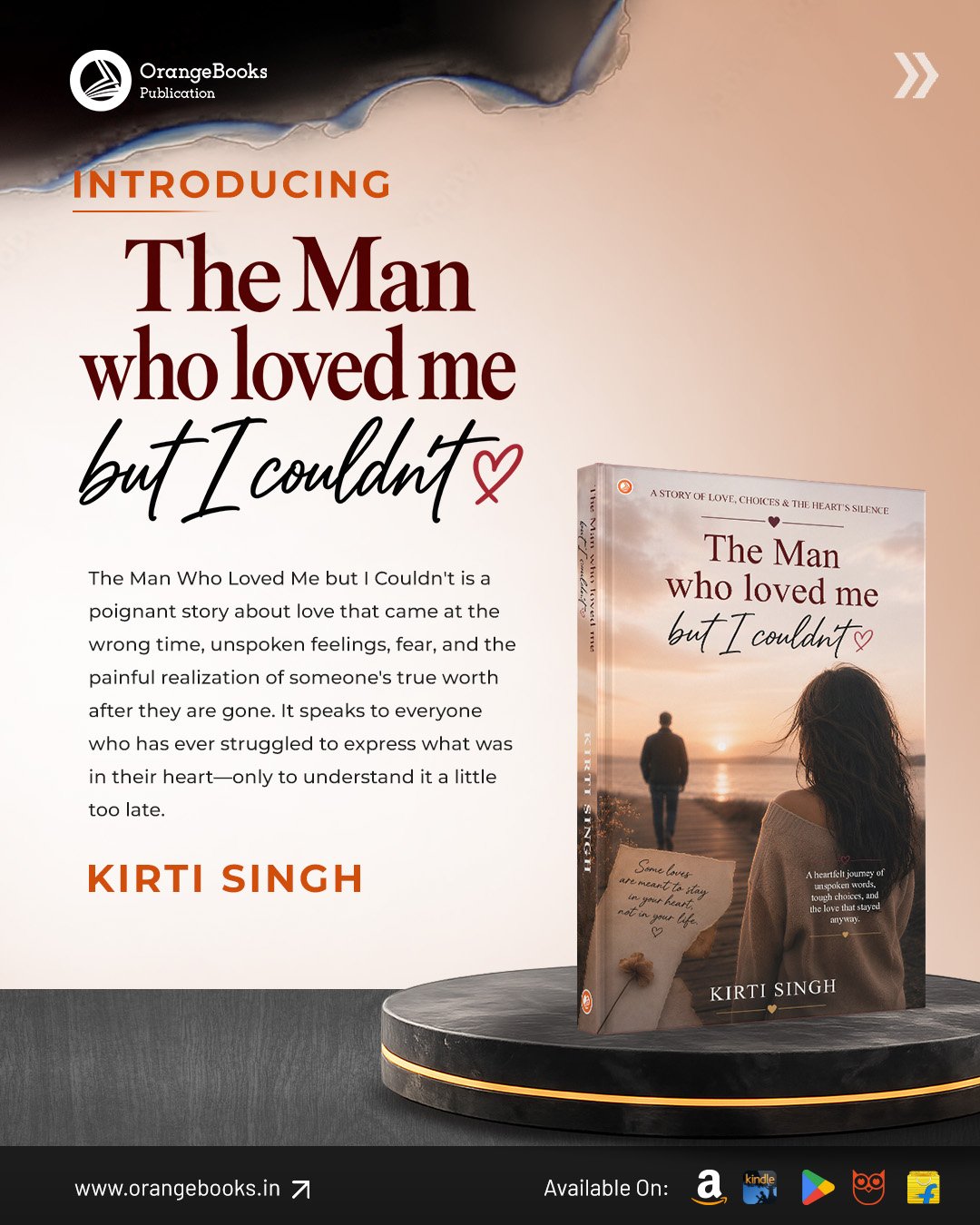
Kirti Singh Talks About Her Book “The Man who loved me but I couldn’t”
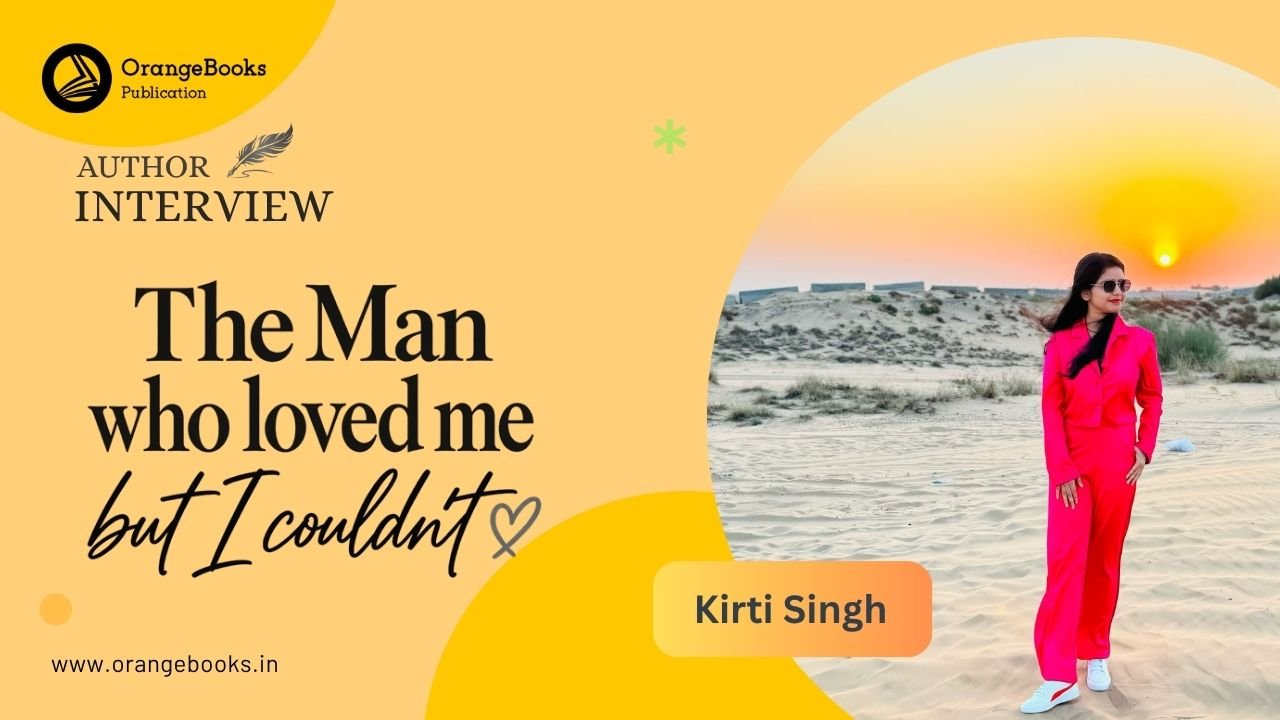
About the Author:
Kirti Singh is a writer, a dreamer and a travel content creator. She has had the dream of becoming an author since she was thirteen years old. A lover of words, stories and emotions she believes that writing has the power to make people feel to heal and to see themselves in places they never thought possible. Whether she is exploring a place or writing the thoughts that live quietly inside the heart Kirti finds inspiration in people in journeys in emotions and, in the stories that shape us. Through her work she hopes to inspire people to believe in their dreams to embrace their emotions and to never stop becoming the person they are meant to be. For Kirti this is not the end of a dream. It is the beginning of one.
Exclusive interview with the author
Q: What Inspired You To Write This Book?
A: The book began with a question: What happens when someone receives genuine love but is not emotionally ready to understand it? I wanted to explore the complicated space between wanting to be loved and being afraid of what that love might mean. The story grew from that idea into a reflection on fear, vulnerability, timing, regret, and the things we sometimes understand only after they are gone.
Q: Can You Tell Us About The Book?
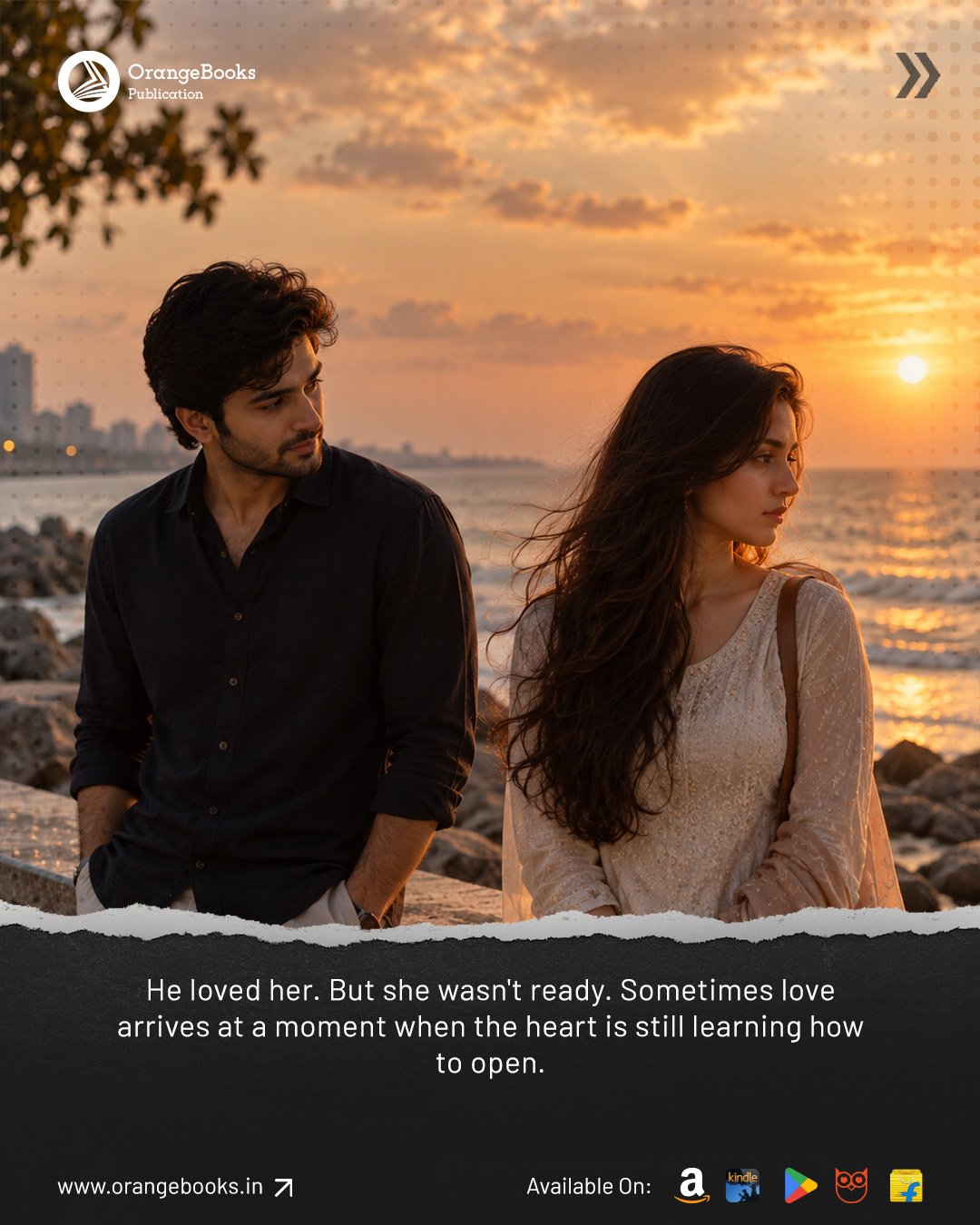
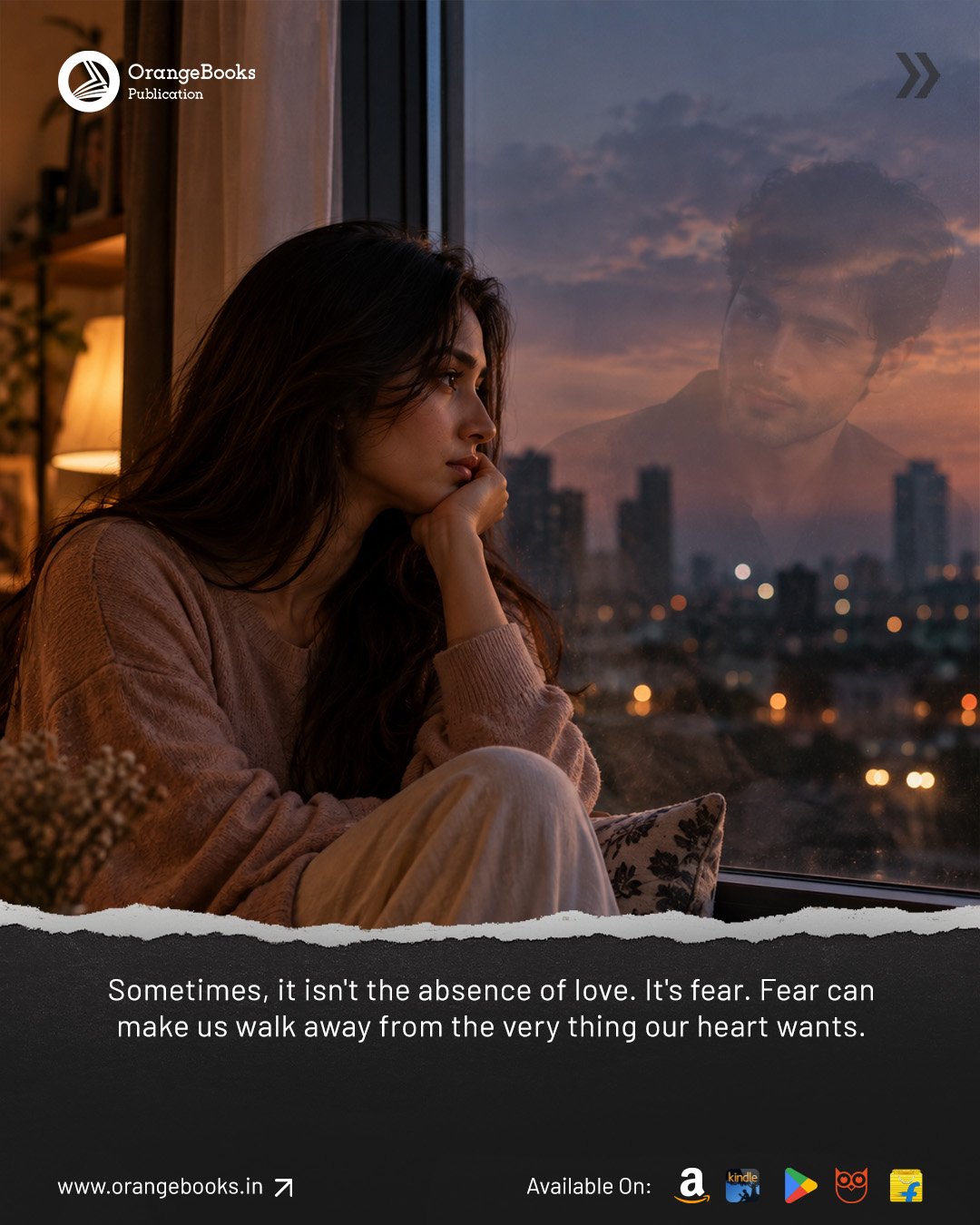
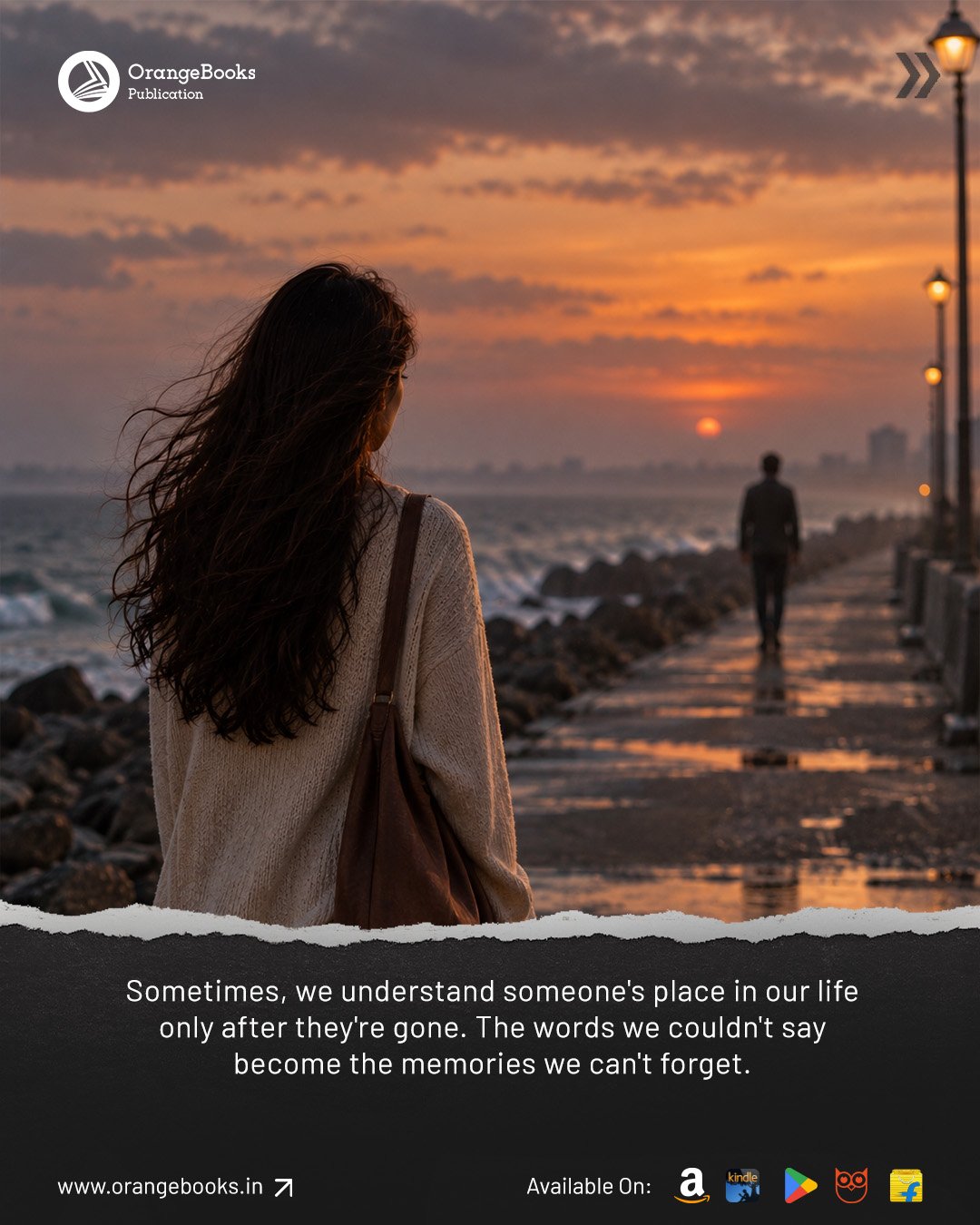
A: The Man Who Loved Me But I Couldn’t is a story about love, fear, timing, and the things we sometimes understand only after they are gone. It follows a woman who meets someone who loves her with patience and sincerity, but instead of simply accepting that love, she keeps questioning it. Her past makes her afraid of losing him, and ironically, that fear slowly creates the distance she is trying to prevent.
Q: What Does The Title Mean?
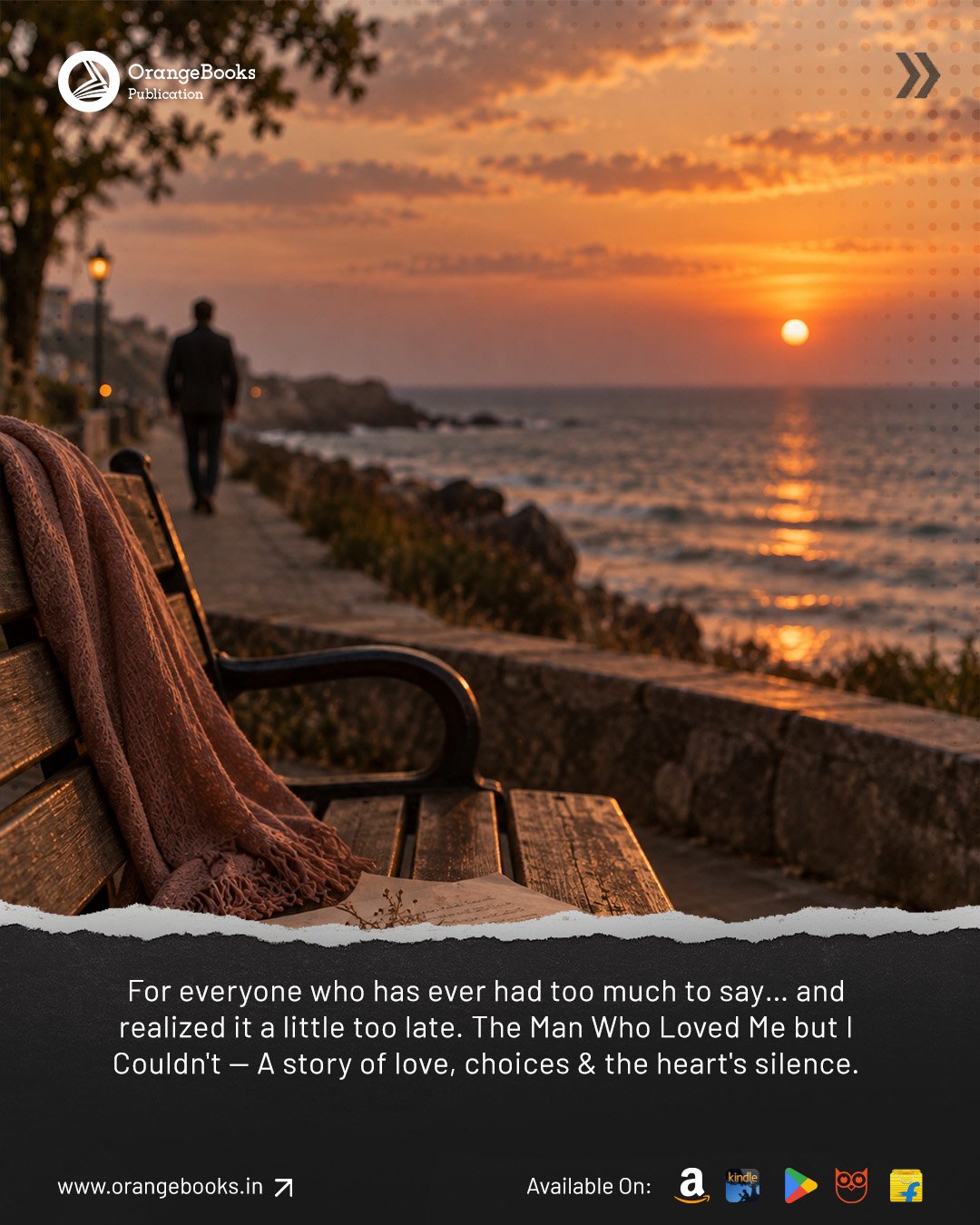
A: The title is deliberately unfinished: “The Man Who Loved Me But I Couldn’t.”The title represents that inability—not the absence of love, but the inability to express and receive it at the right time.
Q: What Did You Learn When Writing The Book?
A: I learned that being loved and knowing how to receive love are two very different things. I also learned that fear can sometimes disguise itself as independence, distance, confusion, or even self-protection. We can spend so much time preparing ourselves for something to go wrong that we fail to experience what is actually happening in front of us. Most importantly, I learned that healing is not always about getting someone back. Sometimes it is about understanding why you behaved the way you did, forgiving yourself, and becoming someone who can receive love without constantly expecting it to disappear.
Q: Do You Have Any Suggestions To Help Others To Become A Better Writer? If So, What Are They?
A: Read a lot, write regularly, and don’t be afraid of writing badly in the beginning. I also think writers should pay attention to their own voice instead of constantly trying to sound like someone else. The first draft doesn’t have to be perfect. It just has to exist. And most importantly, finish what you start. You learn a lot about writing by actually completing a piece of work.
Q: What, In Your Opinion, Are The Most Important Elements Of Good Writing?
A: For me, good writing needs honesty, clarity, emotion, and a strong voice. The words don’t always have to be complicated. Sometimes the simplest sentence can have the greatest impact if it expresses something people genuinely feel. I also think structure matters. Even emotional writing needs direction so that the reader feels like they are going somewhere rather than simply reading disconnected thoughts.
Q: What Does Success Mean To You? What Is The Definition Of Success?
A: For me, success is not only about sales, numbers, or recognition. Success is creating something that makes another person feel understood. If someone reads my book and finds words for an emotion they couldn’t explain themselves, that means a lot to me.
Q: Where Do You Get Your Greatest Ideas For Writing?
A: My greatest ideas usually come from things that make me stop and think. It could be an emotion, a conversation, an observation about someone, a place I’ve visited, or even a question that stays in my mind long after the moment has passed. I think ideas often begin very quietly. Something catches your attention, you keep thinking about it, and eventually you realise there is a story inside it.
This book is published by OrangeBooks Publication. All rights are reserved with the author & the publisher.