- October 18, 2026
Medical Emergency Costs More Than Insurance Covers? How To Protect Your Savings
Last Updated:
Insurance covered only part of your bill? Learn how to arrange a medical shortfall without draining savings.
Facing an unexpected medical bill shortfall can put immense financial pressure on any family, especially when health insurance falls short of the total treatment cost. When a ₹5 lakh hospital bill leaves a ₹3 lakh unpaid gap, making impulsive financial decisions like wiping out liquid savings or taking high-interest loans- can jeopardize your long-term security. According to Jose Peter, Co-Founder & CEO of Arogya Finance, managing this shortfall requires a balanced strategy that considers post-discharge rehabilitation, itemized billing checks, low-cost financing, and emergency liquidity. Here is your essential financial guide on how to arrange ₹3 lakh for unpaid hospital bills without depleting your savings.
Before deciding how to fund a ₹3 lakh shortfall, evaluate likely post-discharge expenses like medicines, follow-up visits, and lost income. Differentiating between a one-time surgery and an illness requiring ongoing care ensures you retain sufficient cash for future needs. (Image: Canva)

Carefully inspect the hospital’s itemized bill against your insurer’s claim settlement letter. Identify non-payable items, room rent capping deductions, or billing errors, and raise discrepancies with the hospital or insurer before arranging funds for the remaining balance. (Image: Canva)

Ask the hospital if it offers zero-interest medical EMIs absorbed entirely by the healthcare provider. Verify that processing fees or inflated treatment prices do not negate the benefit, and ensure monthly installments fit comfortably within your regular monthly income. (Image: Canva)
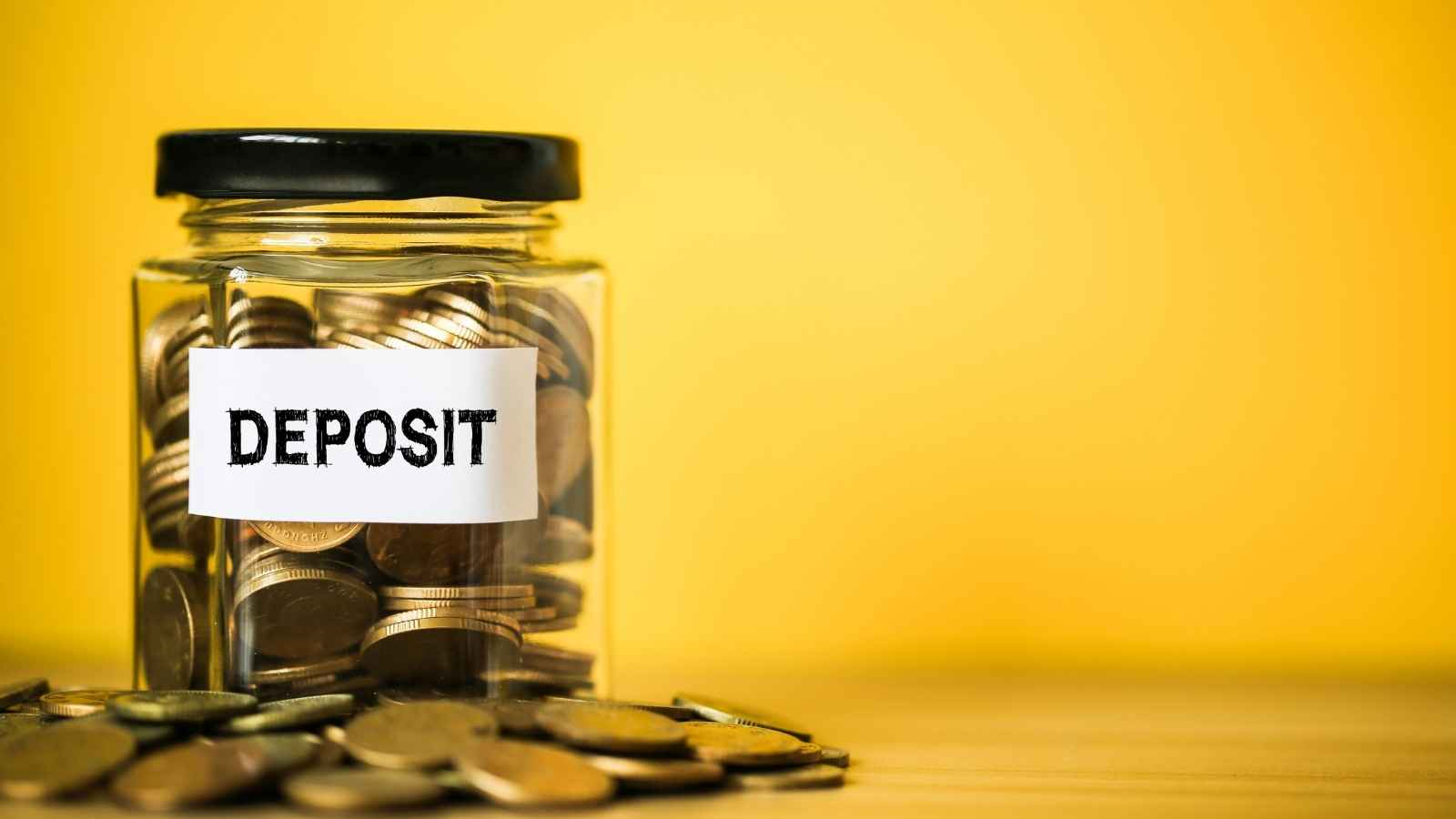
Compare premature FD closure penalties and interest loss against taking a loan against your deposit. If your FD is near maturity, borrowing against it preserves your interest earnings; for longer tenures, breaking the deposit might prove more economical. (Image: Canva)

Salaried employees can apply for partial EPF medical withdrawals under 2026 guidelines. However, since claims require processing time, EPF is unsuitable for immediate discharge payments and reduces your overall retirement fund, so use it judiciously. (Image: Canva)

Instead of exhausting all cash or taking a large loan, combine partial liquid savings with low-cost financing. This hybrid approach covers the immediate hospital bill while leaving an adequate cash cushion for post-discharge recovery and household emergencies. (Image: Canva)

Avoid raiding long-term investments meant for major life goals to clear short-term medical debts. Maintaining emergency funds and securing appropriate top-up health insurance coverage prevents future medical expenses from jeopardizing your family’s financial stability. (Image: Pexels)