- January 3, 2025
Ankit Upadhyay Talks About His Book “Dharmsikshak Manjusha”
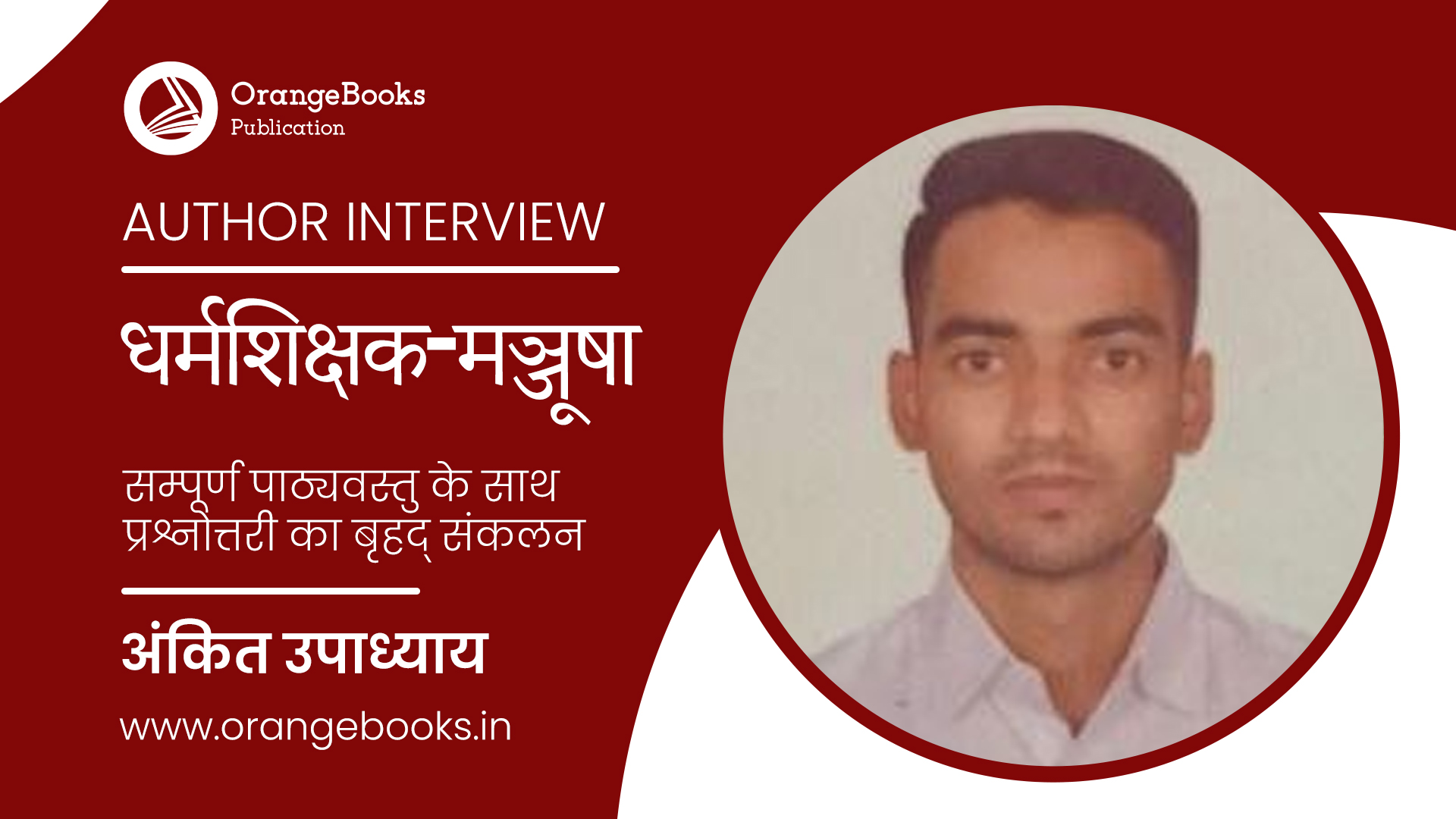
About the Author:
He has been preparing to become a Dharma teacher for the last four years, with six months of research experience on “Personality and Works of Masters of Jurisprudence” under the “Indian Knowledge Conveyor Programme-2023″. Due to his continuous efforts and dedication, many students have Has helped in achieving success.”
Exclusive interview with the author
Q: What Inspired You To Write This Book?
A:The inspiration to write this book came from my deep interest in spiritual teachings, specifically in the realm of Dharma Shikshak exams. My experiences and observations over the years have encouraged me to share this knowledge, as I believe it’s important to provide future religious teachers with the tools they need to succeed.
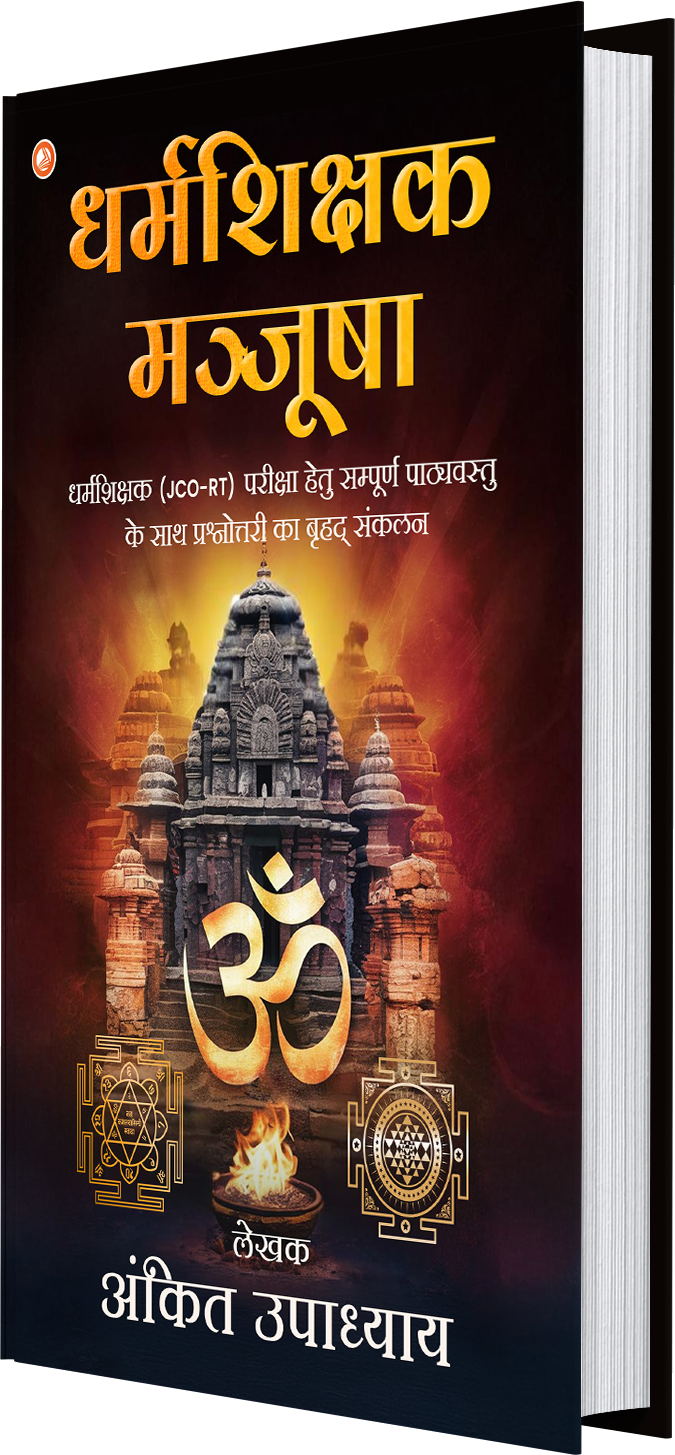
Q: Can You Tell Us About The Book?
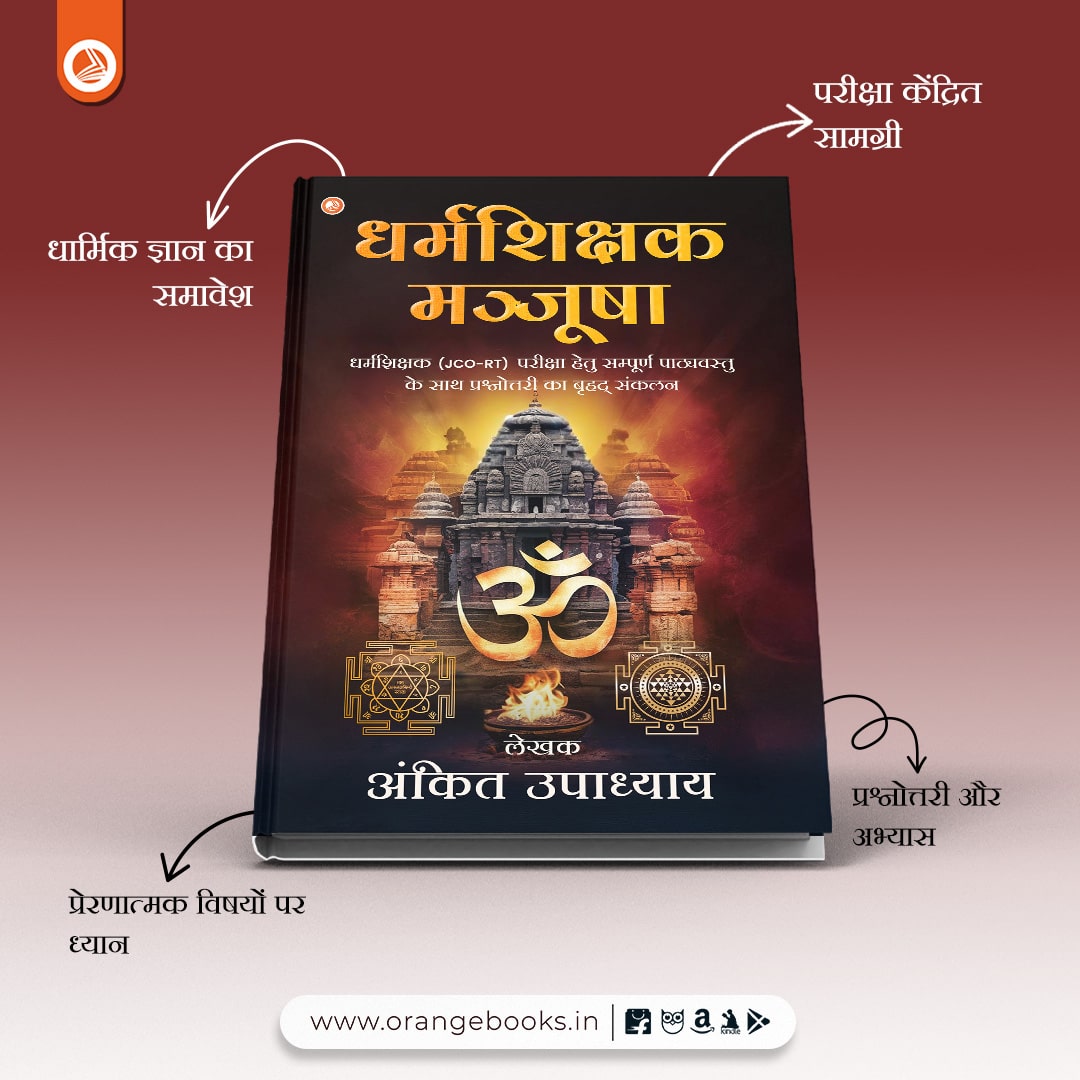
A:This book, धर्म शिक्षक मंजूषा, is a comprehensive guide aimed at preparing students for the role of a Dharma Shikshak. It includes detailed insights into various religious texts, practices, and rituals that are essential for someone preparing for the JCO-RT exam. The content is designed to be both practical and theoretical, offering a solid foundation for anyone pursuing a career in religious teaching.
Q: What Does The Title Mean?
A: The title, धर्म शिक्षक मंजूषा, translates to “The Treasure of the Religious Teacher.” It symbolizes the collection of wisdom and knowledge that one must acquire in order to teach Dharma effectively. The book serves as a resource and a guide to help aspiring teachers on their journey.
Q: Was The Character Inspired By A Real Person?
A:The content of the book isn’t based on a single character, but the teachings and experiences within are inspired by various real-life encounters, mentors, and scholars I’ve met along the way. These encounters, particularly with professors and spiritual leaders, shaped the knowledge and guidance I’ve presented in the book.
Q: How Long Does It Take You To Write A Book?
A: The time it takes to write a book varies, but this book took several months of dedicated research and writing. I started working on it seriously after preparing for the JCO-RT exam, as I realized the need for a comprehensive guide that could help others on their journey.
Q: Where Do You Get Your Information Or Ideas For Your Books?
A: My research and ideas come from a variety of sources, including classical religious texts, my own studies in the Gurukul, and conversations with professors and spiritual leaders. I also delve into the vast world of Sanskrit literature and historical accounts of Dharma Shastra. For example, I read texts like नित्यकर्म पूजाप्रकाश, दुर्गशप्तशती, वैदिक साहित्य एव संस्कृत साहित्य का इतिहास, धर्मशास्त्रांक, श्री मदभगवद्गीता, रामचरित मानस, रामायण, and महाभारत. I also explore numerous articles about Dharma and religious auspicious works to gain a well-rounded perspective.
Q: When Did You Write Your First Book And How Old Were You?
A: My first book was written after I had spent several years studying and preparing for the JCO-RT exam. It was a process that began five years ago, around the time I attended my first Indian Army interview. I was in my early twenties at the time, and it was during this preparation period that I realized the need for such a book.
Q:Do You Have Any Suggestions To Help Others To Become A Better Writer? If So, What Are They?
A:My advice to aspiring writers is simple: Keep reading, keep writing, and never give up. It’s important to develop your own voice and stick with it. Practice regularly and be open to constructive feedback from others. Also, never underestimate the importance of research and learning; the more you understand your topic, the more confident you will be in writing about it.
Q:Do You Try More To Be Original Or To Deliver To Readers What They Want?
A:While I strive to stay true to my own voice and ideas, I also consider the needs of my readers. In the case of धर्म शिक्षक मंजूषा, I wanted to ensure the content was helpful and aligned with the expectations of those preparing for the JCO-RT exam. It’s a balance of originality and usefulness to the reader.
Q: What, In Your Opinion, Are The Most Important Elements Of Good Writing?
A:Good writing should be clear, concise, and engaging. It should be well-researched and should present the material in an accessible way for the intended audience. Above all, it should stay true to the writer’s voice and purpose.
Q: What Does Success Mean To You? What Is The Definition Of Success?
A: Success, to me, is about making a meaningful impact through my work. It’s not just about recognition or numbers; it’s about knowing that my writing has helped others, whether it’s in their studies, personal growth, or understanding of spiritual teachings.
Q: How Important Is Research To You When Writing A Book?
A: Research is extremely important to me, especially for non-fiction works like धर्म शिक्षक मंजूषा. It ensures that the information I present is accurate and reliable. Thorough research also helps me gain a deeper understanding of the subject and allows me to share that knowledge with confidence.
Q: What Advice Would You Give To Aspiring Authors?
A: Persist through the challenges, keep learning, and believe in your message. Writing is a process that takes time, so focus on developing your craft, and don’t be afraid to experiment with your style and voice. Writing can change lives, including your own, if you stay dedicated.
This book is published by OrangeBooks Publication. All rights are reserved with the author & the publisher.