- March 9, 2026
Generational shift: On the Nepal election, the results

In a country that has seen political instability following every election since multiparty democracy was restored in 1990, Nepali voters have finally delivered a decisive mandate and in favour of a relatively new party. In the March 5 elections, Rastriya Swatantra Party (RSP), founded barely four years ago, won a commanding majority in the 165 directly elected seats to the House of Representatives and roughly 50% of proportional votes, decimating parties that dominated Nepali politics for decades. The RSP is not the first to secure a decisive majority under the new Constitution of 2015. In the 2017 elections, the first elections held under the federal framework, the Left Alliance of the Communist Party of Nepal (Unified Marxist-Leninist) led by K.P. Sharma Oli and the Communist Party of Nepal (Maoist Centre), helmed by Pushpa Kamal Dahal won close to a two-thirds majority. The two parties merged to form the Nepal Communist Party, but the union was voided in 2021. What followed was the familiar rigmarole of shifting alliances and a carousel of Prime Ministers — Mr. Oli, Mr. Dahal, and the Nepali Congress’s Sher Bahadur Deuba — with none able to anchor a stable government.
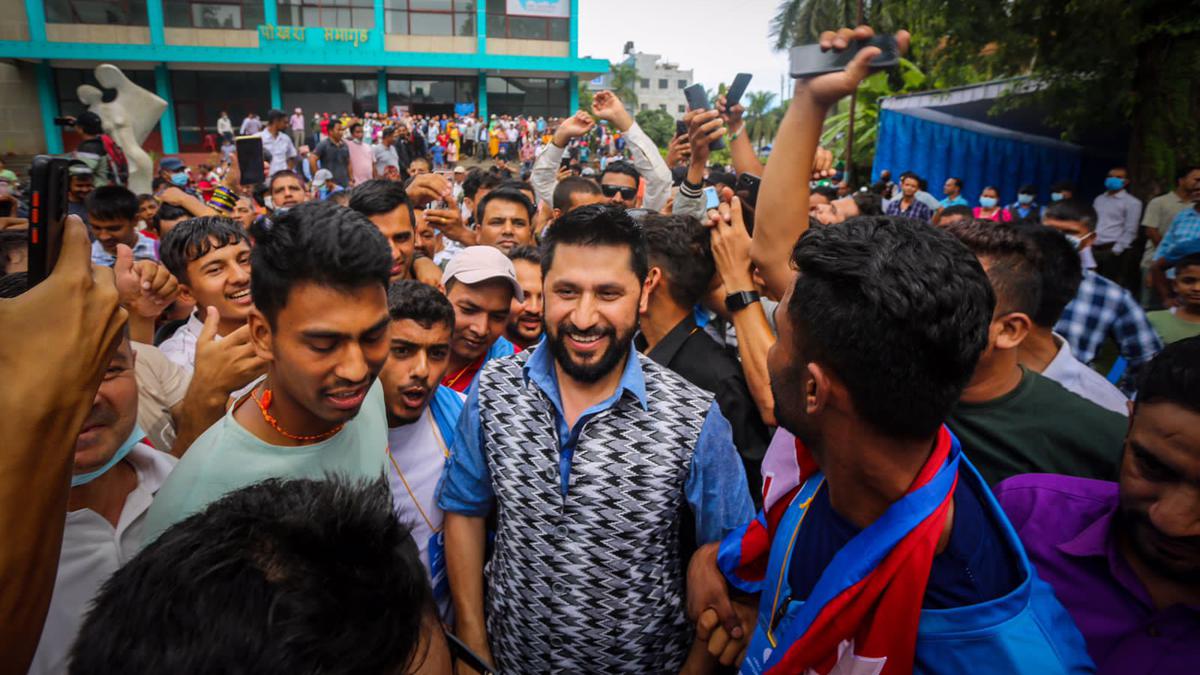
It was this “dance of the status quoists” that provoked the 2025 youth-led Gen Z uprising against entrenched corruption and patronage politics, eventually leading to Mr. Oli’s resignation and a Sushila Karki-led caretaker government. Ms. Karki creditably oversaw a largely peaceful election within a compressed timeframe. The results show that the Gen Z protests were no flash in the pan. Balendra Shah’s entry transformed the RSP’s fortunes. A former rapper who stormed into politics by winning the 2022 Kathmandu mayoral election as an independent, Mr. Shah joined the RSP in January and became its prime ministerial candidate. The 35-year-old politician defeated 74-year-old Mr. Oli by nearly 50,000 votes in his stronghold Jhapa. Mr. Shah was the choice of the Gen Z protesters when they demanded a generational shift in political leadership and a decisive break from the Oli-Dahal-Deuba troika. The scale of the RSP’s victory, including a clean sweep of all 15 seats in the Kathmandu Valley, is a powerful expression of a young electorate’s frustrations. This is a verdict against incestuous patronage politics, endemic corruption, and the dire economic conditions that have driven Nepalis to work abroad. Whether the RSP, and Mr. Shah, can translate this sweeping mandate into the institutional reform and economic revival that Nepal desperately needs remains to be seen. Considering that Mr. Shah’s tenure as mayor drew criticism for an anti-poor and technocratic approach to urban governance, the mandate must be greeted with caution.
Published – March 09, 2026 12:10 am IST