- March 28, 2026
Charu Gupta Talks About Her Book “The Unconditional Love”

About the Author:
I am a writer who believes feelings don’t need permission to exist. I write from silences, unfinished conversations, and the kind of love that stays even when it hurts. My words are slow, emotional, and deeply human—rooted in vulnerability, healing, and unconditional love. Writing isn’t something I chose; it’s how I understand my heart and give emotions a home.
Exclusive interview with the author
Q: What Inspired You To Write This Book?
A: Honestly, I never imagined that I could write a book. During my early reading phase, I always admired authors and appreciated their work, but I never saw myself as one of them.
One day, a relative visited my home and casually asked how many books I had read so far. He seemed genuinely curious. After I answered, he immediately asked me, “Why haven’t you ever thought of writing a book?” I simply smiled and brushed off the question at that moment.
But that question stayed with me. Every time I picked up a book, it echoed in my mind. Eventually, I decided to try writing—but I gave up soon after, thinking that becoming a writer wasn’t really meant for me.
A year later, while I was wandering in CP, Delhi, and visiting a gurudwara, I suddenly felt a strong urge to write something of my own. That moment felt different—like a quiet but powerful calling.
The very next day, I made a life-changing decision. I resigned from my stable job and began my journey as a writer.
So, if I have to answer honestly—no single person inspired me. It was my own intuition, my inner voice, that led me here.
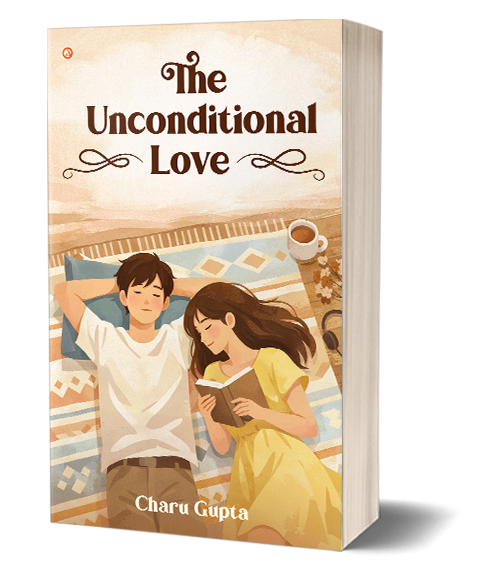
Q: Can You Tell Us About The Book?
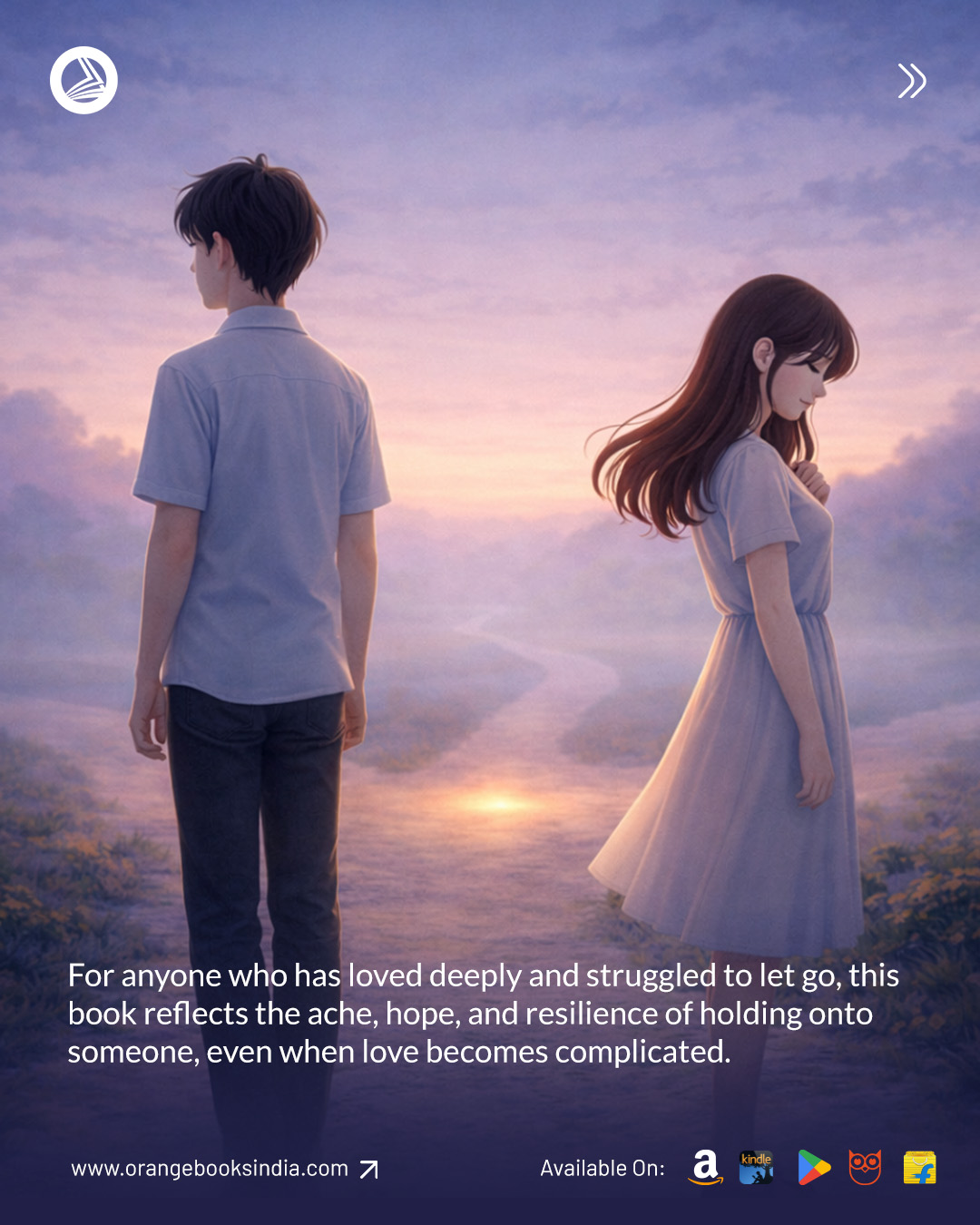
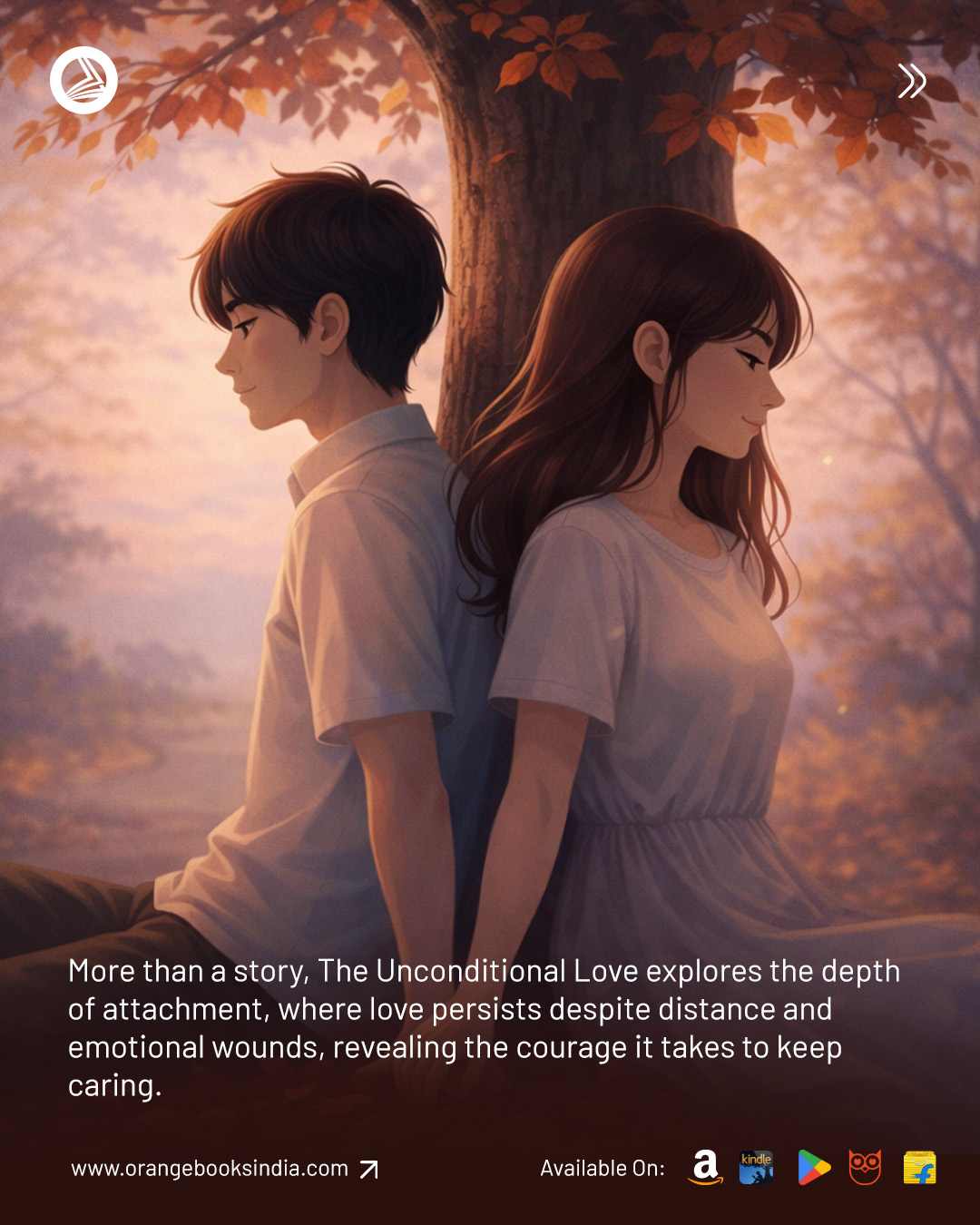
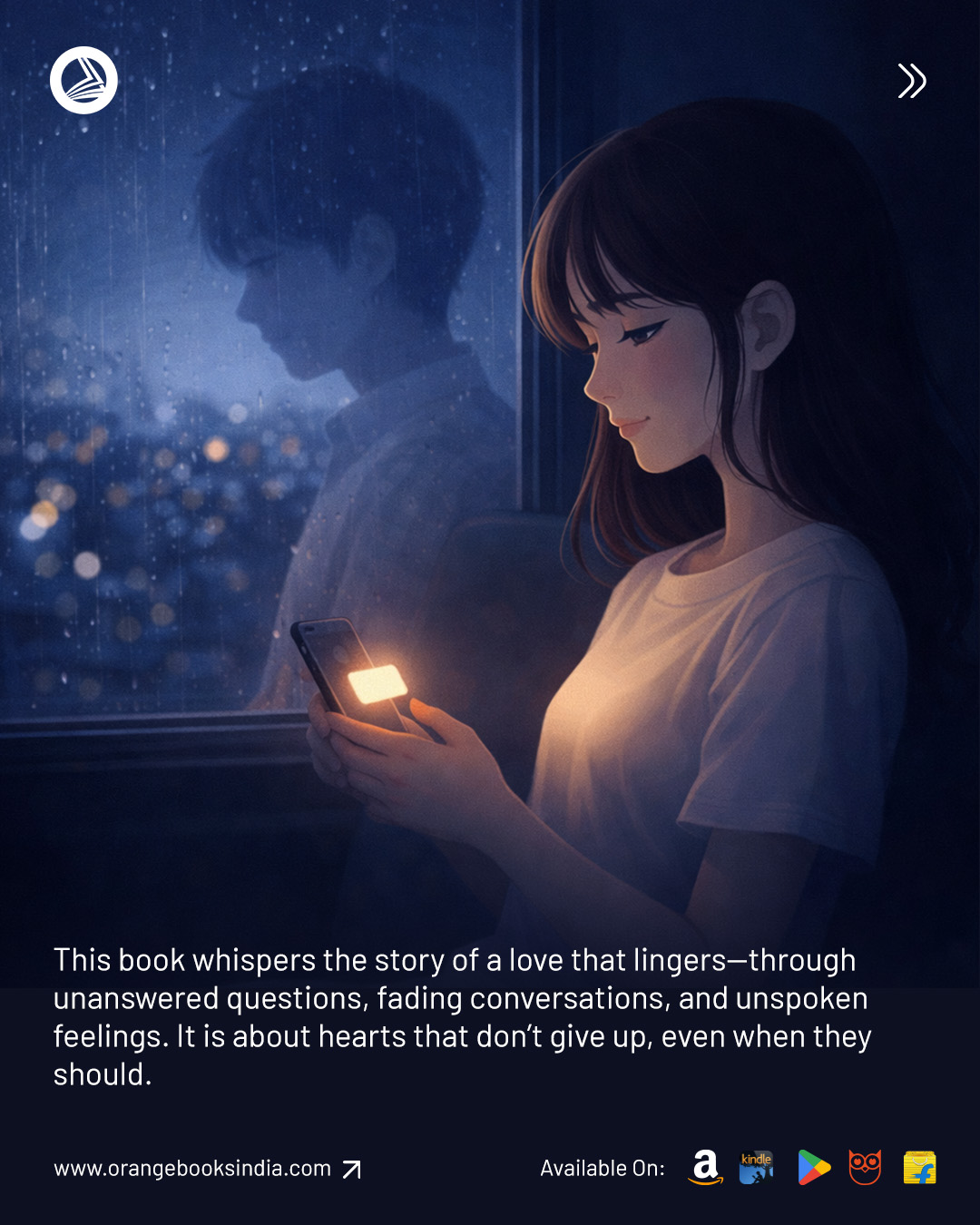
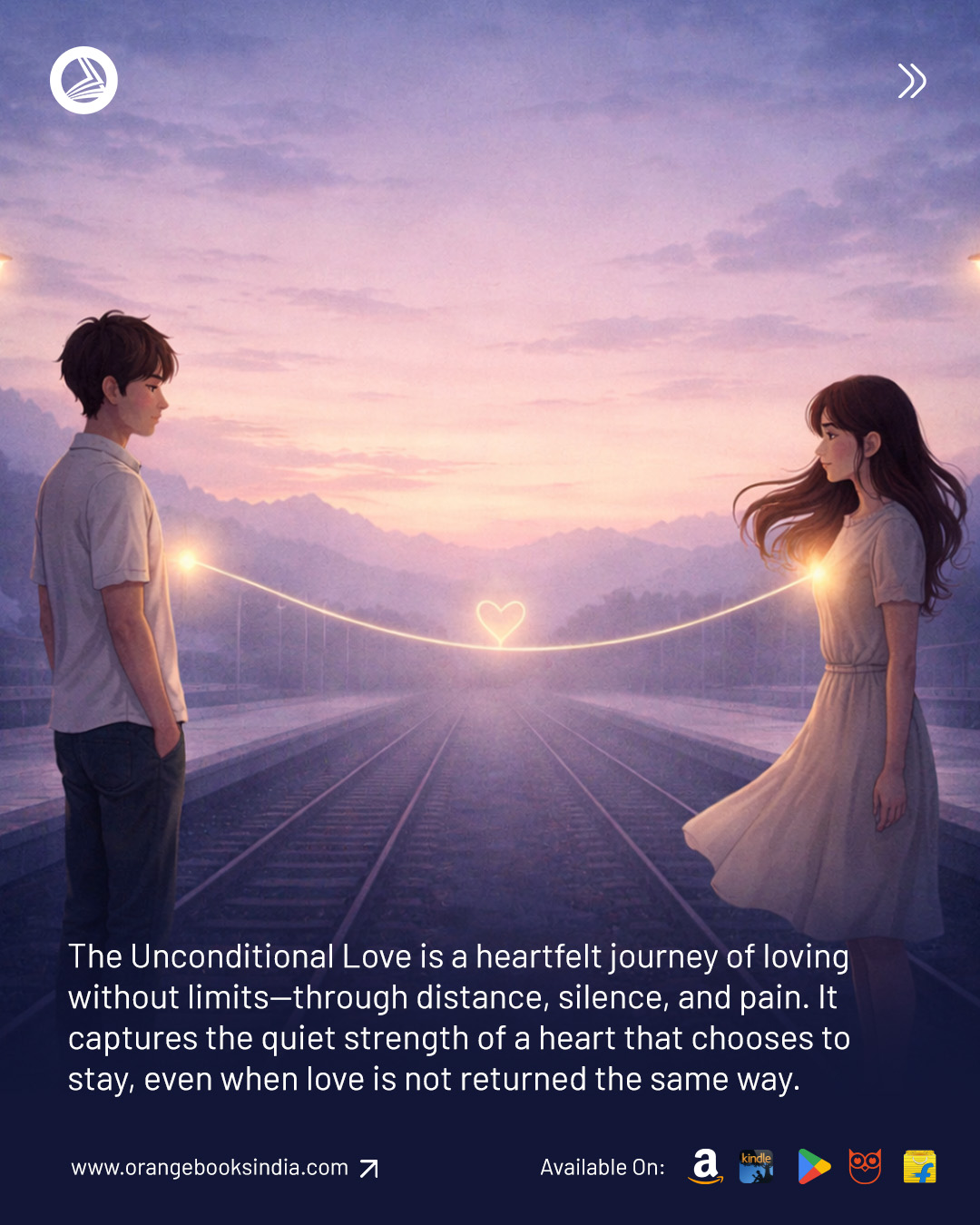
A: This book is a story about a love that goes beyond limits—where even an ending doesn’t separate two souls, but instead binds them together forever.
It may feel fictional, but deep down, I wish that everyone who has ever been in love could experience a connection like this—where, despite every obstacle, misunderstanding, or distance, love still finds its way back.
I believe love often asks for sacrifice, but somewhere, it also deserves fulfillment. This story holds onto that hope—that two hearts, truly meant for each other, will always find a way to stay, to grow, and to exist together… forever.
Q: What Does The Title Mean?
A: The Unconditional Love may sound like a simple or common title to many, but for me, it holds a much deeper meaning.
These three words carry the same weight as those three magical words—“I love you.” But in today’s generation, where those words are often said casually and have started to lose their true essence, unconditional love goes far beyond them.
It represents a kind of love that doesn’t depend on situations, misunderstandings, or circumstances. It’s pure, constant, and selfless—something that stays, even when everything else changes.
For me, the title is not just a phrase; it’s a reminder of what love is truly meant to be.
Q: Do You Have Any Suggestions To Help Others To Become A Better Writer? If So, What Are They?
A: I believe the first step to becoming a better writer is to be a genuine reader. Reading not only improves your writing style but also helps you understand different perspectives and emotions.
Secondly, don’t wait for perfection—just start writing. Your first draft doesn’t have to be perfect; what matters is expressing your thoughts honestly.
Also, trust your voice. It’s easy to get influenced by others, but what makes your writing unique is your own perspective and feelings.
And most importantly, be patient with yourself. Writing is a journey, not a race. The more you write, the more you grow.
Q: What, In Your Opinion, Are The Most Important Elements Of Good Writing?
A: In my opinion, the most important element of good writing is honesty. When your emotions and thoughts are real, readers can feel that connection instantly.
Clarity is also very important—no matter how deep the idea is, it should be expressed in a way that readers can understand and relate to.
Another key element is consistency in tone and flow. A well-written piece should feel smooth and engaging from beginning to end.
And lastly, I believe writing should have soul. It’s not just about words or structure, but about the feeling it leaves behind. If your writing can make someone feel something deeply, then it has truly done its job.
Q: What Is The Most Difficult Part About Writing For You?
A: The most difficult part about writing for me is turning emotions into words.
There are moments when I feel things so deeply, but expressing them in a way that does justice to those feelings becomes challenging. Sometimes, no matter how much I write, it still feels like something is left unsaid.
It’s also hard to revisit certain emotions while writing—because in order to make it real, you have to feel it all over again. And that can be overwhelming.
But I think that’s also what makes writing beautiful—the struggle to express, and the courage to still try.
Q: What Does Success Mean To You? What Is The Definition Of Success?
A: For me, success is about having the courage to follow your dreams.
In the times we are living in, we’ve all realized how unpredictable life can be. The past few years have shown us that we don’t always know what tomorrow holds. That understanding has changed the way I see success.
I don’t measure success only through achievements or recognition. For me, it is about living a life that feels true to who I am—a life where I choose my passion over fear.
At the end of the day, success is simple. It’s about finding peace within yourself, doing what you love, and having no regrets about the life you chose to live.
Q: Where Do You Get Your Greatest Ideas For Writing?
A: I truly believe that my ideas come from God’s plan.
There are moments when thoughts just appear unexpectedly, almost as if they were meant to find me at the right time. I see it as something beyond just imagination—it feels guided.
Along with that, my experiences, emotions, and everything I observe in life shape those ideas further. But at the core, I believe that what I write is something that was always meant to be written through me.
Q: What Advice Would You Give To Aspiring Authors?
A: If you truly want to write, don’t wait for the “right time”—it doesn’t exist.
Write when you feel lost, write when you feel everything, and even when you feel nothing at all. Don’t be afraid of imperfect words, because perfection is something you build along the way.
There will be doubts, fear, and moments when you’ll question yourself—but don’t stop. Because the moment you give up, your story remains untold.
And remember, not everyone will understand your words—but the right ones will feel them deeply.
So write like it matters… because it does.
This book is published by OrangeBooks Publication. All rights are reserved with the author & the publisher.