- September 13, 2026
Kishore Kumar At BRICS Summit 2026 – And The World Leaders, Diplomats Who Love His Songs
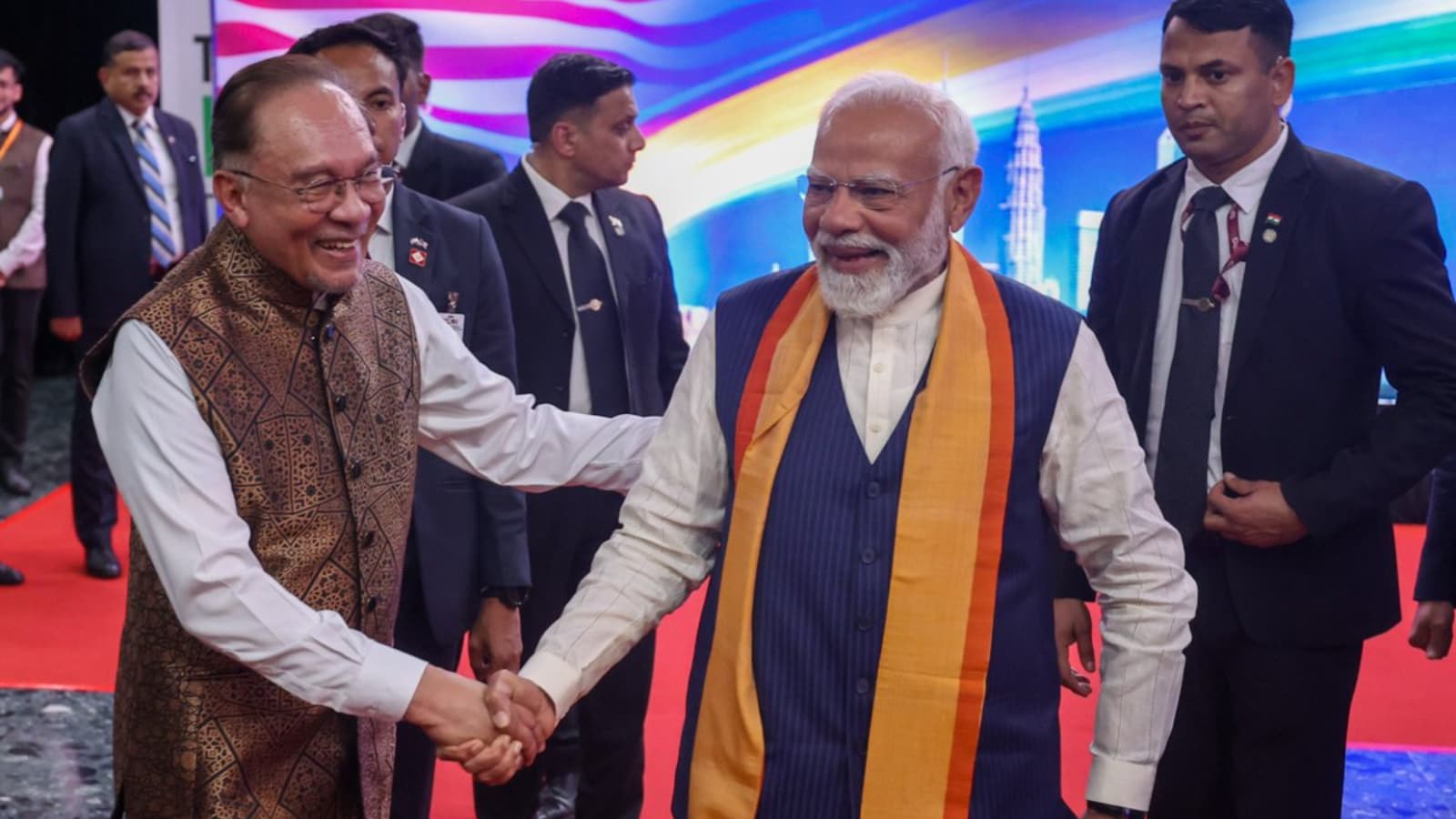
BRICS Summit 2026: When Malaysian Prime Minister Anwar Ibrahim picked up a microphone at the BRICS gala dinner in New Delhi and sang Kishore Kumar’s Khwaab Ho Tum Ya Koi Haqeeqat, it was more than an unexpected musical interlude at a gathering of world leaders. It was another reminder of the extraordinary reach of Hindi film music, and of how songs from India’s golden era continue to connect with audiences far beyond the country’s borders.

Anwar Ibrahim’s affection for Indian cinema is not new. During his 2024 state visit to India, he surprised guests at a farewell event at Delhi’s Taj Mahal Hotel by singing Mukesh’s Dost Dost Na Raha from Sangam. Reports at the time noted his admiration for Bollywood and Shammi Kapoor. The two performances also underline something distinctive about India’s cultural influence abroad: for many international figures, Hindi cinema is not simply entertainment but a shared cultural memory.

Alex Ellis Sang Kishore Kumar’s Pal Pal Dil Ke Paas: One of the most memorable examples came from former British High Commissioner to India Alex Ellis. On Kishore Kumar’s birth anniversary in August 2023, Ellis posted a video in which he sang Pal Pal Dil Ke Paas, the romantic classic from the 1973 film Blackmail. He was seen working through the lyrics before singing along to the melody, in a tribute that quickly attracted attention online.

Ellis later spoke about his fondness for classic Hindi cinema, naming films including Chupke Chupke and Sholay, and again referred to his attempts to sing Kishore Kumar songs while looking back on his tenure in India. It was an unusually personal form of cultural diplomacy: rather than simply praising Indian cinema, the British envoy attempted to perform one of its best-known songs himself.
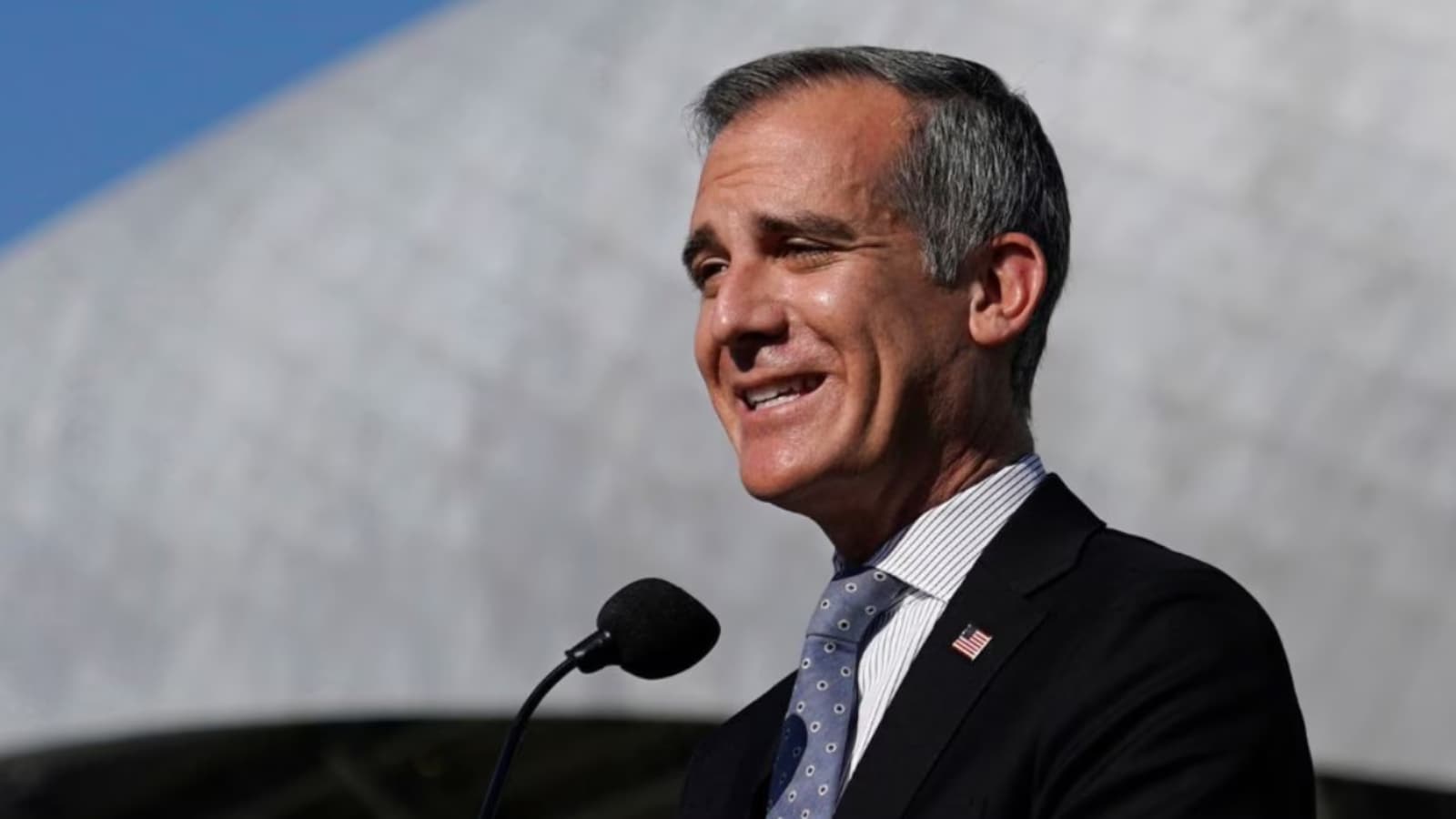
Eric Garcetti Took Bollywood From The Embassy To The Piano: Former US Ambassador to India Eric Garcetti offered another musical example, although the evidence points to a broader appreciation of Hindi music rather than a specific Kishore Kumar connection. On World Music Day in June 2023, Garcetti played a Hindi song on the piano and said he had been trained as a jazz musician but was broadening his musical horizons in India.
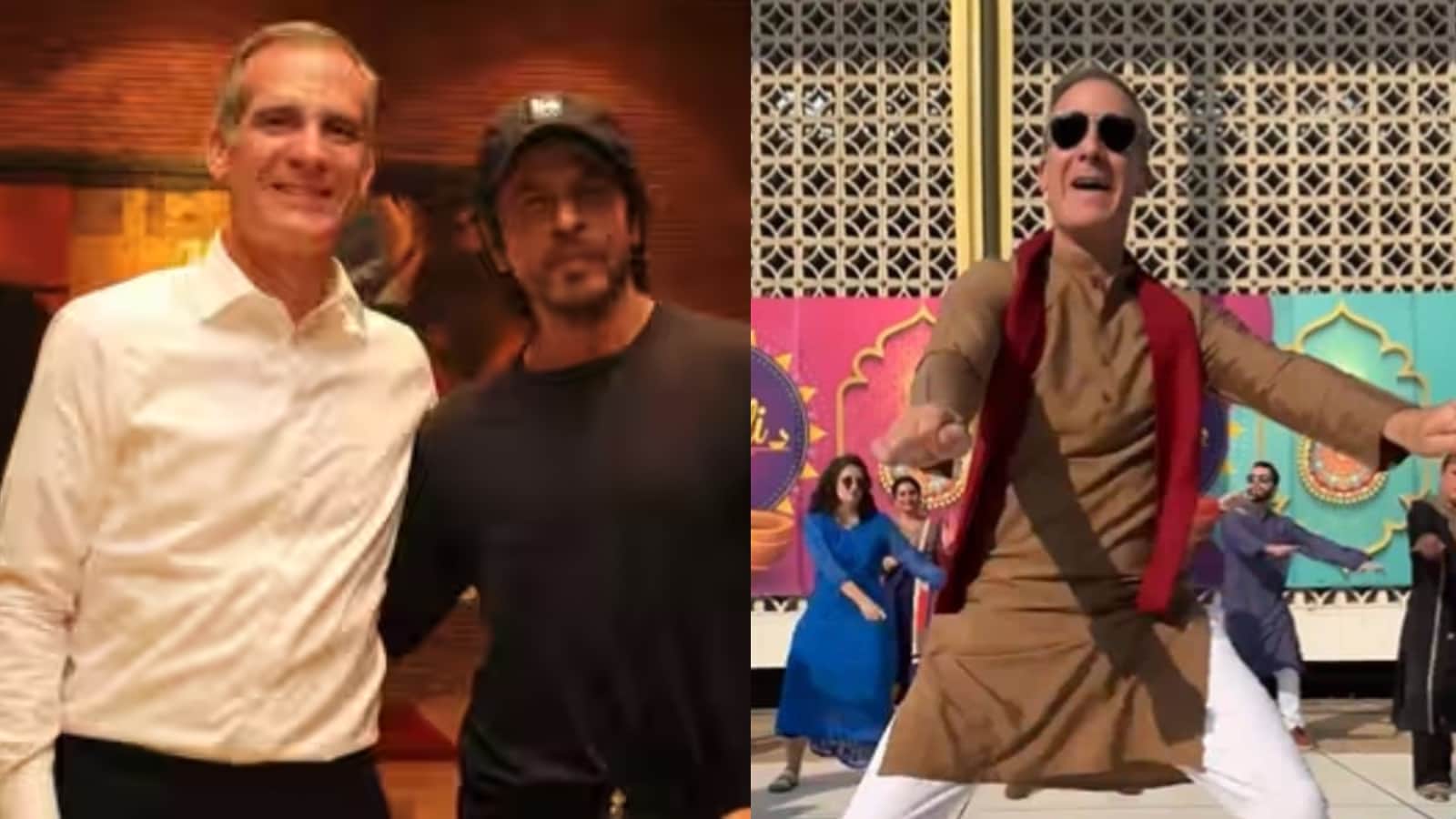
His engagement with Bollywood was also highly visible during his time as ambassador. At the US Embassy’s Diwali celebrations in New Delhi in 2023, Garcetti danced to Chaiyya Chaiyya from Dil Se. The following year, he returned to the stage for a lively Bhangra performance to Tauba Tauba from Bad Newz. So while there is not enough reliable evidence to describe Garcetti specifically as a Kishore Kumar enthusiast, his public embrace of Indian music and cinema clearly belongs to the same broader story of cultural exchange.
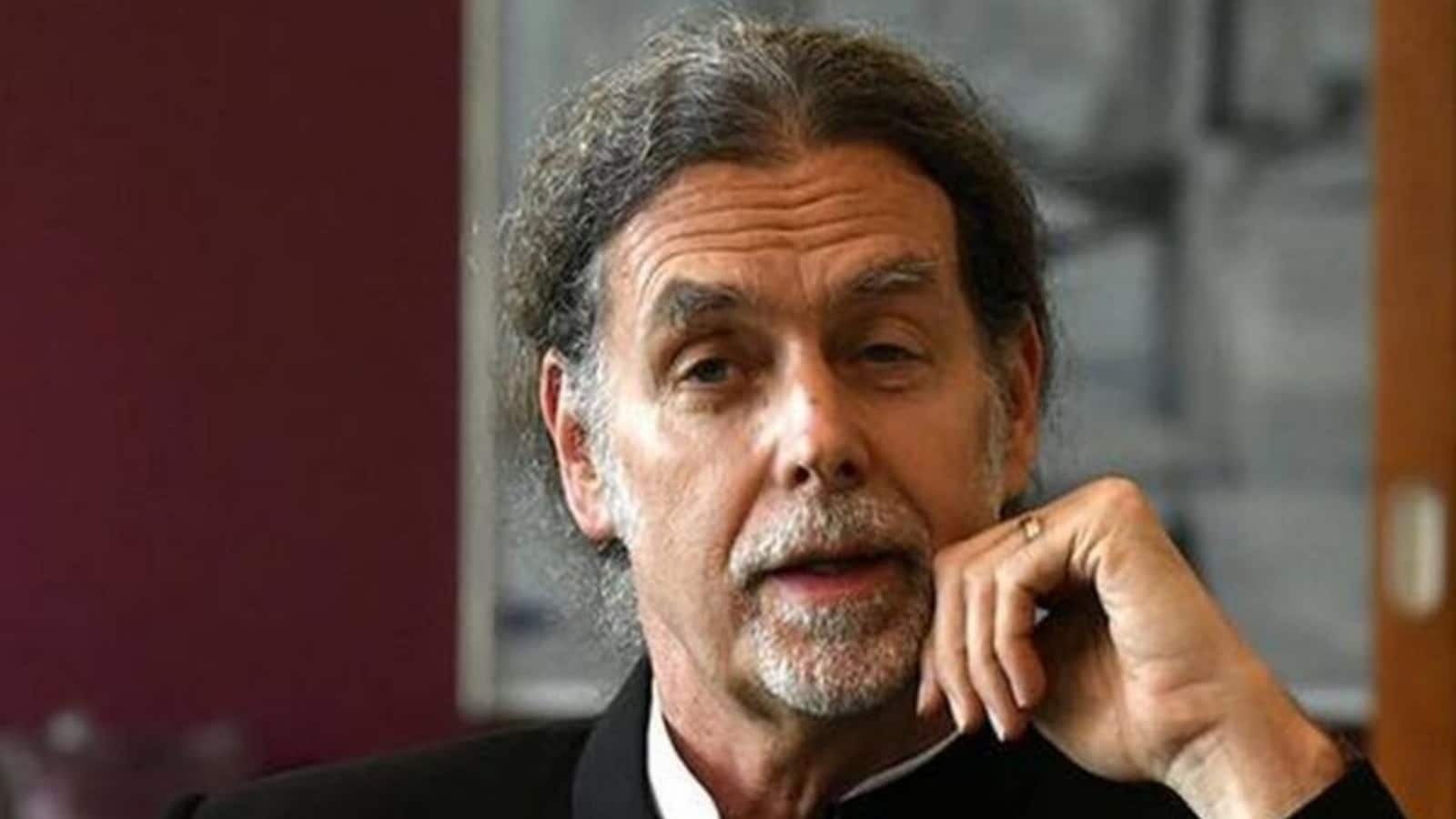
Walter Lindner And The Musician-Diplomat: Former German Ambassador to India Walter J Lindner had perhaps the most unusual musical credentials among the diplomats associated with India’s cultural scene. Lindner is himself a musician, and during his tenure he collaborated with Indian musicians to create an Indian version of The Scorpions’ Wind of Change. The project brought together Western rock and Indian classical instrumentation, reflecting his interest in using music as a bridge between cultures. Lindner also spoke about expanding Germany’s cinematic cooperation with Bollywood and described himself as a musician, studio owner and photographer alongside his diplomatic role.
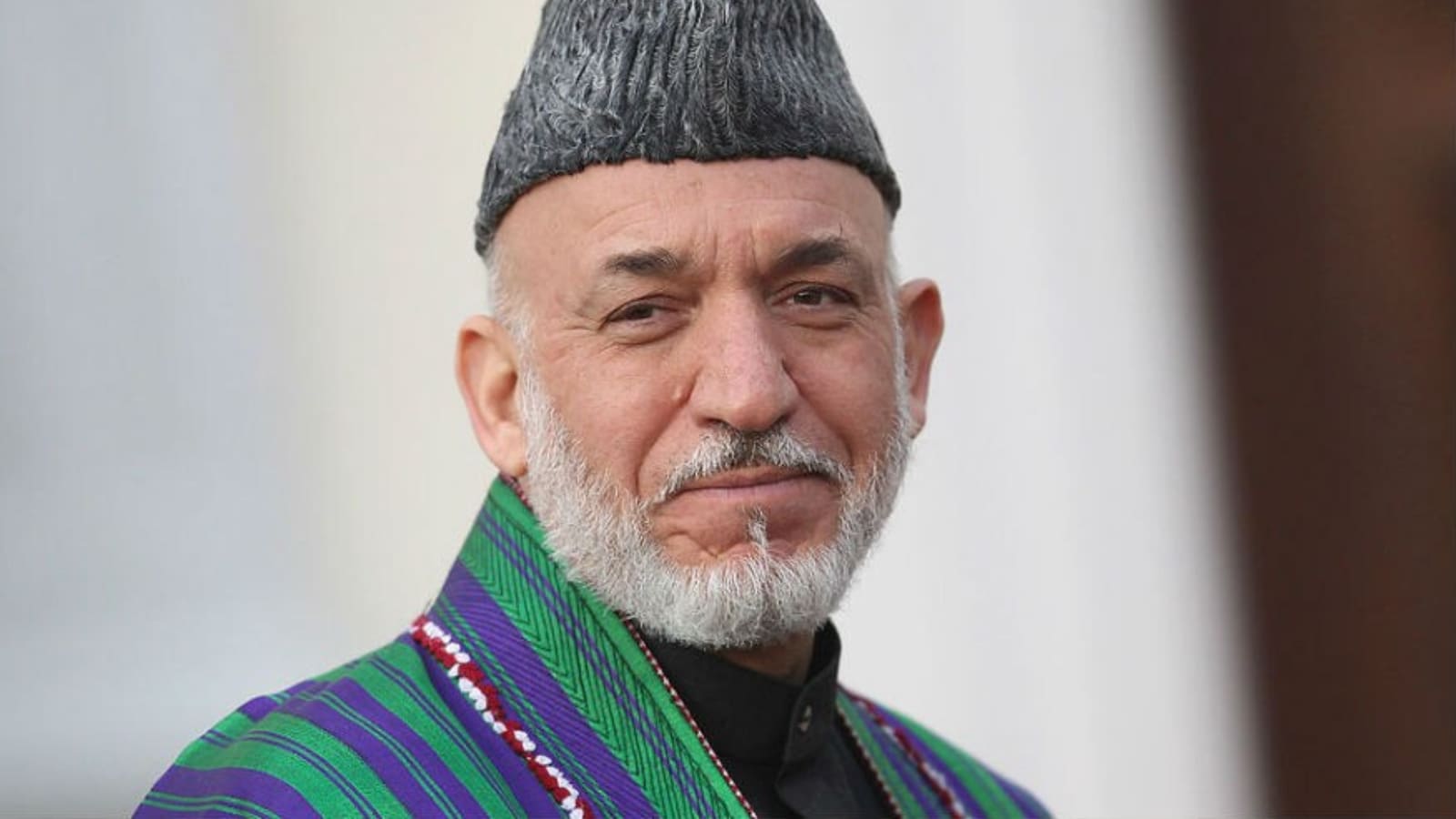
Hamid Karzai And The Bollywood Soundtrack Of Afghanistan: Former Afghan President Hamid Karzai provides a particularly revealing example of how Kishore Kumar’s music travelled across South Asia. In an interview recalling his years in India, Karzai spoke about studying in Shimla and his familiarity with Indian cinema. He specifically listed Kishore Kumar, Mohammed Rafi and Lata Mangeshkar among the singers whose music he knew, while recalling the popularity of Indian cinema in Afghanistan. Karzai’s recollection is significant because it places Kishore Kumar within a much larger cross-border cultural phenomenon. Indian films and songs had long circulated in Afghanistan, Pakistan and other parts of the region, giving generations of audiences a common cinematic vocabulary.
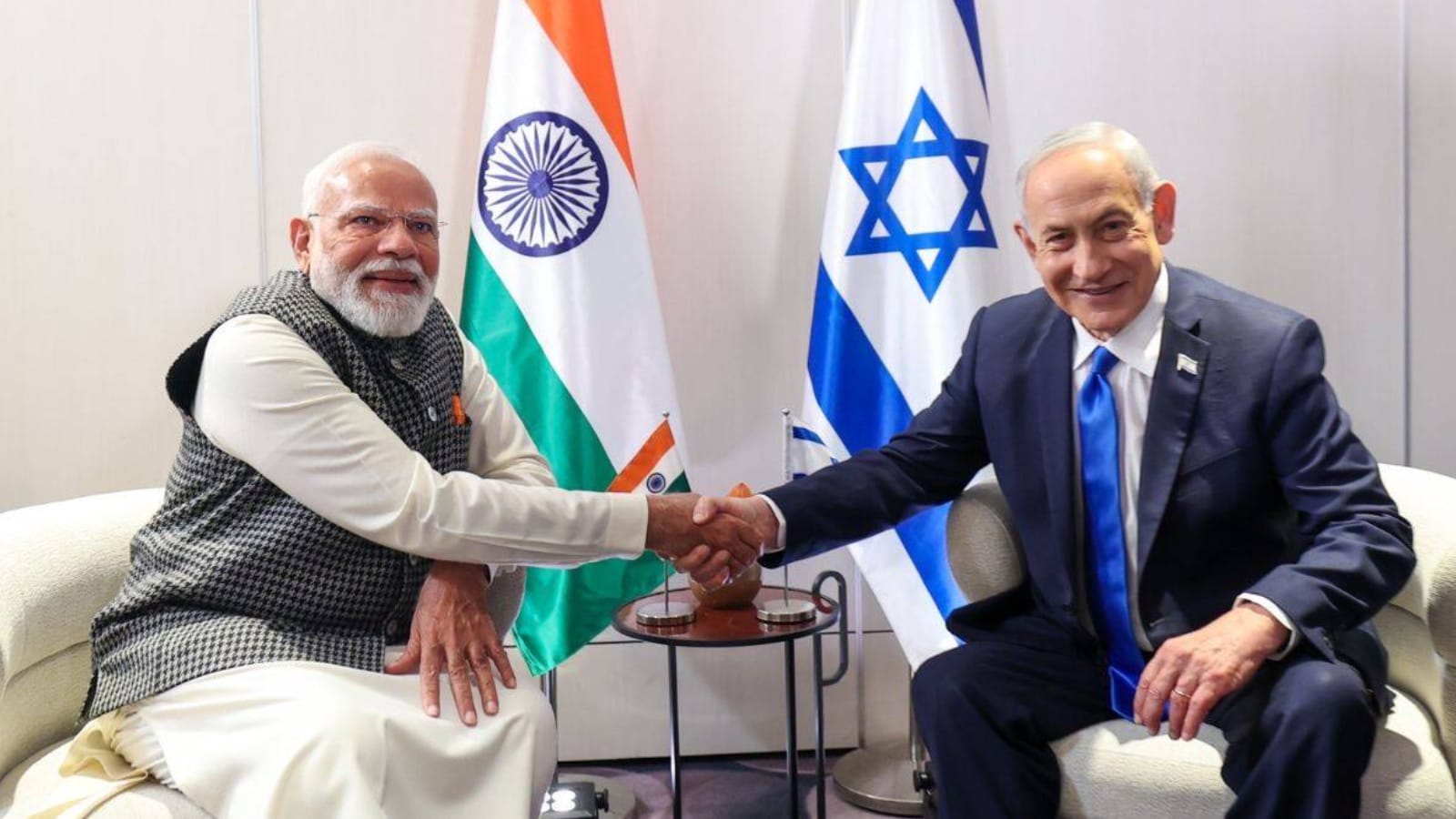
Israel’s Long Love Affair With Hindi Cinema: The story becomes even more interesting when Israel enters the picture. Israel’s connection with Indian cinema goes back decades. Raj Kapoor’s films, including Awaara, Shree 420 and Sangam, developed a substantial following in Israel during the 1950s and 1960s. Sangam, in particular, became a cultural phenomenon, later inspiring an Israeli documentary about the film’s enduring place in popular memory. That affection has occasionally surfaced in diplomacy itself. During Israeli Prime Minister Benjamin Netanyahu’s 2018 visit to India, Indian Prime Minister Narendra Modi arranged for a live band to perform Ichak Dana, Bichak Dana, the famous song from Shree 420. Israeli delegates accompanying Netanyahu reportedly surprised Indian diplomats with their familiarity with the song.
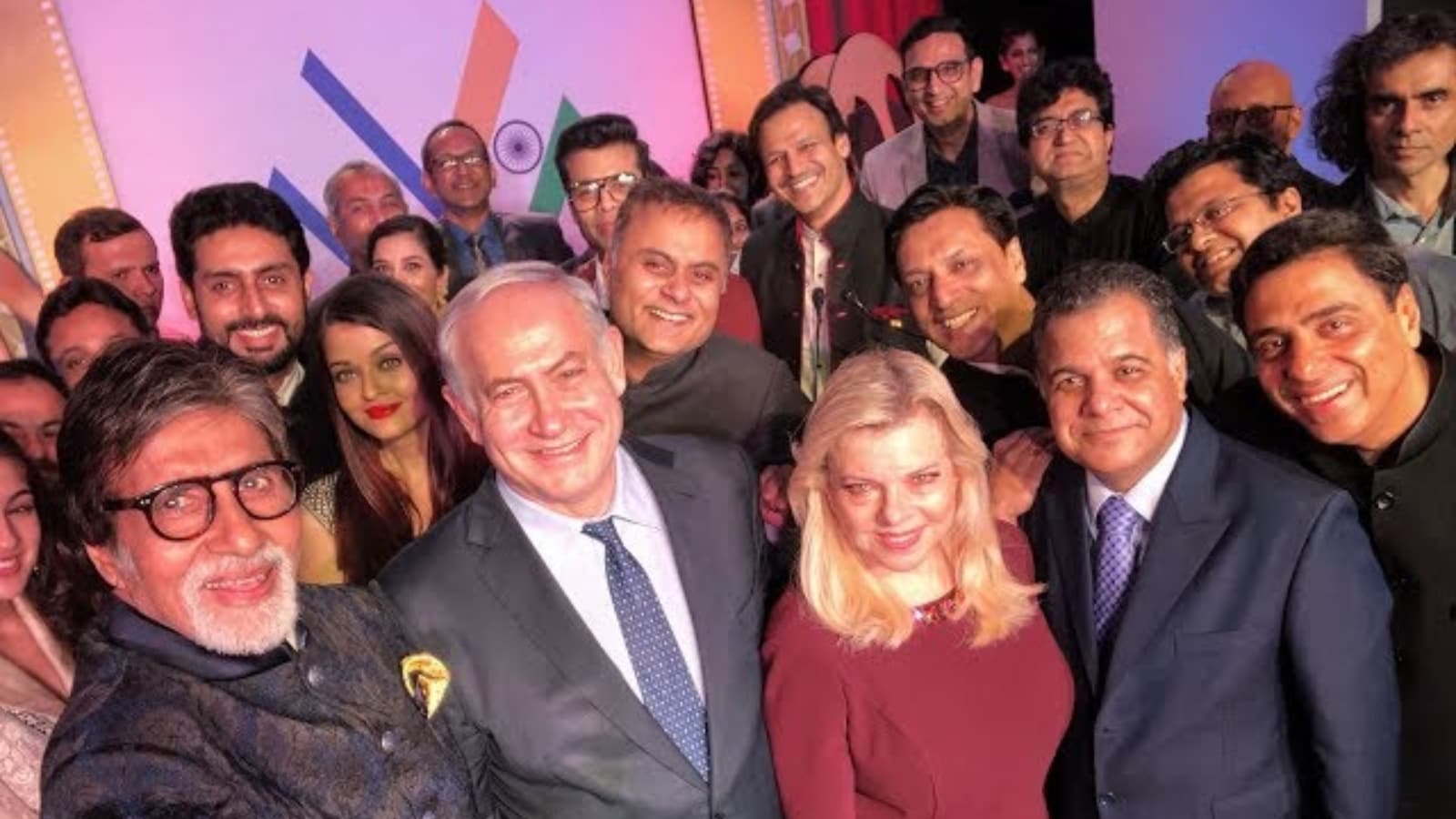
The connection was not confined to one visit. Israel’s embrace of Bollywood has been described as a longstanding example of Indian soft power, with Hindi films finding audiences across cultural and political divides. The Israeli government has also promoted Bollywood-related cultural initiatives, including ‘Shalom Bollywood’, encouraging Indian filmmakers to explore Israel as a filming destination.
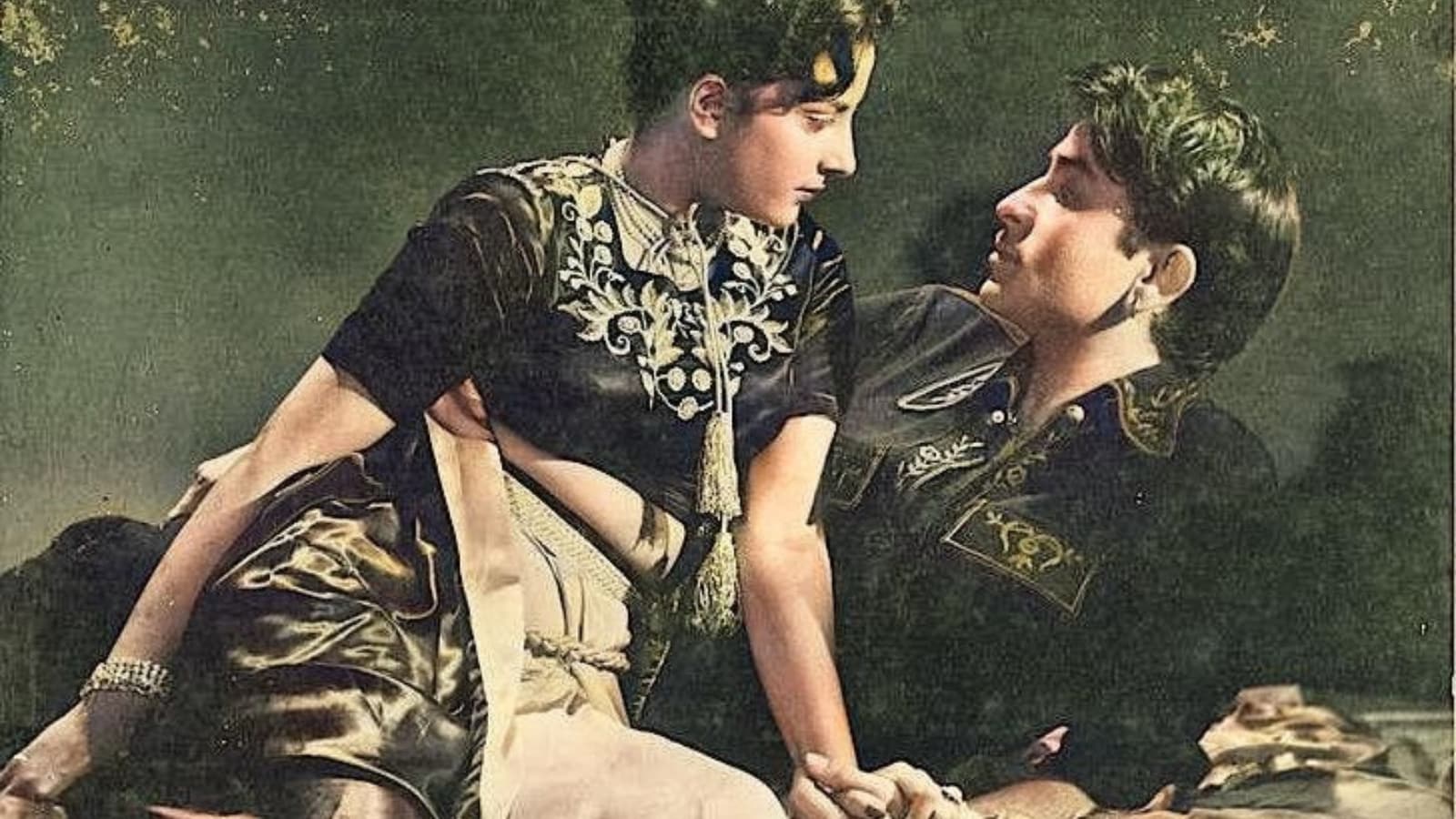
Interestingly, the Israeli example is more strongly associated with Raj Kapoor and classic Hindi cinema than with Kishore Kumar specifically. But it demonstrates the larger phenomenon that made singers such as Kishore Kumar internationally recognisable: the songs were carried around the world by the enormous reach of Hindi films.
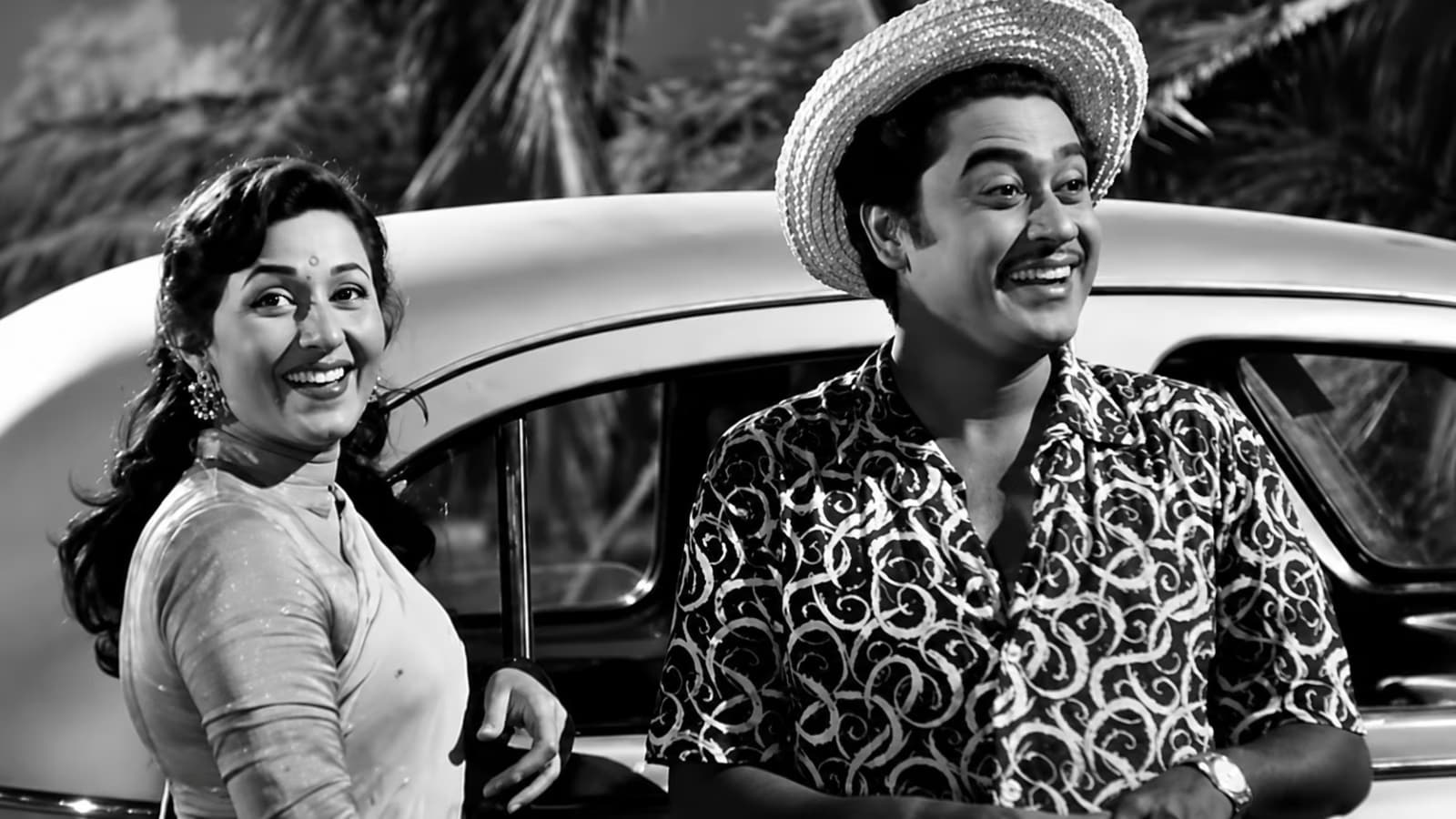
Why Kishore Kumar’s Songs Travel So Well? Kishore Kumar’s appeal outside India is difficult to separate from the films and actors for whom he sang. His voice became inseparable from some of the most enduring screen personalities of Hindi cinema, while composers such as RD Burman helped create a musical vocabulary that could move effortlessly between romance, friendship, melancholy and celebration. That emotional accessibility is part of what makes songssuch as Pal Pal Dil Ke Paas, Roop Tera Mastana, Yeh Jo Mohabbat Hai and Zindagi Ke Safar Mein so durable. The same is true of the wider golden-era repertoire. Anwar Ibrahim’s choice of Kishore Kumar’s Khwaab Ho Tum and his earlier rendition of Mukesh’s Dost Dost Na Raha demonstrate how the music of the 1960s and 1970s can still become a shared language at otherwise highly formal diplomatic gatherings.
Music As An Unofficial Language Of Diplomacy: The examples also suggest a more nuanced point about cultural diplomacy. Not every foreign leader or diplomat who enjoys Bollywood can be described as a Kishore Kumar fan. Some, such as Garcetti, have publicly embraced contemporary Hindi music; others have connected with classic cinema; and Israel’s long-standing relationship with Indian films has often centred on Raj Kapoor rather than Kishore Kumar. But the recurring appearances of Hindi songs at diplomatic events reveal the staying power of India’s cinematic soft power.
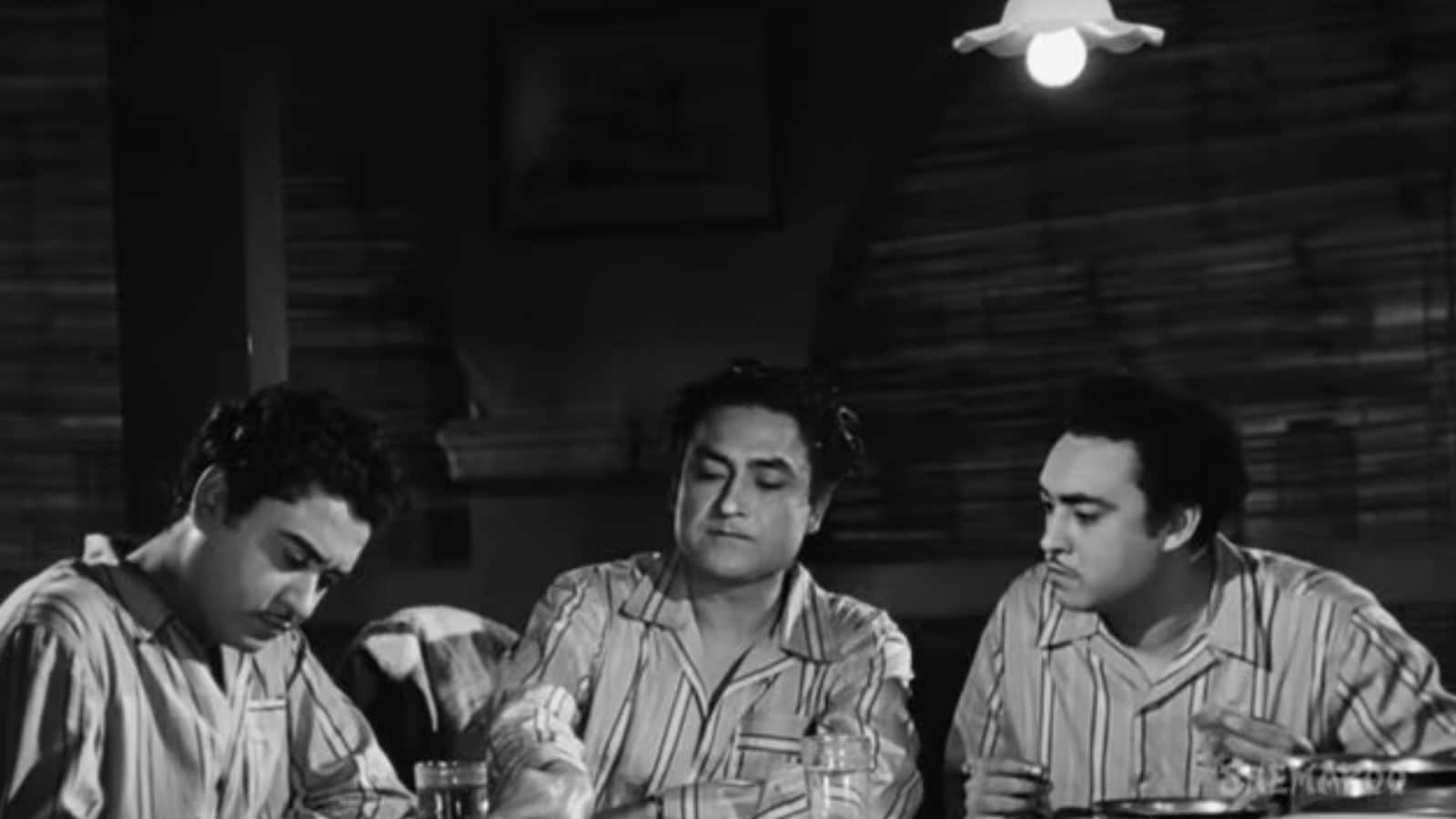
A leader singing a Kishore Kumar song, a diplomat attempting a Bollywood classic or an Israeli delegation recognising a decades-old Hindi song can momentarily strip away the formality of international relations. For a few minutes, the language of communiqués and bilateral agreements gives way to something far more universal: a melody that people already know. And that may be Kishore Kumar’s most enduring diplomatic legacy. Long after the films that created these songs have become classics, his voice continues to provide a remarkably familiar soundtrack to India’s relationships with the wider world.