- July 17, 2026
PF For Self-Employed, Gig and Unorganised Workers: Know EPFO’s Plan and How It Will Work
Last Updated:
Unlike the existing EPF system, where both employer and employee contribute a fixed amount every month, the proposed scheme is expected to be self-funded and completely voluntary.




Under the proposed EPFO scheme, subscribers will build their retirement corpus entirely through their own voluntary contributions, much like a public provident fund account.
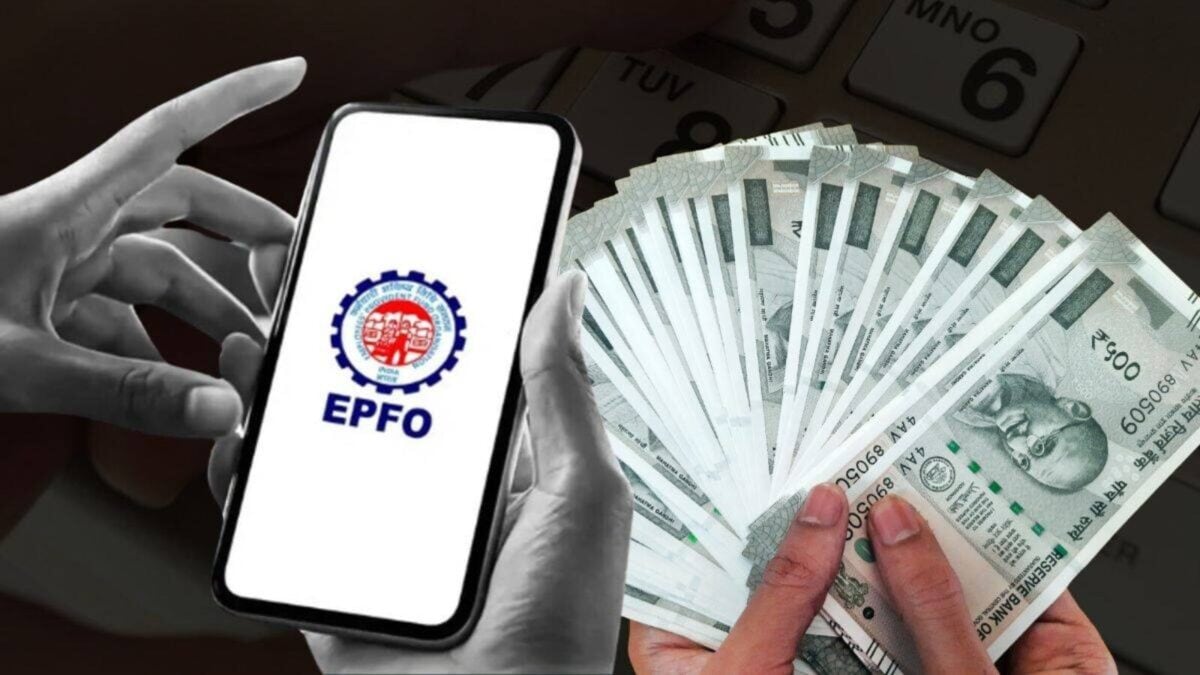
The Employees’ Provident Fund Organisation (EPFO) is working on a proposal that could allow self-employed individuals, gig workers, freelancers and workers in the unorganised sector to voluntarily contribute to a provident fund (PF) scheme, potentially extending retirement savings benefits to millions of people currently outside the EPF network.
According to a report by The Times of India, the proposal is at a preliminary stage and is yet to receive government approval. However, the EPFO has already floated a tender to develop the IT infrastructure required for the proposed scheme.
Who could be covered?
Currently, the Employees’ Provident Fund (EPF) mainly covers employees working in establishments with 20 or more workers, leaving a large section of India’s workforce outside the formal social security system.
If approved, the proposed scheme could be opened to self-employed professionals and business owners, freelancers and consultants, gig workers, including cab drivers and food delivery partners, workers in the unorganised sector, and employees of exempted establishments not covered under the regular EPFO framework.
The objective is to provide these workers with a formal retirement savings platform similar to the EPF available to salaried employees.
How will the proposed scheme work?
Unlike the existing EPF system, where both employer and employee contribute a fixed amount every month, the proposed scheme is expected to be self-funded and completely voluntary. Subscribers would contribute from their own income without any employer contribution. Contributions are also likely to be flexible, allowing people to deposit money daily, monthly, annually or whenever their financial situation permits. This flexibility is aimed at workers with irregular incomes, such as freelancers and gig workers.
The accumulated corpus is expected to earn interest on lines similar to the existing EPF framework.
Will there be tax benefits?
According to officials cited in the report, annual contributions of up to Rs 2.5 lakh may qualify for tax benefits, similar to the current EPF rules. The interest earned on the accumulated balance is also expected to remain tax-free, making the scheme an attractive long-term retirement savings option.
However, the final tax treatment will be known only after the proposal receives government approval.
Is it different from Pradhan Mantri Shram Yogi Maandhan Yojana?
Yes. While the proposed scheme is also aimed at workers outside the organised sector, it is different from the Pradhan Mantri Shram Yogi Maandhan (PM-SYM) Yojana. Under PM-SYM, eligible unorganised sector workers contribute towards a pension and the Central government matches the contribution, after which subscribers receive a fixed monthly pension of Rs 3,000 after the age of 60.
Under the proposed EPFO scheme, there will be no government contribution. Subscribers will build their retirement corpus entirely through their own voluntary contributions, much like a public provident fund account.
Why is EPFO considering this?
The proposal is in line with the government’s broader effort to expand social security coverage under the new labour codes.
Online platforms such as food delivery companies and taxi aggregators have been asked to register gig workers under the new labour framework. If the proposal is approved, these workers could get access to a structured retirement savings mechanism managed by EPFO. Officials are also studying international models before finalising the framework.
The new voluntary PF scheme for self-employed and gig workers is expected to be self-funded and completely voluntary, with subscribers contributing from their own income without employer contributions.
About the Author

A team of writers and reporters decodes vast terms of personal finance and making money matters simpler for you. From latest initial public offerings (IPOs) in the market to best investment options, w…Read More
Read More