- November 13, 2026
R.K.Bharadwaj Talks About His Book “The Silence Between Us”
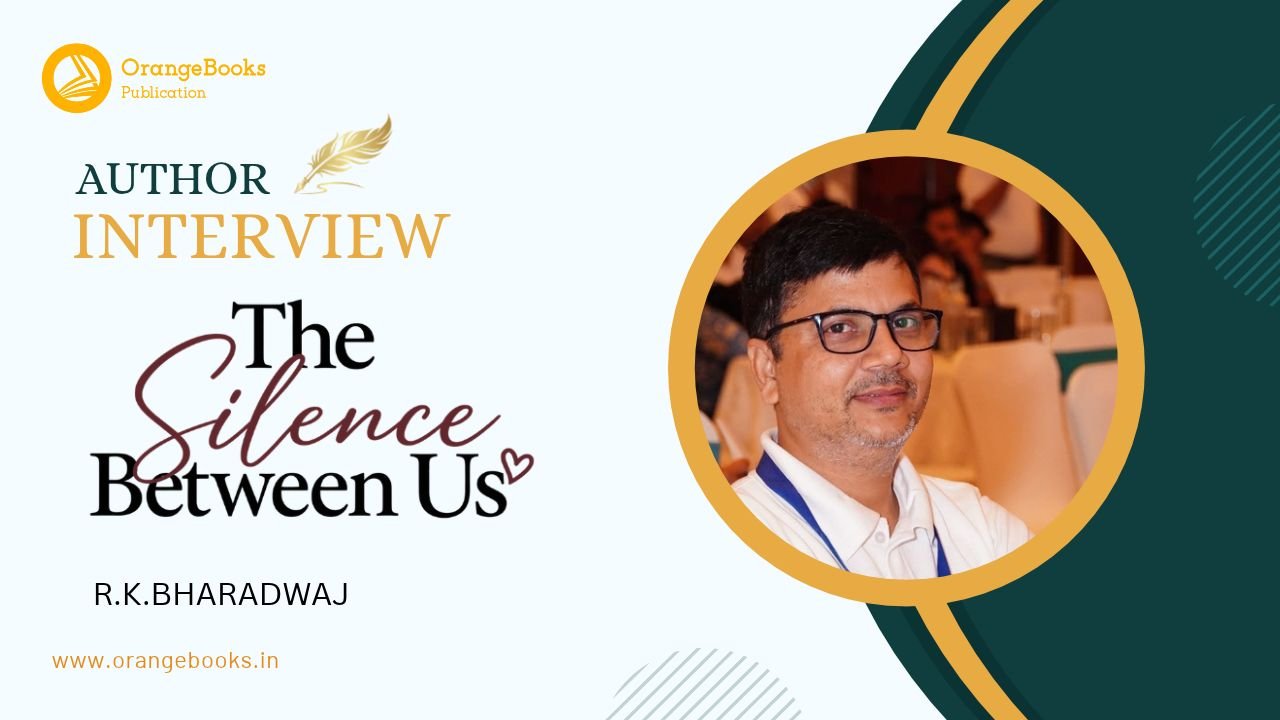
About the Author:
R. K. Bharadwaj is a public health management professional and storyteller with over 15 years of experience in health systems strengthening and community development across India. Alongside his professional journey, he has nurtured a deep passion for exploring the complexities of human emotions and relationships through fiction. The Silence Between Us is his debut novel, weaving together themes of love, trust, loneliness, guilt, and redemption with emotional realism. Through his writing, he hopes to inspire readers to reflect on the fragile nature of relationships and the profound impact of unspoken emotions.
Exclusive interview with the author
Q: What Inspired You To Write This Book?
A: I have always been fascinated by the emotions that exist beneath ordinary human relationships—the feelings people experience but often cannot express in words. The Silence Between Us grew from my curiosity about what happens when two people understand each other deeply, yet circumstances, responsibilities, distance, and their own choices make their relationship increasingly complicated. I wanted to explore the emotional space between love and responsibility, trust and betrayal, attachment and letting go. The story is not simply about a relationship; it is about the choices people make when they are emotionally vulnerable and the consequences those choices leave behind.
Q: Can You Tell Us About The Book?
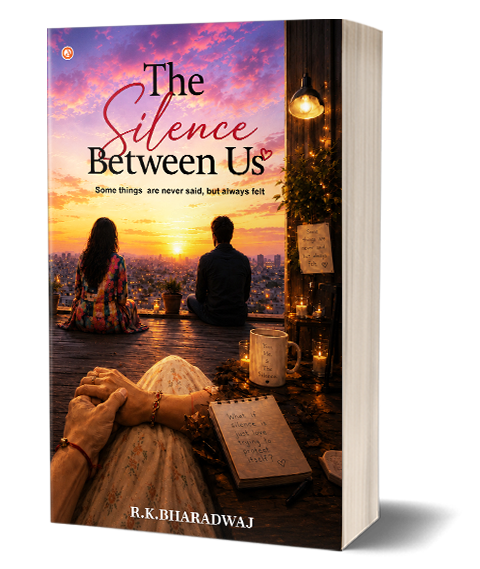
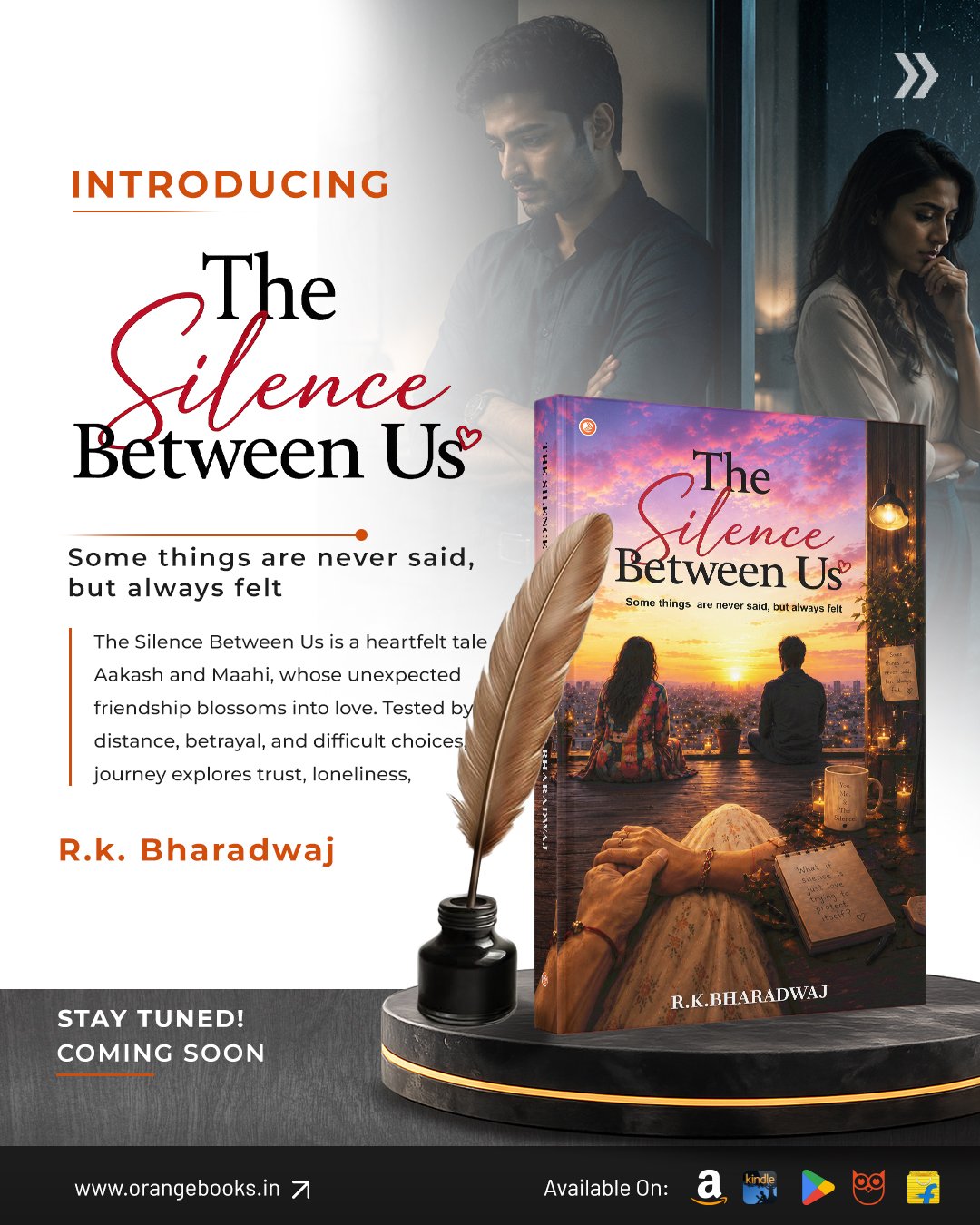
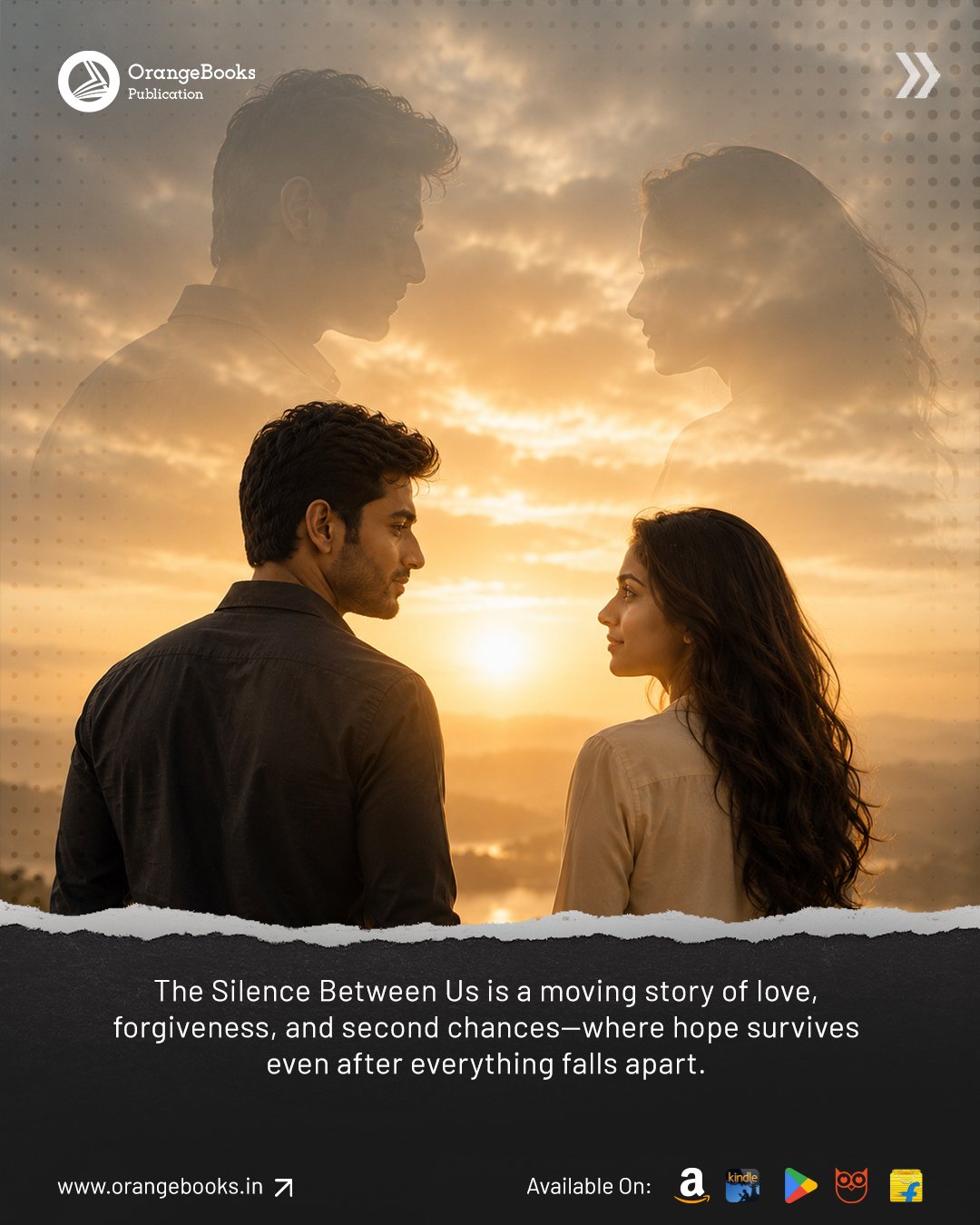
A: The Silence Between Us is an emotional story about Aakash and Maahi, two people who never intended to fall in love but gradually develop a deep emotional connection. Both are bound by their own responsibilities and complicated marriages. What begins as friendship slowly becomes an important part of their lives, built through conversations, companionship, trust, and countless unspoken emotions. But relationships are tested not only by distance. Loneliness, timing, vulnerability, misunderstanding, and human choices can change everything. The story takes the reader through love, emotional intimacy, betrayal, guilt, forgiveness, loss, and ultimately the possibility of healing. At its heart, it asks what remains between two people when everything they once believed about their relationship has changed. The publisher’s book description similarly presents the novel as a journey through “love, guilt, betrayal, forgiveness” and the silence that can exist between people who still care deeply for one another.
Q: What Does The Title Mean?
A: The title represents everything that remains unspoken between two people. Sometimes silence is not the absence of emotion. It is the presence of too many emotions—love, hurt, guilt, anger, regret, forgiveness, and memories—that words are no longer able to express. In the novel, the silence between Aakash and Maahi gradually becomes almost another character in the story. It carries their unanswered questions, their misunderstandings, their pain, and the memories of what they once shared. For me, The Silence Between Us is ultimately about the things people feel deeply but are unable—or sometimes unwilling—to say.
Q: Was The Character Inspired By A Real Person?
A: The characters are fictional. They are not intended to represent any particular real person. However, like most fictional characters, they are shaped by observations of human behaviour, emotions, relationships, and the complexities of everyday life. I was particularly interested in how loneliness, emotional vulnerability, attachment, trust, and personal choices can influence the way people behave. The characters are therefore fictional, but their emotions are deliberately human and relatable.
Q: What Do You Think Happened To The Characters After The Book Ended?
A: The end of this book is not truly the end of their story. It marks the beginning of a new chapter in their lives—one filled with new choices, unresolved emotions, and possibilities. I am currently working on the second part of The Silence Between Us, where the story will continue and the characters will face the consequences of everything they have experienced. Readers who are curious about what ultimately happens to them will find the complete and final resolution of their story in the second part. For now, I would rather leave a little mystery behind and let the next chapter reveal the answers.
Q: What, In Your Opinion, Are The Most Important Elements Of Good Writing?
A: For me, good writing begins with emotional truth. A story should make readers feel something—not merely understand what is happening. Characters need to have strengths, weaknesses, contradictions, fears, and moments of vulnerability. Perfect characters are rarely interesting; human characters are. I also believe that good writing requires simplicity, authenticity, patience, and observation. Sometimes a quiet conversation or a small gesture can communicate more than a long dramatic scene.




Q: Where Do You Get Your Greatest Ideas For Writing?
A: As a public health professional, I have had the opportunity to travel across different geographies and interact with people from diverse social, cultural, economic, and personal backgrounds. I have always enjoyed talking to people and, more importantly, listening to their stories. Their experiences, struggles, relationships, aspirations, and perspectives on life often leave a lasting impression on me. Many times, these real-life conversations and observations become the seeds of an idea for a story. I believe that every person carries a story within them. Sometimes, all it takes is a conversation, a moment of empathy, or simply listening carefully to discover it. My greatest ideas often come from these human connections and from the stories that people unknowingly inspire in me.
Q: What Advice Would You Give To Aspiring Authors?
A: Write the story you genuinely want to tell. Do not begin with the expectation that everyone will like it. Begin with the desire to express something meaningful. Read widely, observe people, listen to conversations, and pay attention to emotions that often go unnoticed. Writing a book requires patience. The first draft will rarely be perfect, and that is completely normal. Rewrite, edit, accept constructive feedback, and allow the story to mature. Most importantly, do not wait for the perfect time to begin. Every published book starts with a blank page and a writer who decides to write the first sentence.
This book is published by OrangeBooks Publication. All rights are reserved with the author & the publisher.