- February 3, 2026
SC To Hear Mamata Banerjee’s Plea Against ECI Over Bengal SIR Tomorrow; CM May Appear Personally
Last Updated:
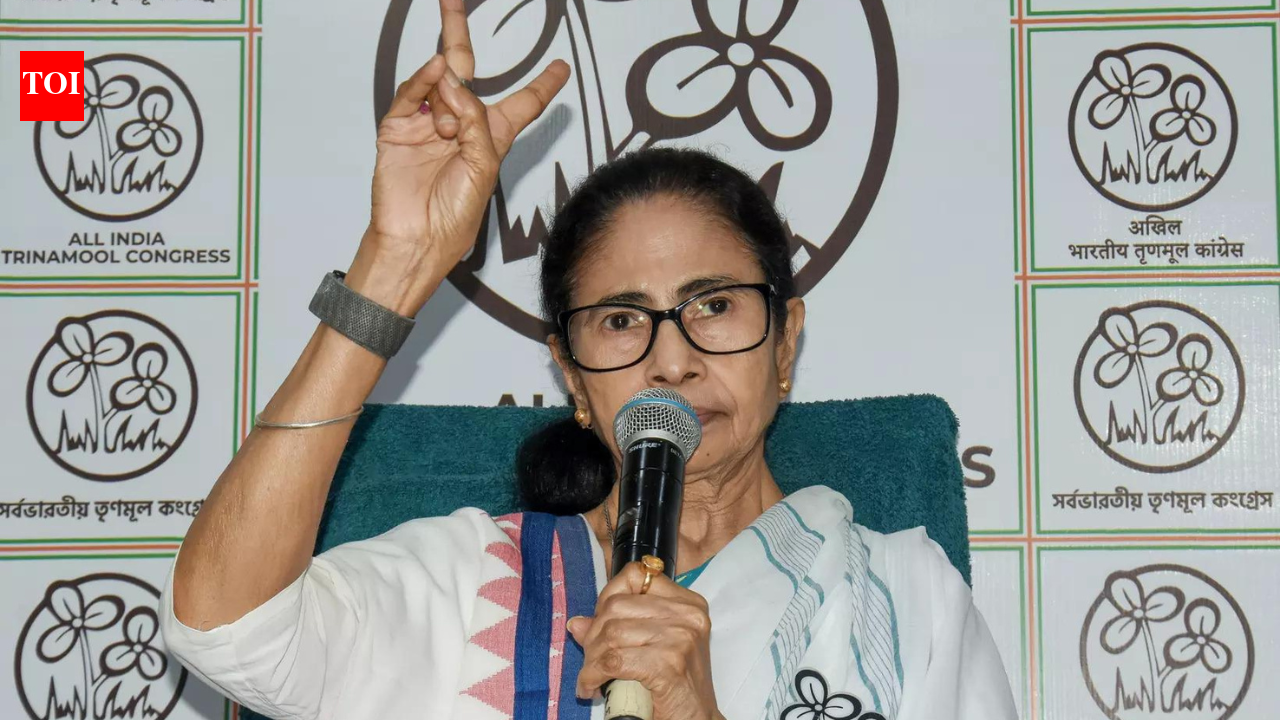
Mamata Banerjee, who holds a law degree, may choose to personally attend the hearing on Bengal SIR and present her submissions before the top court.



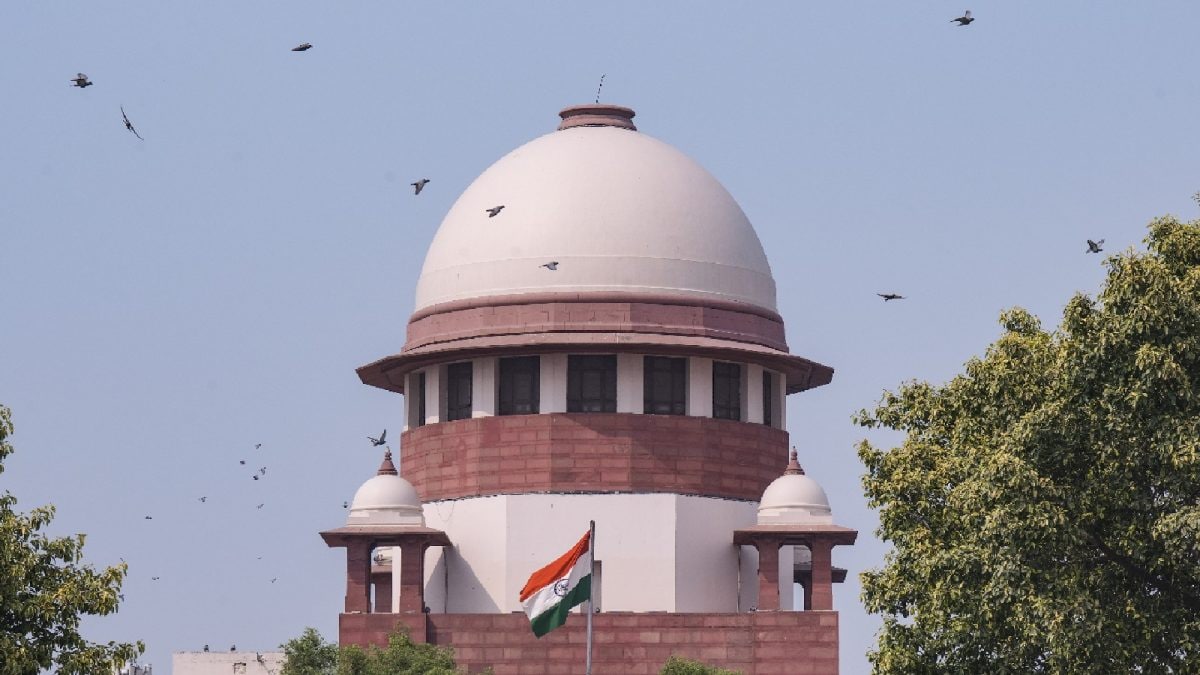
File photo of Supreme Court of India
The Supreme Court is scheduled to hear on Wednesday a clutch of petitions challenging the Election Commission of India’s (ECI) ongoing Special Intensive Revision (SIR) of electoral rolls in West Bengal, with Chief Minister Mamata Banerjee likely to be present in court during the proceedings.
According to the apex court’s cause list, a bench comprising Chief Justice Surya Kant and Justices Joymalya Bagchi and Vipul M Pancholi will hear three petitions filed by Mostari Banu and Trinamool Congress MPs Derek O’Brien and Dola Sen.
The West Bengal Chief Minister has also filed a separate plea on the issue, which is listed for consideration.
Banerjee, who holds a law degree, may choose to personally attend the hearing and present her submissions before the court.
She had approached the Supreme Court on January 28, questioning the legality and manner of implementation of the SIR in the poll-bound state.
In her petition, the chief minister has alleged political bias and an authoritarian approach by the Election Commission in conducting the voter list revision.
The chief minister has also taken her objections directly to the Election Commission.
In a letter addressed to Chief Election Commissioner Gyanesh Kumar on Saturday, Banerjee claimed that the SIR process had caused “immense inconvenience and agony” to the people of West Bengal and alleged that it had resulted in as many as 140 deaths across the state.
Earlier, on January 19, the Supreme Court had issued a series of directions aimed at ensuring that the SIR process remained transparent and did not inconvenience voters.
The court directed the Election Commission to publicly display the names of voters flagged for “logical discrepancies” at gram panchayat bhavans and block offices, which were also designated as centres for submitting documents and objections.
The discrepancies include mismatches in parental names and cases where the age difference between a voter and their parent is less than 15 years or more than 50 years.
Taking note of the fact that around 1.25 crore voters in West Bengal figure on the “logical discrepancies” list, the court had instructed that adequate facilities and manpower be provided, with the state government asked to extend full support to election authorities.
February 03, 2026, 20:25 IST
Read More