- February 12, 2026
Sreeranjan Menon Talks About His Book “Operation Garudavyuh”
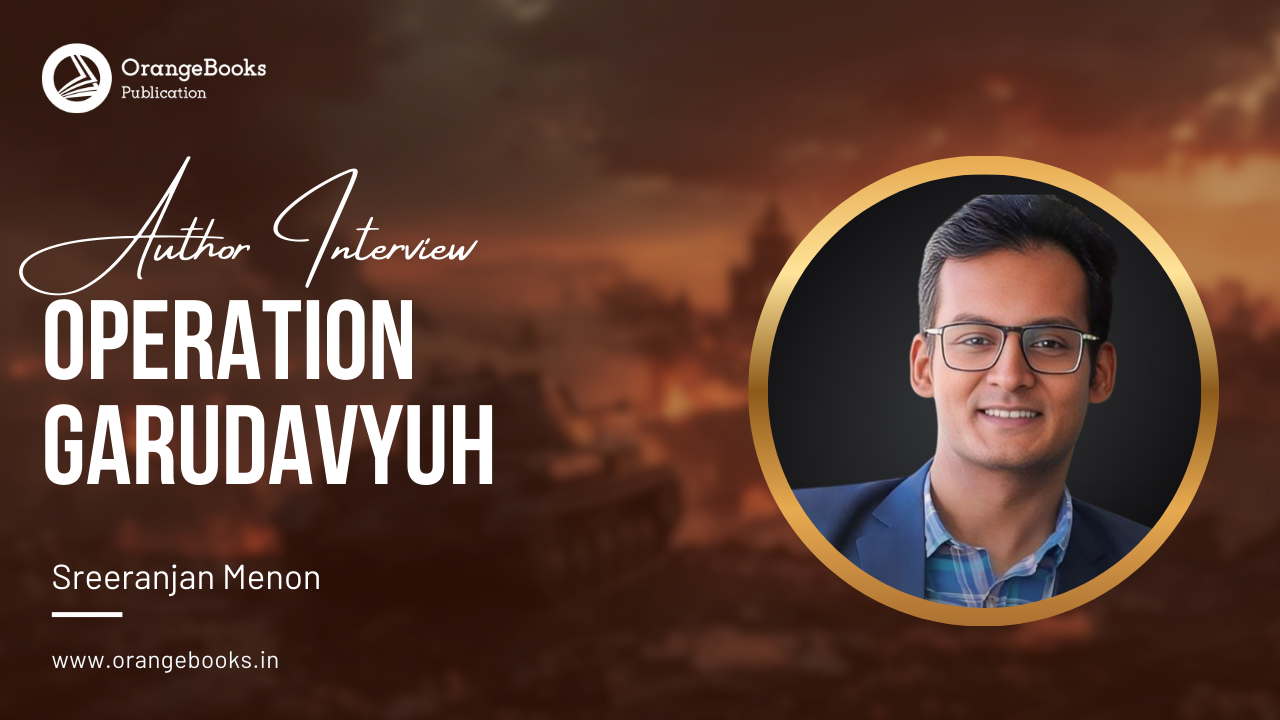
About the Author:
Sreeranjan Menon T is an academician, author, and strategist with over a decade of experience in higher education. An engineer by training and an MBA in International Business, he is currently pursuing a PhD in Management. Born into a distinguished defence family his father a retired Indian Air Force officer who served in the 1971 war, national security and strategy deeply influence his writing. He is the author of Operation Black Lotus: Espionage, Betrayal & Conspiracy and Operation Chakravyuh- Infiltrate, Deceive & Survive. A scholar of Indian Knowledge Systems, classical music, and theatre, he blends intellect, heritage, and realism in his narratives.
Exclusive interview with the author
Q: What Inspired You To Write This Book?
A: Operation Garudavyuh was inspired by my long-standing fascination with the unseen systems that hold societies together. We often talk about security, sovereignty, and national interest in abstract terms, but rarely acknowledge the individuals and institutions that operate quietly to protect them. I wanted to explore that invisible world where decisions are made without applause, recognition, or certainty of moral clarity.
My exposure to a defence-oriented environment at home, shaped the way I approached this story. I was particularly interested in how duty functions under extreme pressure, where personal loss, ethical dilemmas, and institutional responsibility collide. The idea of Garudavyuh a layered, strategic encirclement drawn from Indian strategic thought gave me a framework to examine modern intelligence warfare beyond guns and borders.
At its core, this book is not just about a covert mission. It is about responsibility, restraint, and the cost of doing what is necessary when the world may never know you did it at all.
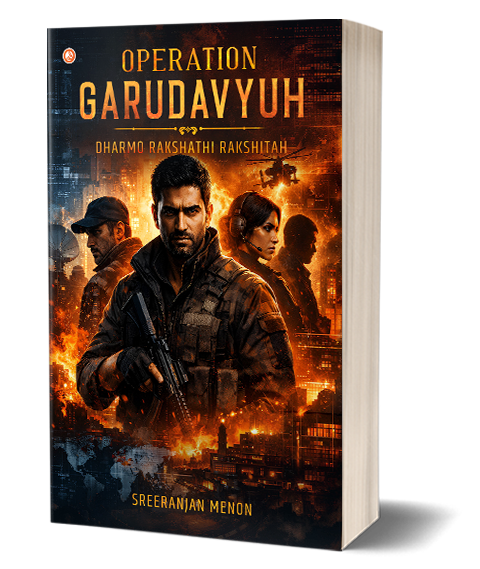
Q: What Does The Title Mean?
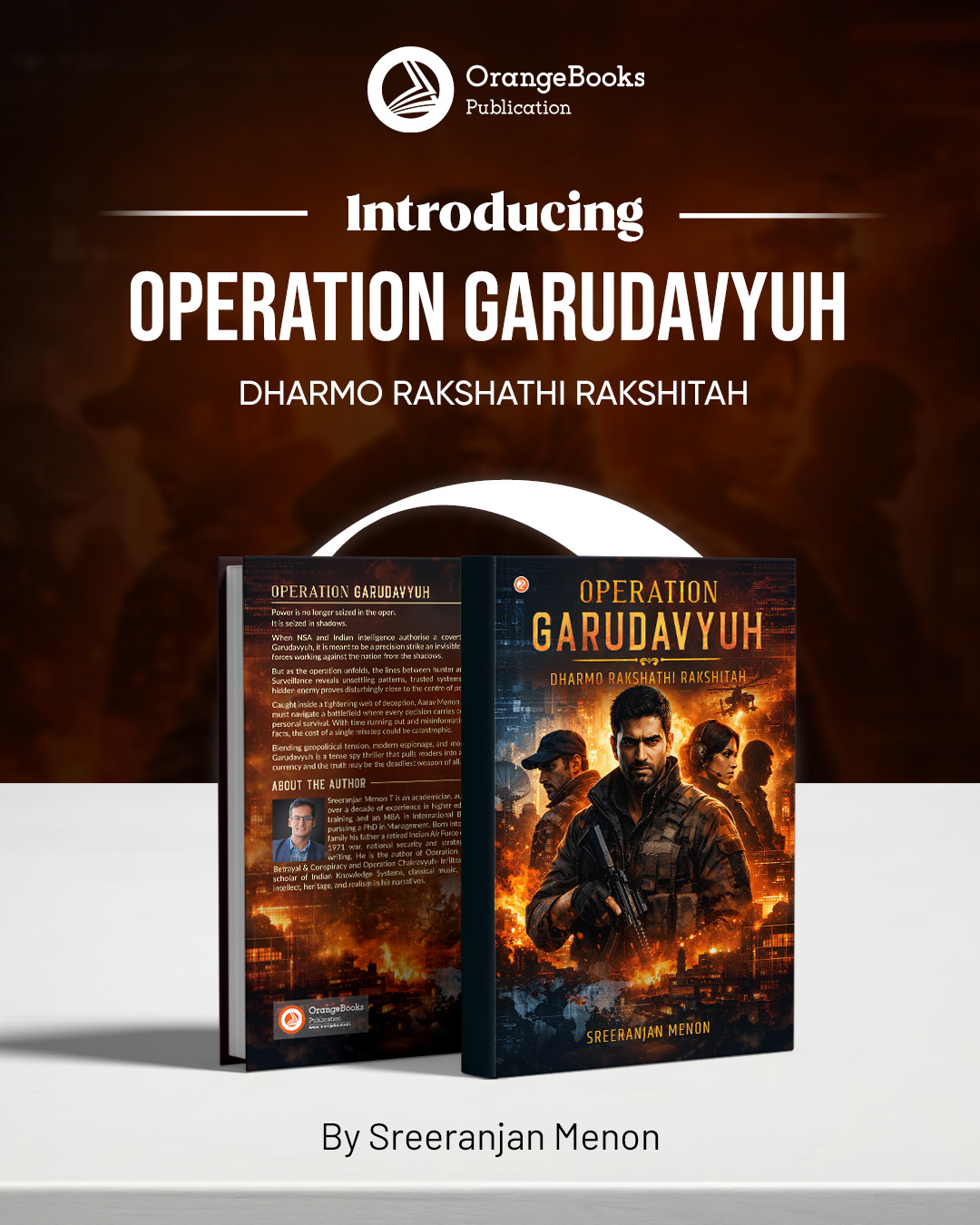
A: The title Operation Garudavyuh draws from ancient Indian strategic thought, where a vyuh refers to a battle formation designed to control, encircle, and neutralise an adversary through precision rather than brute force. Garuda, symbolising speed, vision, and decisive reach, represents a force that strikes swiftly while remaining beyond grasp.
In the context of the novel, Garudavyuh is not just a military formation but a philosophy of modern covert warfare. It reflects how contemporary intelligence operations operate across multiple invisible layers finance, law, cyber space, diplomacy, and field intelligence gradually constricting an adversary without open confrontation.
The title captures the essence of the story: a silent, disciplined strategy where victory is achieved not through spectacle, but through patience, restraint, and perfectly timed action often without the world ever knowing a battle was fought.
Q: Where Do You Get Your Information Or Ideas For Your Books?
A: I am a voracious reader and a long-time enthusiast of the espionage and geopolitical thriller genre, and that forms the foundation of my ideas. I read widely across fiction and non-fiction intelligence histories, strategic studies, memoirs, defence analysis, leadership theory, and contemporary geopolitics. Over time, patterns begin to emerge: how institutions think, how power is exercised quietly, and how decisions are made under uncertainty.
My academic work also plays an important role. Studying organisational behaviour, leadership, has made me deeply interested in how systems function under pressure and how individuals operate within rigid hierarchies while facing moral ambiguity. I often begin with a strategic concept or a “what if” question and then build a fictional framework around it.
I do not rely on inside information or classified sources. Everything is drawn from open-source material, historical patterns, and imagination. The real work lies in connecting these ideas into a believable narrative that respects realism while remaining firmly within the realm of fiction.
Q: What, In Your Opinion, Are The Most Important Elements Of Good Writing?
A: Good writing begins with clarity of thought. If the writer is not clear about what they want to say, no amount of style can compensate for that. Clarity shapes structure, pacing, and purpose, allowing the reader to move through the story without confusion or fatigue.
The second element is honesty both, emotional and intellectual. Characters, situations, and conflicts must feel truthful, even in fiction. Readers can sense when emotions are forced or when events exist only to impress rather than to serve the story. Restraint, especially in serious genres, often carries more power than excess.
Finally, good writing requires discipline. This includes respect for language, consistency of tone, careful research, and the willingness to revise. Writing is not just about inspiration; it is about sustained attention, patience, and the humility to refine one’s work until every word earns its place.

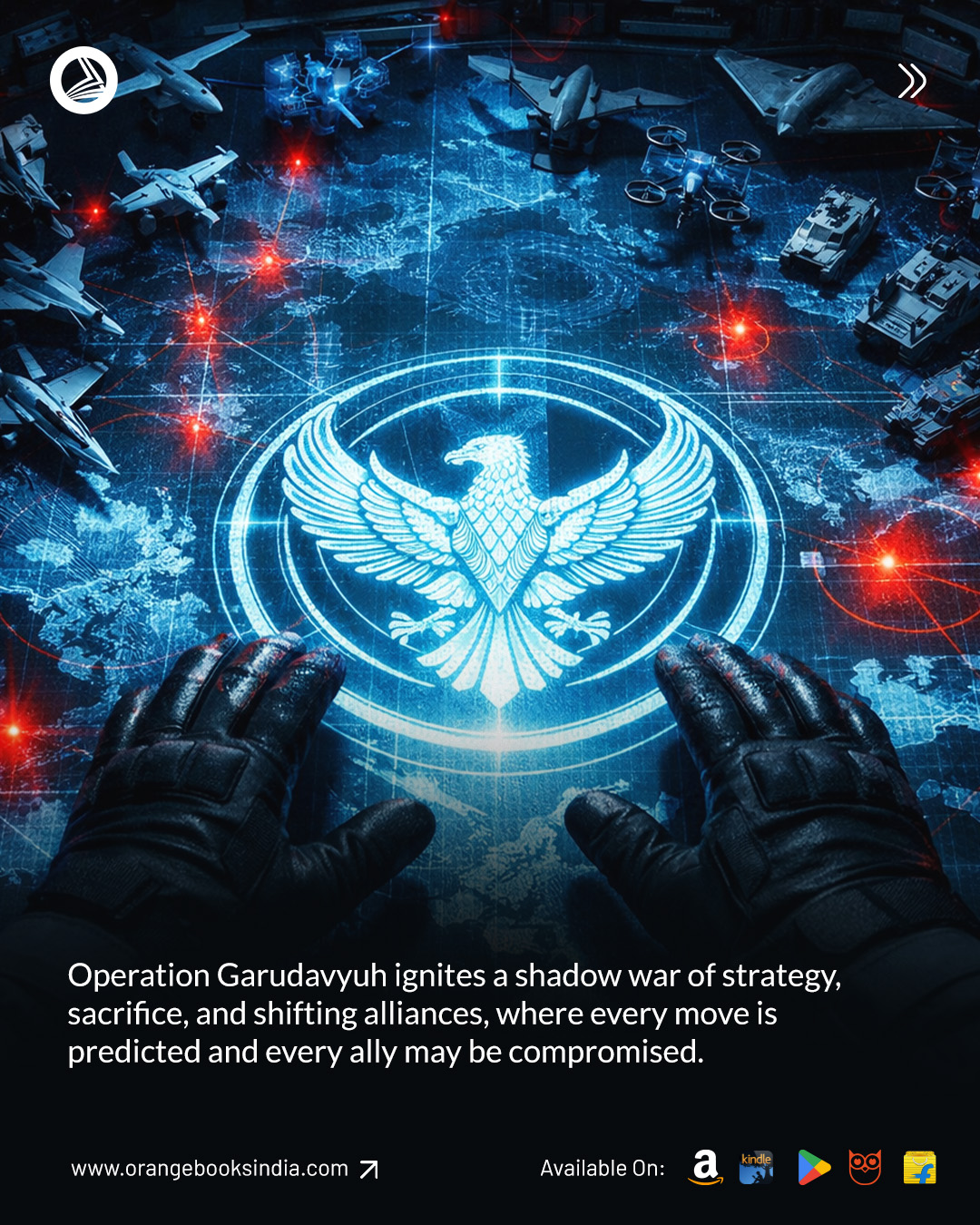



Q: How Important Is Research To You When Writing A Book?
A: Research is fundamental to my writing, especially in genres that deal with intelligence, geopolitics, and institutional decision-making. Without a strong research base, the narrative loses credibility, and readers quickly sense when the world being presented does not hold together. Research allows the story to feel grounded, even when the events themselves are fictional.
That said, research serves the story it does not dominate it. I rely on open-source material, historical patterns, policy analysis, and academic work to understand how systems function, but I am careful not to overwhelm the narrative with technical detail. The goal is authenticity, not documentation.
For me, good research creates confidence. It allows me to write with restraint, avoid sensationalism, and focus on the human and ethical dimensions of the story, knowing that the framework beneath it is solid.
Q: What Advice Would You Give To Aspiring Authors?
A: Read widely and read seriously. Good writing is built on deep, attentive reading across genres, styles, and disciplines. The more you read, the better you understand how stories are structured, how language works, and how ideas are shaped into narrative.
Write with discipline, not just inspiration. Inspiration may begin a project, but discipline is what completes it. Set a routine, revise relentlessly, and accept that early drafts are meant to be imperfect. Growth comes from rewriting, not rushing to finish.
Finally, be patient and honest with your voice. Do not chase trends or write what you think will sell. Write the stories you feel compelled to tell, grounded in curiosity and integrity. Publishing is a long journey, but authenticity and persistence are what sustain it over time.
This book is published by OrangeBooks Publication. All rights are reserved with the author & the publisher.