- October 6, 2026
Suman Saran Sinha Talks About His Book “The Silent War Within”
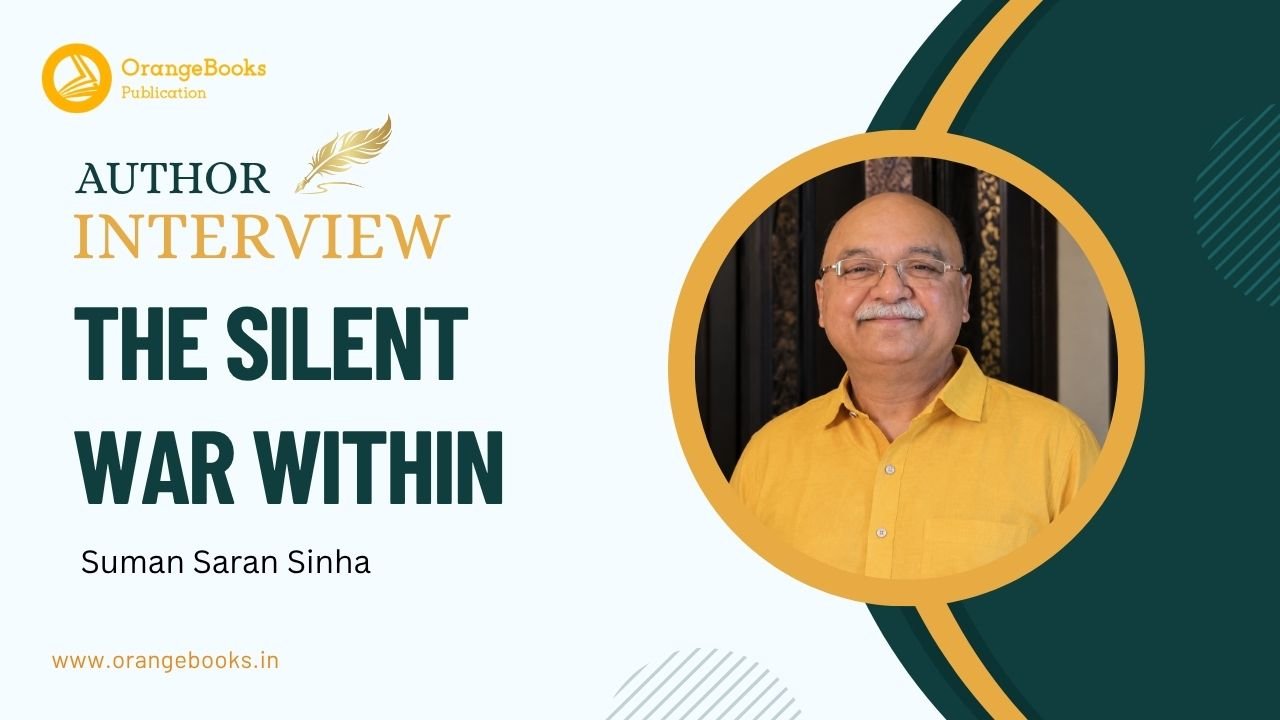
About the Author:
Suman Saran Sinha is a writer, philosopher, and a Yoga student and Indian wisdom traditions. His work explores the intersection of philosophy, psychology and spirituality., and their relevance to contemporary life. He is an author of – Philosophy of Loneliness, Philosophy of Depression and Kriya Yoga and Philosophy of Yoga: Bhakti, Jnana and Karma in the Modern World.
Exclusive interview with the author
Q: What Inspired You To Write This Book?
A: The Silent War Within was inspired by a question that has remained with me for many years: Why do so many people continue to suffer inwardly even when, outwardly, their lives may appear successful and comfortable? My earlier books explored different dimensions of this question. Philosophy of Loneliness examined loneliness, solitude, human connection and the search for meaning. Philosophy of Depression and Kriya Yoga explored depression as a complex human experience and the role of awareness and Kriya Yoga in the journey toward inner healing. Philosophy of Yoga then explored Bhakti, Jnana and Karma Yoga and their relevance to modern life. Gradually, I realized that these subjects could not really be separated. Loneliness can lead to emotional distress; emotional distress can affect the mind; the mind can become trapped in unconscious patterns; and beneath all of this lies the deeper question of consciousness and meaning. That realization led me to The Silent War Within. The book brings many of these explorations together—from childhood conditioning and family relationships to anxiety, depression, loneliness, addiction, existential uncertainty and, ultimately, awareness and transformation. The manuscript describes the book as an attempt to understand the hidden forces shaping our inner lives and to explore whether suffering can become a doorway to deeper awareness. I wanted the book to do more than discuss suffering. I wanted it to remind the reader that beneath anxiety, loneliness and emotional conflict, there remains the possibility of understanding, healing, awakening and renewal. If the book can help even one person understand their inner struggle more clearly and feel a little less alone, I would consider that a meaningful purpose for having written it.
Q: Can You Tell Us About The Book?
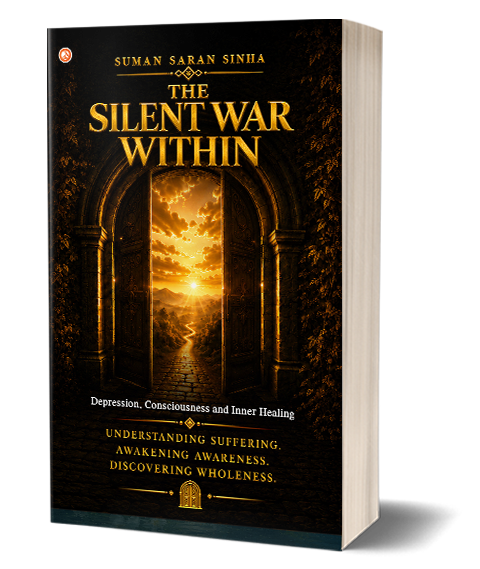
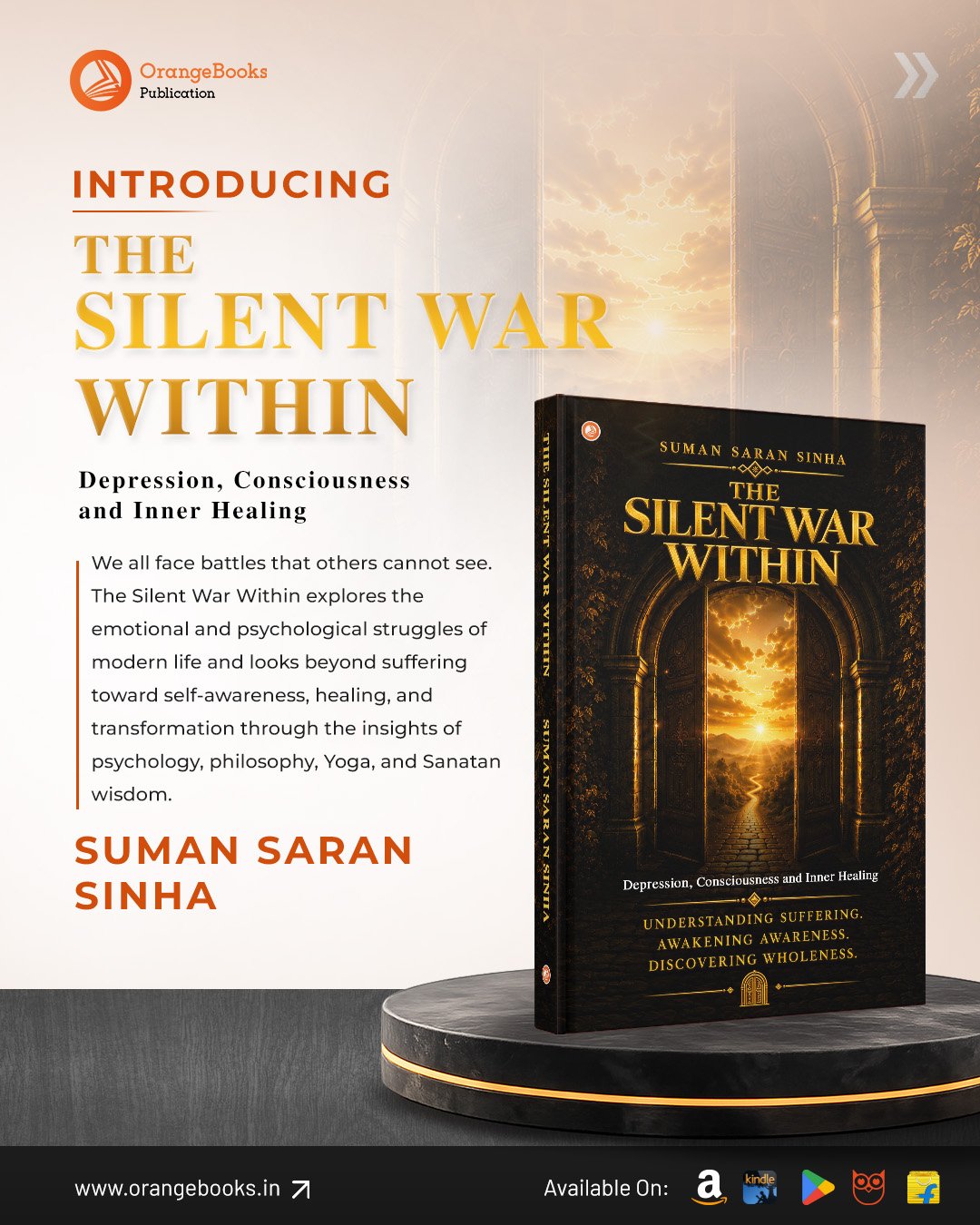
A: The Silent War Within is an exploration of the invisible battles that many human beings fight within themselves—often without anyone around them knowing. We live in an age of extraordinary technological and material progress. We communicate more than ever, yet many people experience loneliness. We have greater convenience, yet anxiety, emotional exhaustion and a sense of meaninglessness remain part of modern life. The book asks why this paradox exists. It explores the many layers that can contribute to human suffering—childhood experiences, family conditioning, relationships, financial and professional pressures, emotional patterns, loneliness, addiction, existential uncertainty and the pressures of a performance-oriented society. The book then turns toward awareness, meditation and Yoga as possible pathways for understanding the mind and developing a more conscious relationship with life. Its journey moves through Understanding the Silent War, The Search for Meaning, and Awareness and Transformation. But I would not describe it as a book that claims to have all the answers. Human life is too complex for simple conclusions. Rather, it is an invitation to look inward with honesty, compassion and courage. At its heart, the book asks whether, beyond the noise and turmoil of the mind, there is a deeper awareness within us that can become a source of clarity, meaning and inner freedom.
Q: What Does The Title Mean?
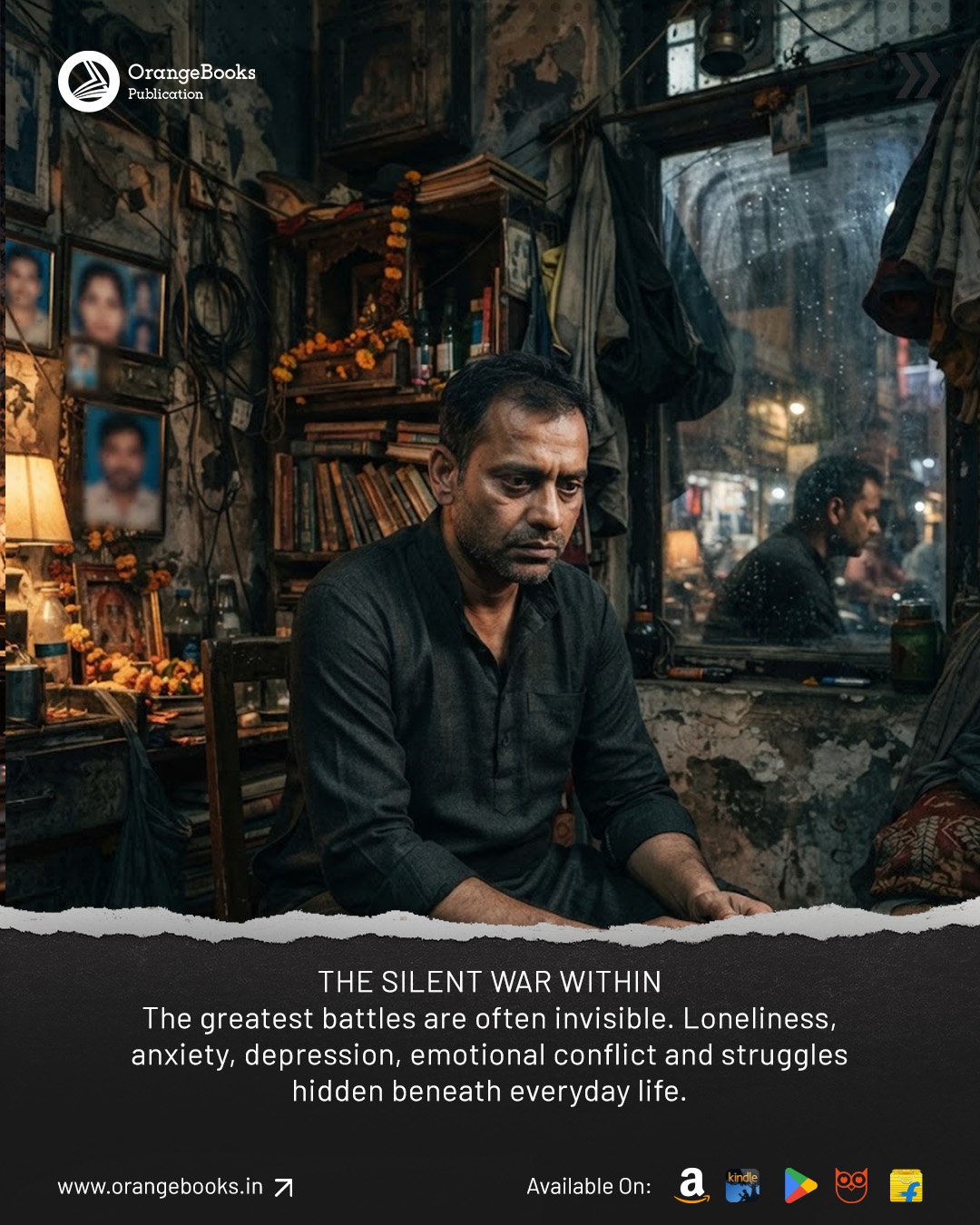
A: The title The Silent War Within refers to the conflict that takes place inside the human mind and consciousness—often silently and invisibly. A person may appear perfectly normal from the outside. They may go to work, attend university, raise a family, meet their responsibilities and even appear successful. Yet inside, they may be struggling with fear, insecurity, loneliness, anxiety, grief, depression, self-doubt or a loss of meaning. That is the war within. It is silent because much of it is never spoken about. People often hide their vulnerability because they fear being judged, misunderstood or perceived as weak. They continue performing their roles while carrying an invisible emotional burden. But the word war also refers to the struggle between fear and understanding, unconscious conditioning and conscious choice, external performance and inner authenticity. I do not believe the answer is to declare war on our own mind. The real transformation begins when we learn to observe the mind rather than become completely identified with everything it produces. Through awareness, reflection, meditation and the wisdom of Yoga, we can gradually develop a different relationship with our thoughts and emotions. So the title is ultimately not only about darkness. It is about discovering the awareness that exists beyond the darkness.
Q: Where Do You Get Your Information Or Ideas For Your Books?
A: My ideas usually begin with life itself—with something that touches me deeply and refuses to leave my mind. My journey into writing about depression began in October 2013, when I learned about the tragic suicide of a young student, Miss Rachel Cooper. Around the same time, a report broadcast by the Canadian Broadcasting Corporation (CBC) drew attention to disturbing levels of depression, loneliness and suicidal thoughts among university students. The findings deeply shocked me. I could not look at those statistics merely as numbers. I saw behind them young human beings who were silently suffering. My heart went out to them at a stage of life when they should have been concentrating on their education, developing their careers and discovering their potential. I began asking myself: Why are young people experiencing such profound emotional pain? What happens within the mind before a person reaches such a desperate state? And is there something I can do, even in a small way, to help? Those questions led me to write my article “Philosophy of Depression,” which I posted on November 1, 2013. I also sent the article to OCAD University with the hope that it might be circulated among students. I never knew whether it was eventually circulated or not. But I felt that I had done what I could do, purely out of humanity. That experience became the seed of a much longer writing journey. My exploration gradually extended from depression to loneliness, Kriya Yoga, consciousness, Yoga and the search for meaning. These themes eventually found expression in Philosophy of Loneliness, Philosophy of Depression and Kriya Yoga, Philosophy of Yoga, and now The Silent War Within. For me, writing is not merely about putting ideas on paper. It is about responding to questions that life places before us—and, wherever possible, using those words to reach someone who may be silently struggling.
Q: How Many Books Have You Written? Which Is Your Favourite?
A: I have written four books in this philosophical journey so far: Philosophy of Loneliness, Philosophy of Depression and Kriya Yoga, Philosophy of Yoga: Bhakti, Jnana and Karma in the Modern World, and now The Silent War Within. My latest book itself describes these earlier works as part of the journey that eventually led to the present book. Each book represents a different stage of my own inquiry, so choosing one as a favourite is difficult. Philosophy of Loneliness opened my exploration of emotional isolation and human connection. Philosophy of Depression and Kriya Yoga took me deeper into suffering, the mind and inner healing. Philosophy of Yoga allowed me to explore the timeless paths of Bhakti, Jnana and Karma in relation to contemporary life. But The Silent War Within occupies a special place because it brings many of these explorations together. It is, in that sense, a continuation rather than a departure from my earlier work. I therefore prefer to think of my books not as separate destinations, but as chapters in one continuing journey—the journey of trying to understand human beings, their suffering, their consciousness and their search for meaning.




Q: What Advice Would You Give To Aspiring Authors?
A: My first advice to an aspiring author would be: Write because you have something meaningful to say, not merely because you want to become an author. An author must remain curious. Observe people. Observe society. Listen to conversations. Read widely. Question assumptions. And, most importantly, learn to observe your own thoughts and experiences. Good writing also requires patience. The first draft is rarely the final expression of an idea. Rewriting, reflection and editing are part of the creative process. Do not try too hard to imitate what is popular. Find your own voice. Write in a way that is authentic to your experience and your understanding. Research is important, particularly when writing about subjects that affect people’s lives. But research should support your thinking rather than replace it. Finally, do not measure your writing only by sales, recognition or the number of readers. A book can have value if it makes one person think differently, ask a deeper question, or see life from another perspective. Write with sincerity. Write with discipline. Write with humility. And above all, write something that you yourself would be proud to leave behind.
This book is published by OrangeBooks Publication. All rights are reserved with the author & the publisher.