- January 27, 2026
Vaibhav Shukla Talks About His Book “Because God Was Listening”

About the Author:
Vaibhav Shukla is an Indian-origin author from Ireland. He writes about emotions, journeys, feelings and challenges of youth, both from a male as well as female perspectives. He is the author of the Teen Love/Breakup story ‘Happy, Not Happy’, which has been described as ‘a waterfall of emotions’ by a few readers. Other than being a writer, he is also a Product Manager, Management Consultant, Blogger, YouTube Content Creator, Study Abroad Consultant, Vlogger, Professional Development Coach, and an Entrepreneur. Born & raised in Gorakhpur, India, studied at prestigious University College Dublin, he is currently working in Financial Services and the Artificial Intelligence Industry.
Exclusive interview with the author
Q: What Inspired You To Write This Book?
A: This book was inspired by quiet lives, the kind that don’t make noise but carry a lot of weight. I’ve closely observed the emotional world of middle-class families. They grow up learning responsibility before they learn joy. They’re taught to adjust, to stay strong, to think of everyone else first. Many of them carry past wounds, guilt they never deserved, and expectations that slowly shape how they see themselves. At the same time, I’ve always been deeply moved by faith, not the loud kind, but the personal kind. The kind where people talk to God in their own language, at night, when no one else is listening. That quiet relationship with faith became the emotional backbone of this story.
I wanted to write about a girl who doesn’t suddenly get a perfect life, but slowly learns to heal. About how love can arrive gently. About how challenges don’t disappear, but courage grows. And about how, sometimes, when someone feels unheard for too long, life changes, not because everything becomes easy, but because something finally answers back. In many ways, Because God Was Listening is a story about resilience, faith, and the moment someone finally chooses themselves, after a lifetime of choosing everyone else.

Q: Can You Tell Us About The Book?
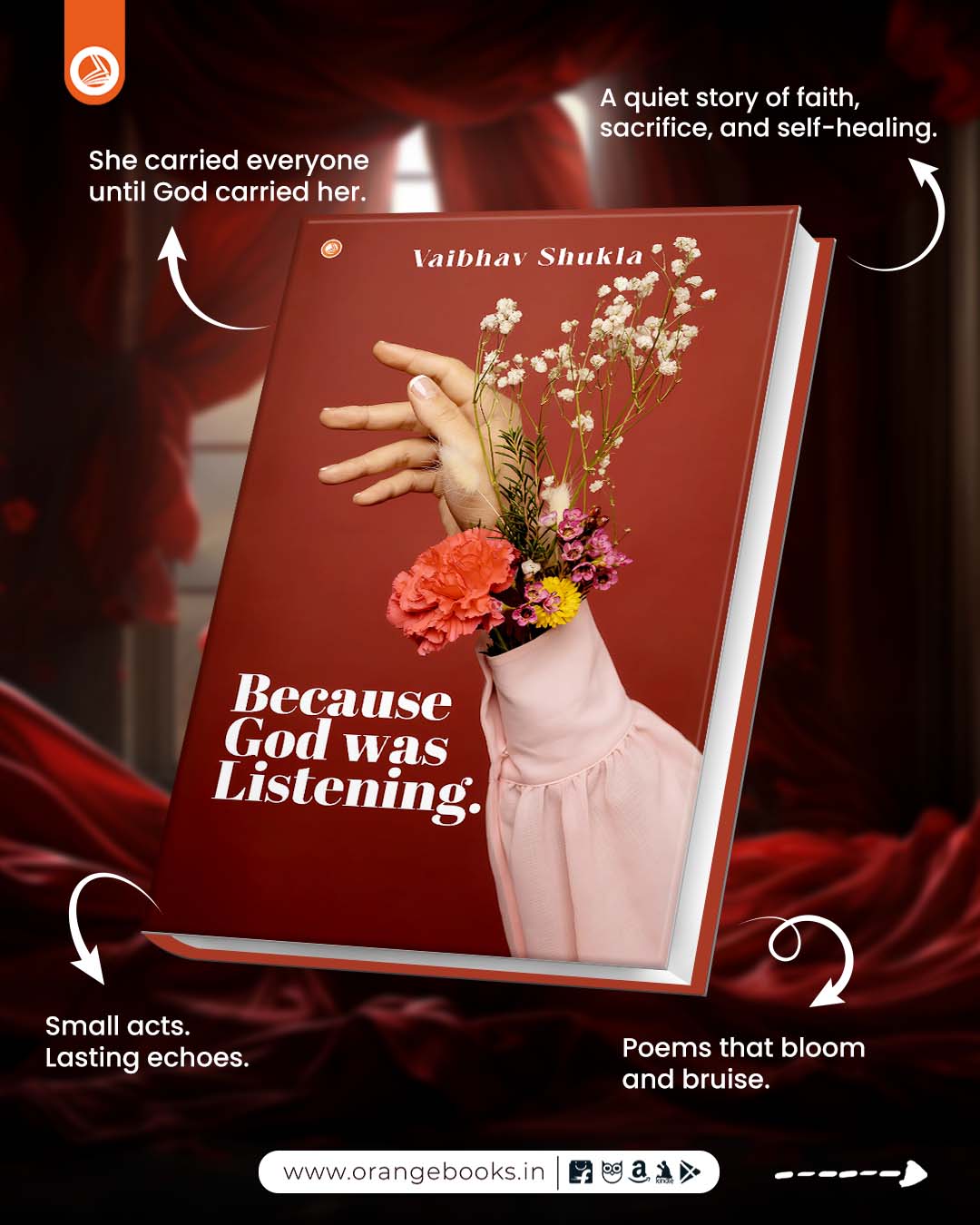
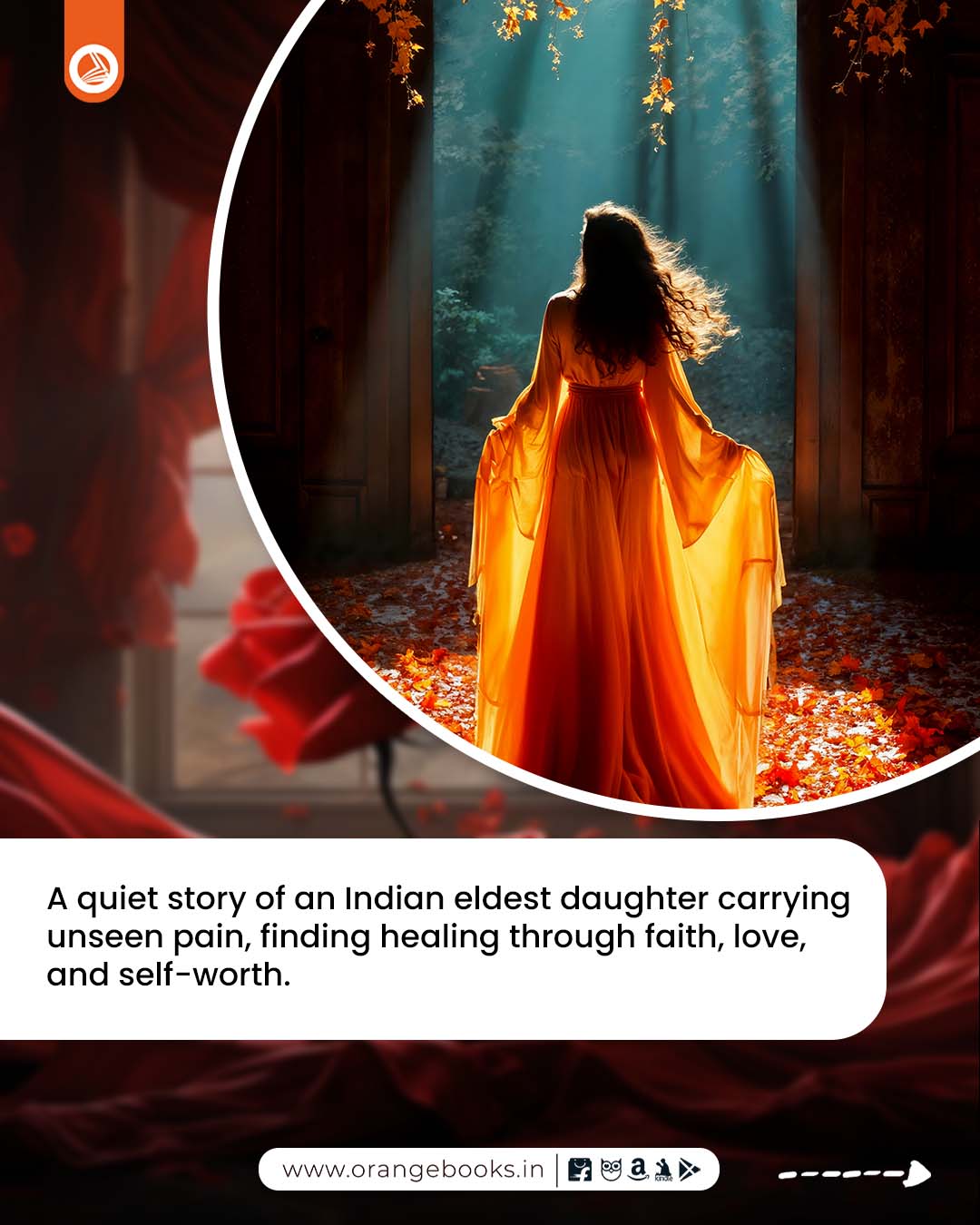
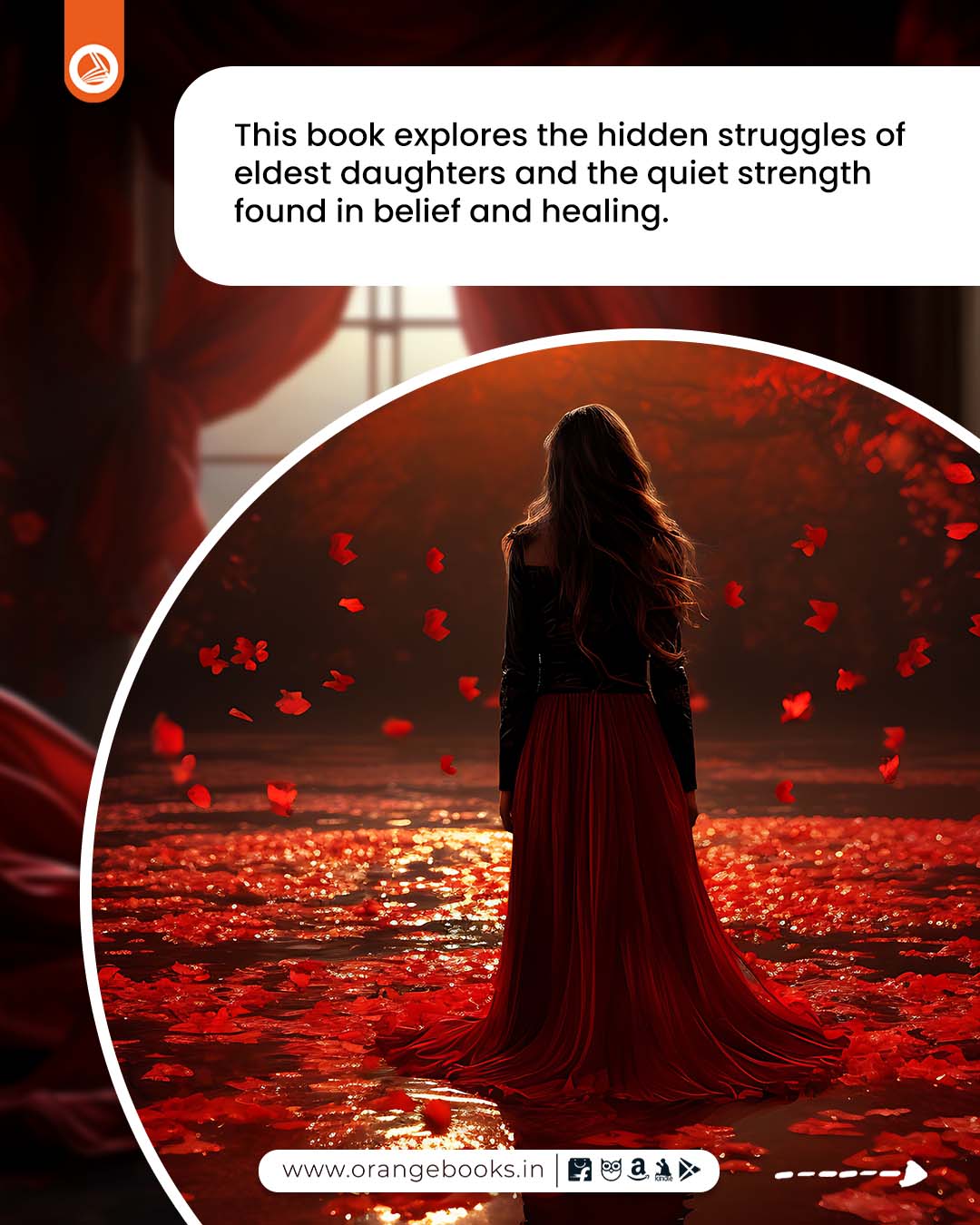
A: Because God Was Listening is a deeply emotional coming-of-age love story set in a middle-class Indian household. At its heart, the book explores the inner life of an eldest daughter, her responsibilities, her unspoken pain, and the quiet ways she learns to survive.
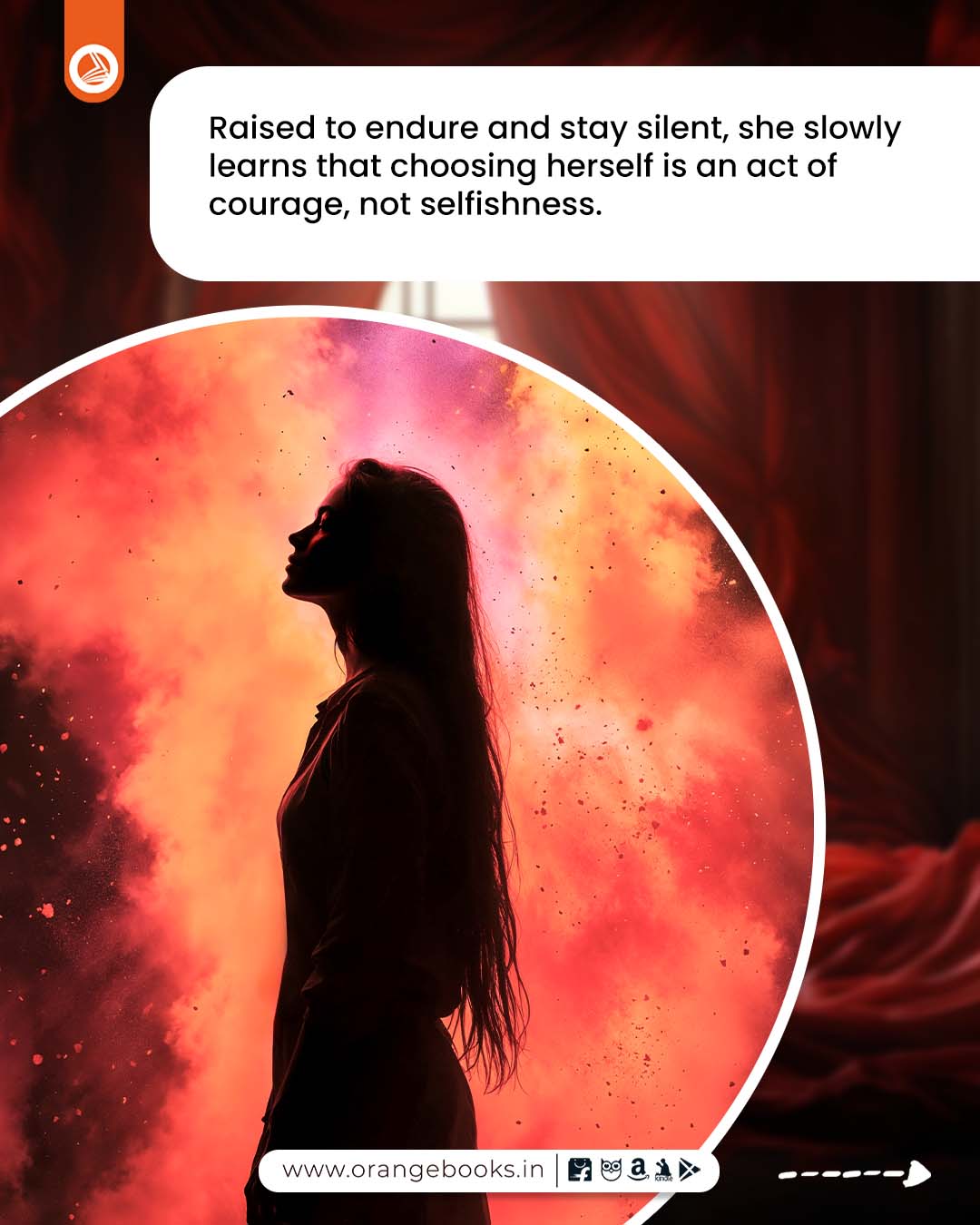
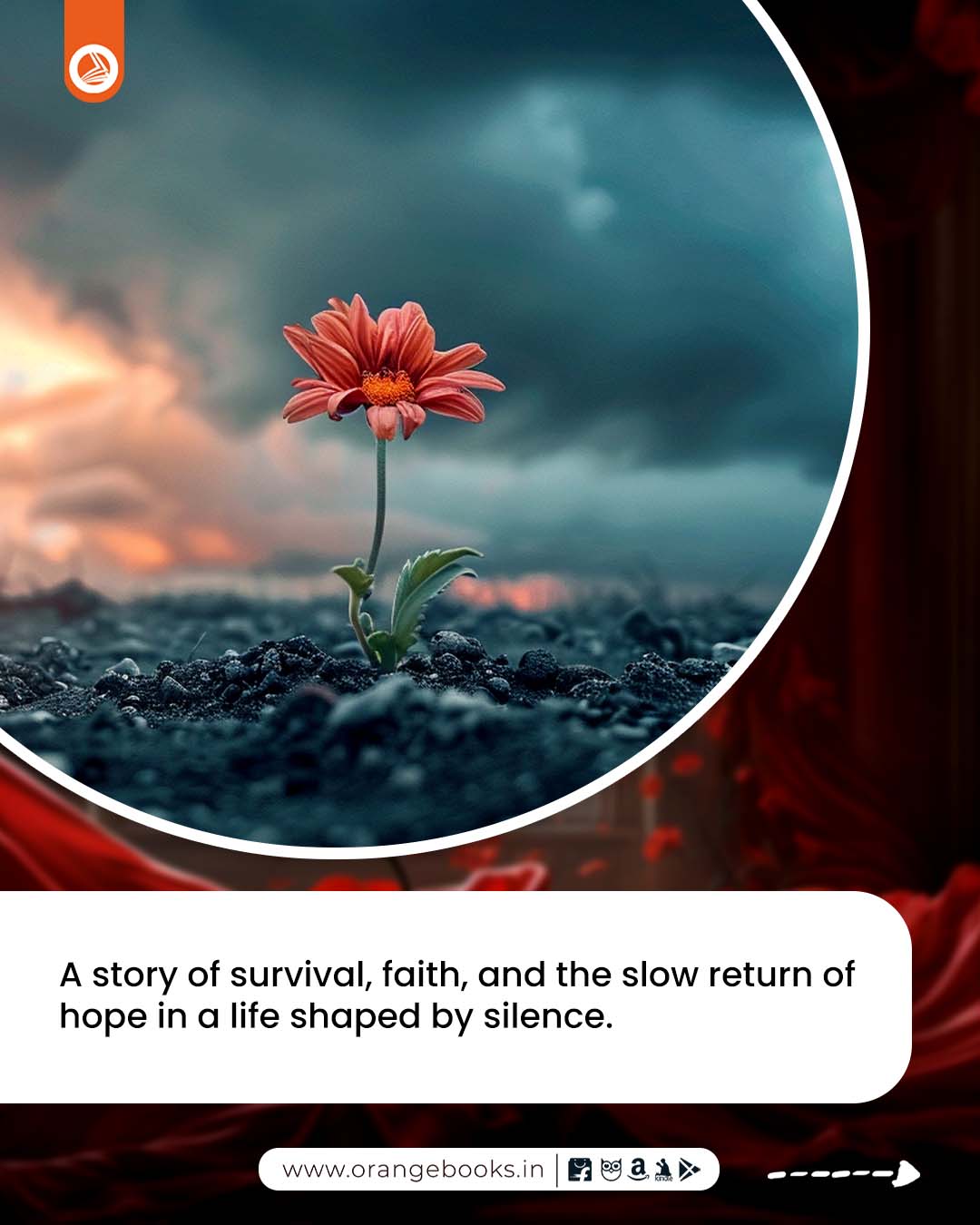
The story follows a young woman carrying the weight of past trauma, societal expectations, and guilt that was never hers to begin with. Her only constant is her faith, a deeply personal relationship with God, to whom she speaks freely, honestly, and without fear of judgment. When life slowly begins to shift, through love, self-belief, and small moments of courage, she is forced to confront old wounds and long-held fears. The book doesn’t promise an easy journey, but it does offer something gentler and more truthful: healing that happens step by step, and strength that grows quietly.
Ultimately, it’s a story about faith, resilience, and the moment a woman realizes that choosing herself is not selfish, it’s necessary.
Q: What Does The Title Mean?
A: The title Because God Was Listening reflects the quiet faith that runs through the story. For the protagonist, God isn’t a distant figure or a formal idea, He’s someone she talks to. She tells Him everything she can’t say out loud: her fears, her guilt, her exhaustion, her hopes. When life feels unfair or overwhelming, that conversation becomes her only safe space.
The title doesn’t suggest that God suddenly fixes everything. Instead, it means that something shifts, not because life becomes easy, but because she begins to feel heard. Love arrives gently. Courage grows slowly. Strength returns in ways she didn’t expect. In that sense, the title is less about divine intervention and more about reassurance. About the idea that when someone has been carrying too much for too long, the universe eventually responds, sometimes through people, sometimes through change, sometimes through inner clarity. The story exists because, in her darkest moments, she believed someone was listening. And eventually, she was right.
Q: What Did You Learn When Writing The Book?
A: Writing this book taught me patience, with stories, with people, and with healing. I learned that pain doesn’t always announce itself loudly. Sometimes it lives quietly inside people who seem strong on the outside. Writing from that emotional space made me more aware of how often we underestimate what others are carrying.
I also learned that healing isn’t a single moment or a dramatic breakthrough. It’s a series of small choices, choosing to speak, choosing to trust, choosing to stay instead of running. The character’s journey reminded me that growth doesn’t mean erasing the past; it means learning how to live alongside it without letting it define you.
Perhaps the most important lesson was about faith. Not as something perfect or performative, but as something deeply personal. Writing this book showed me that faith can simply be a conversation, a place where someone feels safe enough to be honest. And finally, I learned that choosing yourself isn’t selfish. It’s often the bravest thing a person can do.
Q: Was The Character Inspired By A Real Person?
A: No, the character is not based on any one real person.
She is a fictional creation shaped by many observations, conversations, and experiences I’ve encountered over time. In that sense, she represents a collective reality rather than an individual one — the emotional world of many eldest daughters, many middle-class households, and many people who quietly carry more than they show. While the events and characters are fictional, the emotions are very real. The fears, the faith, the guilt, the resilience, those come from listening closely to the lives around us. I wanted her story to feel familiar without being specific, so readers could see parts of themselves in her, regardless of who they are or where they come from.
Q: What Do You Think Happened To The Characters After The Book Ended?
A: I like to believe that life didn’t suddenly become perfect for them, and that’s a good thing.
After the book ends, I imagine they continued to grow quietly. There would still be responsibilities, disagreements, fears, and moments of doubt. But the difference is that they wouldn’t face those moments alone anymore. For her, I think life moved forward with more confidence. Not because everything stopped hurting, but because she finally trusted herself. She learned to speak up, to protect her peace, and to believe that her happiness mattered just as much as anyone else’s. For him, I imagine a softer strength emerging — the kind that doesn’t need to prove itself. A man who continues to stand up for others, but also learns to rest, to lean on someone, and to let himself be loved fully.
Together, I see them choosing patience, friendship, and faith — building a life slowly, with care. Not rushing toward a perfect ending, but growing into one. In many ways, the story ends where their real journey begins.
Q:Where Do You Get Your Information Or Ideas For Your Books?
A: Most of my ideas come from observing the world around me.
I pay close attention to everyday lives, conversations at home, small moments in public places, family dynamics, things people don’t say out loud. Middle-class households, in particular, are full of quiet stories that rarely get told, but carry deep emotional weight. I’m especially drawn to ordinary moments that reveal something larger, a pause in a conversation, a reaction that feels heavier than the situation, the way people carry responsibility without naming it. Those observations slowly turn into characters, emotions, and situations on the page.
I believe extra-ordinary stories don’t always come from extraordinary events; often, they come from listening carefully to ordinary lives.
Q: When Did You Write Your First Book And How Old Were You?
A: I started writing my first book, Happy, Not Happy, in 2023, when I was 21 years old. It was published in 2025.
That book marked the beginning of my journey as a writer. It helped me understand my voice, my themes, and the kind of stories I want to tell stories rooted in emotion, inner conflict, and human experiences that often go unspoken.
Q: How Many Books Have You Written? Which Is Your Favourite?
A: I’ve written two books so far, including Because God Was Listening.
As for my favourite, I think it’s always the next one. Every book teaches you something new, and with each story, your understanding of writing deepens. Right now, I’ve already started the process of exploring ideas for my next book, and I find that phase incredibly exciting.
There’s something special about standing at the beginning of a new story, not knowing where it will go yet, but feeling curious about the world you’re about to build. That anticipation is what keeps me writing.
This book is published by OrangeBooks Publication. All rights are reserved with the author & the publisher.