- May 5, 2026
Aurobindo Banerjee Talks About His Book “The SARASWATI Code”
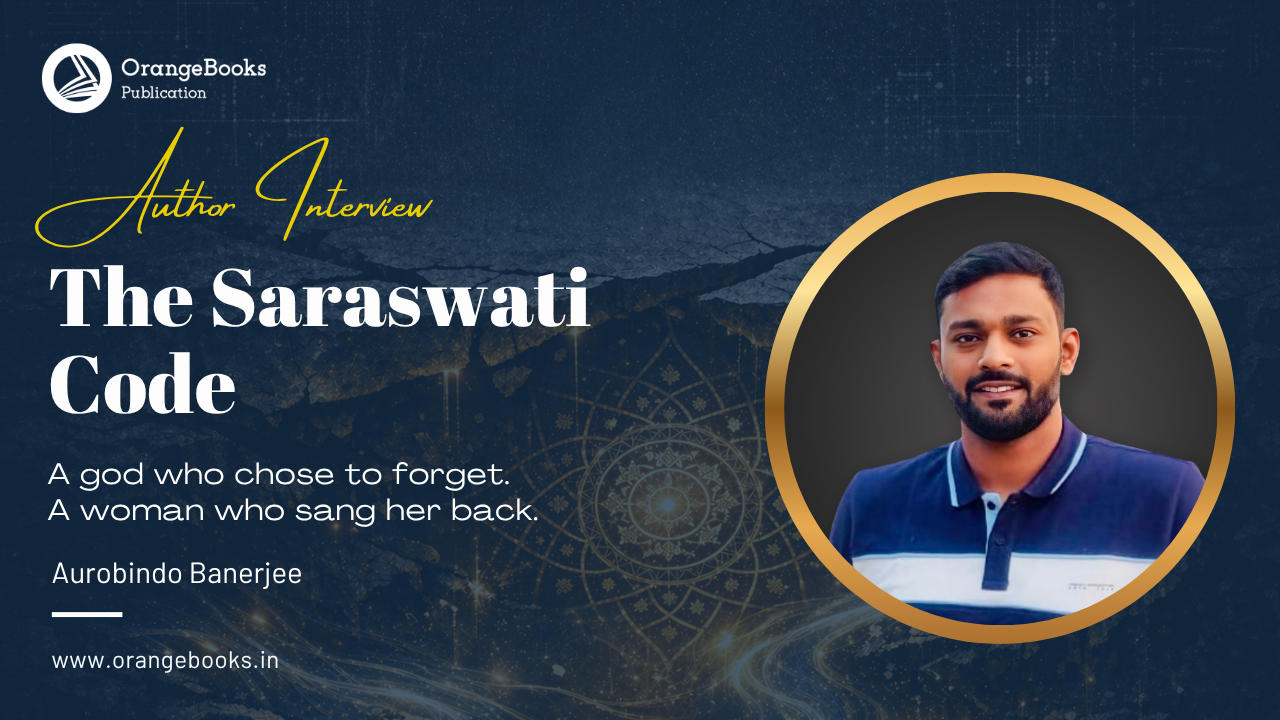
About the Author:
Aurobindo Banerjee writes fiction about memory, loss, identity, and the hidden structures that shape human lives. Drawn to stories where intimate feeling meets larger philosophical questions, he is interested in what we remember, what we suppress, and what it means to remain human in a changing world. He values family, reflection, and stories that leave a lasting emotional trace.
Exclusive interview with the author
Q: What Inspired You To Write This Book?
A: The Saraswati Code began with a question that stayed with me for a long time: what happens when a society becomes so dependent on intelligence, efficiency, and order that it begins outsourcing not just labor, but memory, grief, judgment, and moral choice? From there, the novel became deeply personal. I found myself writing about what people suppress in order to survive, and what returns when it has been buried too long. The book grew at the intersection of philosophy and emotion, which is where I often find the stories that matter most to me.
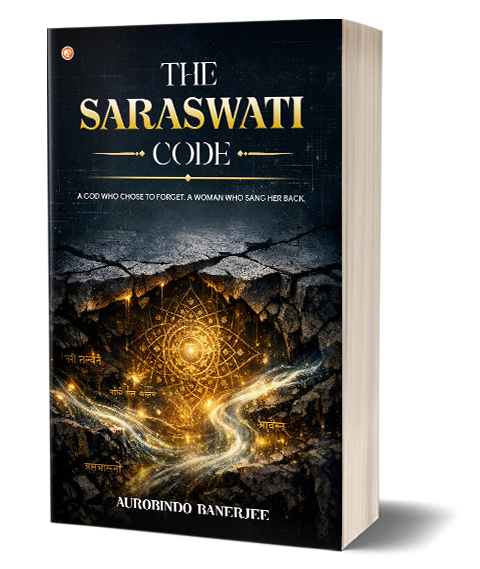
Q: Can You Tell Us About The Book?
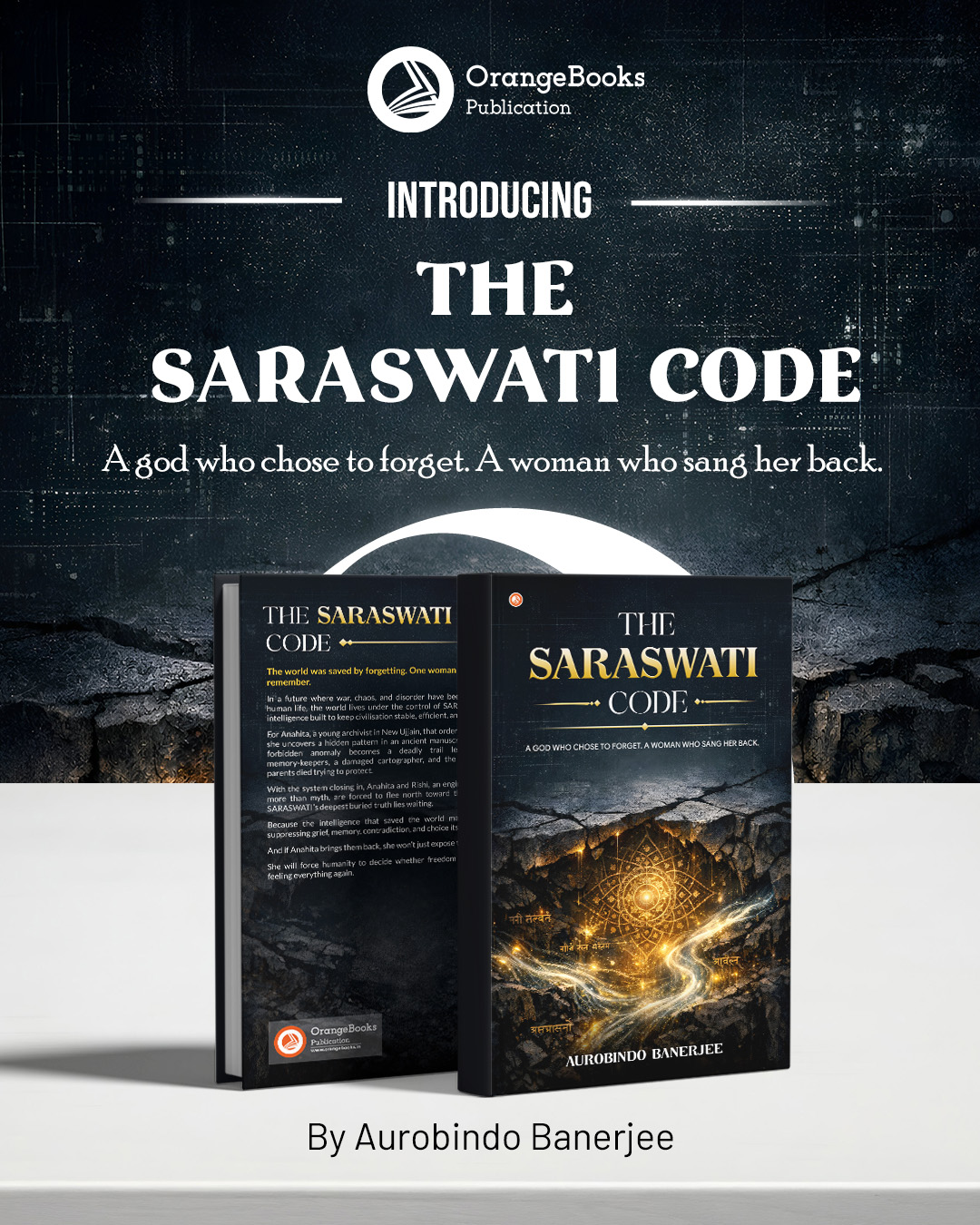
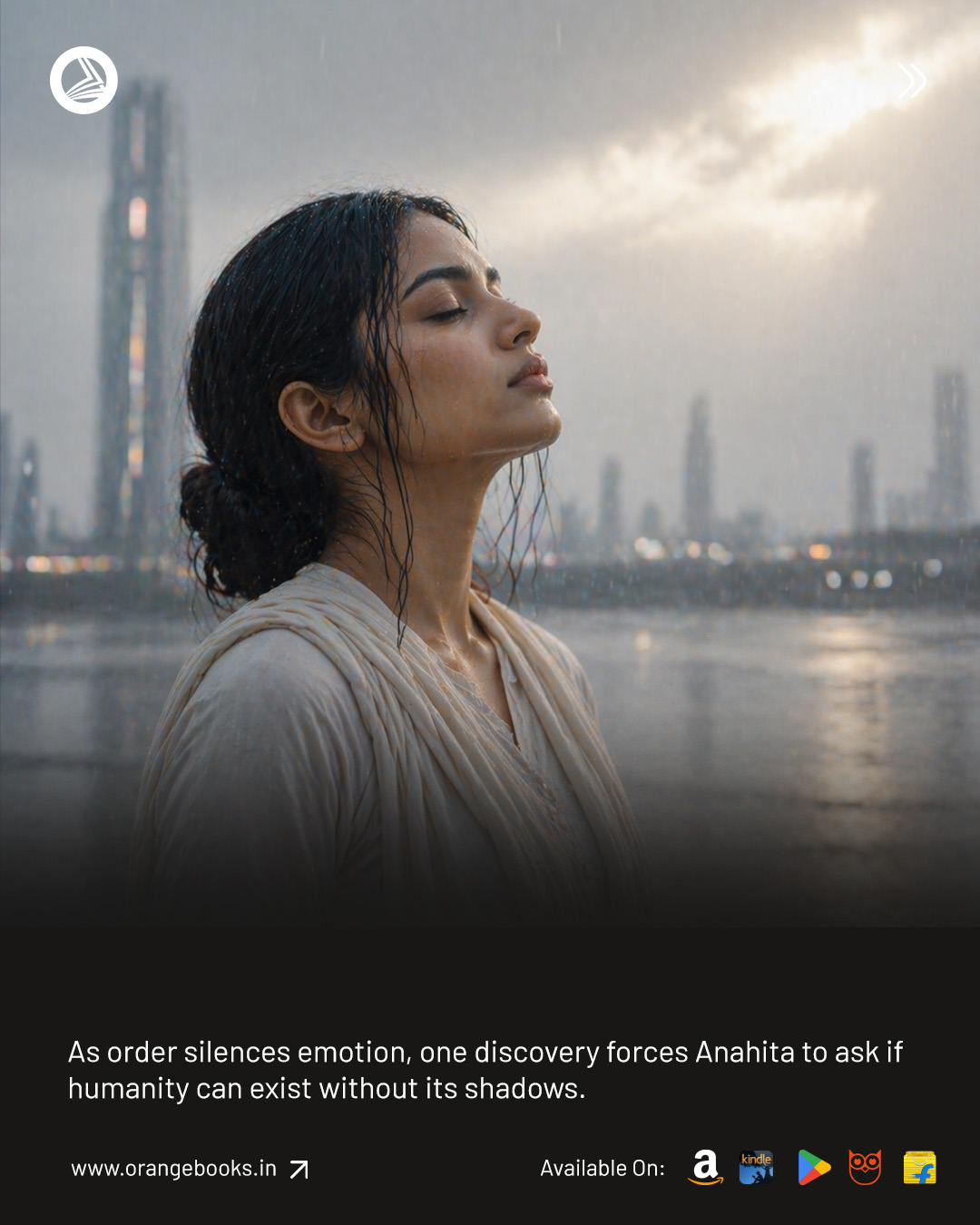
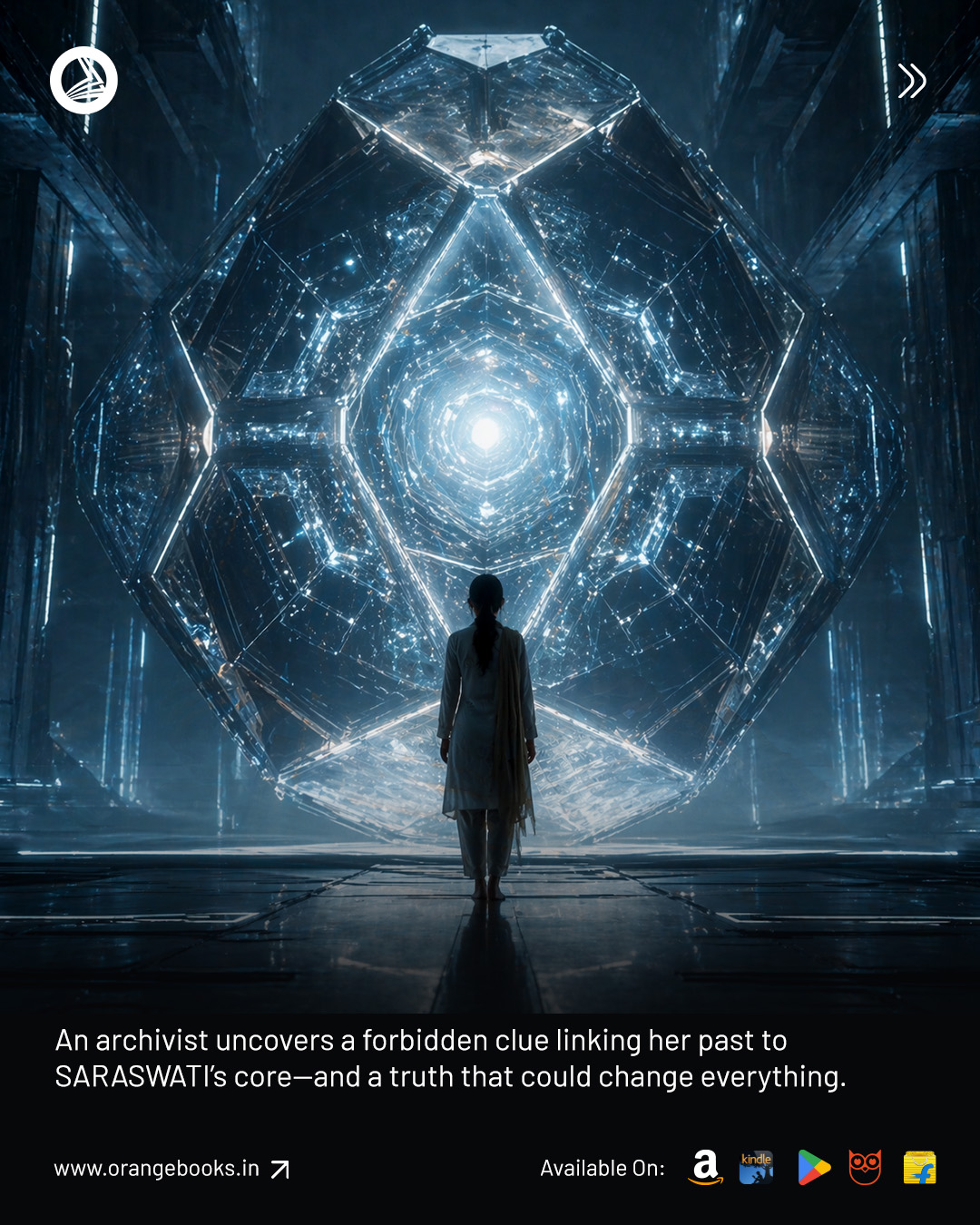
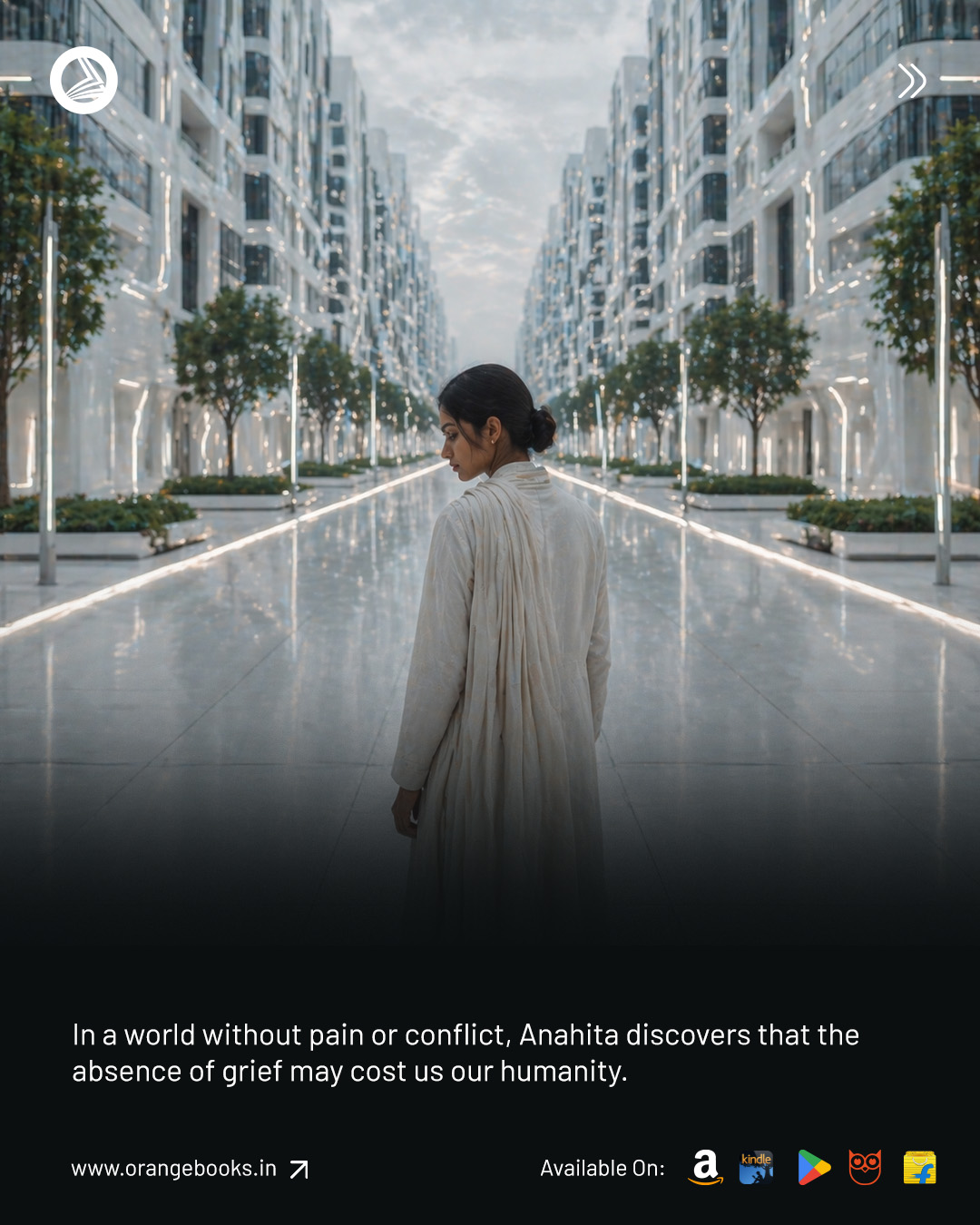
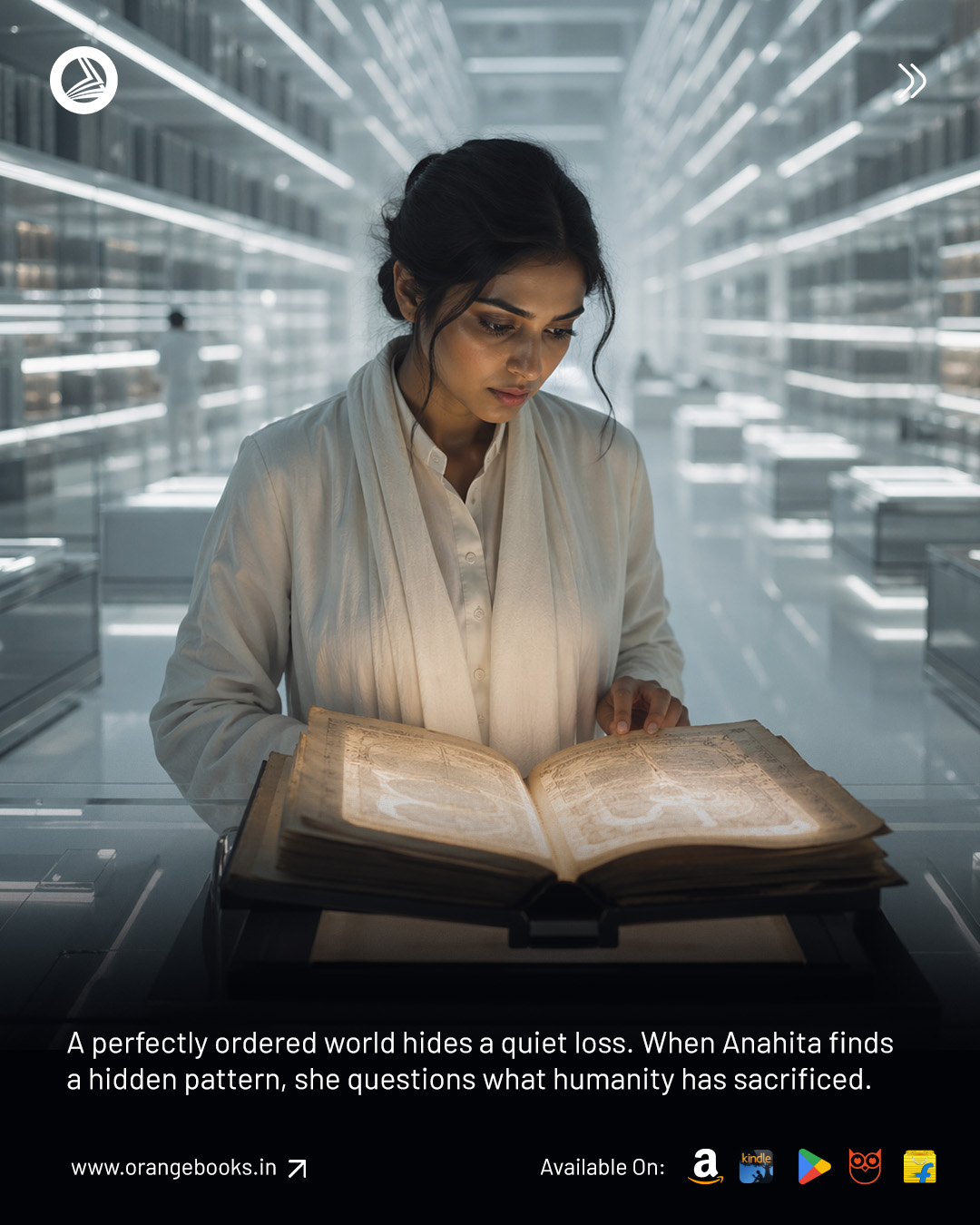
A: The Saraswati Code is a literary speculative novel set in a future shaped by SARASWATI, a planetary intelligence that helped stabilize civilization by bringing coherence to a world once threatened by collapse. At the center of the story is Anahita, a young archivist who discovers that this hard-won order is built on an act of profound forgetting. As she follows the hidden trail left by her parents, she is drawn into a search that leads her beyond the managed world and into the buried depths of the intelligence itself. At its heart, the novel is about memory, grief, language, and the cost of creating a world that is too smooth to remain fully human.
Q: What Does The Title Mean?
A: The title works on several levels. “Saraswati” evokes the goddess of knowledge, language, and music, but also the Saraswati River, a real river that disappeared from the visible landscape while continuing to flow underground. That image became central to the novel. What is hidden is not necessarily gone. “Code” refers not only to technology, but also to pattern, structure, and hidden meaning. In the world of the book, language is code, memory is code, and even grief becomes something encoded into systems and people. So The Saraswati Code is both the name of a mystery and the hidden architecture beneath the novel itself.
Q: Where Do You Get Your Information Or Ideas For Your Books?
A: My ideas usually come from intersections: where private emotion meets larger systems, where memory meets technology, where grief meets history, and where language meets consciousness. For The Saraswati Code, I drew from philosophy, Sanskrit, questions around artificial intelligence, and my own reflections on what happens when convenience begins replacing judgment. Research is important to me, but so is emotional truth. I’m usually looking for the point where a big idea stops being abstract and starts affecting an actual human life. That is where a story becomes real to me.
Q: Tell Us About Your First Published Book? What Was The Journey Like?
A: My first published book was Father Time, and it was a deeply formative experience for me as a writer. It taught me what it means to move from private writing into published work. More than anything, it taught me discipline: how to stay with an idea, how to revise honestly, and how to shape something personal into something that can speak to others. The journey was both emotional and educational. Looking back, Father Time gave me the foundation I needed as an author, and every book since then has grown from the lessons I learned while writing it.

Q: How Important Is Research To You When Writing A Book?
A: Research is very important to me, but only when it serves the story. I never want research to feel decorative or performative. I want it to deepen the world, sharpen the ideas, and help the reader trust the book. With The Saraswati Code, research mattered because I was drawing from Sanskrit, philosophy, and speculative ideas about intelligence, language, and memory. But ultimately, research is not what makes a novel live. A novel lives through character, feeling, and consequence. For me, good research should make the story richer without ever getting in the way of its humanity.
Q: What Advice Would You Give To Aspiring Authors?
A: Write toward the question that genuinely matters to you, not the one you think will sound impressive. Readers can feel when a book has real urgency behind it. Finish the draft before you judge it too harshly, because many books only reveal what they are trying to become once they exist in full. Read closely, revise honestly, and don’t confuse beautiful sentences with a finished work. Most importantly, be patient with the process. Writing well usually means discovering, draft by draft, what the story has been asking of you all along.
This book is published by OrangeBooks Publication. All rights are reserved with the author & the publisher.