- October 14, 2026
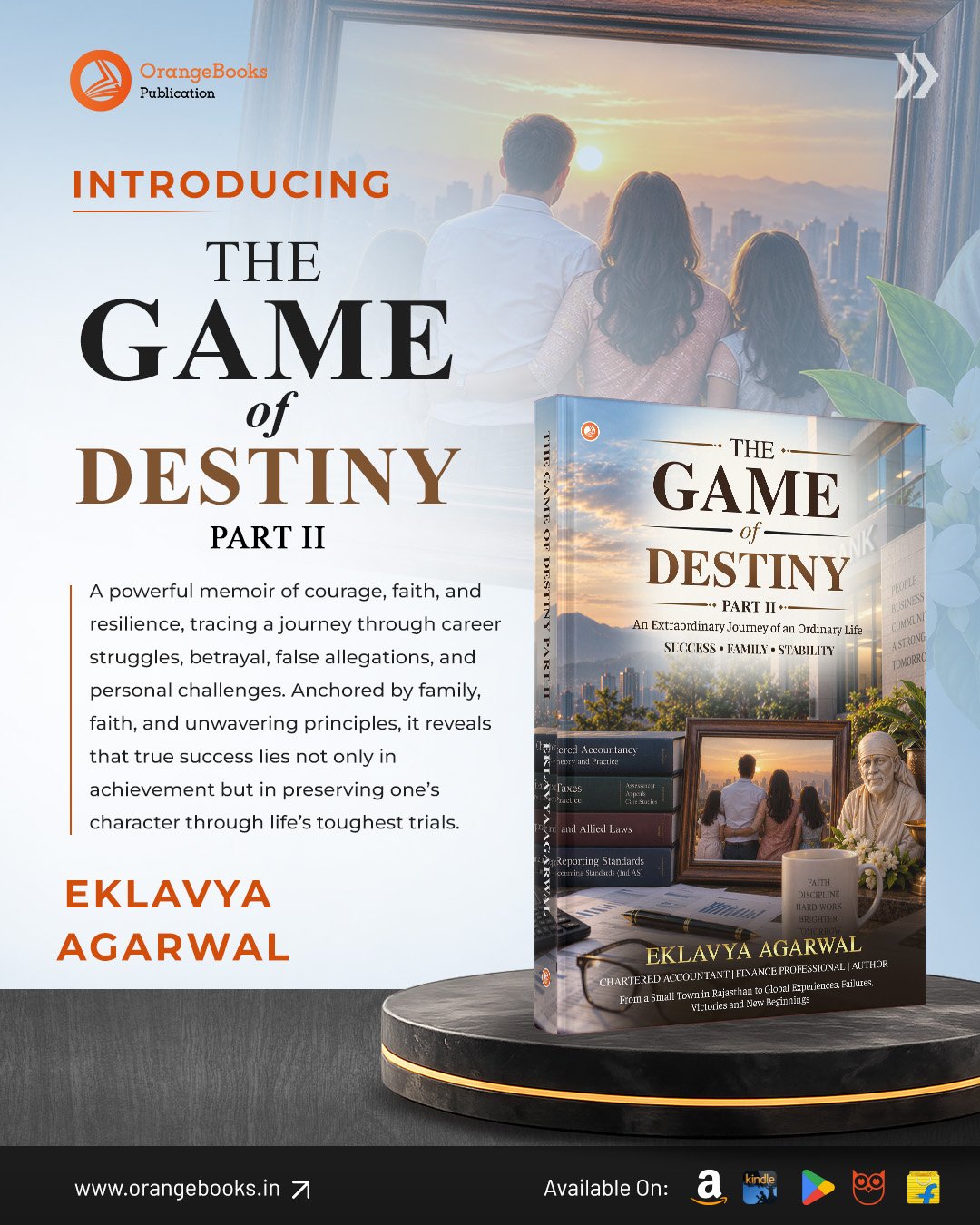
Eklavya Agarwal Talks About His Book “The Game of Destiny Part II”
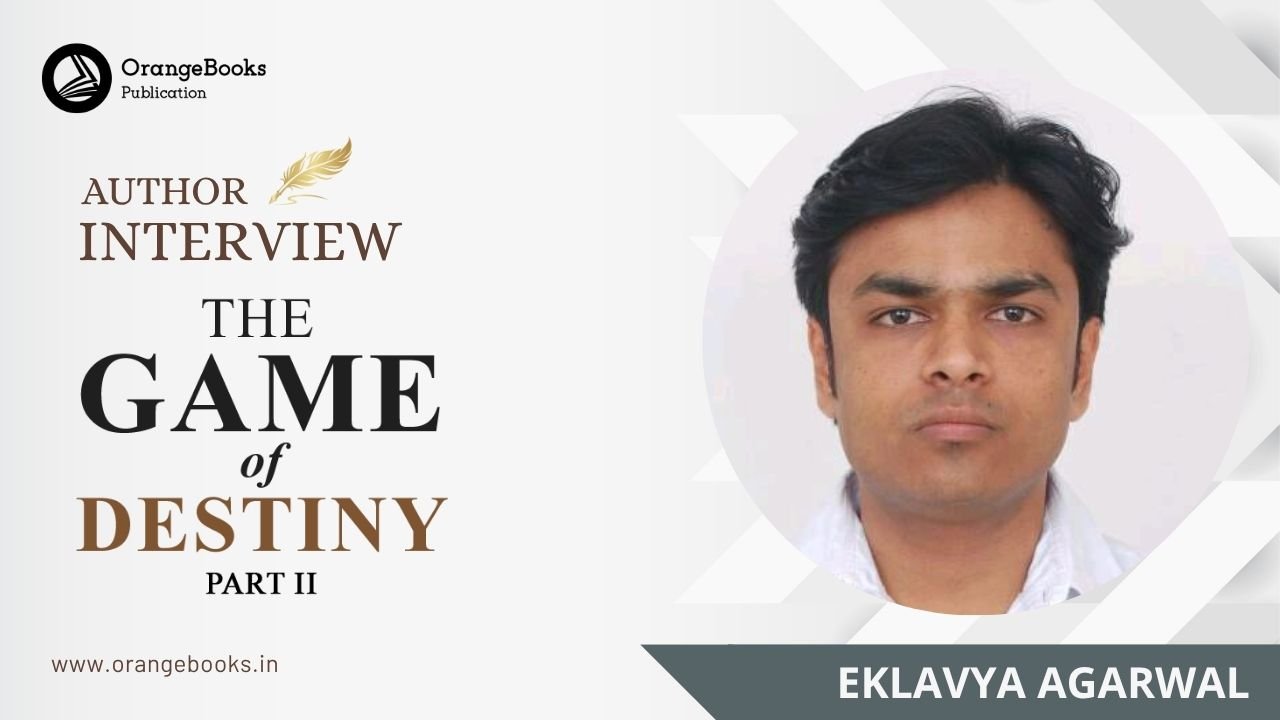
About the Author:
Eklavya Agarwal is a Fellow Chartered Accountant (FCA), corporate leader, and author with over two decades of experience across banking, financial services, and corporate management. Having served in leadership and managerial roles across reputed financial institutions, he has built a career defined not merely by professional achievement, but by resilience, integrity, and an unwavering commitment to values. Originally from Hanumangarh, Rajasthan, his extraordinary journey has taken him through success, setbacks, professional challenges, betrayal, and deeply personal struggles—each shaping his character and perspective. Through his writing, Eklavya transforms life’s hardest lessons into stories of courage, faith, family, and hope. His memoir celebrates one enduring truth: character matters more than circumstances.
Exclusive interview with the author
Q: What Inspired You To Write This Book?
A: I was inspired to write this book because life took me through experiences that I never expected—success, family responsibilities, professional challenges, false allegations, betrayal, and difficult moments that tested my patience and faith. I felt that sharing this journey could give courage to someone going through a difficult phase of life. I wanted readers to see that even an ordinary person can face extraordinary struggles and still find the strength to rise again.
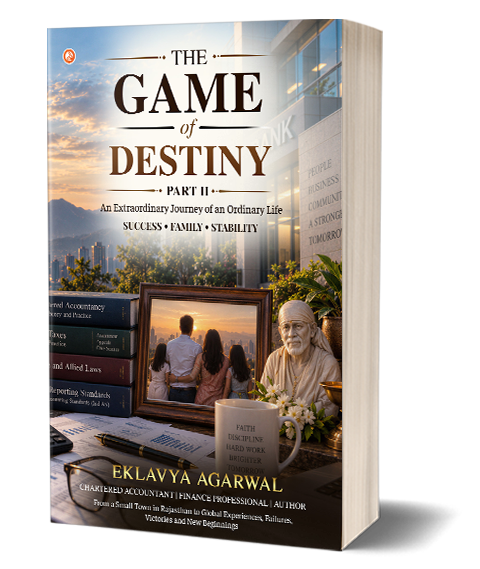
Q: Can You Tell Us About The Book?
A: The Game of Destiny – Part II is the continuation of my autobiographical journey. It takes readers from the peaceful memories of Delhi through family responsibilities, career changes, professional struggles, allegations, investigations, betrayal, identity fraud, and ultimately toward new beginnings. At its heart, it is a story about success, family, stability, integrity, faith, and resilience.
Q: What Does The Title Mean?
A: The title The Game of Destiny reflects the unpredictable nature of life. Destiny can change the direction of our lives when we least expect it. In my journey, every new chapter brought unexpected challenges and opportunities. But while destiny could change the circumstances around me, I tried not to allow it to change my values, integrity, and faith.
Q: What did you learn while writing the book?
A: Writing this book taught me that life’s greatest lessons often come through its most difficult moments. I learned that success is not only about a designation, salary, or recognition. Sometimes success means protecting your character when circumstances challenge you. I also understood more deeply the value of family, patience, faith, and self-respect.
Q: Do you have any suggestions to help others become a better writer?
A: Write honestly and consistently. Don’t try to imitate someone else’s voice. Write about what you understand, what you have experienced, and what you genuinely feel. Read widely, revise patiently, and don’t be afraid to rewrite. Most importantly, write with the intention of connecting with the reader rather than simply impressing the reader.
Q: Do you try more to be original or to deliver what readers want?
A: I believe originality should come first, but a writer should never forget the reader. In my case, I chose to tell my story honestly and allow readers to find their own connection with it. My hope is that someone facing a difficult phase may recognize a part of their own life in my experiences and find some courage, patience, or hope.
Q: What is the most difficult part about writing for you?
A: The most difficult part is writing about painful memories. Some chapters required me to revisit moments that I would rather have left in the past. At the same time, I realized that if sharing those experiences could give even one person courage during a difficult period, then revisiting them was worthwhile.




Q: What Does Success Mean To You? What Is The Definition Of Success?
A: Success, for me, is much more than a designation, salary, award, or professional achievement. True success is being able to protect your character, integrity, family relationships, and inner peace while moving through life’s challenges. My journey has taught me that circumstances can change, but the values we choose to hold on to remain our responsibility.
Q: How important is research to you when writing a book?
A: Research is important, particularly when writing a memoir involving professional, administrative, or legal circumstances. I rely on personal memories and experiences, while also referring to available documents, official records, and other verified sources wherever appropriate. At the same time, I clearly distinguish remembered experiences from information supported by records.
Q: Where do you get your greatest ideas for writing?
A: My greatest ideas come from life itself—my experiences, relationships, challenges, successes, setbacks, and the people I have met along the way. Difficult situations often leave the deepest lessons, and I believe those lessons can become meaningful stories. My own journey through family, career, adversity, faith, and new beginnings became the foundation for The Game of Destiny – Part II.
This book is published by OrangeBooks Publication. All rights are reserved with the author & the publisher.