- July 6, 2026
Forgotten For A Century, Thousands Of World War Soldiers From Punjab Commemorated
Last Updated:
This historic recognition corrects a century-old omission of South Asian colonial soldiers who made the ultimate sacrifice during World War I




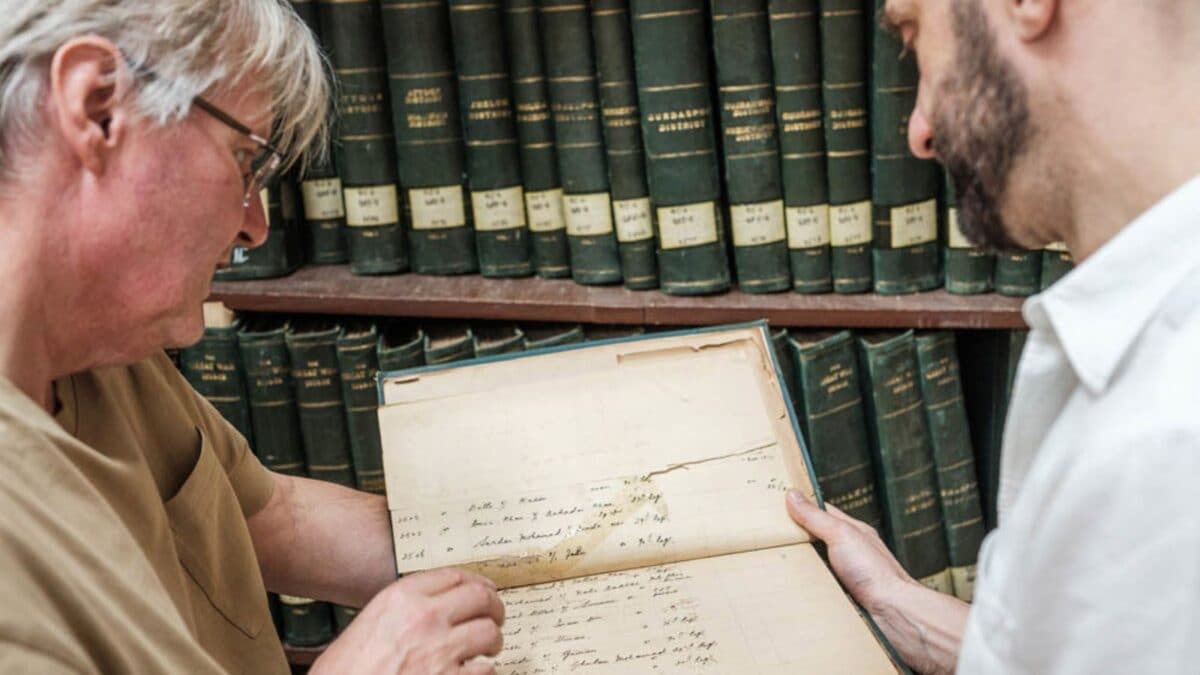
The breakthrough came after years of painstaking work by volunteers and researchers from the UK Punjab Heritage Association (UKPHA) and the University of Greenwich. (CWGC)
The Commonwealth War Graves Commission (CWGC) has added 9,909 forgotten British Indian Army servicemen — predominantly from the Punjab region — to its official casualty database. This massive update marks the largest single revision of its records since World War Two.
This historic recognition corrects a century-old omission of South Asian colonial soldiers who made the ultimate sacrifice during World War I, BBC reported.
THE DISCOVERY OF THE PUNJAB REGISTERS
The breakthrough came after years of painstaking work by volunteers and researchers from the UK Punjab Heritage Association (UKPHA) and the University of Greenwich.
Researchers uncovered and digitised rare, fragile, handwritten village registers stored at the Lahore Museum in Pakistan.
After WWI, colonial officials compiled records of the 320,000 troops who left undivided Punjab. After the 1947 Partition, these documents were left unread and forgotten in museum basements.
The digitisation process allowed descendants of the soldiers to find long-lost family histories. For instance, a participating PhD researcher unexpectedly discovered the service names of her own great-great-grandfather and his brother, according to the report.
WHY WERE THEY EXCLUDED?
Most of the 9,909 newly recognised men did not die directly on the front lines. Instead, they succumbed to severe combat injuries, illnesses, or pandemic influenza while away from the battlefield or back home on leave.
Under rigid British Indian Government rulings at the time, these individuals were denied official “war grave” status. The CWGC has now officially overturned that century-old policy, according to BBC and other reports.
DEMOGRAPHICS AND GLOBAL CONTEXT
The newly honoured soldiers represent the diverse religious and cultural landscape of undivided Punjab:
- Roughly 40% of the recognised casualties were Muslim, 25% were Sikh, and 25% were Hindu.
- Undivided Punjab was the primary recruitment hub for the British Indian Army, sending over 300,000 men to combat zones in France, Gallipoli, East Africa, Mesopotamia, and Egypt.
The CWGC stated that this update is part of a deliberate, ongoing effort to dismantle Euro-centric historical narratives of WWI and accurately reflect the global reality of the conflict.
OFFICIAL SPEAK
Claire Horton CBE, Director General of the CWGC, said: “Over a century after the end of the First World War, our mission endures, ensuring all those who died in the service of the Commonwealth receive the commemoration they deserve. The Punjab Registers project is a landmark moment in that mission. The recovery of every one of these 9,909 names helps restore missing chapters in family and world histories. It stands as a constant, timeless reminder that commemoration is not only about the past – it is about personal identity, family legacy and recognising the human cost of war. CWGC remains committed to meaningful physical commemoration and to working with governments and nations to seek their views on a memorial to honour these individual soldiers with the dignity and respect they so rightly deserve.”
Amandeep Madra, British historian, author and chair of the UK Punjab Heritage Association, dedicated to preserving Sikh and Punjabi heritage, said: “Britain and Punjab share a long history, notably during the two world wars, and for over a hundred years, part of it was missing. These men were never commemorated – not because they didn’t serve, but because a decision made a century ago excluded their sacrifice from the record. Putting that right means giving families around the world their history back, and properly and equally commemorating the men who died.”
FAMILY SPEAK
Dr Inder Singh Palahey, a dentist in Leicester (UK), spent years searching for information about his great-grandfather, Kesar Singh, who he knew had gone to war and never returned. He told CWGC, “From just hearsay to now discovering the facts about my great-grandfather’s ultimate military sacrifice, in particular the regiment he served in, has been incredibly poignant. Upon his death, he left a widow and two young children in poverty. So, the fact that he will now be remembered in perpetuity within global history ensures the whole family sacrifice is recognised: which simply means everything to us.”
Manjinder Nagra, the first Sikh to represent England in Rugby, found out her maternal great-grandfather, Jagat Singh, had not been properly commemorated. She told CWGC, “When I attended the annual Chattri Memorial Service in Brighton, held in honour of the soldiers from Undivided India who gave their lives during the First World War, I never expected to receive such momentous news. Learning from the UK Punjab Heritage Association that my maternal great-grandfather will now be officially recognised on the CWGC casualty database was incredibly moving and overwhelming. To know that his service and sacrifice are finally being properly acknowledged means so much to our family over 100 years on. In the present difficult times, this recognition feels especially significant. After all these years, he is finally being given the honour, dignity and remembrance he always deserved.”
About the Author

At the news desk for 20 years, the story of her life has revolved around finding pun, facts while reporting, on radio, heading a daily newspaper desk, teaching mass media students to now editing speci…Read More
Read More