- April 14, 2026
IMF lifts India FY27 growth forecast to 6.5 amid West Asia risks
Last Updated:
The IMF raised India’s FY27 growth forecast to 6.5% but flagged risks from West Asia tensions, warning of pressure on global growth and inflation.




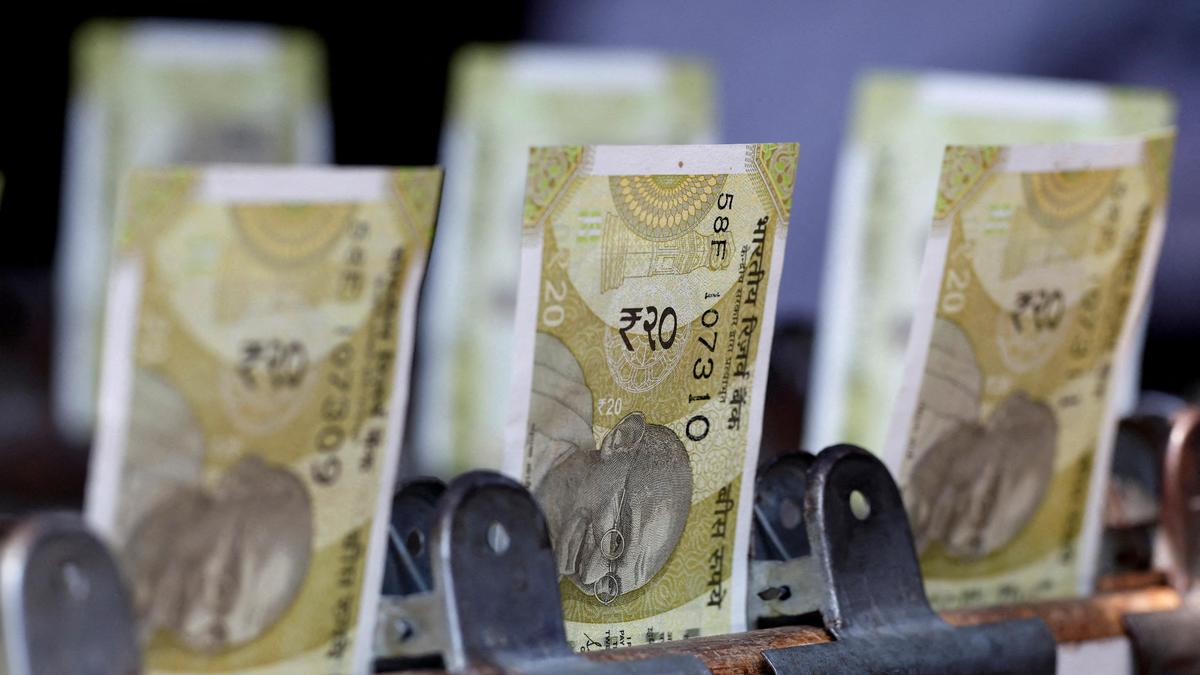
India’s growth outlook improves marginally, but the IMF cautions that West Asia tensions could weigh on global momentum and drive up inflation. (IMAGE: PTI)
The International Monetary Fund (IMF) on Tuesday raised India’s FY27 GDP growth forecast to 6.5%, a 0.1 percentage point increase from its January projection, while warning that escalating tensions in West Asia following US-Israeli strikes on Iran and Tehran’s retaliation could weigh on global growth and push inflation higher in the near term.
The IMF, however, cut its global growth forecast to 3.1% for 2026 from 3.3% projected in January. The revised estimate points to a slowdown from 3.4% growth expected in 2025.
In its latest outlook, the IMF said India’s growth remains supported by strong domestic momentum. “In India, growth for 2025 is revised upward to 7.6%, reflecting better-than-expected performance in the second and third quarters and sustained momentum in the fourth quarter,” it said.
For FY26, growth has been revised up to 6.5%, aided by the carryover of strong 2025 performance and a reduction in additional US tariffs on Indian goods from 50% to 10%, which offsets the adverse impact of the West Asia conflict. Growth is expected to remain steady at 6.5% in FY27. The IMF also pointed to broader trade developments, including agreements involving the European Union and MERCOSUR, which could lower trade costs and support global activity.
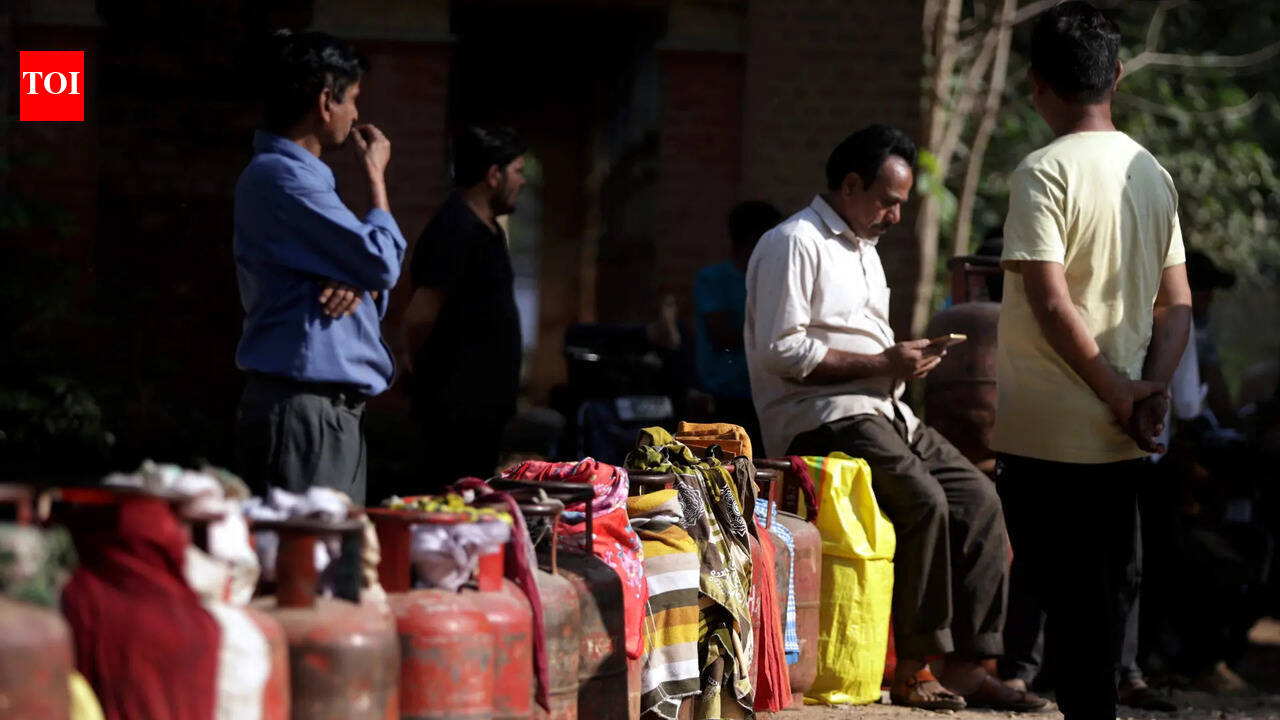
The IMF said the ongoing conflict has already disrupted energy markets. US and Israeli strikes on Iran, along with Tehran’s move to restrict traffic through the Strait of Hormuz and retaliatory attacks on regional energy infrastructure, have pushed oil and gas prices higher globally.
As a result, the fund raised its global inflation projection, with headline inflation expected to rise from 4.1% in 2025 to 4.4% in 2026, before easing to 3.7% in 2027. It had earlier projected inflation at 3.8% for this year.
In India, inflation is expected to return to near-target levels after a decline driven by lower food prices in 2025. The report also noted that inflation in China is likely to pick up from low levels.
“Global inflation is projected to pause its decline, with headline inflation increasing from 4.1% in 2025 to 4.4% in 2026 before falling back to 3.7% in 2027,” the IMF said, adding that inflation in India is expected to stabilise near target.
The IMF noted that the global economy had shown resilience despite US President Donald Trump’s protectionist trade policies, which imposed higher tariffs on imports. The impact was less severe than initially feared, partly because tariff rates were lower than earlier announced.
A surge in investment in artificial intelligence and data infrastructure, along with gains in productivity, had also supported global growth.
However, IMF chief economist Pierre-Olivier Gourinchas said the war in West Asia has disrupted that momentum. “War in the Middle East has halted this momentum,” he wrote in a blog post accompanying the World Economic Outlook.
The IMF’s baseline forecast assumes the conflict remains short-lived, with energy prices rising by a moderate 19% this year. However, in a more severe scenario where energy shocks persist and central banks are forced to tighten policy, global growth could fall to 2% in 2026 and 2027.
“Despite the recent news of a temporary ceasefire, some damage is already done, and downside risks remain elevated,” Gourinchas added.
April 14, 2026, 18:59 IST
Read More