- October 16, 2026
Parag Buch Talks About His Book “From Operator to Steward”
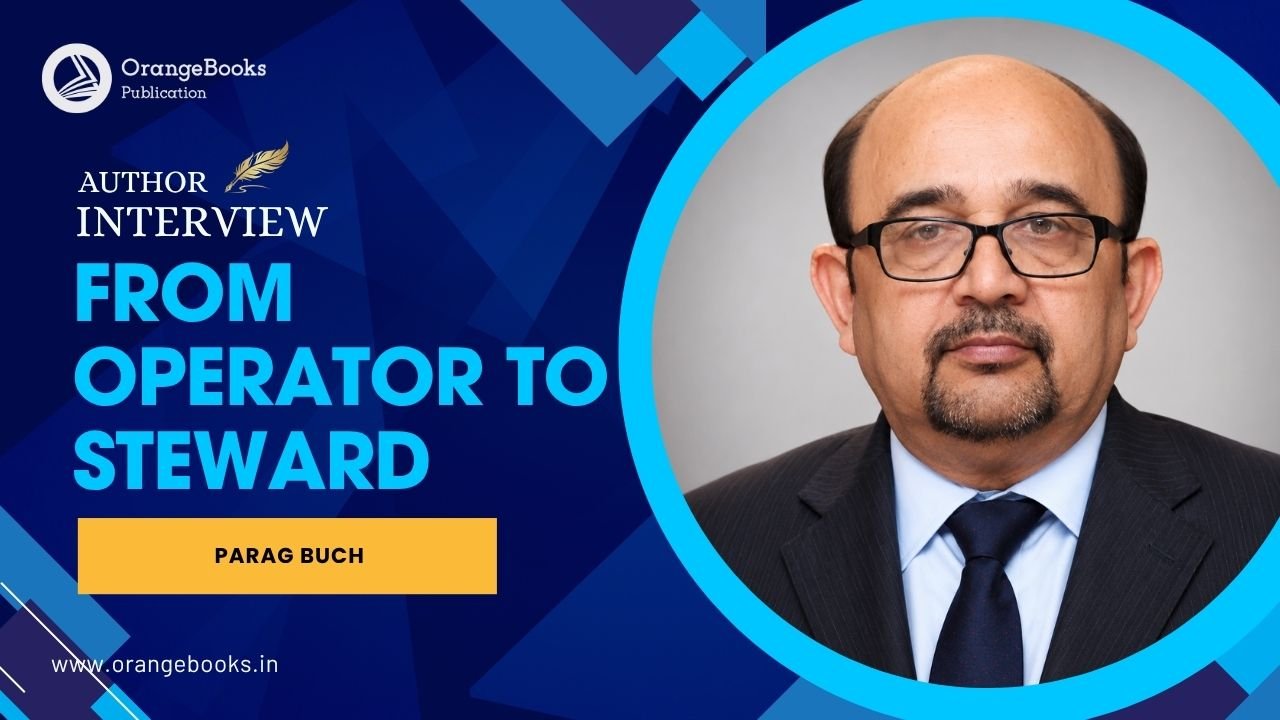
About the Author:
Parag Buch is a banking professional, governance advocate and lifelong learner whose career spans more than four decades of service in one of India’s largest financial institutions. Throughout his professional journey, he has held leadership responsibilities across learning and development, digital and transaction banking, human resource transformation and institutional capability building. A significant part of his career was dedicated to developing people and strengthening institutions. As Director of the State Bank Institute of Learning and Development (SBILD) and later as Assistant General Manager (Learning and Development), he led initiatives that supported leadership development, professional certification and capability building for thousands of banking professionals. These responsibilities included preparing future leaders, strengthening organisational capability
and fostering a culture of continuous learning.
Exclusive interview with the author
Q: What Inspired You To Write This Book?
A: After more than four decades in banking and institutional leadership, I began reflecting on what really makes leadership meaningful. Early in a career, success is often measured by performance, targets and personal achievement. But as responsibility grows, the questions begin to change. We start asking whether we have developed people, strengthened systems, protected institutional values and left the organisation stronger than we found it. From Operator to Steward emerged from this reflection. I wanted to share these lessons with professionals who are moving from individual achievement towards broader institutional responsibility.
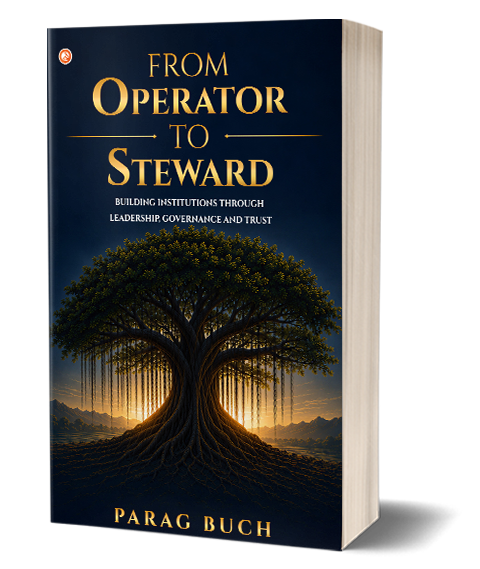
Q: Can You Tell Us About The Book?
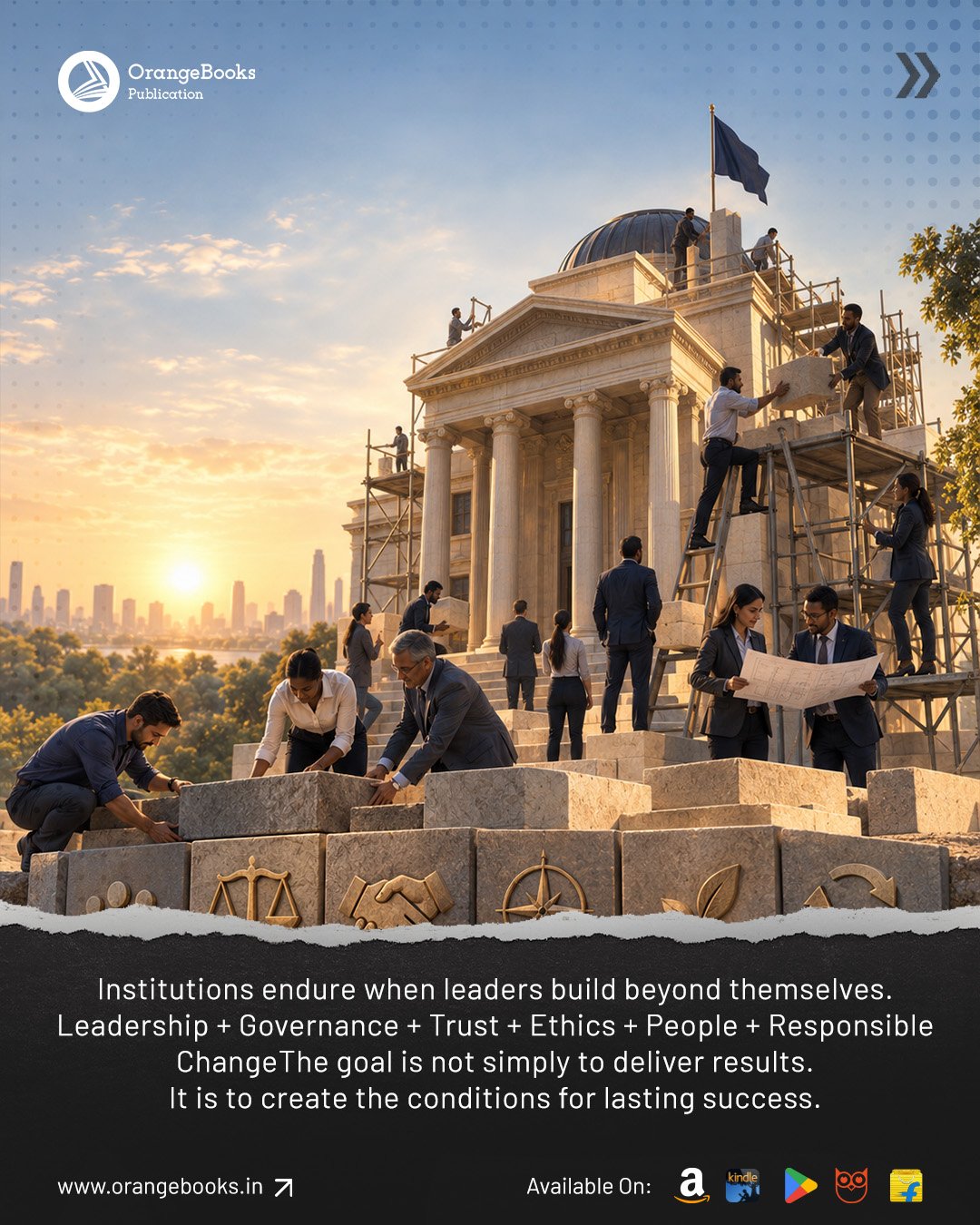
A: From Operator to Steward is about the evolution of leadership. The book explores the journey from being an operator who focuses on execution and results, to becoming a leader who develops people and capability, and ultimately a steward who takes responsibility for institutional trust, sustainability and long-term value. It is not a conventional management book offering formulas. It is an invitation to reflect on a deeper question: “What became stronger because I was responsible for it?” The central message is simple: leadership is not ultimately about becoming indispensable. It is about building people, systems and institutions that remain strong beyond our individual tenure.
Q: What Does The Title Mean?
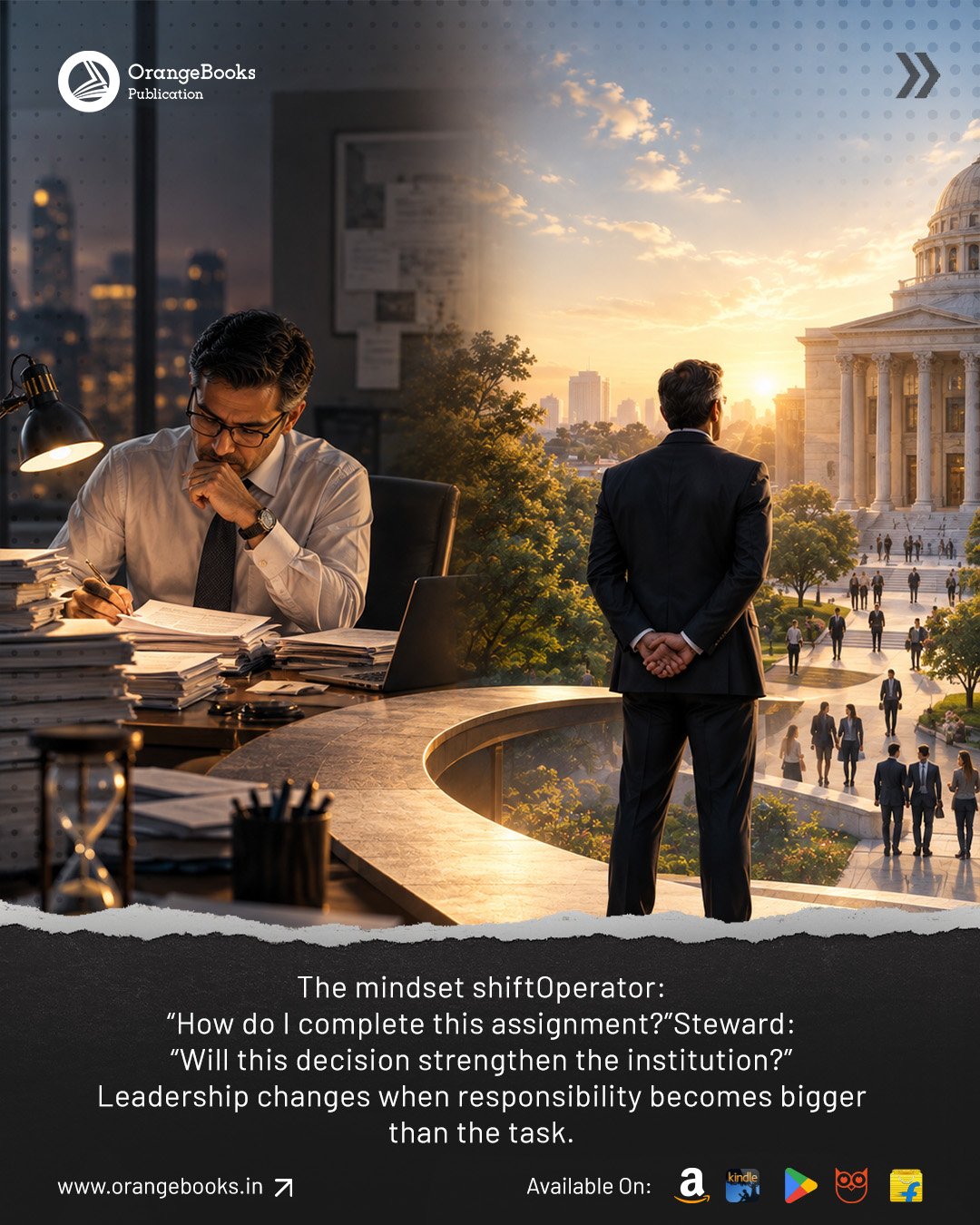
A: The title represents a transition that many professionals eventually experience. An operator asks, “How do I deliver the result?” A leader begins asking, “How do I enable others?” A steward asks, “How do I protect and strengthen what is larger than myself?” The journey from operator to steward is therefore not a change in designation. It is a change in perspective and responsibility. For me, the ultimate measure of leadership is not only what I achieved, but what became stronger because I served.
Q: What Did You Learn When Writing The Book?
A: Writing the book made me realise that many leadership lessons become clearer only when we pause and reflect on them. I also realised that leadership is not a destination associated with a particular designation. It is a continuous evolution: from achievement to contribution, from control to capability, from authority to responsibility, and from individual success to institutional trust. Most importantly, I was reminded that stewardship is not something reserved for CEOs or board members. It begins with everyday decisions, integrity, developing others and taking responsibility for something larger than oneself.
Q: What Does Success Mean To You? What Is The Definition Of Success?
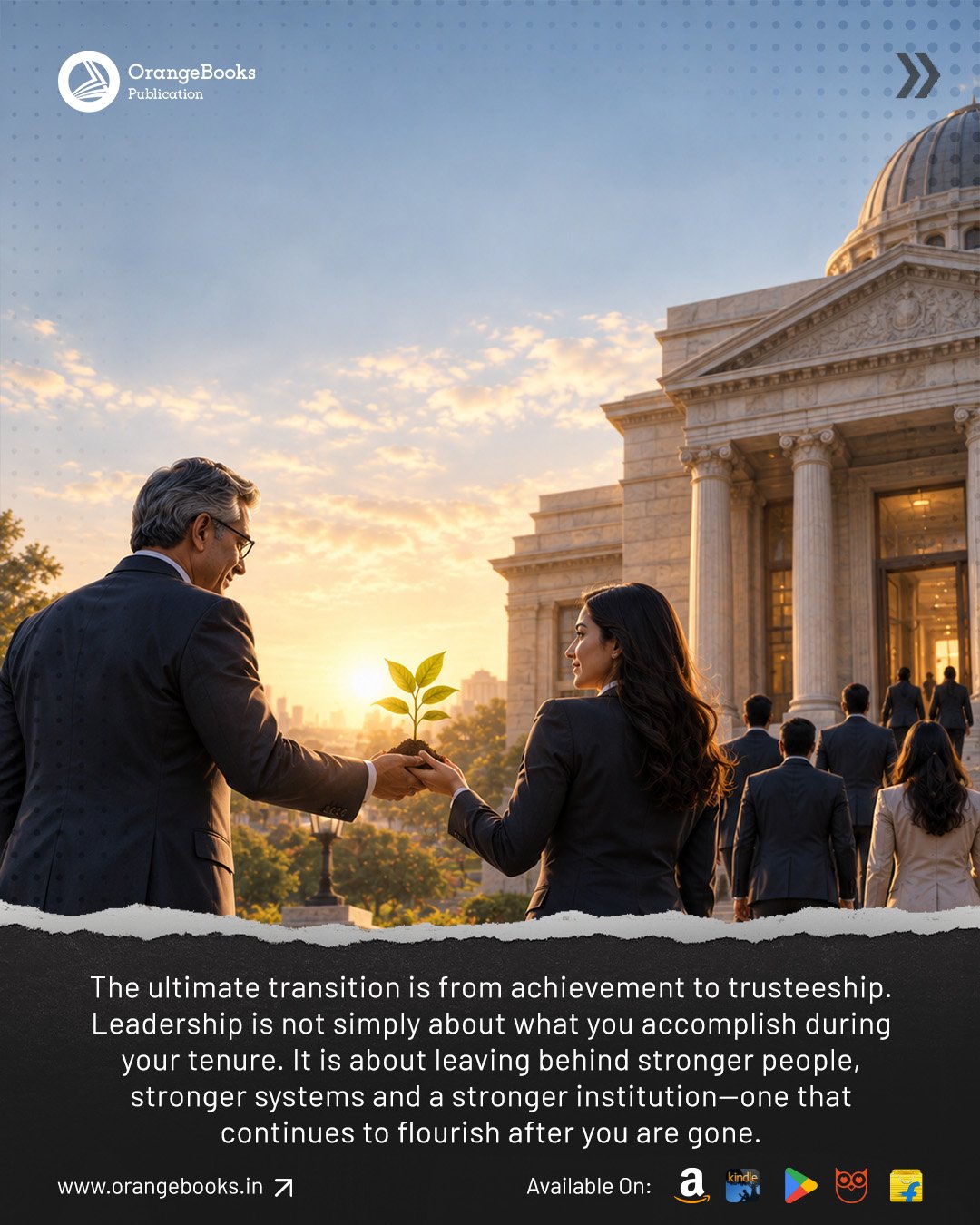
A: Earlier in my career, I would have defined success largely through achievement, responsibility and results. Those remain important because institutions need people who can deliver. With experience, however, my definition of success has expanded. Today, I see success as the ability to create lasting value beyond one’s own role. It means developing capable people, strengthening systems, protecting institutional trust and creating an environment where others can succeed. Ultimately, I believe success should be measured not only by what we accomplish during our tenure, but by what remains stronger after we leave.


Q: What Advice Would You Give To Aspiring Authors?
A: My advice would be to write from experience, observation and conviction, rather than writing simply because you want to become an author. Take time to identify the lessons that have genuinely shaped you. Be willing to reflect deeply, organise your thoughts and write with clarity. Good writing does not necessarily require complicated language. It requires something meaningful to say and the discipline to say it honestly.
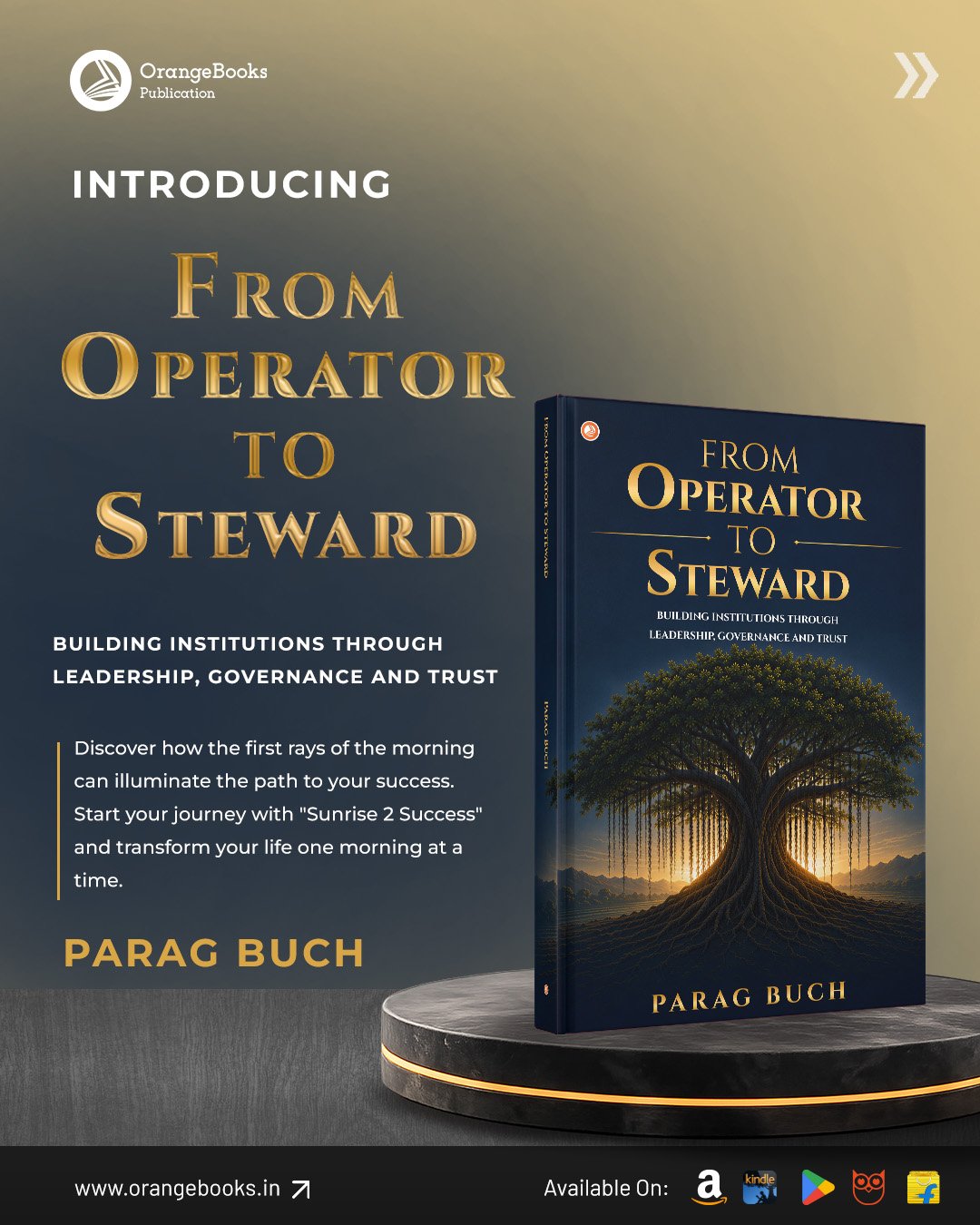
This book is published by OrangeBooks Publication. All rights are reserved with the author & the publisher.