- October 15, 2026
Atul Kumar Singh ‘AKS’ Talks About His Book “An Unsung Primate”
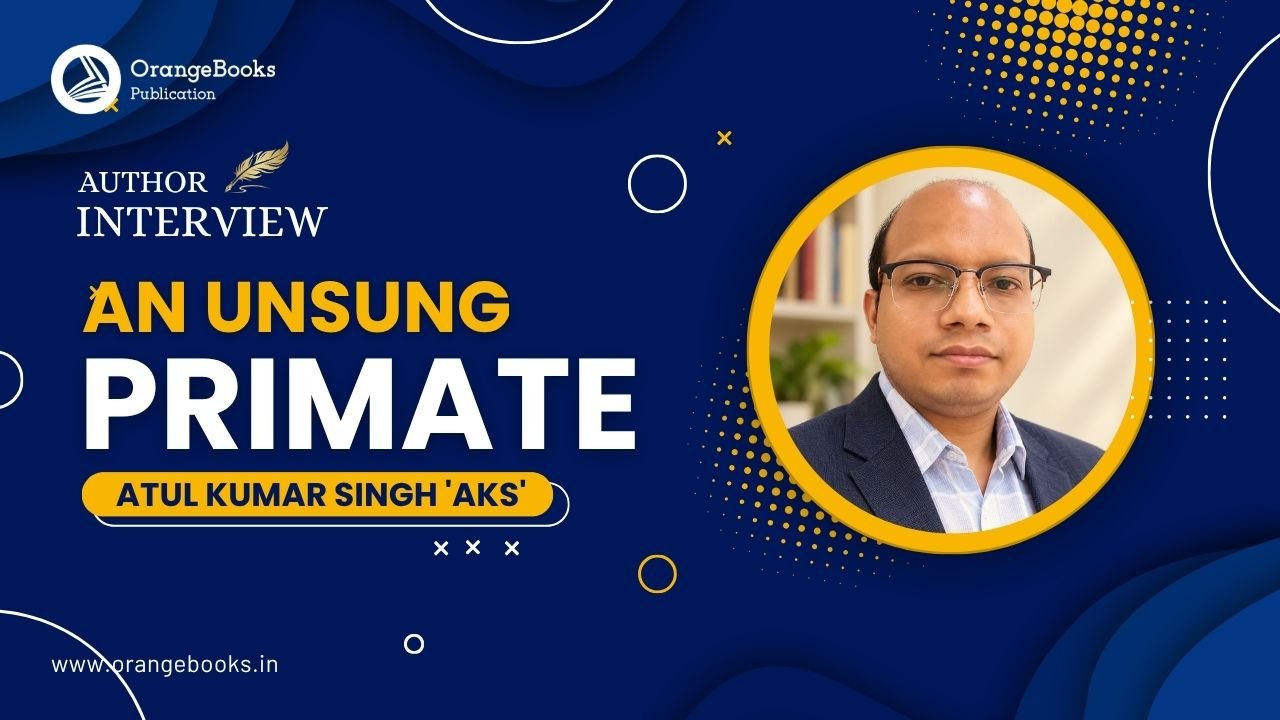
About the Author:
Atul Kumar Singh working as Joint Director (IT) with the National Informatics Centre (NIC), Government of India, serving in the NIC Unit of the Ministry of Rural Development.
With a professional career in government information technology and e-Governance, I have been associated with the development, implementation and management of technology-driven systems supporting public administration and rural development.
Beyond my professional responsibilities, I have a deep interest in writing, storytelling in Hindi as well as English. My four books of poems and stories in Hindi have been published already.
Exclusive interview with the author
Q: What Inspired You To Write This Book?
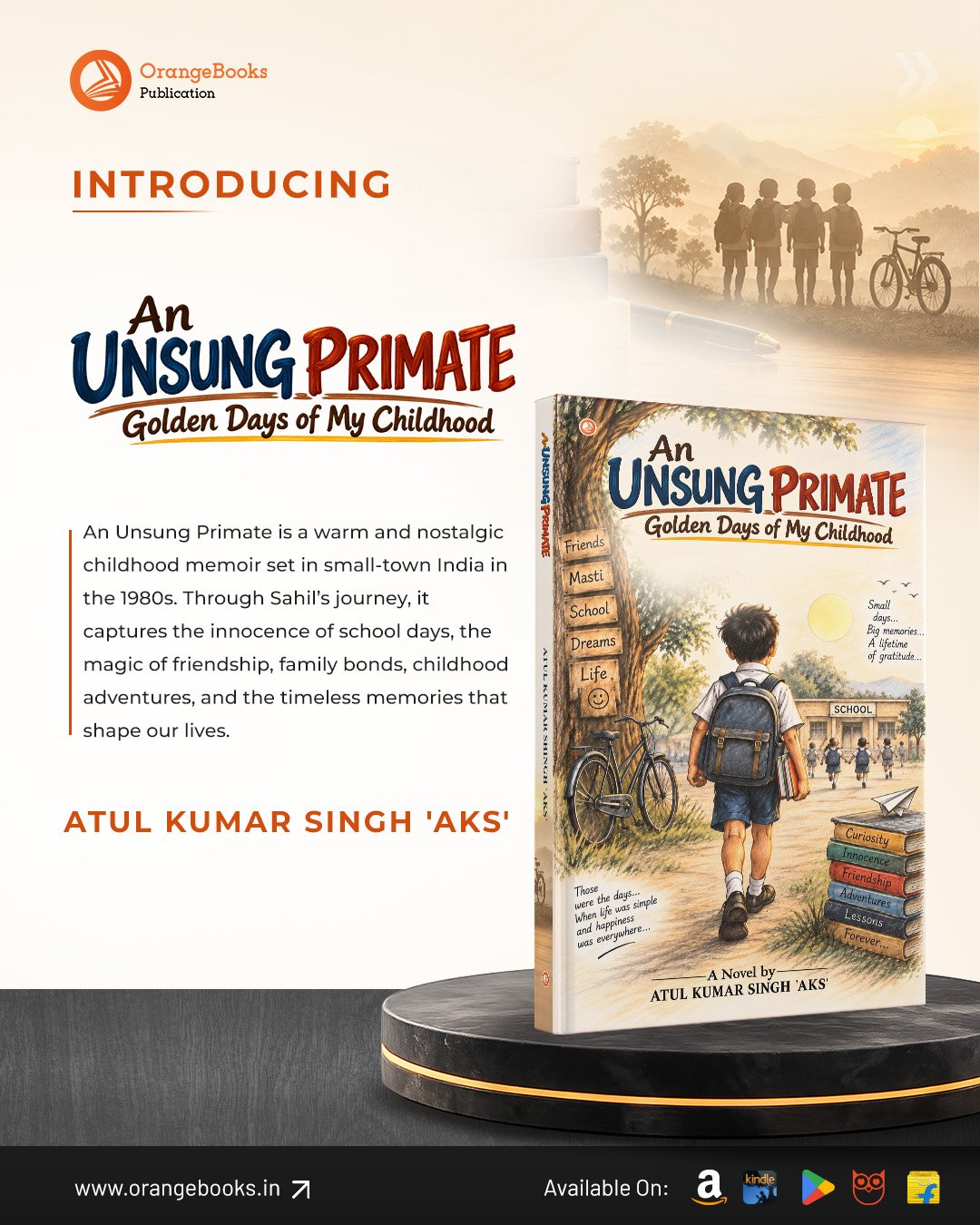
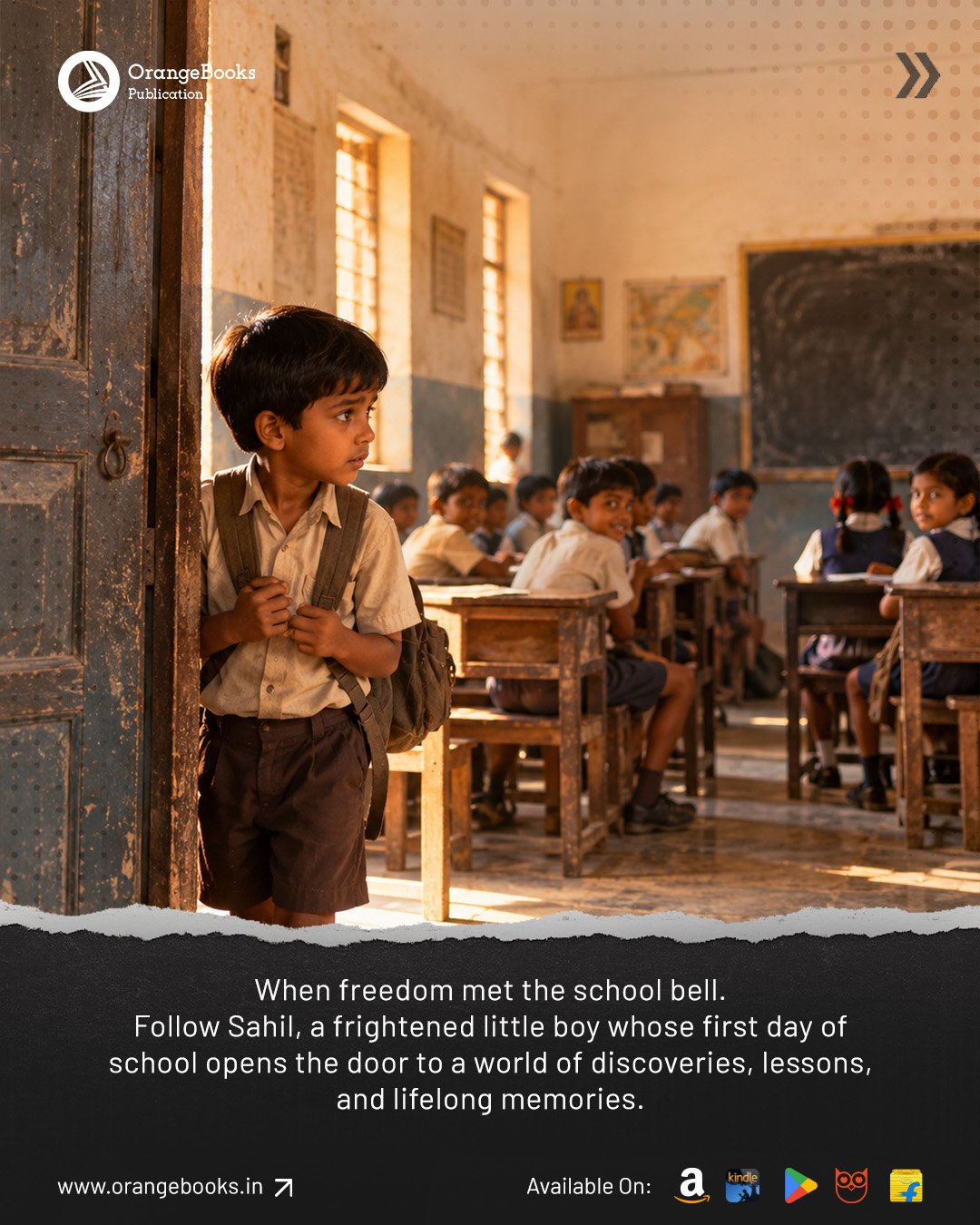
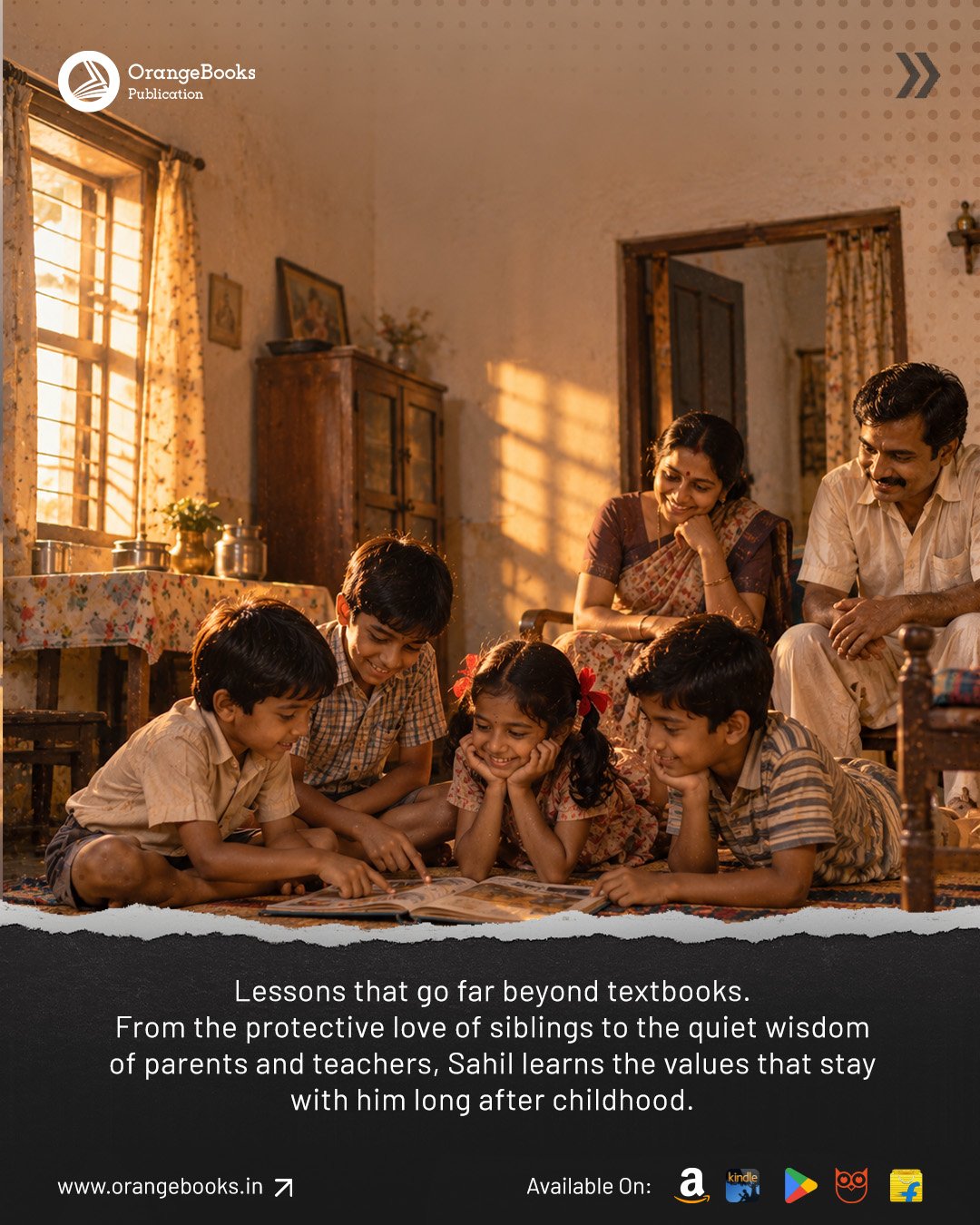
A: I was inspired to write An Unsung Primate by the beautiful memories of my childhood—school days, innocent friendships, playful mischief, and the life lessons hidden in ordinary moments. The book’s central message is that our childhood experiences, struggles, and mistakes shape the people we become, and no ordinary life is ever without extraordinary meaning. Through this book, I hope to preserve the golden days of growing up and reconnect readers with the child within.
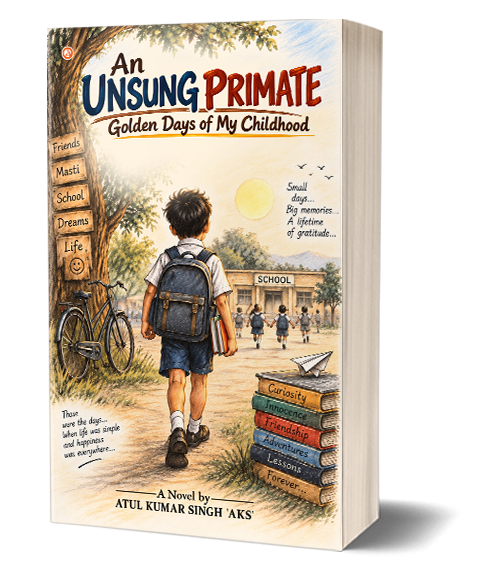
Q: Can You Tell Us About The Book?
A: An Unsung Primate is a nostalgic journey into the world of childhood, filled with school memories, innocent friendships, playful mischief, youthful dreams, and valuable life lessons. Through these experiences, the book explores how ordinary moments and childhood struggles shape our character and influence the person we become. Its central message is that every childhood has a unique story, and even the most ordinary life holds extraordinary meaning.
Q: What Does The Title Mean?
A: An Unsung Primate celebrates the curious, mischievous child within us all. “Unsung” represents untold childhood stories, while “Primate” symbolises our instinctive, playful nature. The title reminds us that every ordinary childhood holds an extraordinary story.
Q: What did you learn while writing the book?
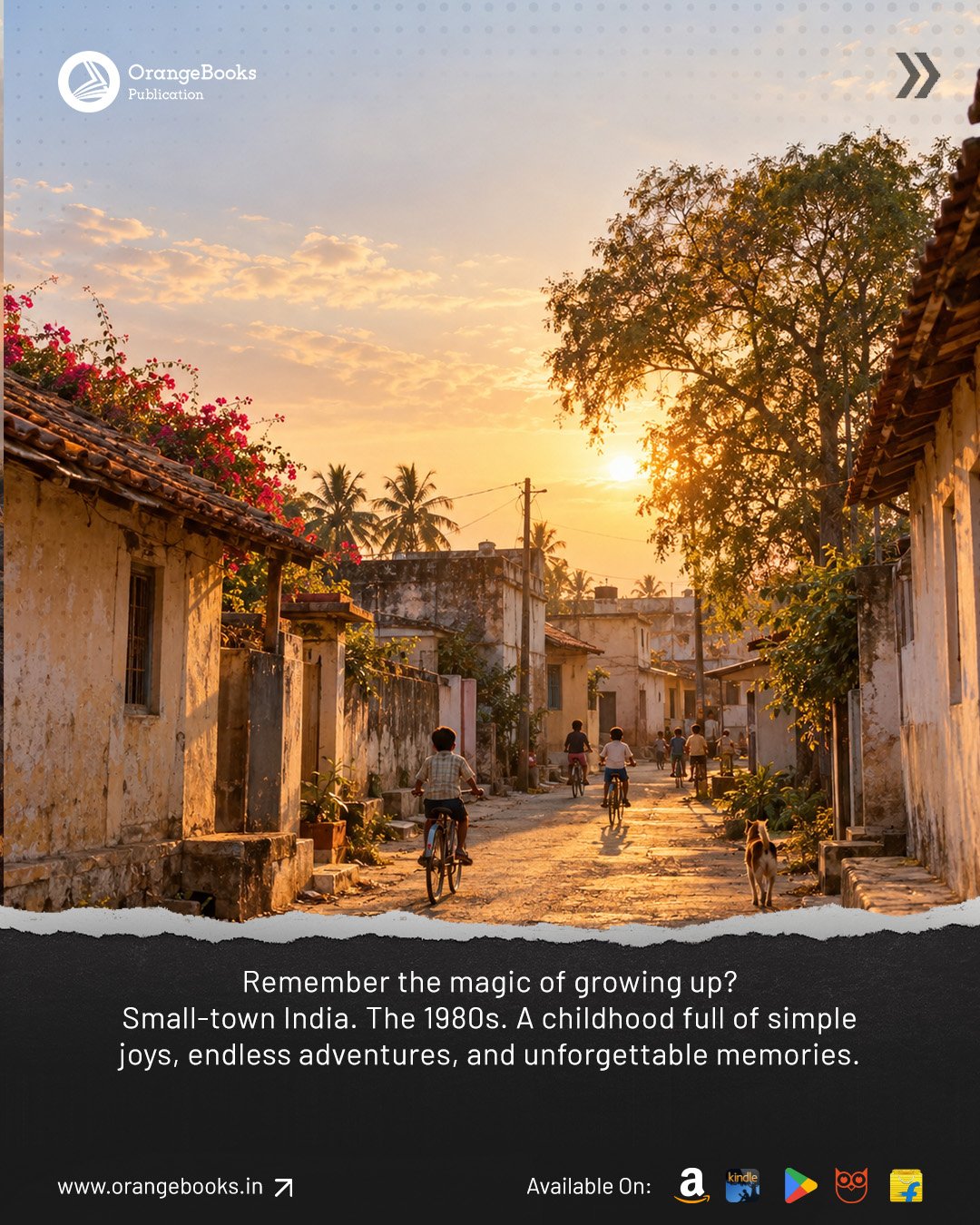
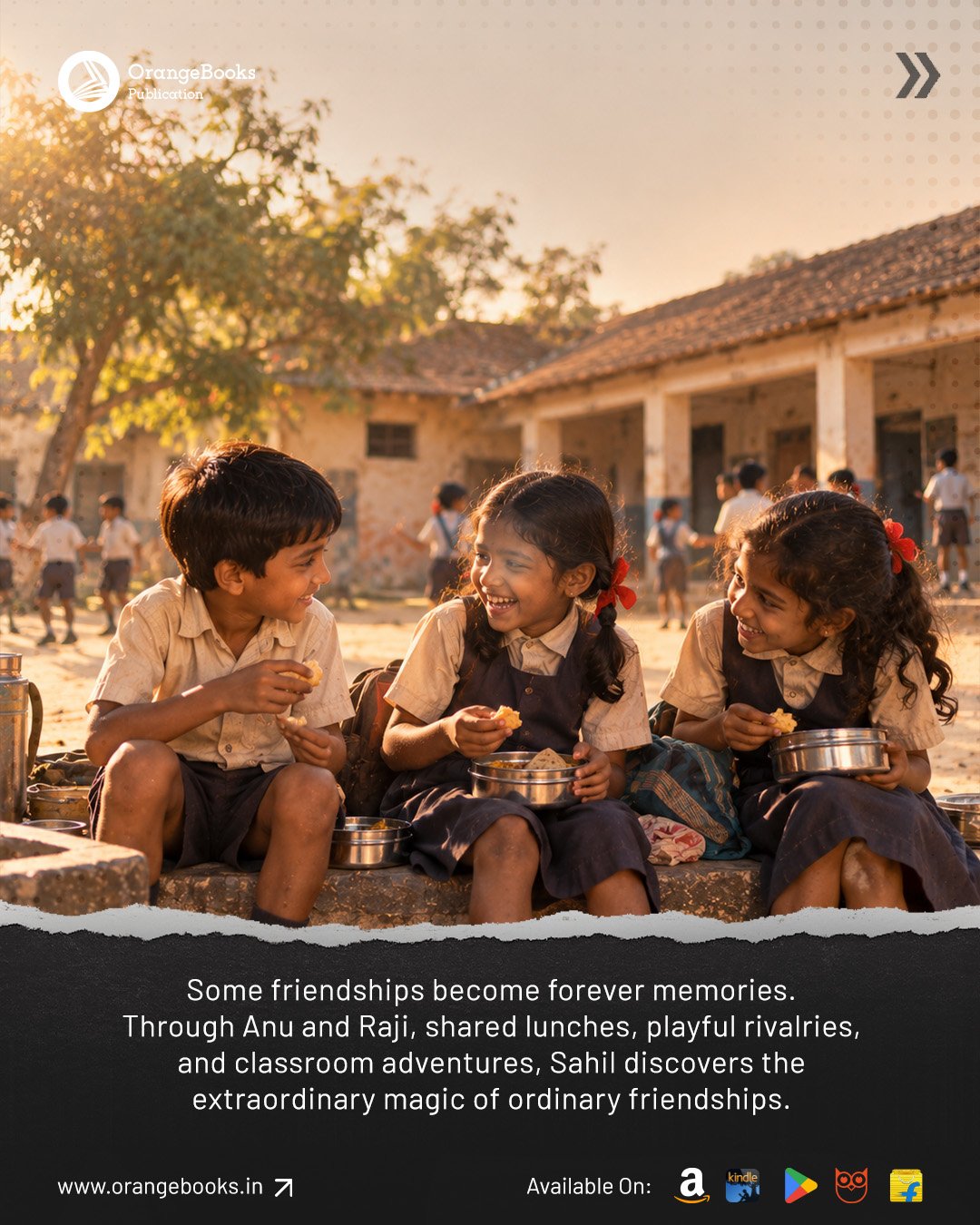
A: While writing An Unsung Primate, I often found myself reliving my childhood—the laughter with friends, sharing lunches at school, playing cricket in vacant plots, and buying little toffees with five-paisa coins. These simple moments brought back a warmth that time can never erase. I learned that childhood is not merely a phase of life but the foundation of who we become. We may grow older with time, but the child within us never truly grows up.
Q: Do You Try More To Be Original Or To Deliver To Readers What They Want?
A: I write not to follow trends, but to preserve truths that time might otherwise erase. In An Unsung Primate, I have tried to capture childhood as I remember and feel it—with all its mischief, innocence, struggles, and small joys. For me, originality lies in honesty. If my memories awaken a reader’s own forgotten moments, then my story has found its true purpose. I may be telling my story, but I hope readers discover a little of themselves in it.
Q: In your opinion, what are the most important elements of good writing?
A: For me, good writing begins with the courage to be honest and the patience to notice what others might overlook. I believe stories live in small things—a childhood memory, a forgotten conversation, a moment of failure, or a smile that stays with us for years. Beautiful language can attract readers, but genuine emotions make them stay. My philosophy is simple: don’t just write what happened; write what it meant to you. When a writer opens a window to their own heart, readers often discover reflections of their own lives.
Q: What is the most difficult part about writing for you?
A: The most difficult part of writing for me is translating memories and emotions into words without losing their original warmth. For me, the hardest part is not finding the words, but finding the words that do justice to what the heart remembers.

Q: What Does Success Mean To You?
A: Success, to me, is not about standing ahead of everyone, but about standing firmly behind my family and well-wishers, giving them the strength and confidence to face life. And the greatest reward is when, in my own difficult moments, they stand beside me and say, “Don’t worry, main hoon na.”
Q: How important is research to you when writing a book?
A: Research is important to me, but for the kind of books I write, personal memories, observation, and emotional honesty are equally valuable. While writing *An Unsung Primate*, I drew largely from my childhood recollections and the experiences that shaped me. For me, research provides authenticity, but lived experiences give a story its soul. Facts may help a book speak to the mind, but memories and emotions make it speak to the heart.
Q: What advice would you give to aspiring authors?
A: My advice to aspiring authors is to write from the heart, draw inspiration from everyday life, and never be afraid to share their own stories. Don’t wait for perfect words or extraordinary experiences; sometimes, the simplest memories carry the deepest meaning. Read, write, revise, and remain patient with yourself. Above all, don’t write merely to become an author; write because you have a story that deserves to be told.
This book is published by OrangeBooks Publication. All rights are reserved with the author & the publisher.