• November 19, 2026

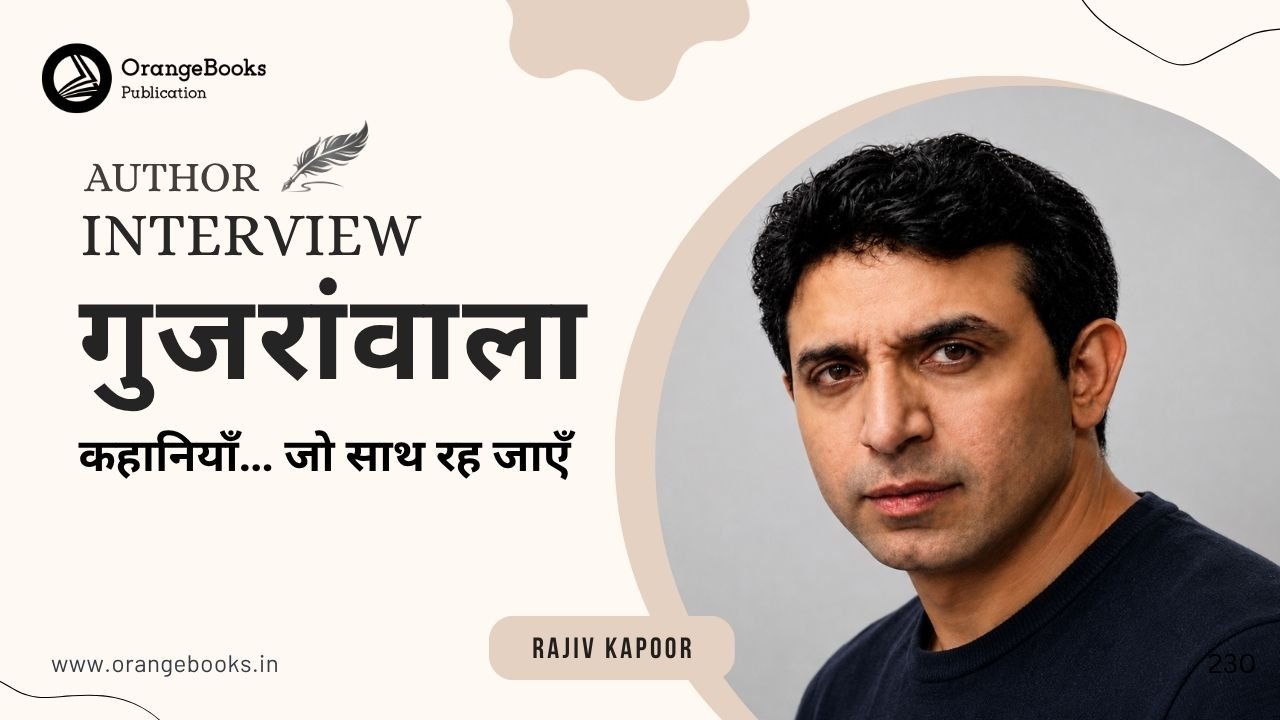
Rajiv Kapoor Talks About His Book “गुजरांवाला”
Rajiv Kapoor Talks About His Book “गुजरांवाला”
Share

About the Author:

Rajiv Kapoor is a theatre practitioner, writer, and award-winning filmmaker. His creative journey began in theatre nearly two decades ago and gradually expanded into writing and filmmaking. In Mumbai, he has worked with several acclaimed filmmakers and, as an independent filmmaker, has received recognition at numerous international film festivals. His writing draws from the life around us—the ordinary lives we witness and inhabit every day, yet often fail to truly notice or feel. His stories delve into the warmth of relationships, the complexities of human nature, and the emotions that linger beneath the surface.

Exclusive interview with the author

Q: What Inspired You To Write This Book?

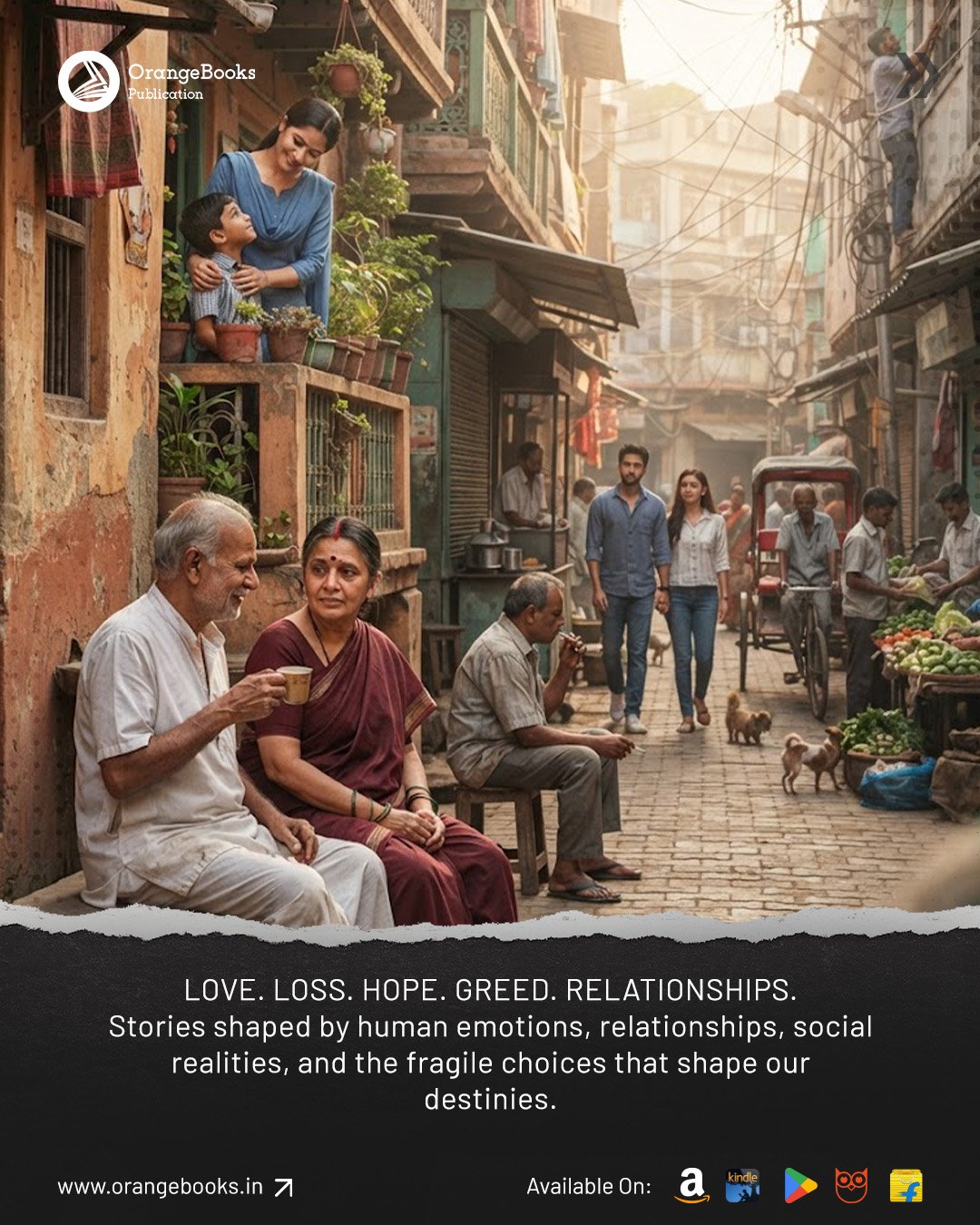
A: The inspiration behind ‘गुजरांवाला’ came from my curiosity about human lives, relationships, and the experiences that often remain unspoken. I have always been drawn to the stories hidden in ordinary lives—their silences, contradictions, desires, and the choices that shape their destinies.

Q: Can You Tell Us About The Book?

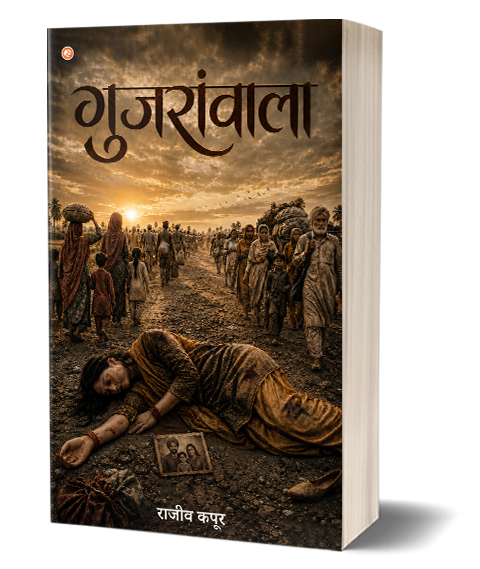
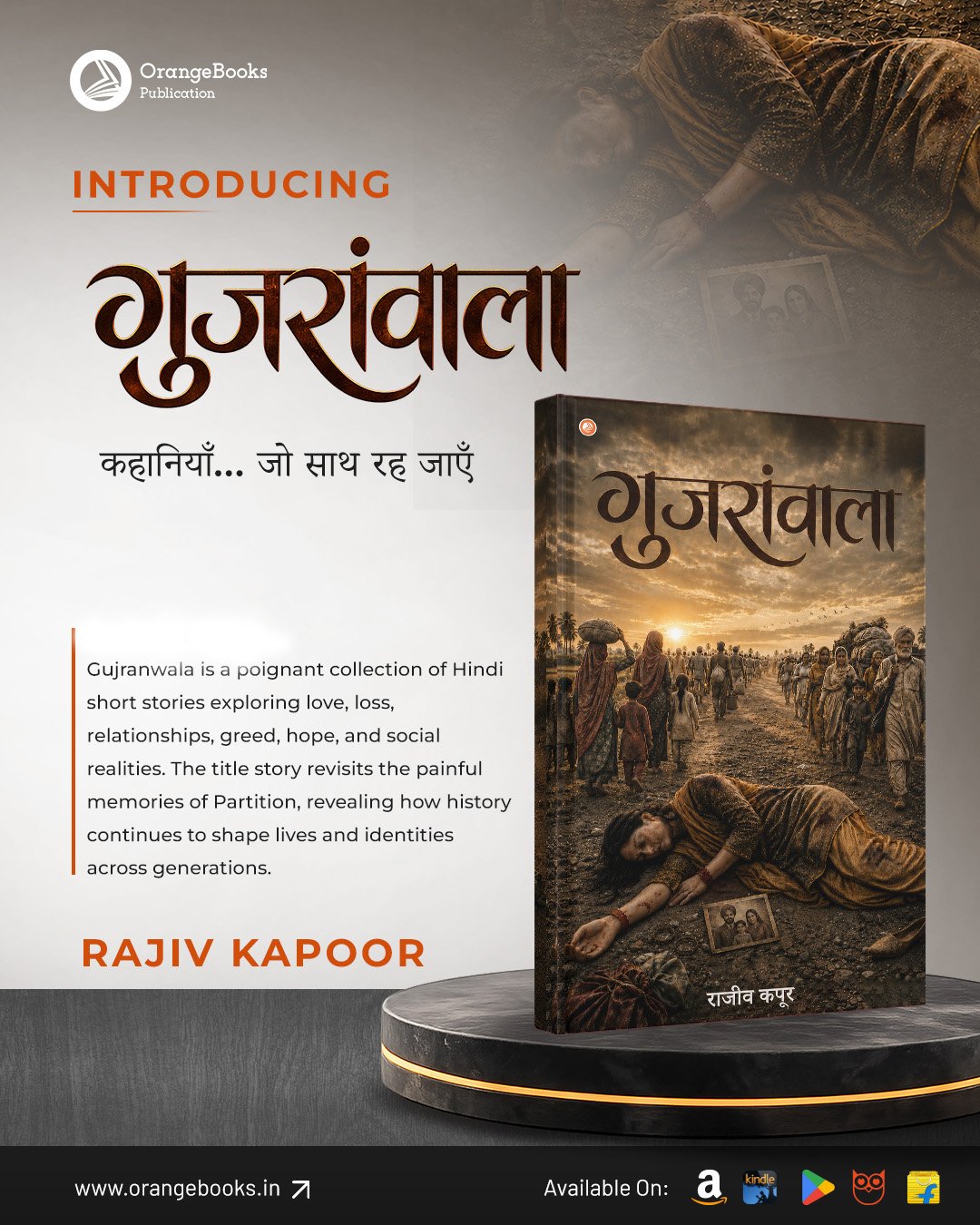
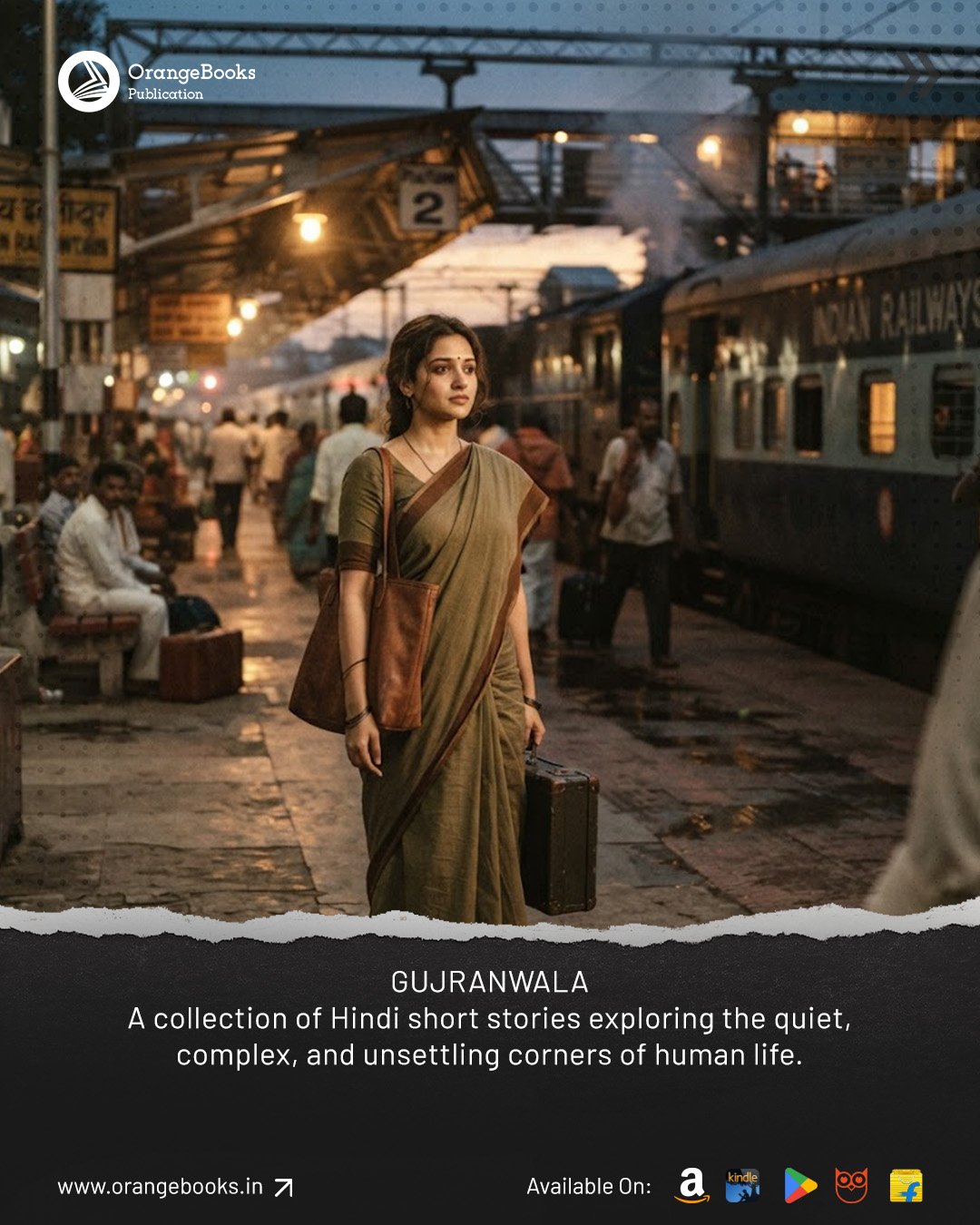
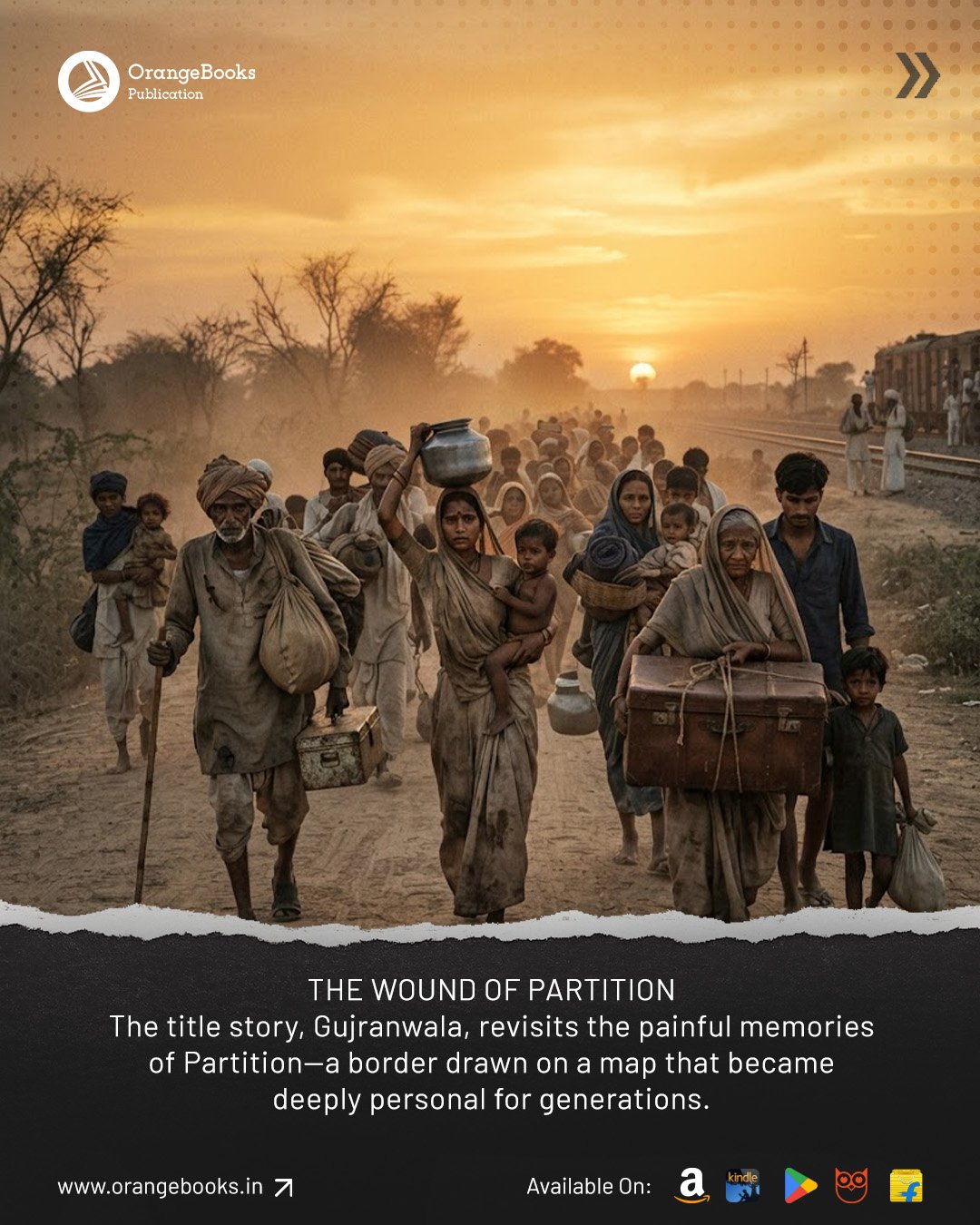
A: ‘गुजरांवाला’ is a collection of nine Hindi short stories that explore the many shades of human life, relationships, and society. Each story inhabits a different world, with its own characters, conflicts, and emotional landscape. The title story, ‘गुजरांवाला’, takes us back to the tragedy of the Partition of India, exploring the loss of home, the rupture of relationships, and the memories and identities that people carry across generations.

Q: What Does The Title Mean?

A: The title refers to the city of Gujranwala, which became part of Pakistan after the Partition of India in 1947. For millions of people, Partition was not merely the division of a country; it meant the sudden separation from their homes, their roots, and the lives they had known.

Q: What Did You Learn When Writing The Book?

A: Writing ‘गुजरांवाला’ taught me that understanding human beings is far more complex than judging their actions. Every person has a story, and behind every decision lies a combination of circumstances, desires, fears, and experiences that we may never fully know.

Q: Where Do You Get Your Information Or Ideas For Your Books?

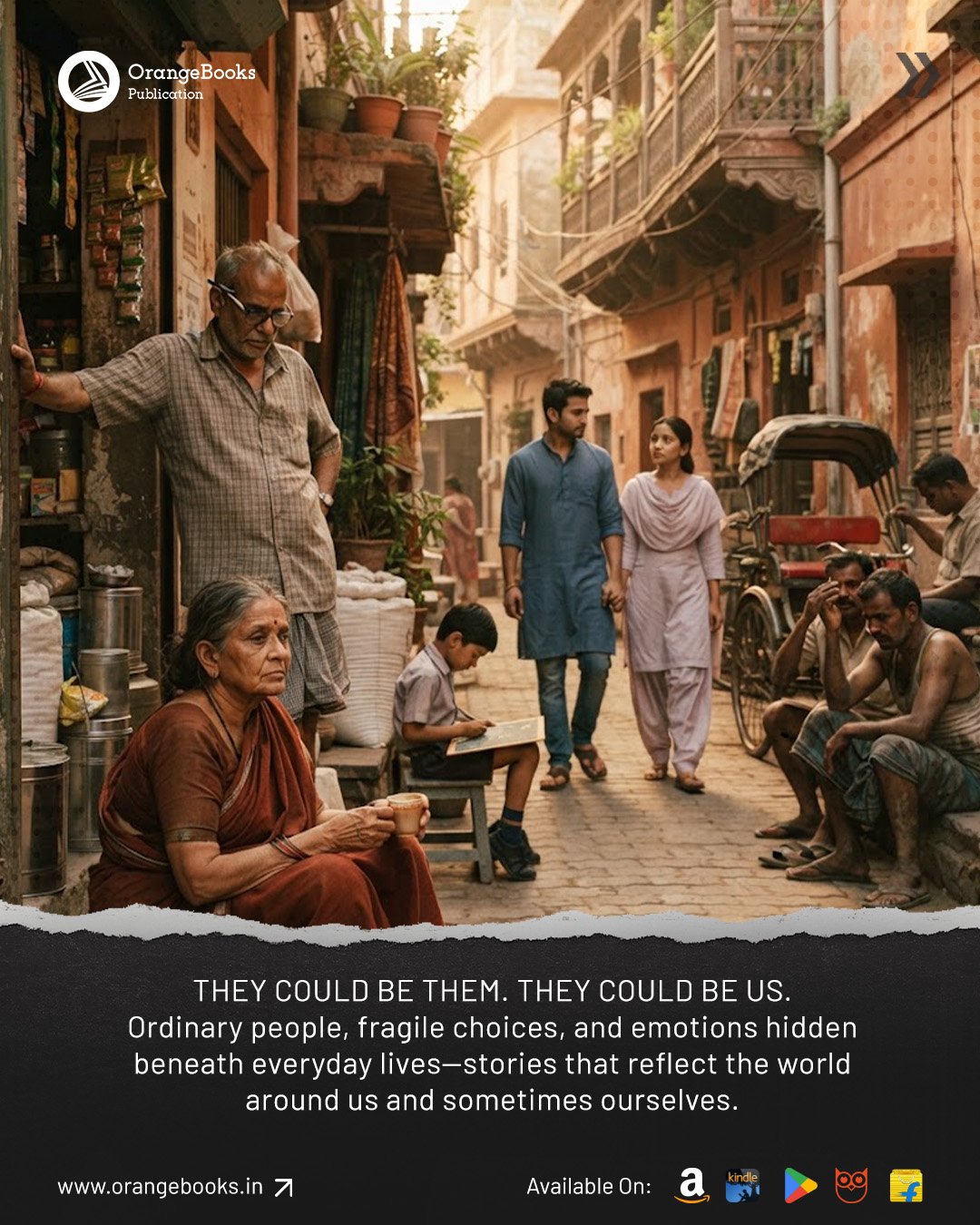
A: My ideas usually come from observing life and the people around me. I find stories in ordinary situations, human behaviour, conversations, relationships, and the contradictions that are often hidden beneath the surface. Sometimes, a small incident or a passing thought can become the starting point of an entire story.

Q: Do You Have Any Suggestions To Help Others To Become A Better Writer? If So, What Are They?

A: I believe the first step towards becoming a better writer is to become a better observer of life. Read widely, listen carefully, and try to understand people beyond what they reveal on the surface. Human beings are complex, and that complexity is often where the most compelling stories begin.

Q: What, In Your Opinion, Are The Most Important Elements Of Good Writing?

A: In my opinion, good writing begins with honesty. A story must have something genuine at its heart, whether it explores human relationships, social realities, personal conflicts, or the contradictions of human nature.

Q: What Is The Most Difficult Part About Writing For You?

A: For me, the most difficult part of writing is finding the right way to tell a story. An idea may seem compelling in my mind, but translating it into a narrative that feels natural, convincing, and meaningful is an entirely different challenge.

Q: What Does Success Mean To You? What Is The Definition Of Success?

A: For me, success is not defined solely by the number of books sold, the recognition a writer receives, or the accolades they collect. Those things are certainly encouraging, but I believe the deeper measure of success lies in the impact one’s work has on others.

Q: What Advice Would You Give To Aspiring Authors?

A: My advice to aspiring authors would be to read extensively, observe life closely, and write with honesty. Reading introduces you to different styles and perspectives, while observing people and their experiences helps you discover stories that feel authentic and relatable.

This book is published by OrangeBooks Publication.  All rights are reserved with the author & the publisher.


Share

Related post

'What's just happened': Mahli Beardman does what McGrath, Starc and Cummins couldn't; Aussie pacer unleashes pace storm on debut against England to make history

'What's just happened': Mahli Beardman does what McGrath,…

Share Mahli Beardman celebrates after taking the wicket of England’s Harry Brook during the first one-day international cricket…
Complete data could've raised average Diwali pollution level in Delhi by 49%

Complete data could've raised average Diwali pollution level…

Share Complete data could’ve raised avg Diwali pollution level 49% NEW DELHI: Missing PM2.5 data from monitoring stations…
Tenant did not comply with 2005 Supreme Court eviction order and his son sold part of landlord’s property using parents’ settlement deed; buyer files suit against landlord but Madras HC strikes it off

Tenant did not comply with 2005 Supreme Court…

Share One of the buyers alleged that the landlord’s family was interfering with her claimed peaceful possession of…