- June 18, 2026
SUMAN SARAN SINHA Talks About His Book “PHILOSOPHY OF YOGA – BHAKTI, JNANA AND KARMA IN THE MODERN WORLD ”
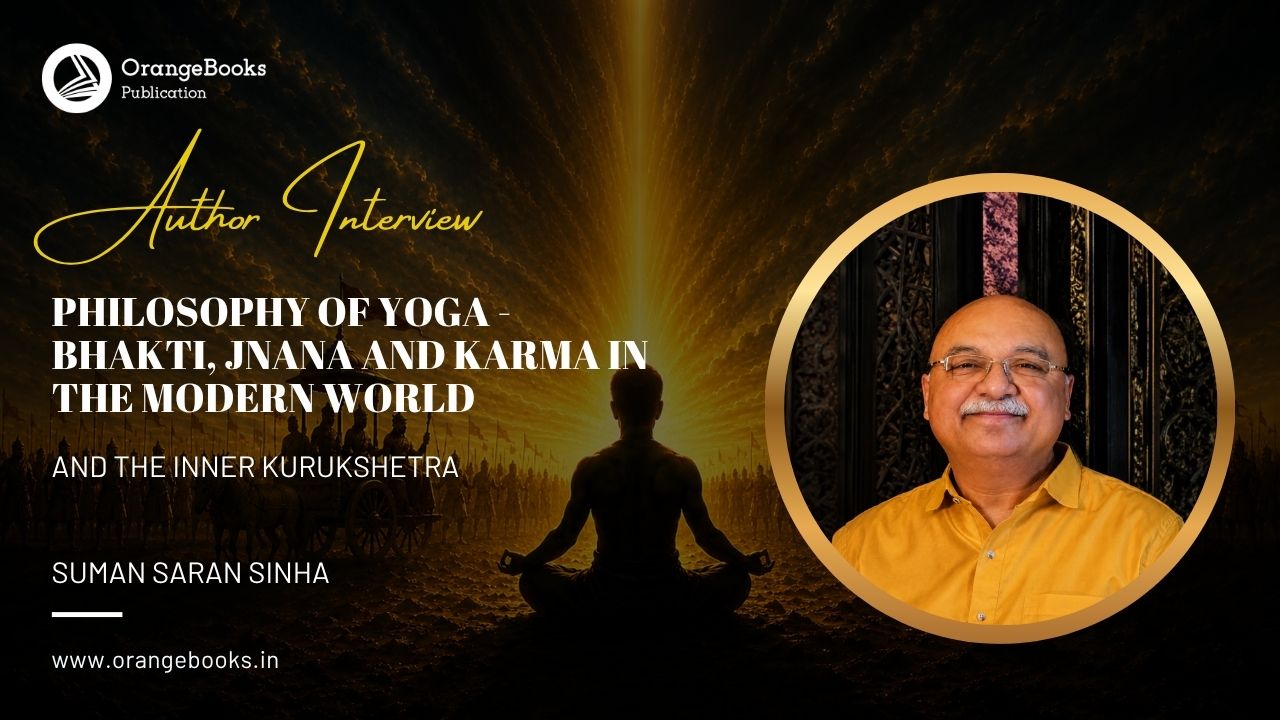
About the Author:
Suman Saran Sinha is a writer engaged in the exploration of Indian philosophical traditions and their relevance to contemporary life. His work focuses on reinterpreting the classical paths of Bhakti, Jnana, and Karma Yoga as practical frameworks for navigating the psychological and ethical complexities of the modern world. With professional experience across structured, high-responsibility environments, Suman brings a grounded understanding of the tensions between action, decision-making, and inner balance. His writing reflects a sustained engagement with philosophical inquiry, combined with an interest in making these insights accessible without dilution. Philosophy of Yoga – Bhakti, Jnana, Karma in the Modern World and the Inner Kurukshetra is his first major work, offering a contemporary articulation of yoga as an integrated approach to living, rather than a set of isolated practices. He continues to write on applied philosophy, inner development, and the relevance of classical wisdom in modern contexts.
Exclusive interview with the author
Q: What Inspired You To Write This Book?
A: The inspiration came from observing a growing disconnect between material success and inner fulfilment. After decades of professional experience in law, management consulting, leadership, and the study of Yoga and philosophy, I felt the need to explore how the timeless wisdom of Bhakti, Jnana, and Karma Yoga can help individuals navigate the complexities of modern life.
The roots of this book go back more than fifteen years. In 2011, I wrote and published a series of articles on the modern relevance of Bhakti, Jnana, and Karma Yoga through my blog. Those early reflections generated considerable interest and remained with me over the years. This book represents the natural expansion and maturation of those ideas into a more comprehensive philosophical exploration of the Inner Kurukshetra and its relevance to contemporary life.

Q: Can You Tell Us About The Book?
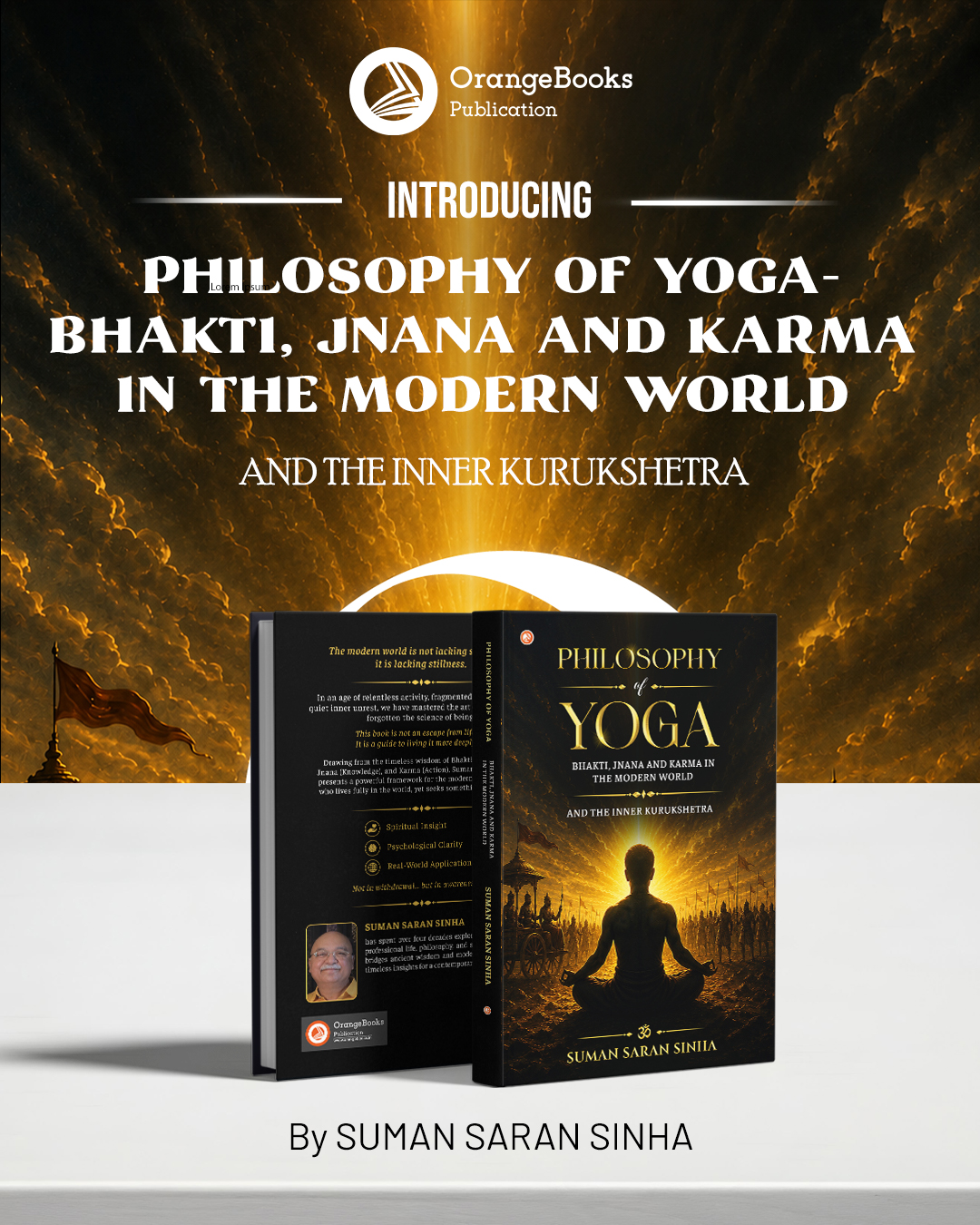
A: “Philosophy of Yoga – Bhakti, Jnana and Karma Yoga in the Modern World and the Inner Kurukshetra” explores Yoga not merely as a physical discipline but as a comprehensive philosophy of living. The book interprets the Kurukshetra of the Bhagavad Gita as the inner battlefield of the human mind, where every individual struggles with fear, desire, duty, confusion, and self-discovery. It seeks to bridge ancient wisdom and contemporary challenges.
Q: What Does The Title Mean?
A: The title reflects two interconnected ideas. First, it examines the three major paths of Yoga—Bhakti (devotion), Jnana (knowledge), and Karma (selfless action)—and their relevance in modern society. Second, it presents the concept of the “Inner Kurukshetra,” the psychological and spiritual battlefield within each person where life’s most important decisions and transformations take place.
Q: Where Do You Get Your Information Or Ideas For Your Books?
A: My ideas emerge from a combination of personal observation, professional experience, philosophical inquiry, and spiritual practice. The foundation of this book can be traced back to a series of articles I wrote in 2011 on the modern relevance of Bhakti, Jnana, and Karma Yoga. Those early reflections remained with me and gradually evolved over the years through further study, contemplation, and life experience.
Having worked in law, management consulting, leadership roles, and social organizations for more than four decades, I have observed the challenges people face in balancing success, purpose, relationships, and inner fulfilment. The book draws upon these observations while also being informed by classical Indian scriptures, Yoga traditions, and the timeless questions of human existence.
Q: Do You Have Any Suggestions To Help Others To Become A Better Writer? If So, What Are They?
A: Read widely, observe deeply, and write honestly. Good writing is not merely about language; it is about clarity of thought. Writers should develop the habit of questioning assumptions, reflecting on their experiences, and revising their work patiently. Authenticity and consistency are often more valuable than trying to impress readers with complexity.


Q: What Does Success Mean To You? What Is The Definition Of Success?
A: For me, success is not measured solely by sales, recognition, or external achievements. True success is creating something meaningful that enriches the lives of others and remains relevant beyond the moment. If a reader finds greater clarity, courage, self-understanding, or inspiration through my work, I consider that a meaningful form of success.
Q: What Advice Would You Give To Aspiring Authors?
A: Writing begins with observation and matures through reflection. Aspiring authors should read widely, think independently, and write consistently. Do not chase trends or popularity. Focus on developing an authentic voice and creating work that remains meaningful long after it is written.
This book is published by OrangeBooks Publication. All rights are reserved with the author & the publisher.