- May 29, 2026
India Could Get Plastic Banknotes As RBI Looks To Cut Currency Costs
Last Updated:
RBI may pilot polymer banknotes to cut rising paper note printing costs and manage soiled currency, after board talks in Patna and Mumbai, per Business Standard




RBI in consideration to introduce plastic bank notes soon
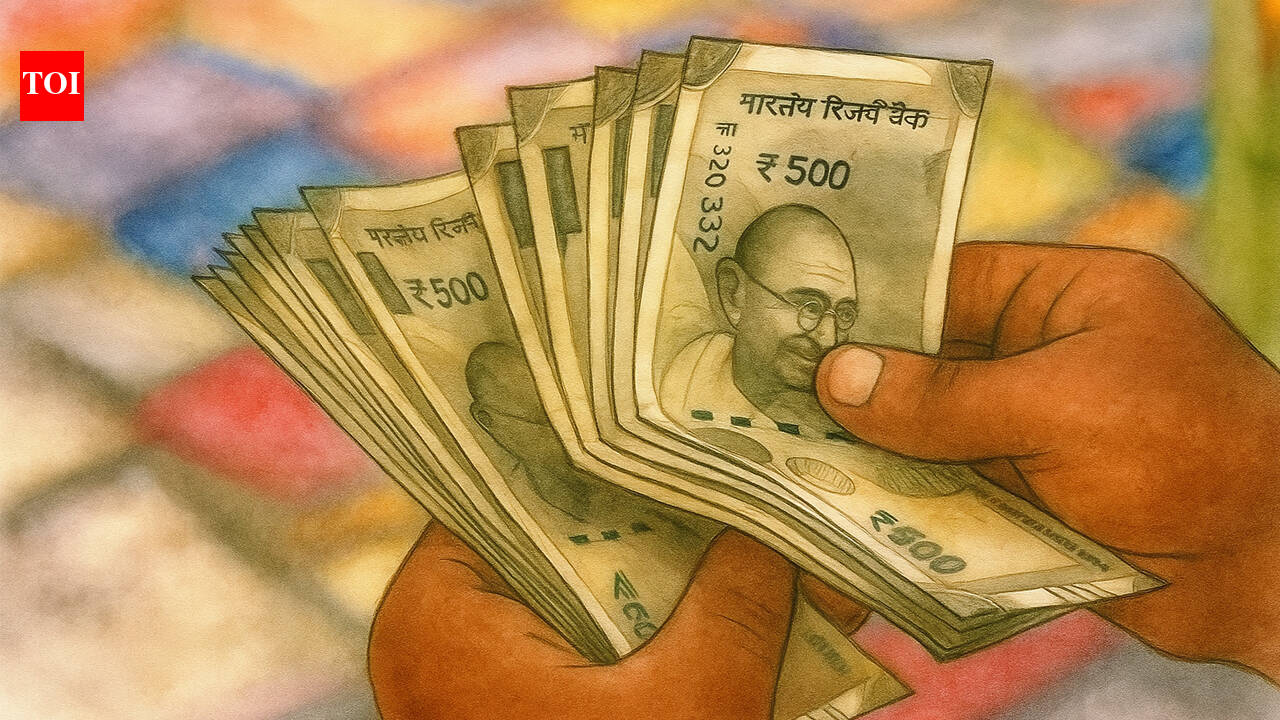
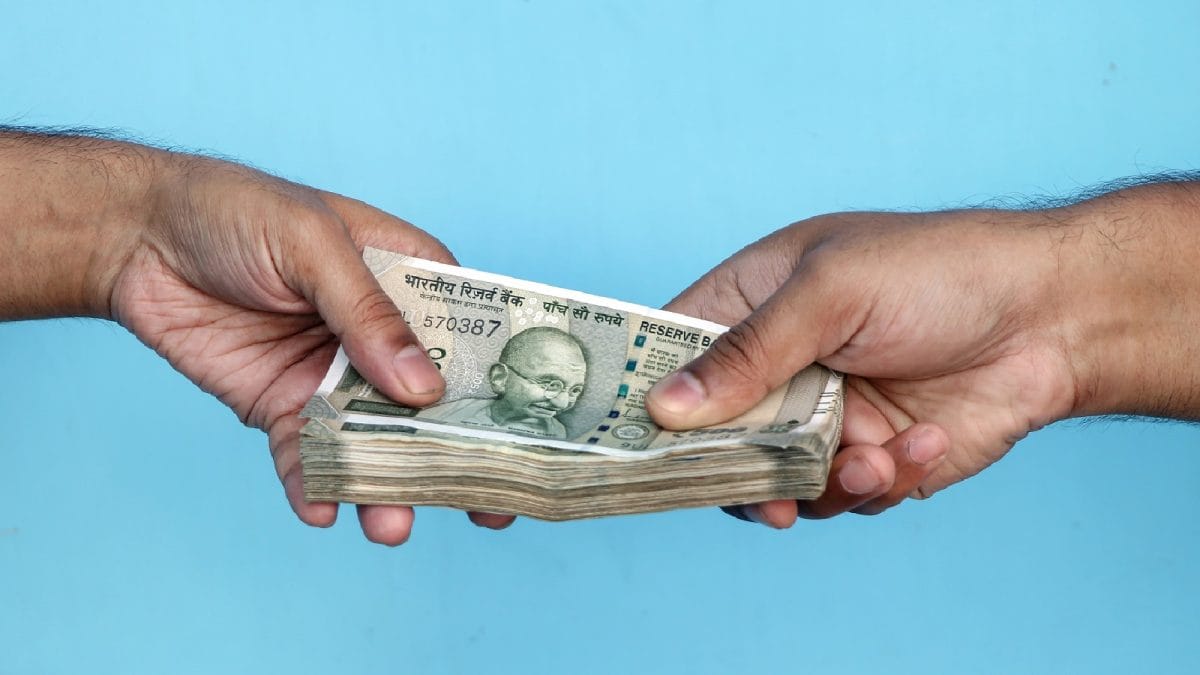
India’s central bank is considering introducing polymer (plastic) banknotes as a measure to cut rising costs on printing paper notes amid the demand surge.
According to a report by Business Standard, RBI has discussed the proposal to introduce polymer or plastic currency notes during the last two board meetings held in Patna and Mumbai.
The BS report added that RBI is planning a pilot project for polymer banknotes, which could be announced in the near future.
What Are Polymer Notes?
Polymer banknotes, which are made from synthetic polymer, provide durability and are resistant to moisture, dirt and tearing.
Polymer banknotes are seen as a way to reduce the rising burden on printing paper banknotes, which are fragile and easily torn apart or shredded.
Polymer notes were first introduced in 1988 by Australia. A total of 20 countries are now using polymer notes, including Canada, Fiji, Australia, Mauritius, New Zealand, Papua New Guinea, Vietnam and Romania.
What separates polymer notes from paper notes is their long shelf life and repurposing in useful ways after being shredded. Paper bills are usually shredded and relegated to a landfill. But polymer notes taken out of circulation are shredded, converted into pellets and used to make everyday plastic items such as lawn furniture.
Why Does It Matter?
The RBI’s annual report for FY25 revealed that expenditure on printing currency notes increased to Rs 6,372.8 crore, compared with Rs 5,101.4 crore in FY24. According to a Business Standard report, the rise was primarily driven by higher demand for banknote printing.
The report also underscored the rising challenge of managing soiled currency notes. During FY25, about 23.8 billion worn-out banknotes were withdrawn from circulation, marking a 12.3% increase from 21.24 billion pieces in FY24. According to Business Standard, Rs 500 notes accounted for the largest share of the discarded currency, followed by Rs 100 notes.
Read More