- May 15, 2026
One Fuel Price Hike Done, More To Come? Why Petrol And Diesel Rates May Rise Further
Last Updated:
Over the past few days, some of the strongest signals yet have emerged that this may not be the last fuel-price revision India sees.




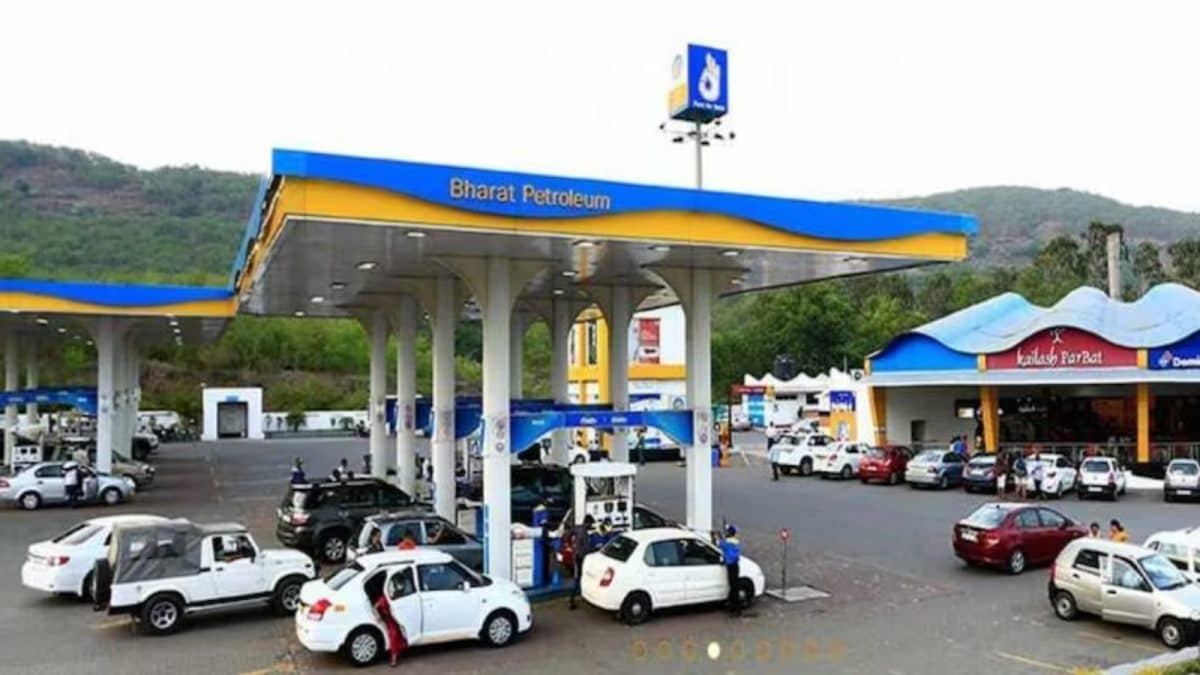
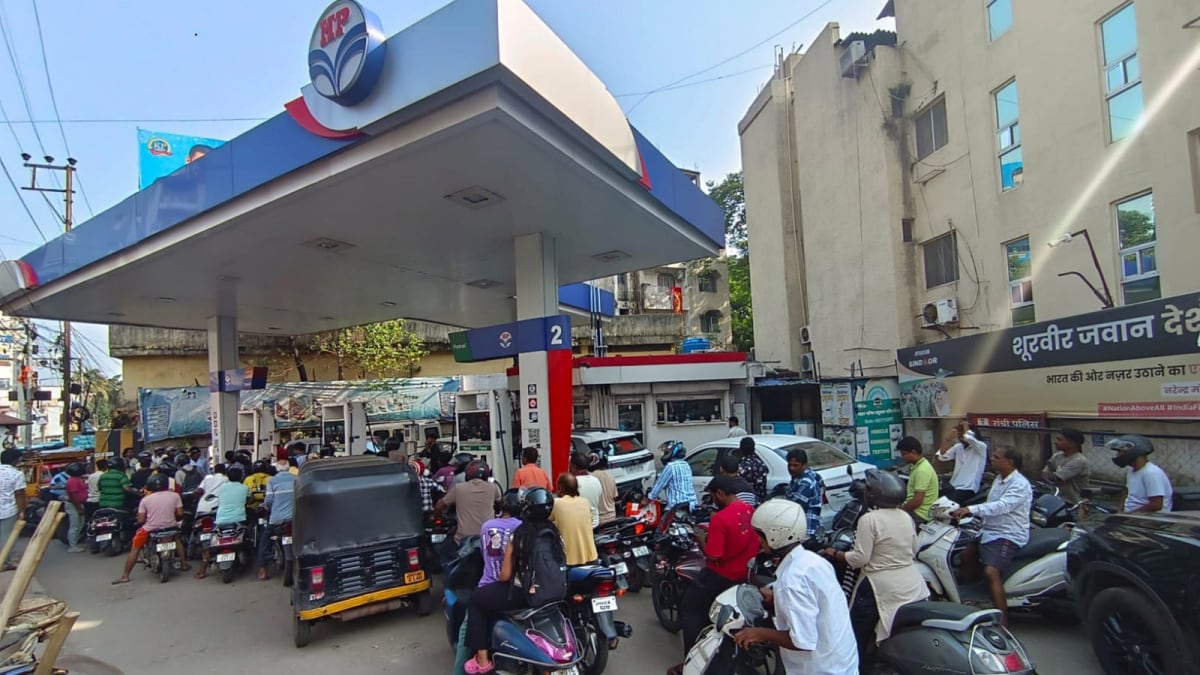
Petrol became costlier by Rs 3.14 per litre, reaching up to Rs 97.77, while diesel has risen by Rs 3.11 per litre to Rs 90.67.
The Rs 3.08-per-litre increase in petrol and diesel prices may have come as a relief to many Indians who were bracing for a much sharper shock. But behind the relatively moderate hike lies a deeper problem that the government and oil companies can no longer easily hide – mounting under-recoveries, soaring global crude prices and growing financial stress on fuel retailers.
Read More: Fuel Prices Hiked: Petrol Rises To Rs 97.77, Diesel To Rs 90.67 Per Litre Amid Iran War
Over the past few days, some of the strongest signals yet have emerged that this may not be the last fuel-price revision India sees if the West Asia crisis continues and crude oil prices remain elevated.
The clearest indication came from Union Petroleum Minister Hardeep Singh Puri himself.
‘Oil Companies Are Losing Rs 1,000 Crore Every Day’
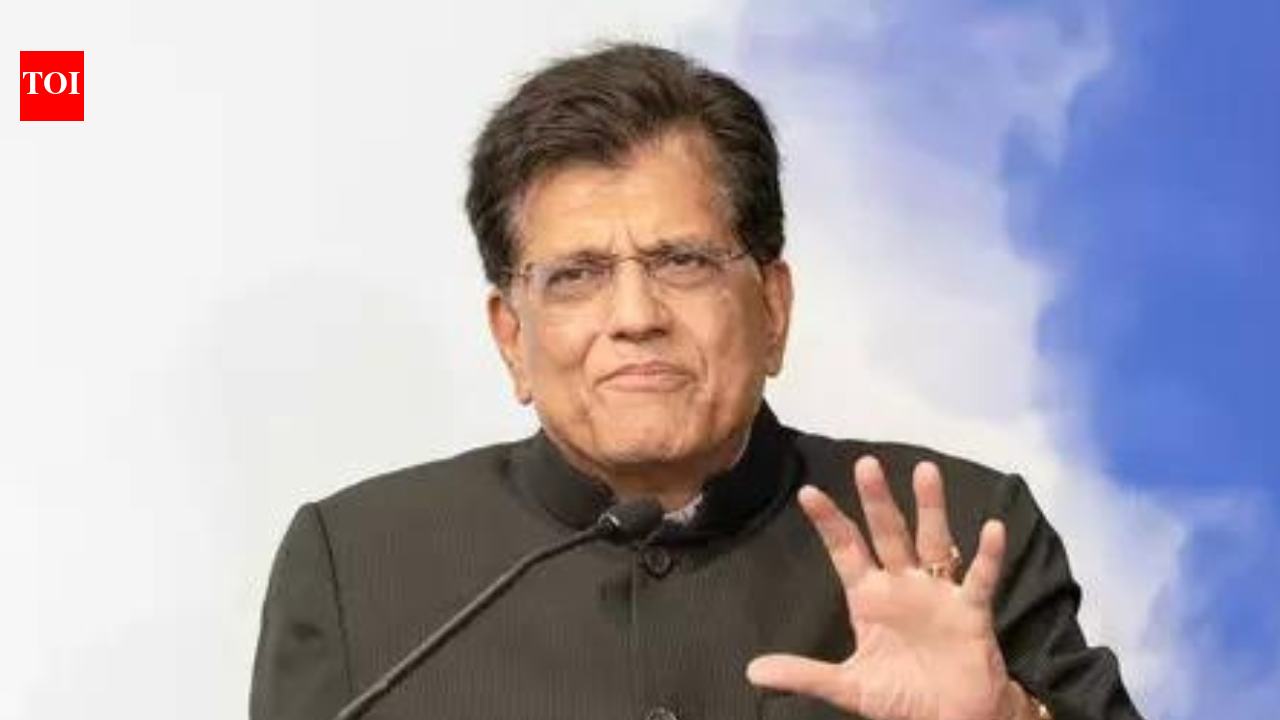
Speaking at the CII Annual Business Summit 2026 on Tuesday, Puri openly acknowledged the pressure building on state-run oil marketing companies. “If you look at the fiscal situation, oil companies are losing Rs 1,000 crore every day. Under-recovery is expected to touch Rs 1,98,000 crore, while quarterly losses are nearly Rs 1 lakh crore. Oil prices that were earlier around USD 64 or 65 per barrel have now risen to USD 115,” the minister said.
India has largely kept petrol and diesel prices stable for years despite major volatility in global crude markets. But that stability has come at a cost.
What Are Under-Recoveries?
Under-recovery is the loss oil companies incur when fuel is sold below the price justified by global crude oil costs. In simple terms, oil companies are buying crude at much higher international prices but are unable to fully pass on those costs to consumers at the petrol pump.
That gap is currently widening rapidly.
Puri’s remarks suggest that state-run fuel retailers like Indian Oil, BPCL and HPCL have been absorbing a major part of the global oil shock instead of immediately transferring the burden to consumers. But if those losses continue to pile up at nearly Rs 1,000 crore a day, further hikes become increasingly likely.
The minister also underlined that India had managed to avoid shortages despite global turmoil. “Tell me any one country where prices have remained the same and there has been no shortage,” Puri said while defending the government’s handling of the crisis. He further stressed that fuel-price decisions were not linked to elections. “I’m not saying prices will not go up. I’m saying prices and elections are unrelated,” Puri said at the summit.
That remark was widely interpreted as a signal that the government is preparing the ground for more price revisions if global conditions worsen.
Will There Be Gradual Fuel Price Hikes?
The current Rs 3.08 hike may actually be part of a staggered strategy. Instead of imposing one massive increase that could trigger inflation panic, the government may opt for smaller periodic hikes spread over time.
That possibility gained even more attention after a striking assessment by Kotak Institutional Equities, which estimated that petrol and diesel prices may eventually need to rise by Rs 25-28 per litre to fully reflect prevailing global crude prices. The estimate was based on the sharp jump in international oil prices following disruptions linked to the Strait of Hormuz and the broader US-Iran conflict.
While there is no indication that such a steep increase will happen immediately, the report highlighted just how large the gap has become between global crude realities and domestic retail fuel prices.
Uday Kotak’s Stark Warning: ‘Shock Is Coming’
Veteran banker Uday Kotak has also warned that Indians may not yet have seen the full economic impact of the global oil shock. Speaking during CII Summit, Kotak said India had so far been insulated from the full transmission of higher crude prices because fuel retailers were absorbing losses.
He also urged the country to prepare for tougher economic conditions ahead.
“We have not seen the impact in the last two months of the Middle East war in terms of energy price transmission. It’s coming. And it’s coming big,” he said.
“The shock is coming,” Kotak cautioned, while urging businesses and policymakers to prepare in advance. “My view is we should prepare for paranoia before the event. And we must hope that tough times do not come or remain. But we must prepare for the worst.”
Why The Government Is Moving Carefully
The Centre appears aware that a sharp increase in fuel prices could quickly ripple across the economy.
Higher diesel prices raise transport costs, which eventually push up prices of vegetables, milk, groceries, construction material and countless other goods. Petrol hikes directly affect urban commuters, cab fares and delivery costs.
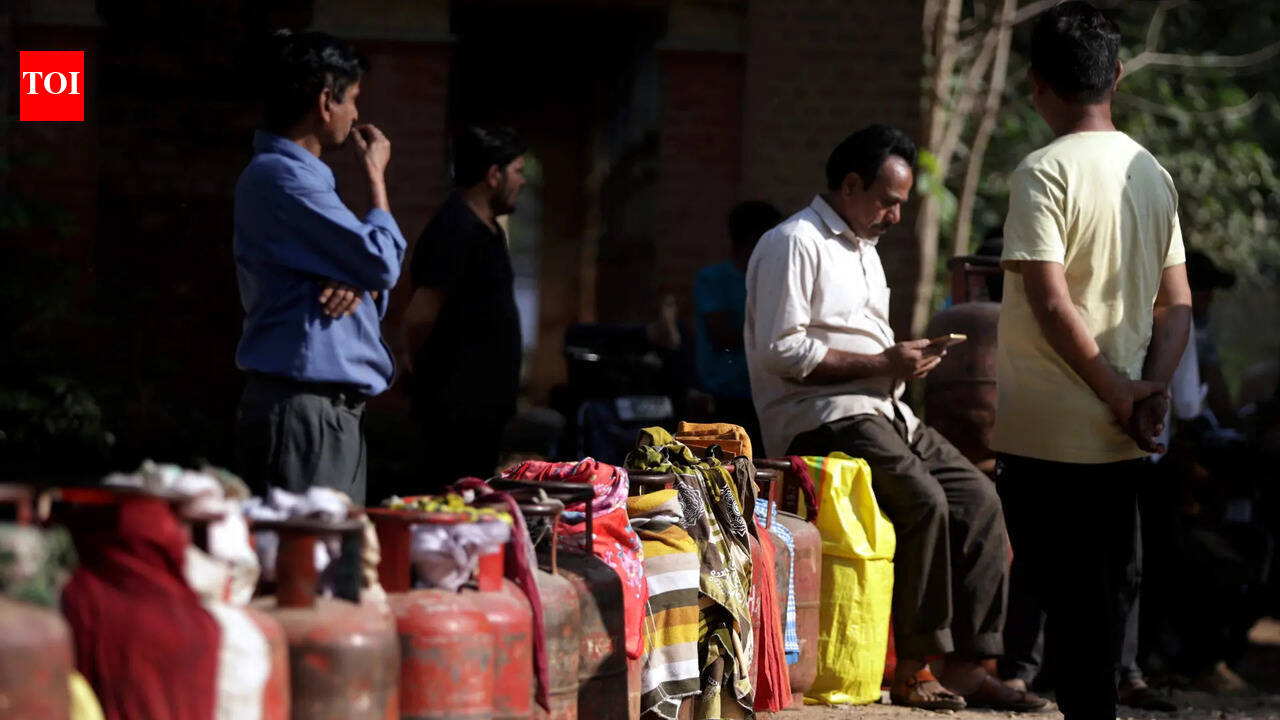
This is why the government has simultaneously reassured citizens that there is no immediate fuel shortage while also appealing for fuel conservation measures.
Even before the latest fuel-price hike, Prime Minister Narendra Modi had urged citizens to prepare for a period of economic caution amid the global energy uncertainty. In recent appeals, PM Modi asked people to use fuel judiciously, avoid unnecessary travel and adopt fuel-saving practices wherever possible. The Prime Minister also encouraged companies and institutions to explore work-from-home arrangements and staggered office timings to reduce fuel consumption and ease pressure on imports.
The messaging reflected the government’s growing concern that a prolonged disruption in global oil supplies – especially around the Strait of Hormuz – could sharply increase India’s import bill and put pressure on inflation, the rupee and foreign exchange reserves.
Should Consumers Expect More Fuel Price Hikes?
Much now depends on global crude prices and whether tensions around the Strait of Hormuz ease anytime soon. If oil prices cool down, the pressure on Indian fuel retailers could reduce significantly. But if crude remains near current levels – or rises further – the government may have little choice but to allow more increases.
For now, the Rs 3.08 hike may only be the first step in a much larger balancing act between shielding consumers and keeping India’s energy system financially viable.
Read More