- May 28, 2026
‘Half A Million Dead’: UK Intelligence Reveals Shocking Estimate Of Russian Military Fatalities In Ukraine
Last Updated:
The sheer volume of estimated fatalities points to a systemic reliance on high-density infantry assaults, often referred to by military analysts as ‘meat grinder’ tactics




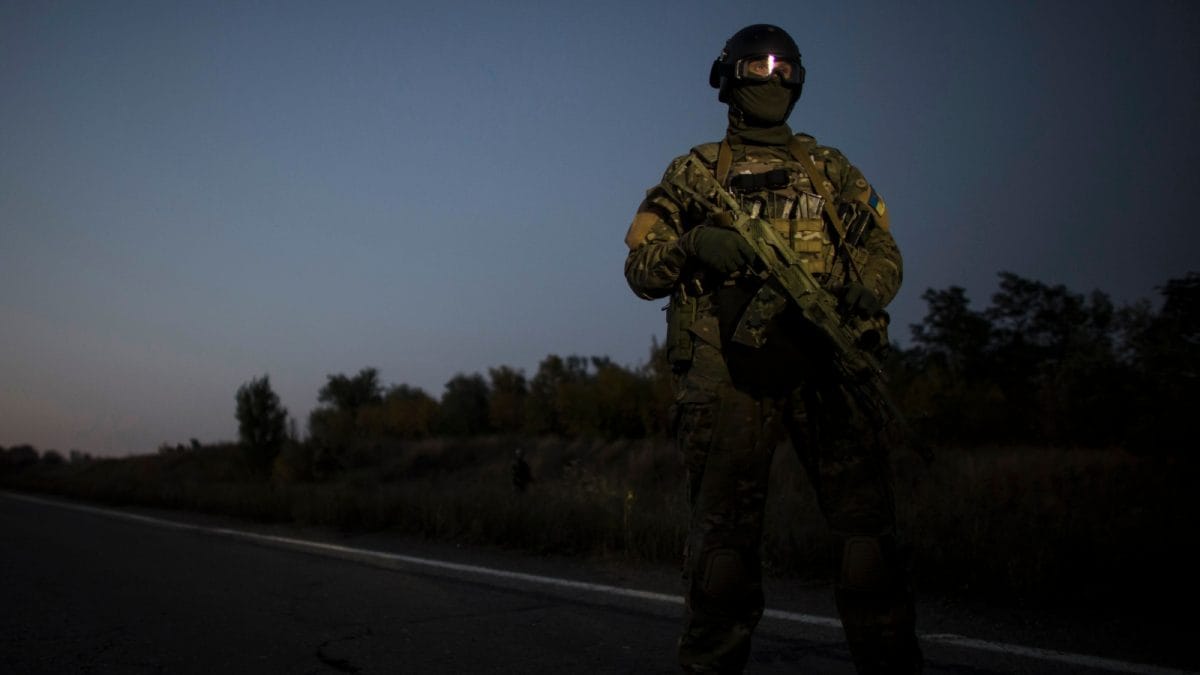
For the Kremlin, replacing nearly half a million fallen personnel presents a compounding logistical and political headache. Representational image
In a sobering disclosure that underscores the catastrophic human toll of the ongoing conflict in Eastern Europe, a senior British intelligence official has revealed that nearly 500,000 Russian soldiers are estimated to have been killed since Moscow launched its full-scale invasion of Ukraine in February 2022. The stunning figure reflects the relentless intensity of the war and represents one of the most authoritative assessments of Russian casualties to date, highlighting the immense strain on the Kremlin’s conventional military forces.
This updated toll signals a devastating rate of attrition for the Russian Armed Forces, driven largely by protracted war-of-attrition strategies, heavily fortified Ukrainian defensive lines, and the high-casualty frontline tactics deployed by Moscow’s commanders in eastern theatres. While the Kremlin continues to guard its official casualty figures as a strict state secret, this independent evaluation from UK intelligence provides international observers with a stark benchmark of the operational costs incurred by Russia in its pursuit of territorial expansion.
Frontline Attrition and the Mechanics of Heavy Casualties
The sheer volume of estimated fatalities points to a systemic reliance on high-density infantry assaults, often referred to by military analysts as “meat grinder” tactics. Over the past four years, crucial campaigns across the Donbas region have seen wave after wave of Russian personnel deployed against deeply entrenched Ukrainian positions. This strategy has resulted in catastrophic losses, particularly among newly mobilised conscripts, regional volunteer battalions, and penal colony recruits who often lack the advanced tactical training required for high-intensity modern warfare.
Furthermore, the widespread deployment of precision artillery, advanced drone warfare, and Western-supplied long-range missile systems by Ukrainian forces has dramatically increased lethality behind the immediate front lines. Command posts, supply depots, and troop concentrations have been continuously targeted, preventing Russian forces from safely massing armour or rotating personnel without facing severe defensive strikes. This persistent vulnerability has steadily compiled the massive death toll over the forty-month conflict.
The Domestic Squeeze and Moscow’s Mobilisation Dilemma
For the Kremlin, replacing nearly half a million fallen personnel presents a compounding logistical and political headache. To sustain its frontline operational capacity without triggering widespread domestic instability in major urban centres like Moscow and St Petersburg, the Russian state has had to rely on covert mobilisation strategies, lucrative financial incentives for contract soldiers, and aggressive recruitment drives within economically disadvantaged regions.
As the war stretches deeper into 2026, the long-term socioeconomic ramifications of this demographic depletion are beginning to manifest across the Russian Federation. The loss of hundreds of thousands of working-age men has triggered acute labour shortages in vital civilian sectors, including agriculture, manufacturing, and technology. Despite these severe internal pressures, the Russian leadership shows no signs of scaling back its offensive operations, indicating a willingness to absorb further staggering losses to achieve its strategic objectives.
Read More